Old Bay Seasoning: The Ultimate Homemade Blend — Pinterest-Friendly Crab, Shrimp & Snack Rub
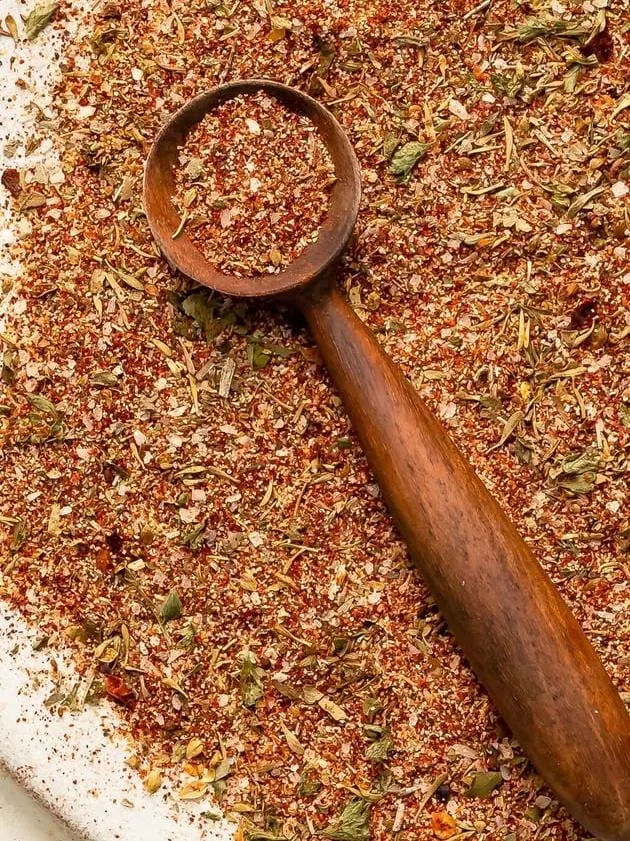
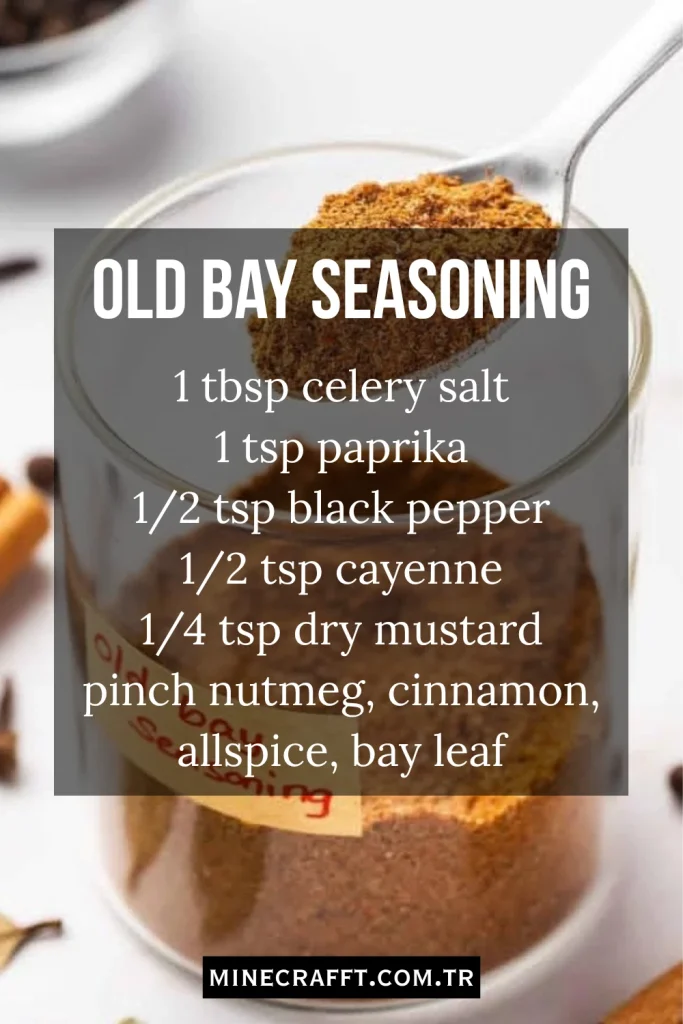
Old Bay-style seasoning is a fragrant, savory spice blend associated with coastal cooking, especially in the Mid-Atlantic region of the United States. This homemade version preserves the classic balance of warm, peppery, and slightly citrusy notes while offering full control over sodium and ingredient quality.
In this article you’ll learn what Old Bay is, why it’s beloved, the nutrient profile of the blend, every ingredient explained in detail with precise quantities, step-by-step preparation instructions, healthy habits when using the seasoning, five creative variations, storage guidance, troubleshooting tips, and simple serving ideas.
Also read: Homemade Copycat KFC Seasoning
What is Old Bay Seasoning?
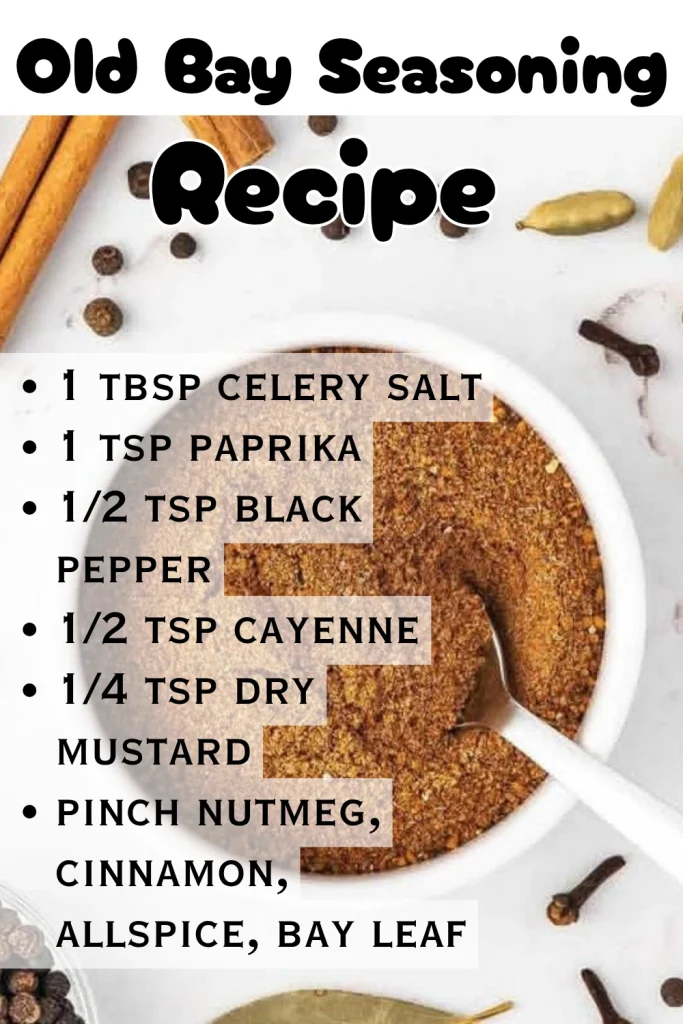
Old Bay seasoning is a commercially known proprietary blend originally marketed for seafood like crab and shrimp, but its usage has expanded to fries, popcorn, chicken, and beans. At its core, an Old Bay-style blend combines a base of salt and pepper with aromatic spices including celery seed, paprika, mustard, and bay leaf, among others.
The homemade blend aims to reproduce the warm, savory backbone, the citrusy and herbal top notes, and the subtle heat that defines the original. Making it at home means you can choose higher-quality spices, reduce sodium, introduce smoked or citrus elements, and avoid any preservatives.
Also read: Homemade Spicy Jerk Seasoning
It also allows you to grind seeds and zest to a texture you prefer — finely powdered for smooth shakers or slightly coarse for rubs. This flexibility is useful because Old Bay is used in bright, quick-cooking seafood, slow-roasted vegetables, and high-heat searing applications where texture and particle size influence adherence and crust formation.
Nutritional Snapshot
A seasoning blend like Old Bay contributes flavor more than calories; it is used sparingly. For a 1-teaspoon serving (about 2.4 grams) typical nutritional highlights are:
- Calories: roughly 5–6 kcal.
- Protein: 0 g.
- Fat: 0 g.
- Carbohydrates: ~1 g (mostly from spices).
- Sodium: depends on added salt; in this recipe sodium is moderate — about 300–400 mg per teaspoon.
Vitamins and minerals come in trace amounts: potassium, iron, and small quantities of calcium from ground seeds and dried herbs. Spices also supply antioxidants and phytonutrients — paprika provides carotenoids, turmeric (if included in variations) contributes curcumin, and black pepper contains piperine which can enhance nutrient absorption. - Because seasonings are concentrated, the primary dietary concern is sodium intake; controlling the salt and celery salt amounts or using a reduced-sodium substitute can make this blend suitable for more diets. Additionally, spices such as ginger, allspice, and cloves bring volatile oils with potential anti-inflammatory and antioxidant effects—useful although limited by the small serving size.
Also read: Homemade Sweet and Spicy BBQ Seasoning
Main Ingredients

Salt (Fine Sea Salt) — 2 tablespoons (30 grams)
Salt is the backbone of any seasoning—it enhances other flavors and helps blends adhere to food surfaces. Using fine sea salt gives a cleaner taste than iodized table salt and dissolves easily when mixed or sprinkled. The recipe uses 2 tablespoons to provide a noticeable but not overpowering saltiness in each teaspoon of the finished blend. Sea salt also contains trace minerals that can subtly affect taste.
Celery Seed — 2 tablespoons (12 grams)
Celery seed contributes the signature celery note present in Old Bay. Its flavor is earthy and slightly bitter with a green aromatic quality that lifts seafood flavors. Ground celery seed provides a granular texture and distinct aroma that echoes the traditional commercial blend. Celery seed is the ingredient most responsible for the familiar vegetal undertone.
Paprika (Sweet or Smoked) — 3 tablespoons (21 grams)
Paprika supplies color, sweetness, and depth. Sweet paprika keeps the blend mild and aromatic; smoked paprika adds a smoky backbone that complements grilled or roasted dishes. Use sweet paprika for a faithful coastal profile; swap half or all for smoked if you prefer a smoky finish. Paprika also contains carotenoids which offer antioxidant properties and enhance visual appeal.
Black Pepper (freshly ground) — 1 tablespoon (7 grams)
Black pepper brings warmth and subtle heat. Freshly ground pepper tastes brighter and more pungent than pre-ground. It balances the sweeter and citrus components and gives the blend a gentle bite. Pepper also helps distribute heat evenly throughout the food’s surface when used as a rub.
White Pepper — 1 teaspoon (2 grams)
White pepper adds sharpness without dark flecks, lending an earthy heat often present in Old Bay. It’s slightly different in flavor from black pepper and contributes to the classic profile. White pepper rounds out the pepper complexity without changing the color of lighter blends.
Mustard Powder — 1 tablespoon (8 grams)
Mustard powder contributes tangy warmth and a piquant note that cuts through rich seafood. It supports the blend’s savory character and provides a mild background heat. Mustard also helps with emulsification when the blend is mixed into oil-based rubs or vinaigrettes.
Red Pepper Flakes (crushed) — 1 teaspoon (2 grams)
Crushed red pepper supplies the subtle heat Old Bay is known for. Use less if you prefer milder seasoning; increase or substitute with cayenne if you want more kick. The flakes also add a textured visual interest when used as a finishing sprinkle.
Ground Bay Leaf — 1 teaspoon (1.5 grams)
Bay leaves are a traditional element; powdered bay leaf brings an herbal, slightly floral note that enhances the blend’s complexity. Bay leaf powder can be made by grinding dried bay leaves very finely. It contributes an undercurrent of savory herbiness that complements other warm spices.
Ground Cloves — 1/4 teaspoon (0.5 grams)
Cloves add a warm, slightly sweet, and aromatic depth in tiny amounts. They are powerful; a quarter teaspoon contributes a background richness without overtly clove-like flavor. Cloves pair with allspice and nutmeg to create subtle holiday-like warmth in savory applications.
Ground Allspice — 1/2 teaspoon (1 gram)
Allspice contributes a mix of cinnamon, nutmeg, and clove-like flavors, reinforcing the warm spice character of the blend. It lends complexity and a gentle peppery-sweet balance that works especially well in sauces or stews where Old Bay might be used as a base.
Ground Ginger — 1/2 teaspoon (1 gram)
Ginger adds a subtle spicy-sweet lift and a freshness that works well with shellfish and poultry. It brightens the mid-palate of the blend and pairs especially well with citrus and mustard.
Celery Salt — 2 tablespoons (28 grams)
Celery salt is a combination of ground celery seed and salt; using both celery seed and celery salt ensures the celery profile is prominent. The celery salt contributes both seasoning and the green vegetal note associated with Old Bay. Because it contains salt, it’s a principal contributor to overall sodium content.
Ground Nutmeg — 1/8 teaspoon (0.3 grams)
Nutmeg brings a faint sweetness and warming aroma when used sparingly. It dovetails with cloves and allspice to create a refined warmth rather than a dominant sweet taste.
Dried Lemon Zest (or Citric Acid) — 1 tablespoon (6 grams) dried zest or 1 teaspoon citric acid
The citrusy top note is crucial. Dried lemon zest or a small amount of citric acid provides the bright, slightly tart accent that lifts the heavier spices and clarifies the seafood flavors. Citric acid gives a stronger, more immediate tartness, while dried zest contributes aromatic oils and a subtler lemon impression.
Ground Coriander — 1 teaspoon (2 grams)
Coriander contributes a citrusy, nutty undertone that blends well with the other warm spices. It smooths transitions between the sharper mustard and pepper notes and supports the lemon zest.
Ground Turmeric (optional) — 1/4 teaspoon (0.6 grams)
Turmeric is optional but can add color and a gentle earthy flavor along with antioxidant benefits. Use sparingly to avoid altering flavor balance. Turmeric’s yellow pigment also helps produce a warm, appetizing hue in the final mix.
Quantities and total yield
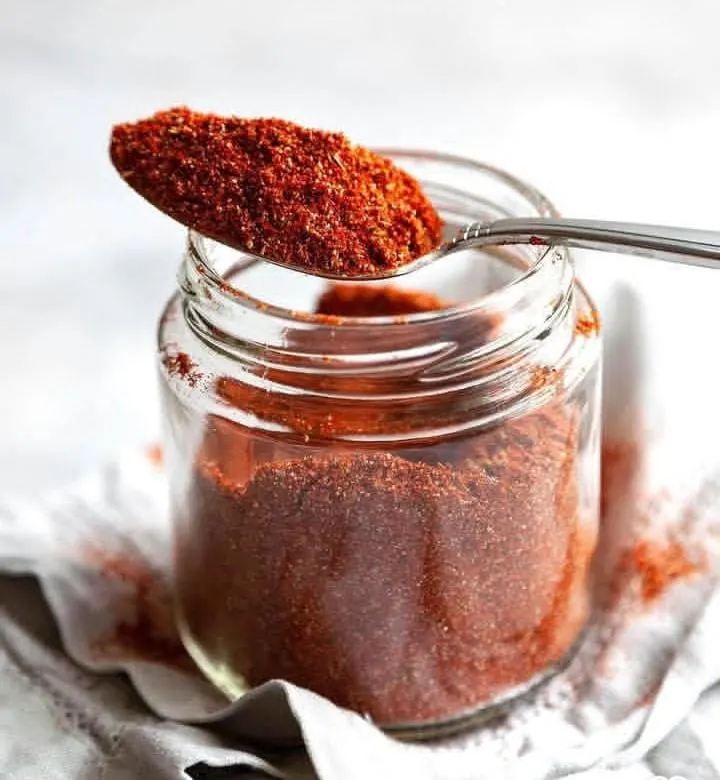
This recipe yields approximately 1 cup of Old Bay-style seasoning, which weighs roughly 160 grams. Exact totals by weight for each ingredient were listed above; combined they sum to the final jar quantity.
The finished blend will fill a 1-cup (8-ounce) spice jar and should be stored in an airtight container away from light and heat for up to 6 months for best potency. When spooning the seasoning, expect about 48 to 60 teaspoons per jar depending on how densely it settles—this is sufficient to season many meals, making the homemade batch both economical and fresh-tasting.
How to Prepare — step-by-step, paragraph form
Begin by measuring each spice precisely using tablespoons and teaspoons, and, for better accuracy, a kitchen scale if available. Freshly measure spices like paprika, mustard powder, and ground seeds; avoid using spices that are several years old because aromatic oils fade with time.
Place the measured spices into a medium mixing bowl. If you’re using whole celery seeds or larger pieces of bay leaves, grind them first in a spice grinder or with a mortar and pestle until fine; this improves texture and dispersal. Grind citrus zest if using dried chunks so that it integrates cleanly rather than creating pockets of intense citrus.
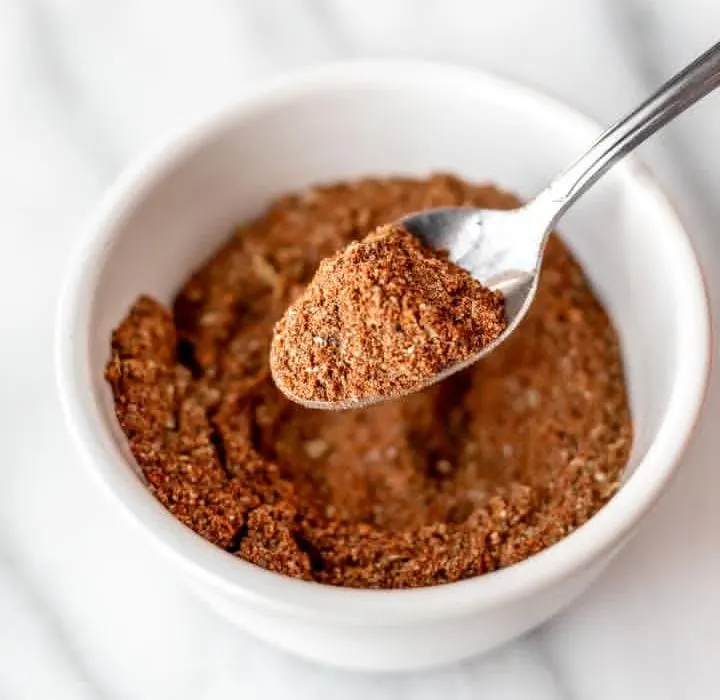
Next, whisk the dry ingredients together thoroughly to ensure even distribution. Use a fine mesh sieve to break up clumps and aerate the mixture; passing the blend through a sieve once or twice will make the texture uniform and prevent pockets of stronger spice.
For a homogenous mixture, transfer the blend into a spice mill or small food processor and pulse briefly — this is especially useful if you used fresh lemon zest or larger dried herbs. Be careful not to over-process; you want a powdery but slightly structured texture so it both pours and adheres when used as a rub.
After mixing, taste a tiny pinch (no more than 1/8 teaspoon) by sprinkling on a small piece of bread or a plain cracker — the flavor should be balanced between saltiness, warmth from the peppers and mustard, and a bright lemon note. If the blend tastes flat, add a pinch more lemon zest or a touch more celery salt. If it feels overly salty, reduce the salt slightly in the next batch. Adjustments should be made in very small increments because spices concentrate quickly.
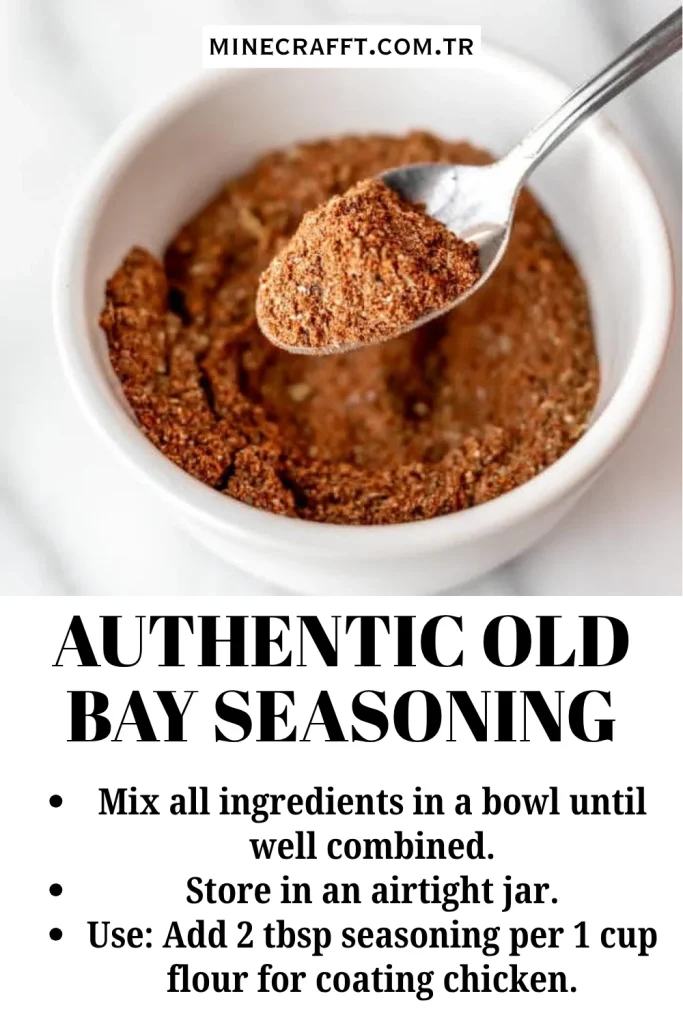
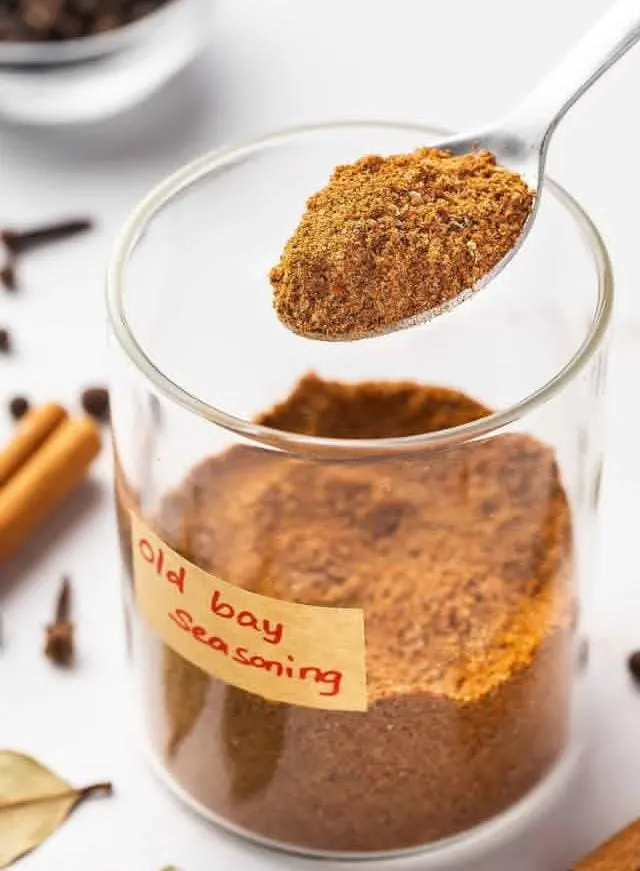
Finally, transfer the finished seasoning to an airtight jar with a shaker lid or a sealed spice jar. Label it with the date and store it in a cool, dark place. Let the blend rest for 24–48 hours before heavy use to allow the flavors to marry; however, it is ready to use immediately. Shake before each use to remix any settled components. For gifting, fill small glass jars and include usage suggestions such as “1 tsp per serving, 2–3 tbsp per gallon for shellfish boils.”
How to Use and Healthy Habits
Use this seasoning sparingly — typically 1/2 to 1 teaspoon per pound of seafood before cooking, or 1/4 to 1/2 teaspoon to season a serving of roasted vegetables. Because the blend contains salt, consider reducing added table salt in recipes where you apply this seasoning.
When pan-frying or grilling, sprinkle the seasoning onto the protein to create a lightly crusted exterior; for boiling crabs or shrimp, add 2–3 tablespoons to the cooking liquid per gallon of water for a pronounced flavor. For a lighter touch, mix 1 teaspoon into a tablespoon of olive oil and brush it on before roasting or grilling so the seasoning distributes evenly and uses less sodium.
To keep the seasoning health-conscious, opt for reduced-sodium sea salt or halve the salt and celery salt quantities and supplement with more paprika and dried lemon zest to preserve flavor. Rotate seasonings in your diet to avoid excess sodium intake—use blends like this occasionally rather than daily.
Pair dishes seasoned with this blend with high-fiber sides (salad, brown rice, legumes) and plenty of vegetables to create balanced meals. If you follow a low-sodium or restricted-potassium diet, consult your healthcare provider before switching to potassium-based salt substitutes because they can interact with some medications.
Variations
Variation 1: Low-Sodium Old Bay
Reduce the total added salt by replacing the 2 tablespoons of sea salt and 2 tablespoons of celery salt with 1 tablespoon sea salt and 1 tablespoon celery salt; compensate for the flavor by increasing paprika to 4 tablespoons and adding an extra tablespoon of dried lemon zest. Use potassium-based salt substitute only if approved by your healthcare provider, because substitutes can interact with certain medications; otherwise, boost aromatic spices like ground coriander and ginger to preserve depth.
Use the extra lemon zest to brighten the blend, and consider adding a pinch more mustard powder to maintain piquancy. When using this version, start with less on food and add after tasting because the citrus and paprika can read stronger without salt. Store this low-sodium blend separately and label it clearly to avoid accidental overuse in high-sodium contexts.
This low-sodium variation retains the characteristic flavor profile while reducing sodium per serving by roughly 40–50%, depending on which salt substitute is used. The increase in paprika and lemon zest helps keep the blend vibrant and visually appealing on food.
It’s an ideal choice for people managing blood pressure or for families aiming to cut back on sodium. Use liberally on air-fried potatoes, roasted cauliflower, or mixed into yogurt-based dips for a flavorful low-salt snack. Remember that reduced-sodium blends may need slightly more volume to reach the same perceived saltiness, so adjust use accordingly.
Variation 2: Smoked Paprika Old Bay
Swap out half or all of the sweet paprika for smoked paprika (3 tablespoons smoked or 1.5 sweet + 1.5 smoked) to introduce a pronounced smoky character. Smoked paprika pairs particularly well with grilled proteins and roasted vegetables, lending an outdoor barbecue profile to dishes where Old Bay would traditionally be used.
Keep the rest of the ingredients unchanged for balance; the smoky note will harmonize with black and white pepper while the dried lemon zest keeps brightness. Use this variation to season grilled corn, roasted eggplant, or a pork rub when you want the cascade of smoke without actual smoking equipment.
This version is excellent when you want a deeper roasted roast note without using liquid smoke or actually smoking the food. Because smoked paprika tends to be bolder, start with a light hand and add more only if desired.
It also pairs well with a touch of brown sugar for a sweet-and-smoky rub suited to pork or tempeh. Store separately and mark as “smoked” so you don’t accidentally use it when you want the classic, non-smoky profile. Smoked paprika enhances the visual color of the blend, making it more appetizing on roasted and grilled foods.
Variation 3: Citrus-Forward Old Bay
Increase the lemon zest to 2 tablespoons and add 1 tablespoon of dried orange zest to create a brighter, fruitier seasoning. Incorporate 1/2 teaspoon citric acid instead of or in addition to zest for a more immediate tartness, which works wonderfully for ceviche-style dishes or quick pickles.
The additional citrus brightens shellfish, fish tacos, and salads, and pairs well with a finishing squeeze of fresh lime or lemon. Reduce the salt by a small amount if you plan to use fresh citrus post-cooking to avoid over-salting.
This citrus-forward variation is perfect for summer recipes and light preparations that benefit from acidity. The fruity notes lift the seafood flavors without adding heat, making it popular for dressings and marinades. It’s also adaptable — swap dried grapefruit or lime zest for different citrus profiles. Keep the zests finely ground so they integrate smoothly into the blend. Because citrus can lose potency over time, use this variation within three months for freshest flavor.
Variation 4: Spicy Cajun-Style Old Bay
Add 1 teaspoon cayenne pepper and 1 teaspoon smoked paprika while keeping the base recipe intact to create a spicier, Cajun-inspired version. Introduce 1 teaspoon dried oregano and 1/2 teaspoon ground thyme to bring herbal depth common in Creole and Cajun rubs.
This variation works especially well on blackened fish, shrimp, or as a bold seasoning for fries and popcorn where heat is desired. Complement with a smear of butter or oil during cooking to help the spice adhere and to mellow the sharp edges of cayenne.
This spicier version provides a warm, forward heat that can be tailored to individual tolerance by adjusting the cayenne. For a milder alternative, use sweet paprika and a smaller amount of cayenne or swap in crushed red pepper for a textured heat.
The herbal additions create complexity that makes the blend feel more like a regional Southern rub. Use it liberally for outdoor grilling or pan-searing where a pronounced crust enhances flavor. Store separately and label clearly due to increased heat level.
Variation 5: Herbal Old Bay
Blend in 1 tablespoon each of dried parsley and dried chives and add 1 teaspoon dried tarragon to emphasize fresh herbal notes. This herb-forward blend works exceptionally well on steamed shellfish, vegetable medleys, and in compound butters where the herb aroma can bloom with heat.
Reduce the amount of ground bay leaf by half to let the green herb flavors shine through without losing the savory undertones. Use less salt if you plan to incorporate salted butter or other salty components in the final dish.
The herbal version is lighter and opens a floral, green character that pairs wonderfully with light fish, crab cakes, and deviled eggs. Because dried herbs can be less potent than fresh, consider using finely ground dried herbs so they distribute evenly. This variation is excellent mixed into mayonnaise or yogurt for dips and sandwiches. The color of the blend becomes greener and visually signals its herb-forward profile. Store away from heat to preserve the volatile herb oils.
Tips for Storage and Shelf Life
Store your homemade blend in an airtight glass jar away from direct sunlight and humidity. Avoid plastic containers for long-term storage as they can retain odors; glass jars with tight lids are ideal. For best aroma and potency, use within six months; citrus and ground seeds lose their vibrancy sooner, so plan to use the citrus-forward variation more quickly (within three months). Label jars with the date made and the variation type. If you notice any off or stale aromas, discard and make a fresh batch.
Troubleshooting Common Issues
If the mix seems clumpy, sieve it and dry-toast any damp spices briefly in a dry pan over low heat to remove moisture, then cool completely before remixing. If the blend tastes flat, add a pinch of citric acid or more dried lemon zest; if too salty, balance with a bit more paprika and a pinch of ground sugar or more aromatic spices.
If a single component overpowers the mix, note the amount and reduce it by 10–20% in the next batch; keeping a small notebook of adjustments helps you hone the perfect personal profile. If humidity is a recurring problem, store smaller jars in the freezer to prolong vibrancy; frozen dried spice jars should be brought to room temperature before opening to avoid condensation.
Serving Ideas and Simple Recipes
Sprinkle over air-fried shrimp with a squeeze of lemon for a quick appetizer. Mix 1 tablespoon of the seasoning into 1/2 cup mayonnaise or Greek yogurt for a tangy dip. Toss with olive oil and use 1–2 teaspoons per pound on potatoes before roasting. Add 1–2 tablespoons to a gallon of boiling water when cooking crabs, shrimp, or lobster for classic seafood boil flavor. Season grilled corn or roasted cauliflower before serving for a flavorful vegetable side.
History and Cultural Uses
Old Bay seasoning has roots in coastal American food culture and was originally formulated as a seafood seasoning for steamed and boiled shellfish. Over decades it migrated from specialty use to general pantry staple, embraced not only in crab houses but also in home kitchens, diners, and trendy food stalls.
The blend’s popularity comes from its versatility: it can accentuate simple boiled shrimp, add complexity to a vegetable roast, or transform everyday snacks like popcorn into flavorful treats. Regional cooks adapted it for bar snacks, roasted nuts, and even Bloody Mary rims, turning a local flavor profile into a broad culinary utility.
The seasoning’s identity is tied to social food practices: communal seafood boils, roadside crab shacks, and backyard barbecues. Its adaptability allowed cooks to customize heat, smoke, and citrus levels to reflect local tastes while retaining a recognizable backbone.
As a homemade blend, it demonstrates how pantry blends travel and evolve: the same base spices are reinterpreted with different citrus, smoked chiles, or herb additions to suit cuisines from coastal bistros to urban food trucks. Sharing a jar or gifting small bottles became a way to transmit regional culinary identity to friends and family.
Final Notes
This homemade Old Bay-style seasoning gives you control over freshness and sodium while preserving the familiar flavor profile that makes the blend a kitchen staple. Experiment with the variations to find your favorite — whether it’s smoky, citrusy, spicy, or herbaceous — and remember to store properly to maximize shelf life. Use sparingly and pair with balanced sides to keep meals healthy. Share small jars as gifts — a homemade spice blend is a thoughtful, kitchen-friendly present.
Closing
Enjoy crafting this blend: make small test jars, adjust incrementally, and savor the way fresh spices transform ordinary dishes into memorable meals. Happy cooking always.