Homemade Pastry Cream Recipe (Crème Pâtissière) — Foolproof Recipe for Tarts, Eclairs & Layered Cakes
Pastry cream (crème pâtissière) is a thick, velvety custard used as a filling for tarts, éclairs, cream puffs, mille-feuille and layered cakes. It’s built from a few simple staples — milk, egg yolks, sugar, starch, and butter — but when cooked and stabilized correctly it becomes a luxurious, sliceable filling that holds shape while remaining rich and tender on the palate.
Making pastry cream at home gives you control over sweetness, vanilla intensity, and texture; you can make it richer, lighter, or flavored to suit any dessert. Unlike store-bought pre-made fillings, fresh pastry cream tastes brighter and is free of preservatives, and it’s surprisingly straightforward once you learn the gentle, stepwise method that prevents curdling and creates a silky mouthfeel.
Also read: High-Protein Ozempic Meal Plan

Nutritional Snapshot — What Pastry Cream Provides
Pastry cream is an energy-dense mixture high in calories, fat, and sugar because of the butter, egg yolks, and sugar content. A standard ⅓-cup (about 80 g) serving typically provides roughly 200–260 calories, with about 10–14 g of fat (largely saturated when butter and whole milk are used), 20–30 g of carbohydrates (mostly sugar), and 4–6 g of protein (from milk and eggs).
It supplies calcium and some B vitamins from dairy and eggs, and egg yolks contribute fat-soluble vitamins (A, D) plus choline. Because pastry cream is concentrated, use it judiciously as a component of desserts — a little goes a long way. There are straightforward ways to make it lighter or more nutrient-conscious (discussed in the Healthy Habits section) without sacrificing the texture that makes pastry cream special.
Also read: 20 Flavorful Low Sodium Recipes

Main Ingredients — Quantities & Roles (Yields about 4 cups / 950 ml)
Below is a classic recipe that produces approximately 4 cups (about 950 ml) of pastry cream — enough to fill a 9-inch tart, 12–16 éclairs, or to pipe between cake layers. Exact weights and rationales are provided so you understand the function of each component.

- Whole milk — 3 cups (720 ml). The primary liquid and flavor carrier. Whole milk delivers creaminess and helps set the custard when combined with eggs. You may substitute part cream for extra richness (see variations), but whole milk keeps the structure lighter and more stable.
- Granulated sugar — ¾ cup (150 g). Sweetens and helps preserve the cream slightly. Sugar also affects texture: it lowers the coagulation temperature of eggs and contributes to a glossy finish.
- Large egg yolks — 6 yolks (about 120 g). Yolks provide structure, emulsifying power, and richness. They thicken when gently heated with starch and create the custardy body of pastry cream.
- Cornstarch — ½ cup (64 g). The primary thickener that gives pastry cream its stability and tooth. Cornstarch yields a smooth, silky texture and reduces the amount of egg yolk required compared to an all-egg set custard. You can substitute with pastry flour (a mix of flour and cornstarch) but cornstarch is traditional for classic texture.
- Unsalted butter — 3 tablespoons (42 g), cut into pieces. Added off-heat to give sheen, richness, and silkiness. Butter also softens the set cream so it isn’t dry or chalky.
- Vanilla — 2 teaspoons pure vanilla extract OR the seeds of 1 vanilla bean. The aromatic backbone. Fresh vanilla bean seeds create a speckled, intense profile; extract is convenient and reliable.
- A pinch of fine sea salt — about 1/8 teaspoon (0.5 g). Balances sweetness and enhances the other flavors.
- Optional: 1 tablespoon (15 ml) rum, Grand Marnier, or liqueur for flavor depth (added after cooking).
Total Yield: ~4 cups (950 ml) pastry cream, refrigerated. This yields about 12–16 standard éclairs or one 9-inch tart.

Key Techniques & Why They Matter
- Temper the yolks: Pouring hot milk into yolks slowly and whisking constantly prevents curdling and ensures a smooth custard base.
- Cook gently and whisk constantly: Custard should thicken under medium-low heat; high heat causes grainy texture or scrambled eggs.
- Use starch as stabilizer: Cornstarch allows a silkier, more forgiving set than eggs alone and reduces the risk of over-cooking.
- Finish with butter off heat: This enriches and gives pastry cream a glossy finish and silkier mouthfeel.
- Chill quickly: Placing a sheet of plastic wrap directly on the surface prevents a skin from forming and cools the cream safely.
How to Prepare — Step-by-Step

Begin by preparing your mise en place: separate six large egg yolks into a medium bowl and set them aside; measure the sugar and cornstarch into the same bowl and whisk together until uniformly pale and free of lumps. If using a vanilla bean, split it lengthwise and scrape the seeds with the back of a knife; reserve both seeds and pod. Pour the milk into a medium saucepan and add the vanilla seeds and pod (if using whole bean) or plan to add extract later. Warm the milk over medium heat until it just begins to steam and small bubbles form at the edges — do not allow it to boil.
While the milk is warming, whisk the yolk-sugar-starch mixture vigorously for 30–60 seconds until smooth and slightly thickened. This step coats the starch and helps avoid lumps when hot liquid is added. Slowly ladle about ⅓ of the hot milk into the yolk mixture in a thin, steady stream, whisking constantly — this is the tempering step that raises the temperature of the yolks without scrambling them. Continue adding another ⅓, then the final third, whisking continuously until the yolks are warmed and fully incorporated into a silky slurry.
Return the tempered mixture to the saucepan used for the milk, placing it over low to medium-low heat. Stir constantly with a whisk or heat-resistant spatula, scraping the bottom and corners to avoid scorching. The mixture will slowly thicken as the starch gelatinizes; this usually takes 2–4 minutes of gentle cooking after the mixture first begins to bubble. Once it reaches a full simmer and thickens to a pudding-like consistency that coats the back of a spoon, allow it to cook an additional 30 seconds while stirring to ensure starch is fully cooked and the raw flavor disappears.
Remove the pan from the heat immediately. If you used a vanilla pod, now strain the pastry cream through a fine-mesh sieve into a clean bowl to remove the pod and any coagulated bits — this step guarantees an ultra-smooth finish. Add the butter pieces and vanilla extract (if using) and whisk briskly until the butter is completely emulsified and the cream is glossy. If adding liqueur for flavor depth, stir it in now.
Taste and add the pinch of salt to balance sweetness. To chill, press a sheet of plastic wrap directly onto the cream’s surface to prevent a skin from forming, and refrigerate until thoroughly cold, at least two hours. For immediate use in piping or assembly, cool to room temperature then refrigerate until firm; for more stable use in layered cakes, chill several hours.

Storage and Shelf Life
Pastry cream keeps best refrigerated in an airtight container with plastic film pressed to the surface for up to 3 days. Do not freeze pastry cream — freezing alters texture and can create a watery or grainy result upon thawing. If the cream separates slightly after refrigeration, whisk vigorously or use an immersion blender to restore silkiness; small addition of a tablespoon of warm milk while whisking helps reincorporate fats.

Healthy Habits — Using Pastry Cream Mindfully
Pastry cream is an indulgent component, so consider portion control and smarter pairings to enjoy it sensibly. Use small amounts to fill éclairs, layer thinly between cake tiers, or as a dollop on fresh fruit to keep desserts balanced. Swap half the milk for a lower-fat milk to reduce saturated fat, or use a light touch of heavy cream to enrich only ¼ of the total mixture rather than using full cream.
For slightly more protein and lower calories, blend in a little Greek yogurt off-heat after chilling (use no more than 10–15% yogurt relative to volume to preserve structure). Balance sweetness visually and nutritionally by pairing pastry cream desserts with fresh berries, citrus segments, or a side salad of lightly macerated fruit to add fiber and vitamin C.

Variations
1) Vanilla-Bean Pastry Cream (Classic)
The classic vanilla-bean version uses the seeds from one whole vanilla pod added to the milk while heating and removed during straining. This yields a deeply aromatic pastry cream with tiny black specks that signal real vanilla; the visual appeal is perfect for glass tarts and elegant éclairs. Use Madagascar or Tahitian beans for different aromatic profiles — Madagascar gives a sweet, caramel-like vanilla; Tahitian is floral and perfumed.
To maximize flavor, steep the pod in the milk off-heat for 20–30 minutes after removing the pan from the stove, then strain before tempering. Finish with a small pat of butter for shine and 1 teaspoon of vanilla extract if you want a boost beyond the bean’s aroma. This is the baseline to which other flavors are compared.

2) Chocolate Pastry Cream (Rich & Luscious)
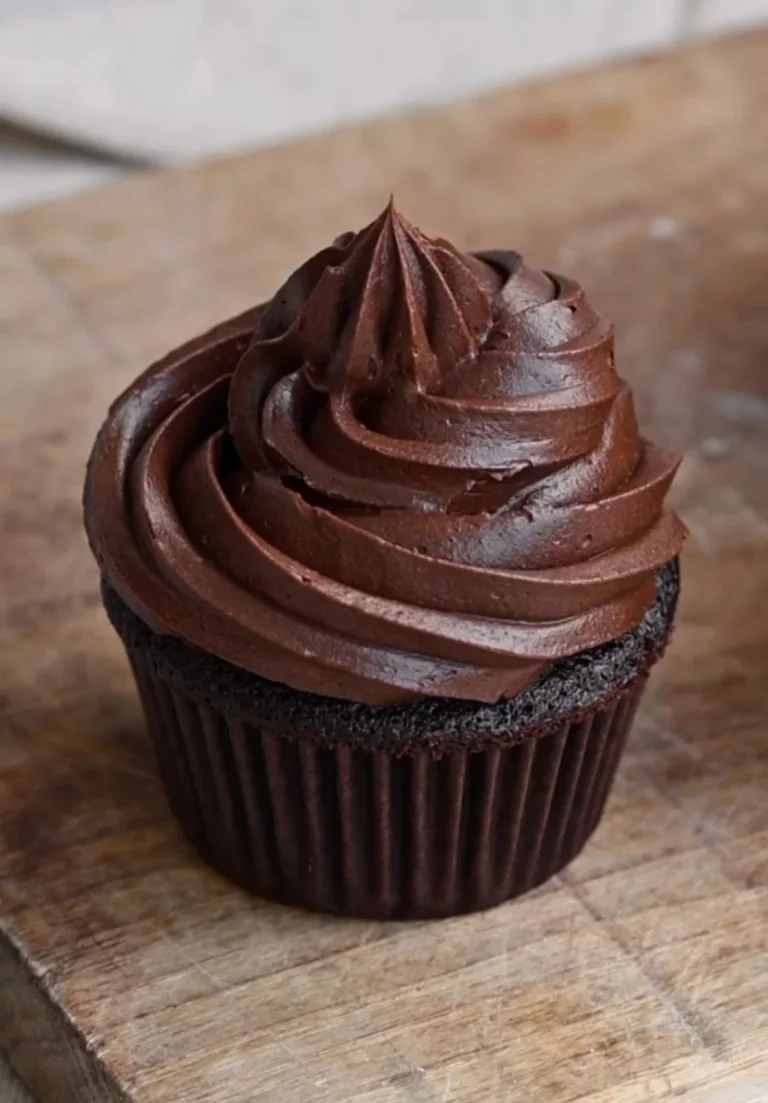
For chocolate pastry cream, whisk 4 ounces (115 g) finely chopped high-quality bittersweet chocolate into the hot finished pastry cream off the heat until smooth and glossy. Alternatively, whisk in 3 tablespoons (24 g) Dutch-processed cocoa powder with the starch at the start to ensure even dispersion and full chocolate flavor. Chocolate pastry cream is ideal for filling cream puffs, chocolate tarts, or piping into choux shells for decadent desserts.
Balance sweetness carefully: unsweetened cocoa or high-percentage chocolate may require a touch more sugar, while milk chocolate will produce a sweeter, softer cream. Add a pinch of espresso powder to heighten cocoa notes without tasting like coffee; the result is a layered, luxurious filling for chocolate lovers.
3) Lemon Pastry Cream (Bright & Tart)
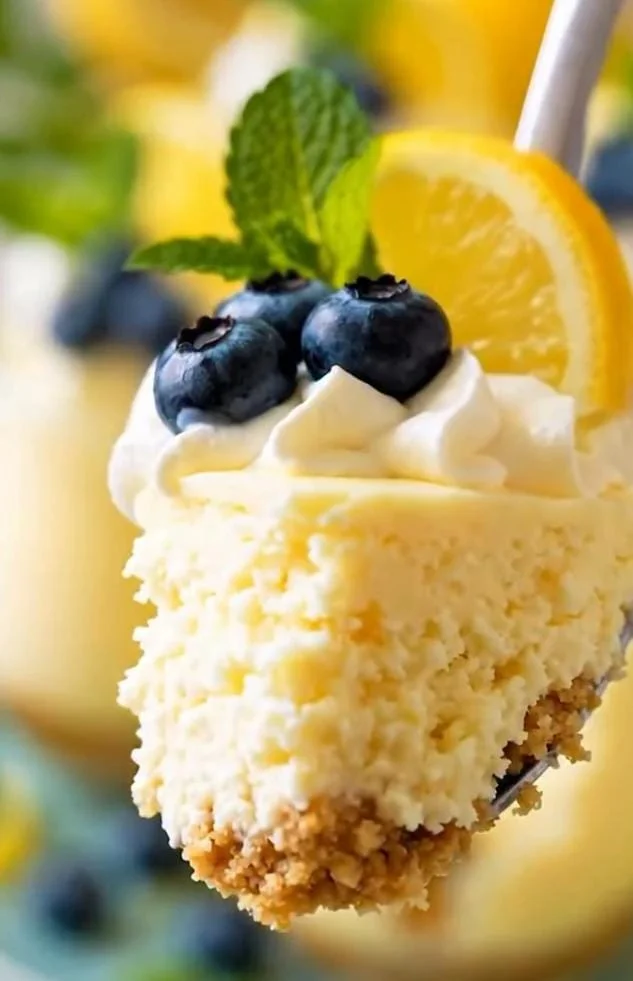
Transform pastry cream into a lemon-curd hybrid by adding the zest of two lemons to the milk as it heats and stirring in ½ cup (120 ml) fresh lemon juice off-heat after cooking. Lemon pastry cream offers tangy brightness that cuts through richness and pairs beautifully with shortcrust tart shells or fresh berries in a trifle. Use fine zest only — avoid the bitter white pith — and strain the cream if you prefer an entirely smooth texture.
If you prefer a more stable lemon profile, substitute 2 tablespoons of cornstarch with 1 tablespoon of flour to slightly change texture, or fold in a bit of whipped mascarpone after chilling for a lighter mouthfeel. Lemon cream is best served chilled and is especially refreshing in warm weather desserts.
4) Coffee-Kahlúa Pastry Cream (Adult Twist)
Infuse the milk with 1 tablespoon instant espresso powder while warming, then stir in 2 tablespoons Kahlúa or coffee liqueur after cooking for an adult-flavored pastry cream. The coffee notes complement chocolate tarts and layered desserts, and a splash of liqueur adds complexity and aroma. If avoiding alcohol, use brewed espresso concentrated to maintain intensity.
To preserve structure when adding liqueurs or liquified flavors, add them after the cream has thickened and been removed from heat so the alcohol does not interfere with starch setting. This version pairs exquisitely with chocolate glaze or as a filling in mocha choux.
5) Mascarpone Pastry Cream (Silkier & Spreadable)
After cooling slightly, fold 6 ounces (170 g) mascarpone into the warm but not hot pastry cream until fully combined; then chill. Mascarpone adds tangy richness and makes the cream easier to pipe and spread without losing body. This hybrid cream is ideal for layered sponge cakes (as a tiramisu-adjacent filling) or for combining with whipped cream for a lighter diplomat cream.
To prevent curdling when combining with cooler ingredients, temper mascarpone by whisking a tablespoon of warm pastry cream into it first, then combine the rest. For a lighter version, fold in an equal volume of softly whipped cream after chilling to create diplomat cream.
Troubleshooting Common Problems
- Lumpy cream / uncooked starch flavor: If lumps form, immediately place the pan in a bowl of ice water and whisk vigorously; strain through a fine sieve to remove residual lumps. Cooking a bit longer over low heat will eliminate raw starch taste.
- Curdled or scrambled egg bits: This happens when the mixture is heated too fast. Strain the cream through a fine sieve and return to very gentle heat while whisking; a small amount of milk diluted and whisked in can help smooth slightly separated cream.
- Too thin: Return to low heat, whisk in 1 teaspoon cornstarch dissolved in 1 tablespoon cold milk, simmer briefly until thickened, then remove from heat.
- Skin formed while cooling: Prevent by pressing plastic wrap directly onto the surface; if a skin forms, remove and whisk the cream to reincorporate.
Practical Uses and Assembly Tips
- Filling éclairs: Pipe chilled pastry cream into choux shells using a plain or star tip; glaze with chocolate ganache for a classic look.
- Tarts: Line a prebaked tart shell with a thin layer of apricot jam (optional), pipe or spoon pastry cream, smooth, and top with glazed fruit for a fresh fruit tart.
- Layer cakes: Use pastry cream as a layer between sponge cakes; for lighter layers, fold equal parts whipped cream to create a diplomat cream.
- Trifles and verrines: Alternate pastry cream with cubed cake and fruit for elegant portions. Always chill assembled desserts for at least one hour for cleaner slices.
Final Notes
Pastry cream is a deceptively simple custard that rewards patience and careful temperature control. Keep techniques consistent: temper yolks, cook gently, finish with butter off heat, and cool quickly with plastic wrap on the surface.
Once you master the base recipe above, the variations are virtually limitless — citrus, chocolate, coffee, and liqueur additions are straightforward and yield professional results. Use pastry cream sparingly as a luxurious component rather than the whole dessert; its richness is most impactful as an accent to fresh fruit, crisp pastry, or tender sponge.