Homemade Copycat KFC Seasoning — 11-Herb-and-Spice Fried Chicken Rub (Make at Home)
Few food smells trigger instant nostalgia like hot, freshly fried, well-seasoned chicken. The iconic KFC flavor has inspired home cooks for decades: a salty, savory crust with aromatic herb notes and a whisper of warm spices. Creating a copycat KFC seasoning allows you to recreate that unmistakable taste at home while controlling freshness, sodium, and ingredient quality.
This article explains what the blend is, explores nutritional aspects, lists every ingredient with exact quantities for a reliable batch, gives a clear, paragraph-style method for making and using the seasoning, suggests healthier cooking and serving approaches, offers variations, and includes practical tips for storage and troubleshooting. The goal is to empower you to get restaurant-style fried chicken right in your own kitchen.
Also read: Homemade Spicy Jerk Seasoning

What is the KFC Seasoning?
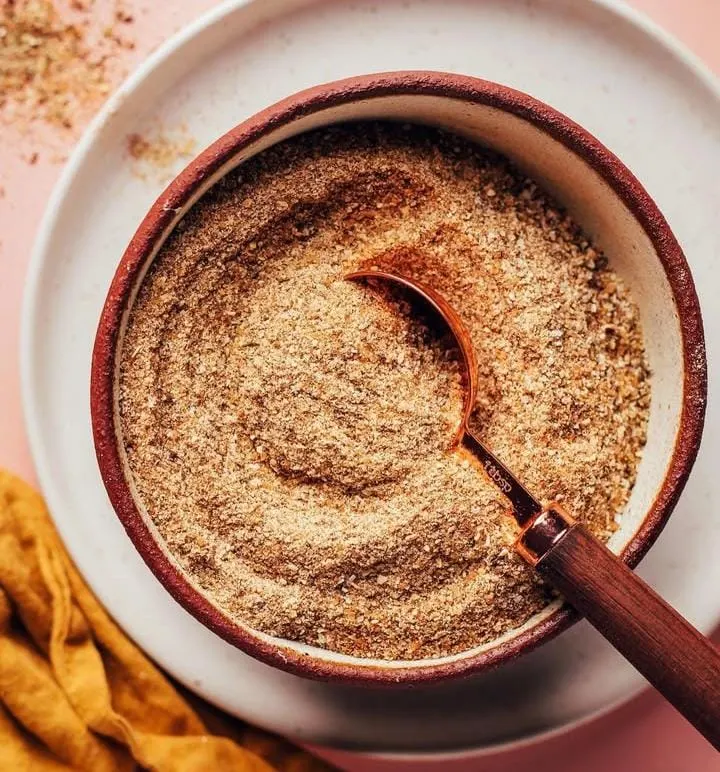
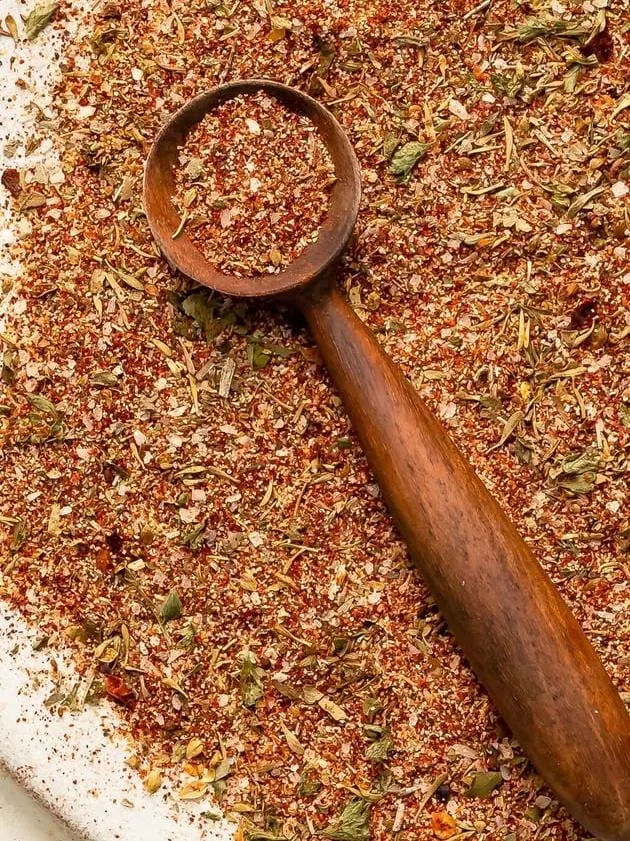
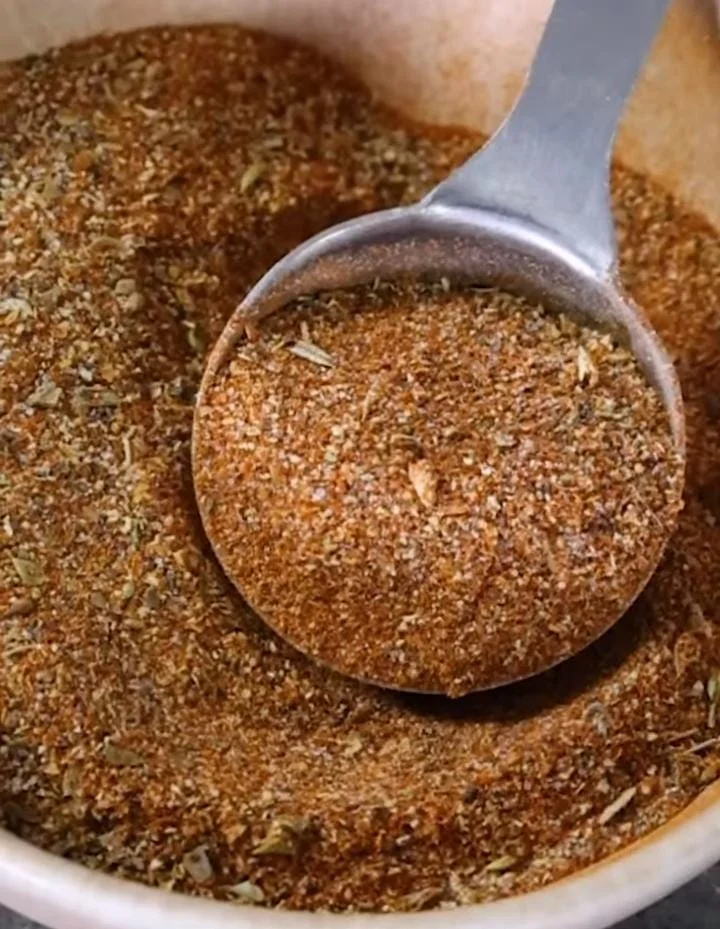
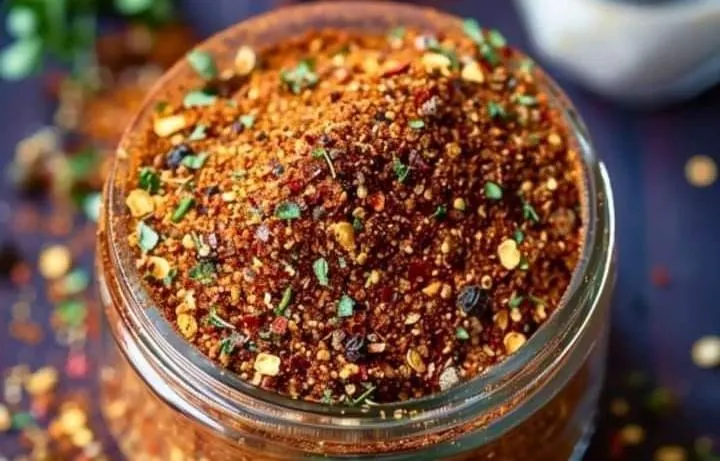
KFC’s famous spice mix is reported historically as an “11 herbs and spices” combination used to season the flour coating for the chain’s fried chicken. While the original proprietary formula is secret, the general profile is a balanced marriage of salt and savory aromatics (garlic, onion), bright peppery notes (white and black pepper), warm spices (ginger, maybe nutmeg or mace), and dried herbs (thyme, oregano, basil).
The seasoning appears mild at first, then delivers a layered savoriness and subtle warmth that complements the fried crust. In home cooking, a good copycat mix recreates that layered profile and can be used as a dry rub, mixed into dredge flour, or folded into batters.
Also read: Homemade Sweet and Spicy BBQ Seasoning Recipe

Nutritional Overview
A dry spice blend is mostly negligible calorie-wise but can contain a meaningful amount of sodium if you use salt liberally. The blend’s spices themselves (paprika, garlic powder, onion powder, mustard powder, ginger) contribute negligible macronutrients but supply antioxidants and phytonutrients.
For example, paprika provides carotenoids with antioxidant activity; garlic powder supplies organosulfur compounds and trace minerals; black pepper contains piperine which may help nutrient absorption. The primary nutritional concern when replicating a KFC-style meal is not the seasoning but the cooking method: deep frying increases fat and calories.
To make the meal healthier, choose lean cuts, adjust sodium in the blend, use alternate cooking methods like air-frying or baking with a light oil spray, and serve balanced sides.
Also read: Classic Creole Seasoning At Home

Main Ingredients and Exact Quantities (Makes ~1 cup seasoned flour mixture; dry spice blend component ~½ cup)
Below are precise quantities for both the dry seasoning blend and the seasoned dredge, so you can make a complete batch that’s ready to use for frying or baking.

Dry Spice Blend (the actual “11 herbs & spices” approximation) — yields about ¾ cup (approx. 95 g)
- Salt (fine sea or table salt) — 2 tablespoons (36 g)
- Ground white pepper — 1 tablespoon (8 g)
- Ground black pepper — 1 tablespoon (8 g)
- Paprika (sweet) — 2 tablespoons (14 g) — use smoked paprika for smoky nuance if desired.
- Garlic powder — 1 tablespoon (8 g)
- Onion powder — 1 tablespoon (8 g)
- Dried thyme — 1 teaspoon (1 g)
- Dried basil — 1 teaspoon (1 g)
- Dried oregano — 1 teaspoon (1 g)
- Mustard powder — 2 teaspoons (4 g)
- Ground ginger — ½ teaspoon (1 g)
- Ground sage — ½ teaspoon (0.5 g)
- Celery salt — 1 teaspoon (6 g) — optional, provides celery aroma plus salt
- Dried marjoram — ½ teaspoon (0.5 g) — optional, soft floral herb
Seasoned Dredge (combine with all-purpose flour for coating) — yields enough seasoned flour to coat about 6–10 pounds chicken
- All-purpose flour — 2 cups (240 g)
- Cornstarch — ¼ cup (30 g) — helps crisp the crust
- Eggs (for batter) — eggs are for wet batter, but not in the dry dredge; see usage section below
- Dry spice blend — use 3 to 4 tablespoons of the dry spice blend per cup of flour for a well-seasoned crust (so for 2 cups flour use 6 to 8 tablespoons of spice mix). For the quantities above, whisk the full dry blend into the flour mixture for a robust seasoned dredge.
When mixed, the seasoned dredge will weigh roughly 420–460 g total and produce a well-flavored coating for multiple batches of chicken.
How to Prepare Copycat KFC Seasoning

Measure spices precisely using measuring spoons and a small kitchen scale for best reproducibility. Toasting whole seeds or peppercorns briefly in a dry pan and then grinding yields brighter aromatics, but pre-ground spices work perfectly for convenience.
Place the salt, paprika, garlic powder, onion powder, white and black pepper, mustard powder, ground ginger, celery salt (if using), and the dried herbs (thyme, basil, oregano, sage, marjoram) into a bowl. Whisk thoroughly for two to three minutes until the mixture is homogeneous; a small sieve or sifter can help break up clumps and ensure an even mix.
Transfer the blended spices into an airtight jar. Label with the date and store in a cool, dry place away from direct sunlight. Ground spices remain most potent for about six months; herbs fade faster, so make small batches if you don’t cook fried chicken frequently.
When you need to use the seasoning as a dredge, combine the desired amount of the dry spice blend with your flour and cornstarch just before coating the chicken to ensure even distribution and fresh flavor. Keep plain flour on hand to refresh the coating during a long frying session.

How to Use the Seasoning: Dredge and Fry
Begin by prepping your chicken: trim excess fat and pat very dry with paper towels—dry exterior equals better crust adhesion and crisping. Many cooks brine the chicken for 30 minutes to a few hours in a light salt-sugar solution to improve moisture retention; if you brine, rinse briefly and pat dry. For a buttermilk-style batter, whisk 2 cups buttermilk with 2 large eggs and 1–2 tablespoons of the dry spice blend. This wet batter helps the seasoned flour adhere and tenderizes the meat.
Set up a three-station assembly line: (1) the seasoned dredge — mix 1 cup all-purpose flour + 2 tablespoons cornstarch + 1.5 to 2 tablespoons dry spice blend; (2) the wet batter; (3) the final seasoned flour bowl or a repeat dredge. Coat each chicken piece thoroughly in seasoned flour, dip into the wet batter, then dredge again in seasoned flour for a double-coated crust. Press gently so the coating adheres well. Let the coated pieces rest 10–15 minutes on a rack—this helps the crust set so it doesn’t fall off in hot oil.
Heat frying oil (peanut, refined avocado, or vegetable oil) to 350°F (175°C) in a deep fryer or heavy Dutch oven. Use a thermometer to maintain temperature; correct oil temperature is critical for crisp crust and proper cooking.
Fry in small batches to avoid crowding; bone-in dark meat pieces typically require 12–17 minutes, bone-in whites slightly less, and wings 8–10 minutes depending on size. Remove pieces to a wire rack set over a sheet pan—this prevents soggy bottoms and helps excess oil drip away. If baking or air-frying, place coated pieces on a wire rack, spray lightly with oil, and cook at 400–425°F (200–220°C) until internal temperature reaches 165°F (74°C) and crust is golden.
Healthy Habits and Serving Tips
Fried chicken is indulgent; small changes reduce fat and sodium without sacrificing flavor. Use the seasoned blend with less salt in the dry mix: drop salt to 1 tablespoon and strengthen herb and spice components to compensate. Try an oven-crisp method: coat as directed, place on a wire rack over a baking sheet, and bake at 425°F, turning once and finishing under the broiler briefly if needed to deepen color. Alternatively, an air fryer yields very crisp results with minimal oil—preheat to 400°F and cook in single layers with a light oil spray.
To balance the meal, serve modest chicken portions with vegetable-forward sides—steamed greens, roasted root vegetables, vinegar-based slaws, or a bean salad—to increase fiber and reduce the relative fat density of the plate. Consider skinless cuts or smaller portions for lighter meals. For sodium-sensitive diets, use low-sodium salt alternatives and pair the chicken with high-potassium vegetables that help manage sodium balance.
Variations
1) Spicy Nashville-Style Copycat

To turn this base into a Nashville-style, increase heat by adding 2 tablespoons cayenne pepper and 1 tablespoon smoked paprika into the dry mix. Stir more black pepper and a pinch of brown sugar to round the heat. After frying, brush wings or pieces with a warm cayenne butter glaze (melted butter, hot sauce, pinch of sugar) for glossy, spicy finish.
Serve with dill pickle chips and white bread to balance intense spice. For a lighter version, swap butter for olive oil in the glaze and use reduced cayenne while preserving the same bold flavor profile.
2) Gluten-Free Cornflake and Rice Flour Crust
Make the dredge gluten-free by substituting rice flour and potato starch for all-purpose flour and use crushed cornflakes for the outer crust. Mix the copycat spice blend into the rice flour, dip in egg wash or a dairy-free buttermilk substitute, then press the wet pieces into cornflake crumbs seasoned with extra blend. Bake or air fry for a crispy, GF-friendly crust.
This method keeps crunch without wheat; ensure cornflakes are certified gluten-free. Serve with a lemon-herb yogurt dip or a light vinaigrette slaw for tang that contrasts the crunchy coating.

3) Herb-Roasted Whole Chicken Rub (Oven Option)
Adapt the blend to roast whole birds by reducing salt and increasing dried herb percentages—double thyme and oregano and add lemon zest. Rub under the skin with olive oil and the seasoning, roast at 425°F until skin crisps and internal temperature reaches 165°F. The herbs penetrate while the high heat renders skin crisp without deep frying.
This technique drops oil usage and yields succulent meat. Baste once or twice and rest the chicken 10–15 minutes before carving for juiciness.
4) Low-Sodium Mediterranean Twist
Lower the salt to 1 tablespoon and amplify citrus and herb notes by adding 1 tablespoon dried lemon zest, 1 teaspoon dried rosemary, and ½ teaspoon sumac to the blend. Use the mix on grilled chicken skewers or baked tenders for bold, bright flavor with less sodium. Sumac offers tartness that mimics the brightness of salt when used in moderation.
Pair with whole-grain side dishes and a cucumber-tomato salad for a heart-healthy Mediterranean plate. This variation keeps the crunchy feel if baked or air-fried while reducing sodium impact.
5) Sweet-Savory Honey-Glazed Wings Variation
For sticky-sweet wings, use the base seasoned dredge but finish cooked wings by tossing in a warm glaze: 3 tablespoons honey, 1 tablespoon soy sauce, 1 teaspoon apple cider vinegar, and a pinch of cayenne. Brush the glaze on warm wings and return to the oven or broiler for a minute to set the glaze; the spice blend underneath provides savory contrast.
Serve with sesame and scallions for presentation. To cut sugar, substitute a sugar-free syrup or reduce honey to 1 tablespoon and add more vinegar and chili to maintain complexity.
Tips, Troubleshooting, and Storage
Keep oil temperature steady; too low and the crust absorbs oil and becomes greasy, too high and exterior burns before the interior cooks. Invest in an accurate candy/deep-fry thermometer and adjust heat as you fry. If the coating falls off, it usually means inadequate adhesion—press flour into chicken, allow rest to set crust, and use a wet binder such as buttermilk or eggs to help the flour stick. If crust is uneven, ensure pieces are evenly sized and the dredge is fresh.
Store unused dry seasoning in an airtight jar in a cool, dark pantry for up to six months. The seasoned flour dredge (if pre-mixed with flour) can be stored similarly for a few weeks but will lose potency more quickly; for best results, mix spices into flour just before cooking. Leftover fried chicken keeps 2–3 days refrigerated; re-crisp in a hot oven on a wire rack rather than microwaving.
Final Thoughts
A well-balanced homemade copycat KFC seasoning gives you control, freshness, and the joy of recreating an iconic flavor at home. Whether you prefer the exact fried authenticity, a healthier oven or air-fry method, or variations like Nashville heat or a gluten-free crust, the seasoning is the foundation. Tweak herbs, reduce salt, and pair the chicken with abundant vegetables for a balanced meal that still delivers the comforting crunch and savory depth you crave. Keep the mix on hand and you’ll have a quick route to flavorful chicken for family dinners and gatherings.