Ultimate Homemade French Fry Seasoning: Crispy, Flavor-Packed DIY Spice Blend
French fry seasoning is a concentrated spice blend designed specifically to elevate potatoes — from classic deep-fried fries and oven-baked wedges to air-fryer fries, roasted sweet potato sticks, and even crispy veggie fries. Rather than relying on plain salt or prepackaged mixes that often contain anti-caking agents, preservatives, and excess sodium, a homemade French fry seasoning gives you complete control over flavor and salt level while delivering a restaurant-style finish.
On Pinterest and food platforms, searches for “DIY fry seasoning,” “homemade seasoned salt,” “air fryer seasoning,” and “low sodium fry rub” have surged as home cooks chase bolder flavors and cleaner ingredient lists.

A great fry seasoning balances savory, smoky, sweet, and pungent elements: coarse or fine salt for flavor enhancement; smoked paprika for warmth and that subtly grilled aroma; garlic and onion powders for savory depth; a little sugar or smoked chipotle for contrast; and optional herbs for fresh, bright lifts. The goal is an immediately appealing mix that clings to hot, oil-kissed surfaces and melts into the potato’s crisp crust. This mix is also versatile — it transforms fries, roasted potatoes, popcorn, roasted nuts, grilled vegetables, and even air-popped chips into craveable snacks.
Making your own blend is fast and economical. You’ll get a large jar of seasoning that lasts for months, and you can fine-tune heat level, smokiness, and saltiness to match dietary needs or flavor preferences.
Also read: Homemade Taco Seasoning Recipe
Nutritional Overview: What’s in a Pinch of French Fry Seasoning

A spice blend like French fry seasoning is typically used in small amounts, so its direct nutritional impact per serving (a 1/4-teaspoon sprinkle) is minimal—most calories and macronutrients come from the fries themselves (potatoes and oil). However, the composition of the seasoning matters for sodium, added sugar, and any allergenic spices. Below is an example nutritional snapshot for 1 teaspoon (approx. 4 grams) of a standard homemade blend (based on the recipe that will follow in Part 2):
- Calories: ~10 kcal
- Total Fat: 0 g
- Carbohydrates: ~2 g (mostly from paprika or small amounts of sugar)
- Protein: 0.3 g
- Fiber: 0.5 g (from dried spices)
- Sodium: ~400–600 mg (depending on salt choice and whether salt is included)
- Sugars: ~0.5 g (if a small amount of sugar is used)

Key nutritional considerations:
- Sodium control: The largest nutritional concern with seasoned fries is sodium. Commercial blends and restaurant fries often deliver 800–1,200 mg sodium per serving. A homemade blend can reduce sodium substantially by using half the salt and amplifying flavor with smoked paprika, garlic powder, herbs, and a touch of acid (lemon zest or citric acid). Alternatively, make a no-salt version using potassium chloride sparingly or relying entirely on herbs and umami powders like nutritional yeast.
- Antioxidant and anti-inflammatory compounds: Many spices in the blend—paprika, turmeric (optional), black pepper—contain antioxidants and phytochemicals. Smoked paprika, for instance, provides carotenoids; turmeric contributes curcumin (if used sparingly for color and health benefits); garlic powder contains allicin precursors; and black pepper improves nutrient absorption.
- Caloric impact: Because the seasoning is used in small quantities, calories are negligible compared to the oil and potato. You can minimize the overall calorie footprint by air-frying or oven-roasting fries rather than deep-frying, and by using oil sprays or measured oil rather than freepours.
When paired with healthier cooking methods (air frying, roasting with minimal oil), a homemade seasoning helps you enjoy crisp, flavorful fries with fewer hidden additives and better alignment with heart-healthy or weight-conscious plans. The real nutritional power is in how you cook and portion the fries—seasoning should enhance flavor so you can eat less while feeling more satisfied.
How People Use French Fry Seasoning (Practical Notes)
- Timing: Apply seasoning immediately after frying or roasting while the fries are hot and slightly oily; the fat helps the spices adhere and bloom. For baked fries, toss in a small amount of warm oil first, then sprinkle seasoning and gently toss again.
- Textures: Use coarser salt or flaky sea salt for finishing to provide an enjoyable crunch; use finer granulated salt inside the mix if you plan to coat before cooking.
- Versatility: Beyond fries, the same mix elevates roasted vegetables (carrots, parsnips, brussels sprouts), air-fried tofu, popcorn, avocado wedges, or grilled corn. A tablespoon mixed into 1 cup plain Greek yogurt makes a savory dip or sauce.
- Allergen and diet notes: The base spices are naturally gluten-free and dairy-free; if you add powdered cheese or buttermilk powder for a “cheesy” version, label it accordingly.
Main Ingredients (with Exact Quantities and Total Recipe Yield)

This homemade French Fry Seasoning recipe yields 1 cup (approximately 128 grams) of seasoning mix. This quantity is enough to season about 10–12 pounds (4.5–5.5 kg) of fries, depending on how heavily you coat them. The recipe can easily be halved or doubled.
Ingredient List
- 4 tablespoons (36 g) fine sea salt or kosher salt – the core flavor enhancer
- 2 tablespoons (16 g) smoked paprika – for color, aroma, and depth
- 1 tablespoon (10 g) garlic powder – for savory umami balance
- 1 tablespoon (10 g) onion powder – adds sweetness and depth
- 2 teaspoons (5 g) ground black pepper – brings mild heat and aroma
- 2 teaspoons (4 g) white sugar or coconut sugar – balances acidity and sharpness
- 1 teaspoon (2 g) dried oregano – a herbal note that lightens the blend
- 1 teaspoon (2 g) dried parsley flakes – for color and freshness
- 1 teaspoon (3 g) cayenne pepper (optional) – for a subtle kick of spice
- ½ teaspoon (1 g) chili powder or chipotle powder – smoky heat, restaurant-style
- ½ teaspoon (1 g) turmeric powder (optional) – enhances color and provides antioxidants
Total Yield: 1 cup (128 g) of seasoning blend
Shelf Life: Up to 6 months when stored properly in an airtight container away from light and humidity.
Ingredient Breakdown: What Each One Does and Why It Matters

Sea Salt or Kosher Salt
Salt is the backbone of any seasoning. It enhances natural flavors and triggers the taste buds to perceive all other spices more vividly. Fine sea salt adheres better to fries than coarse salt, making it ideal for even seasoning distribution. If you prefer a more textured look, use a 50/50 mix of fine and coarse salt.
Smoked Paprika
Smoked paprika brings the defining depth to this blend—warm, smoky, and visually vibrant. It gives fries that reddish hue reminiscent of restaurant-seasoned wedges. Paprika also contains natural antioxidants and mild sweetness, which balance the saltiness and bitterness from other spices.
Garlic Powder
Garlic powder adds immediate umami and savory complexity. It infuses fries with that satisfying “comfort food” flavor found in seasoned fast-food fries without requiring real garlic. Its powder form ensures even distribution without clumping.
Onion Powder
Onion powder complements garlic by adding subtle sweetness and a rounded savory body. It’s crucial for balancing sharper spices like cayenne and black pepper. When used together, garlic and onion form the flavor foundation of nearly every beloved fry seasoning.
Black Pepper
Black pepper delivers a gentle heat and aromatic sharpness. It activates the warmth of paprika and supports the savory character. Freshly ground pepper is best because pre-ground versions lose potency quickly; however, finely ground black pepper blends more evenly with salt-based mixes.
Sugar (White or Coconut)
A pinch of sugar may sound unexpected, but it balances acidity and enhances browning when applied before baking or frying. Sugar caramelizes on the surface, helping spices stick while providing subtle depth. Coconut sugar adds a more natural molasses undertone and keeps the blend slightly lower in glycemic index.
Oregano and Parsley
Oregano contributes Mediterranean brightness and herbal aroma, while parsley lightens the visual color. Both herbs prevent the seasoning from tasting too heavy or smoky and introduce a fresh aftertaste that pairs beautifully with potatoes.
Cayenne Pepper and Chili Powder
For those who enjoy a slight kick, cayenne adds fast-acting spice while chili powder or chipotle powder brings earthy, smoky undertones. Together, they turn ordinary fries into something bold and addictive. Adjust according to spice tolerance—this blend is balanced at mild-to-medium heat.
Turmeric Powder
Used mainly for color and a mild earthy undertone, turmeric deepens the golden hue of fries and boosts antioxidant value. Only a small amount is needed, as too much can overpower other flavors.
How to Prepare: Step-by-Step

Step 1: Mix the Seasoning
Start by measuring each dry ingredient precisely. Add all spices and herbs into a medium-sized mixing bowl. Using a whisk or fork, stir thoroughly for one to two minutes until all the powders are evenly combined. This step ensures that salt and fine powders like paprika or turmeric are distributed consistently. If any clumps form (especially from onion or garlic powder), press them gently with the back of a spoon.
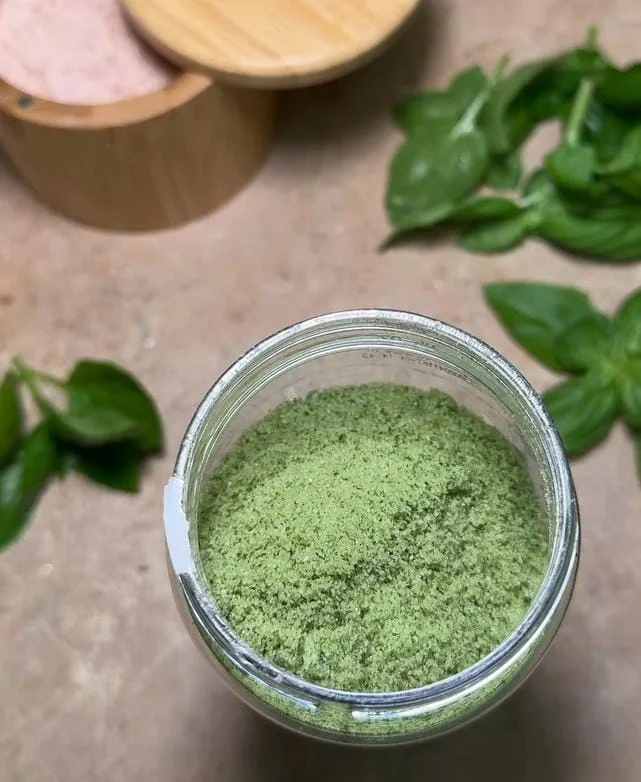
For an ultra-smooth consistency, you can pulse the mixture in a food processor for 10–15 seconds. This optional step helps powders blend uniformly and creates a fine texture that clings well to fries. Once fully mixed, transfer the seasoning to a clean, airtight glass jar or spice shaker.
Step 2: Label and Store Properly
Label the jar with the name “French Fry Seasoning” and the date prepared. Store it in a cool, dry place away from direct sunlight—your pantry or a spice rack cabinet works best. Keep the lid tightly sealed after each use to preserve freshness and prevent clumping from humidity. When stored properly, the seasoning retains its flavor for up to six months.
Step 3: Prepare Your Fries
Cook your fries using your preferred method: deep-fried, oven-baked, or air-fried. For the healthiest option, air-frying is ideal, while deep-frying gives maximum crispiness. No matter which method you choose, make sure fries are hot and lightly coated in oil before seasoning—heat and moisture help spices adhere and activate their aromas.
Step 4: Apply the Seasoning
For deep-fried fries, drain briefly on paper towels after cooking, then immediately toss them in a large bowl with 1–2 teaspoons of seasoning per pound of fries. Shake or toss to coat evenly.
For oven-baked fries, sprinkle the seasoning right after removing them from the oven. Toss gently using tongs or a spatula to avoid breaking them.
For air fryer fries, open the basket as soon as the cycle ends and toss with a small drizzle of oil before adding the seasoning—this ensures even coverage.
Step 5: Taste and Adjust
Taste a few fries first to evaluate salt and spice levels. If desired, add an extra pinch for intensity or reduce it next time for a lighter flavor. Over time, you can customize your blend—more paprika for color, extra herbs for freshness, or additional pepper for bolder heat.
Step 6: Optional Enhancements
Before serving, add finishing touches for professional flair:
- A small sprinkle of flaky sea salt for crunch
- A light dusting of grated Parmesan or nutritional yeast for umami richness
- A drizzle of lemon juice or vinegar mist to heighten flavor contrast
Your homemade French fry seasoning is now ready to use, store, and adapt for any potato dish.
Healthy Habits: How to Enjoy Fries the Smart Way
Homemade French fry seasoning offers the chance to transform a typically indulgent food into something more balanced and mindful. The key is not to eliminate fries entirely but to make small changes that reduce fat and sodium while boosting satisfaction. For instance, air-frying or oven-roasting fries at high heat with a thin layer of oil yields crisp texture and deep flavor without the excess calories from deep-frying. By making your own seasoning blend, you avoid additives, preservatives, and heavy salt loads found in commercial mixes.
Another healthy habit is portion awareness. Serve fries as a side dish, not the centerpiece, and pair them with protein-rich or high-fiber foods like grilled chicken, beans, or a salad. The complex carbohydrates from potatoes, balanced with fiber and protein, keep you full longer. If you crave dipping sauces, opt for Greek yogurt-based dips or homemade ketchup sweetened with a touch of honey instead of sugar. Even when enjoying comfort foods, balance is everything—seasoning helps deliver flavor intensity, so you can enjoy less volume without feeling deprived.
To further boost nutrition, try baking or air-frying fries with their skins on. Potato skins provide fiber, potassium, and antioxidants. When combined with your homemade seasoning, you’ll get that familiar crispiness and flavor but with added health benefits. Finally, keep hydration and activity in mind—salt and spices can increase thirst, so pairing fries with water or unsweetened beverages is a simple but effective wellness habit.
Flavor Variations: Creative Twists on the Classic Blend
1. Garlic Parmesan Herb Seasoning
To make this restaurant-style variation, mix your base blend with 3 tablespoons of finely grated Parmesan cheese and an extra teaspoon of garlic powder. After frying or baking, toss fries in the mix while still hot so the cheese melts slightly and coats the surface. The result is savory, aromatic, and indulgent—perfect for Italian-inspired meals or game-day snacks.
For a healthier twist, replace Parmesan with nutritional yeast to maintain the cheesy flavor while keeping it vegan and lower in fat. Add extra dried basil or rosemary for freshness. This variation pairs perfectly with marinara sauce or aioli for dipping.
2. Spicy Cajun Fry Seasoning
For those who love heat, blend 1 tablespoon paprika, 1 tablespoon cayenne, 1 teaspoon black pepper, and 1 teaspoon dried thyme into your base mix. This Cajun-inspired version brings deep Southern flavor with smoky spice and an herby finish. It’s excellent on both fries and grilled vegetables.
To make it milder, reduce cayenne and balance with a pinch of brown sugar. Serve these fries with cooling ranch or lime yogurt dip. The Cajun variation is one of the most pinned seasoning styles on Pinterest because it adds bold color and fiery personality to even simple side dishes.
3. Lemon Pepper Seasoning
For a bright, zesty twist, replace smoked paprika with 1 tablespoon lemon zest (dried or fresh) and double the black pepper. Add ½ teaspoon citric acid or a few drops of lemon essential oil (food grade) for tang. This variation gives fries a sharp, refreshing kick that cuts through richness beautifully.
It’s perfect for seafood pairings or summer barbecues. The acidity enhances flavor while letting you use less salt. Lemon pepper fries also pair wonderfully with herb aioli or light vinaigrettes, offering a sophisticated flavor without heaviness.
4. Sweet & Smoky BBQ Seasoning
To achieve the flavor of barbecue fries, mix 2 tablespoons brown sugar, 1 tablespoon smoked paprika, ½ teaspoon mustard powder, and a touch of chili powder into your base blend. The brown sugar caramelizes slightly when fries are hot, creating a crisp, smoky-sweet crust.
For a refined touch, you can use coconut sugar instead of brown sugar for a deeper molasses tone. These fries complement grilled meats, veggie burgers, or coleslaw perfectly. The smoky-sweet balance also appeals to kids, making it a versatile family favorite.
5. Herbed Mediterranean Blend
For this fragrant option, add 1 teaspoon each of dried rosemary, thyme, and oregano to your base mix, and replace chili powder with sumac or a hint of coriander. This creates a bright, herby, and slightly citrus-forward seasoning that turns fries into a gourmet side.
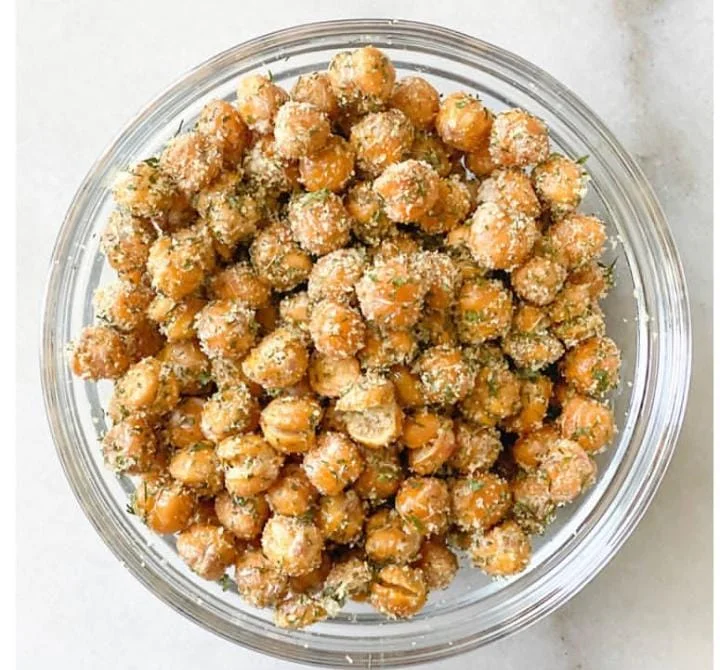
Use this on roasted sweet potatoes, zucchini fries, or even chickpeas. The Mediterranean version aligns with heart-healthy eating trends thanks to its emphasis on herbs, minimal salt, and anti-inflammatory spices. Serve alongside hummus, tzatziki, or olive tapenade for a full Mediterranean experience.
Serving and Storage Tips
Once your seasoning is made, store it in a glass jar with a tight-fitting lid. Keep it in a cool, dry, dark place such as a pantry or spice rack. Avoid humidity, as moisture causes clumping and dulls the vibrancy of spices. Properly stored, the mix stays fresh for six months, though flavor is strongest in the first three. If you live in a humid environment, you can place a small food-safe silica packet or a few grains of uncooked rice inside the jar to absorb moisture.
When seasoning fries, remember that a little goes a long way. Start with 1–2 teaspoons per pound of potatoes and adjust based on preference. Use freshly cooked, hot fries to help the seasoning adhere. This mix also works beautifully as a dry rub for roasted chicken, baked fish, popcorn, or vegetables. For quick flavor upgrades, sprinkle a pinch on scrambled eggs, roasted corn, or avocado toast.
Conclusion: Homemade Flavor, Total Control, Endless Possibilities
Making your own French fry seasoning isn’t just about flavor—it’s about control, creativity, and wellness. With basic pantry spices, you can replicate the irresistible taste of restaurant fries while cutting down on sodium and additives. Each ingredient serves a purpose: salt enhances, paprika adds warmth, garlic and onion bring savoriness, and herbs refresh the palate. The blend transforms even simple baked potatoes into a culinary experience.
Beyond fries, this versatile seasoning embodies the spirit of home cooking—customizable, cost-effective, and endlessly adaptable. You can tailor it to your mood: bold Cajun heat for excitement, herby Mediterranean freshness for balance, or lemon pepper brightness for elegance. Homemade seasoning helps you reconnect with real flavor while respecting your health and budget.
In every sprinkle, you get more than taste—you get control over what you eat and how you enjoy it. From air-fried sides to gourmet-style snacks, this French fry seasoning elevates everyday food into something memorable. Once you master this blend, you’ll never reach for store-bought again.