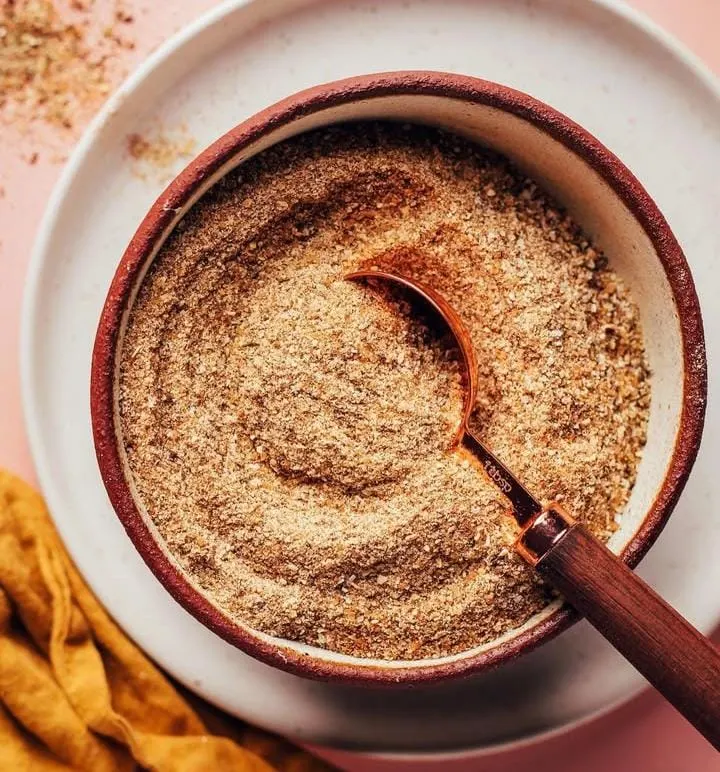
Homemade Fajita Seasoning Recipe | Easy DIY Mexican Spice Blend for Chicken, Shrimp, and Veggies
Fajita seasoning is a flavorful spice blend rooted in Tex-Mex and Mexican-inspired cooking, known for its bold balance of smoky, savory, and slightly spicy notes. It transforms simple proteins like chicken, beef, or shrimp into sizzling fajitas bursting with authentic taste. Beyond fajitas, this seasoning is versatile—it can be sprinkled over roasted vegetables, stirred into rice, or even used as a dry rub for grilling.
While pre-packaged seasoning packets are widely available, making fajita seasoning at home offers major advantages. You gain full control over freshness, sodium levels, and flavor balance. Store-bought blends often contain anti-caking agents, preservatives, or excess salt, which dilute the natural spice profile. Homemade seasoning, on the other hand, uses pure, high-quality spices and can be customized to suit your preference for heat or smokiness.
This article explores everything you need to know about preparing your own fajita seasoning. You’ll discover the exact ingredients, their quantities, detailed explanations of their roles, and a simple preparation process. We’ll also dive into multiple variations—spicy, smoky, citrus-infused, and even low-sodium versions. By the end, you’ll have a spice mix that not only enhances fajitas but becomes a staple in your pantry for everyday cooking.

Also read: Sheet Pan Chicken Fajitas
Main Ingredients of Homemade Fajita Seasoning

Chili Powder (2 tablespoons)
Chili powder is the foundation of fajita seasoning, providing deep color, mild heat, and earthy flavor. It’s not overly spicy, but it sets the stage for warmth and complexity. Two tablespoons strike a balance between heat and flavor without overwhelming the other spices.
Paprika (2 tablespoons)
Paprika adds smokiness and a vibrant red color. Depending on preference, you can use sweet paprika, smoked paprika, or hot paprika. For a classic fajita profile, smoked paprika is best. Two tablespoons ensure the seasoning has that signature smoky edge.
Ground Cumin (1 tablespoon)
Cumin contributes an earthy, nutty depth with a hint of citrus. It’s a traditional spice in Mexican cooking and helps unify the flavor blend. One tablespoon provides balance without dominating the mix.
Garlic Powder (1 tablespoon)
Garlic powder delivers savory richness that enhances every bite. Fresh garlic doesn’t work well in dry blends, so the powdered form ensures the seasoning remains shelf-stable. Use one tablespoon for a noticeable but not overpowering flavor.

Onion Powder (1 tablespoon)
Onion powder complements garlic powder and adds a subtle sweetness. It builds the savory backbone of the blend. One tablespoon gives the seasoning body and aroma.
Dried Oregano (2 teaspoons)
Oregano introduces a herbal, slightly peppery note that cuts through the heaviness of chili and cumin. Two teaspoons are enough to brighten the blend without overshadowing the bolder spices.
Crushed Red Pepper Flakes (1 teaspoon)
For a touch of heat, crushed red pepper flakes work perfectly. They bring warmth without making the seasoning overwhelmingly spicy. One teaspoon adds a pleasant kick while keeping the blend versatile.
Salt (2 teaspoons)
Salt enhances flavor and ties the blend together. By adding it at home, you avoid the excessive sodium found in commercial packets. Two teaspoons is a good starting point, though you can adjust to taste.
Black Pepper (1 teaspoon)
Black pepper provides sharpness and balances the warmth of chili powder. One teaspoon ensures a mild peppery bite.
Optional: Brown Sugar (1 teaspoon)
Brown sugar is not always traditional but can add a subtle sweetness that balances spice and smokiness. One teaspoon is optional but recommended for those who enjoy slightly sweet undertones.

Total Recipe Quantity
When combined, these ingredients yield about ¾ cup (roughly 12 tablespoons) of seasoning mix. This quantity is enough to season 2–3 pounds of protein or about 6–8 servings of fajitas. Stored properly in an airtight jar, the seasoning remains fresh for up to 6 months.
Step-by-Step Preparation of Homemade Fajita Seasoning

Step 1: Measure Out the Spices
Begin by measuring all the spices carefully. Precise measurements maintain balance, ensuring chili, cumin, and paprika don’t overwhelm the subtler notes of oregano and onion powder. Place each spice in small bowls or directly into a mixing bowl.
Step 2: Combine Thoroughly
Add all the spices to a medium-sized mixing bowl. Using a whisk or spoon, stir until the mixture is evenly blended. Be sure no clumps remain, especially from garlic or onion powder. A uniform mix guarantees consistent flavor with every scoop.
Step 3: Store Properly
Transfer the finished seasoning into an airtight glass jar or spice container. Label it with the name and date to keep track of freshness. Store in a cool, dark pantry away from moisture and direct sunlight.

Step 4: How to Use
For fajitas, use about 1–2 tablespoons of seasoning per pound of meat or vegetables. Mix with olive oil and lime juice to create a marinade, or sprinkle directly while cooking. The seasoning works beautifully for chicken, steak, shrimp, and even roasted peppers and onions.
Step 5: Refresh as Needed
After about six months, spices begin to lose potency. Make smaller batches if you don’t use seasoning often. Freshness is the key to bold flavor.
Variations of Homemade Fajita Seasoning
Spicy Fajita Seasoning

For those who love extra heat, increase the crushed red pepper flakes from 1 teaspoon to 2 teaspoons and add ½ teaspoon of cayenne pepper. This variation creates a fiery blend that energizes fajitas and adds a bold kick to grilled meats. Perfect for spice enthusiasts who want a little sweat on their brow.
This spicy version isn’t just for fajitas—it also enhances chili, tacos, or roasted chickpeas for a snack with a punch. By adjusting heat to taste, you control the spice level while keeping the smoky base intact. Pair with cooling toppings like sour cream or avocado for balance.
Smoky Fajita Seasoning
To highlight smokiness, substitute the regular paprika with 2 tablespoons of smoked paprika and add ½ teaspoon of chipotle powder. This creates a deeper, campfire-like flavor that pairs beautifully with grilled steak and charred vegetables.
The smoky version brings outdoor barbecue vibes to weeknight dinners. It’s particularly delicious with beef fajitas, where the richness of meat matches the bold smokiness. For vegetarians, roasted mushrooms seasoned with this blend mimic the same depth.

Citrus-Infused Fajita Seasoning
Add brightness by mixing in 1 teaspoon of dried lime zest or lemon zest with the blend. The citrus lifts the flavor, making fajitas taste fresher and lighter. This variation is excellent for shrimp or chicken fajitas, where citrus complements tender proteins.
Beyond fajitas, citrus-infused seasoning is wonderful sprinkled over grilled fish or roasted vegetables. It balances the smokiness of paprika with a zesty top note, creating a well-rounded flavor that feels refreshing and summery.

Low-Sodium Fajita Seasoning
For those monitoring sodium intake, reduce salt from 2 teaspoons to ½ teaspoon or eliminate it completely. The other spices provide plenty of boldness, and salt can always be added at the table if needed.
This version makes the blend healthier without compromising taste. It’s great for anyone following heart-healthy diets or looking to cut processed sodium. Use it in the same way as the original—marinades, rubs, or veggie roasts—but enjoy knowing it’s better for everyday use.
Sweet and Smoky Fajita Seasoning
Balance heat and smokiness with a touch of sweetness. Use 1 tablespoon of brown sugar instead of 1 teaspoon, combined with smoked paprika. The sugar caramelizes slightly when cooked, adding depth to sizzling fajitas.
This version is especially tasty with pork or roasted sweet potatoes. The sweet and smoky notes make it versatile for fall-inspired meals, lending complexity to dishes while remaining approachable for all palates.
Health Benefits of Homemade Fajita Seasoning
Homemade fajita seasoning isn’t just about bold Tex-Mex flavor — it also offers health benefits when made with fresh, high-quality spices. Unlike store-bought packets loaded with preservatives, artificial flavors, and excess sodium, this DIY version gives you control over ingredients while adding natural nutrients and antioxidants to your meals. Here are some of the key health benefits of the spices used:
1. Rich in Antioxidants
Spices like chili powder, paprika, and oregano are loaded with antioxidants that fight free radicals in the body. Antioxidants may help reduce inflammation, lower the risk of chronic diseases, and support overall cellular health.
2. Supports Digestion
Cumin, garlic powder, and onion powder are known for their digestive benefits. Cumin, in particular, can stimulate the release of digestive enzymes, which makes it easier for your body to process food. Garlic and onion also support gut health and promote a healthy balance of bacteria.
3. Boosts Immunity
Garlic powder and oregano contain natural antimicrobial and antibacterial compounds. These ingredients strengthen the immune system and may help the body resist infections. Paprika, rich in vitamin A and carotenoids, also plays a role in supporting immune function.
4. Promotes Heart Health
Homemade seasoning allows you to reduce or omit excess salt, which is beneficial for blood pressure control and cardiovascular health. Black pepper and chili powder may also support circulation and heart health by promoting blood vessel flexibility.
5. Anti-Inflammatory Properties
Many of the spices, particularly paprika, cumin, and chili powder, contain natural compounds that may help reduce inflammation in the body. Chronic inflammation is linked to numerous health issues, so incorporating anti-inflammatory spices into your diet is a simple, natural way to support wellness.
6. Weight Management Support
Chili powder and red pepper flakes contain capsaicin, a compound that can boost metabolism and promote fat oxidation. This makes fajita seasoning a helpful addition to meals if you’re looking to maintain a healthy weight while still enjoying flavorful dishes.
7. All-Natural and Customizable
Perhaps the biggest health benefit of homemade seasoning is the absence of additives and preservatives. You can adjust salt, heat, and sweetness to match your dietary needs, whether you’re following a low-sodium diet, reducing sugar, or looking for gluten-free seasonings.
Conclusion: Why Homemade Fajita Seasoning Belongs in Every Kitchen
Homemade fajita seasoning is more than a shortcut to flavorful fajitas—it’s a customizable, multipurpose spice blend that elevates countless dishes. By combining pantry staples like chili powder, cumin, garlic powder, and paprika, you can craft a seasoning free from preservatives, excess sodium, and artificial flavors.
The process is quick, the ingredients are affordable, and the result is fresher and more vibrant than anything store-bought. From spicy to smoky to citrusy variations, this blend adapts to every taste preference. It’s the kind of recipe you’ll make once and then keep stocked forever.
Next time you crave sizzling fajitas or want to add bold Tex-Mex flair to weeknight meals, reach for your homemade seasoning. A few spoonfuls will transform ordinary chicken, beef, shrimp, or vegetables into a restaurant-worthy experience. Homemade fajita seasoning isn’t just about flavor—it’s about control, creativity, and the joy of cooking with authenticity.