Udon Noodle Stir-Fry: Vibrant Sesame-Garlic Udon with Veggies (Easy Pinterest-Friendly Recipe)
Udon noodle stir-fry is a comforting, quick, and versatile dish that brings together chewy Japanese wheat noodles with a medley of colorful vegetables and savory-sweet sauce. This recipe is inspired by classic East Asian flavors but adapted for home cooks seeking a fast, nourishing meal.
In this article you will learn what udon noodles are, the nutritional highlights, the full list of ingredients with precise quantities, and a step-by-step preparation method presented in clear subheadings. I’ll also share practical tips for texture, healthy habit swaps, multiple tasty variations, storage and reheating guidance, troubleshooting advice, and plating suggestions so you can make this dish confidently at home.
Also try: 20 Flavor-Packed Drunken Noodles Recipes

What Are Udon Noodles?
Udon are thick, chewy wheat flour noodles originating from Japan. They have a pleasantly bouncy texture that holds up well in stir-fries and soups. Fresh udon are soft and slightly elastic, while dried udon are firmer until cooked.
Their neutral taste makes them an excellent canvas for bold sauces like sesame-garlic, soy-ginger, or spicy chili oil. Because they absorb flavors without losing their texture, udon are popular in quick hot pans and in broth-based bowls. Their shape and density help them cling to savory glazes, making them especially satisfying in a stir-fry.
Nutritional Highlights

Udon noodles provide primarily carbohydrates, making them an energy-dense base for meals. Depending on serving size and added ingredients, the dish can be balanced with protein from tofu, chicken, shrimp, or eggs, and healthy fats from sesame oil.
Vegetables contribute fiber, vitamins, and minerals: bell peppers supply vitamin C, leafy greens add vitamin K and folate, carrots bring beta-carotene, and mushrooms add B vitamins and umami. Using moderate sodium sauces and adding fresh aromatics increases flavor without excessive salt. When combined thoughtfully, udon stir-fry can be a balanced, nutrient-rich weeknight dinner.
Main Ingredients — Full Explanation and Role

Below I describe each ingredient, why it’s used, and how it contributes to the dish.
Udon noodles (400 g fresh or 300 g dried)
Udon are the primary carbohydrate and texture carrier. Fresh udon cook quickly—usually 1–3 minutes—while dried varieties need longer. Quantity: this recipe uses 400 grams of fresh udon or 300 grams dried, which yields about four generous servings. Choose pre-cooked chilled udon for convenience or dried if you want longer storage. If you substitute, remember that rice noodles or konjac noodles will change texture and cooking time.
Protein: chicken breast or firm tofu (300 g)
Protein keeps the meal satiating. Use 300 grams boneless skinless chicken breast, thinly sliced, or 300 grams firm tofu, pressed and cubed. Chicken gives a meaty texture and additional iron; tofu makes the dish vegetarian and absorbs the sauce. If using shrimp, use 350 grams peeled and deveined. The amount ensures roughly 20–35 g protein per serving depending on the choice.
Mixed vegetables (total 450 g)
A colorful mix boosts nutrition and visual appeal. Use:
- Bell pepper, sliced — 120 g
- Carrot, julienned — 100 g
- Broccoli florets — 100 g
- Snow peas or snap peas — 80 g
- Mushrooms, sliced — 50 g
These add fiber, vitamins, and texture contrast. Quantities sum to 450 g. Choose vegetables with varied textures for an appealing mouthfeel and color balance.
Aromatics: garlic and ginger
- Garlic, minced — 4 cloves (about 12 g)
- Fresh ginger, minced — 2 tablespoons (about 12 g)
Aromatics create the savory backbone. Ginger adds brightness and digestive benefits; garlic brings depth and aroma. Add them early in the stir-fry to bloom their flavors but watch carefully to avoid burning.
Green onions and cilantro
- Green onions, sliced — 3 stalks (about 45 g)
- Fresh cilantro, chopped — 10 g (optional)
Green onions add a mild onion brightness at finish; cilantro adds a fresh herbal lift when used sparingly. Reserve the green parts of the onions for garnish to retain color and crunch.
Sauces and flavorings — precise quantities
- Soy sauce (or tamari for gluten-free) — 60 ml (4 tablespoons)
- Oyster sauce (or hoisin for vegetarian) — 30 ml (2 tablespoons)
- Sesame oil — 15 ml (1 tablespoon)
- Mirin or rice wine — 15 ml (1 tablespoon)
- Rice vinegar — 10 ml (2 teaspoons)
- Brown sugar or honey — 15 g (1 tablespoon)
- Chili paste or sriracha — 10–15 g (1 tablespoon) optional for heat
These combine to create a balanced sweet-salty-savory-sour profile. Adjust the chili to preference. The combined sauces produce a glossy, clingy coating for noodles and vegetables.
Cornstarch slurry
- Cornstarch — 10 g (1 tablespoon)
- Cold water — 30 ml (2 tablespoons)
Adds light gloss and slightly thickens the sauce for better cling to noodles. Mix well to avoid lumps and add toward the end of cooking for precise thickening.
Cooking oils and seeds
- Neutral oil (canola, vegetable, or avocado) — 30 ml (2 tablespoons) for stir-frying
- Toasted sesame seeds — 15 g (1 tablespoon) for garnish
Oil choice affects smoking point; neutral oil is used for high-heat searing, sesame oil is used for flavor finishing. Toasted sesame seeds provide aroma and a pleasing crunch as a finishing touch.
Salt and pepper
- Sea salt — 1/4 teaspoon or to taste
- Freshly ground black pepper — 1/4 teaspoon
These are used sparingly because the sauces add the majority of saltiness. Season at the end for best control.
Yield and total quantity
This full recipe yields approximately four generous main-course servings or six lighter portions, with a total prepared weight of about 1.2 to 1.4 kilograms including sauce and vegetables. Nutritional values vary by protein and oil choices described below.
How to Prepare Udon Noodle Stir-Fry — Step-by-Step Subheading

1. Mise en place: Prepare everything before cooking
Effective stir-frying depends on prep. Slice the chicken thinly against the grain, press and cube tofu, and chop all vegetables uniformly so they cook evenly. Mince garlic and ginger, slice green onions keeping whites and greens separate.
Measure sauces into a small bowl and whisk together: soy sauce, oyster sauce, mirin, rice vinegar, sesame oil, and brown sugar. Combine cornstarch with cold water to form a slurry and set aside. Cook udon according to package instructions until just al dente; drain and toss lightly with a teaspoon of oil to prevent sticking.
2. Marinate the protein briefly (optional but recommended)
If using chicken, toss with 1/2 tablespoon soy sauce and 1/2 tablespoon cornstarch and let rest for 10–15 minutes. For tofu, toss cubes with a pinch of salt and 1 teaspoon soy sauce. This light seasoning improves browning and flavor absorption. Marination is optional but helps develop a deeper savory profile.
3. High-heat sear: Cook the protein
Heat a wok or large nonstick skillet over high heat until hot. Add neutral oil and swirl. Add chicken in a single layer and sear without moving for 1 minute to develop color, then stir-fry until cooked through, about 3–4 minutes. If using tofu, pan-fry cubes until golden on all sides. Remove protein to a plate and keep warm. For shrimp, cook briefly until just opaque to avoid rubbery texture.
4. Stir-fry the aromatics and vegetables
Return the wok to high heat. Add another teaspoon of oil if needed. Sauté minced garlic and ginger with the white parts of the green onions for 20–30 seconds until fragrant—do not let them burn.
Add vegetables in order of density: carrots and broccoli first, then bell peppers, mushrooms, and peas. Stir-fry quickly for 2–3 minutes until vegetables are crisp-tender; they should remain bright and slightly firm. Use a steady tossing motion to maintain heat and avoid steaming.
5. Bring flavors together: Add noodles and sauce
Push vegetables to the side of the wok and add the cooked udon noodles. Pour the prepared sauce over the noodles and toss to coat. Add the cornstarch slurry and toss continuously; the sauce will thicken and cling to the noodles within 30–45 seconds. Return the cooked protein to the wok and combine everything, tossing gently so noodles remain intact and the protein heats through. Maintain high heat until the sauce glazes the ingredients.
6. Finish with aromatics and garnish
Turn off the heat. Stir in sesame oil for fragrance and the green onion greens. Taste and adjust: add a pinch of salt, extra soy, or a splash of rice vinegar to brighten if needed. Sprinkle toasted sesame seeds and chopped cilantro. Serve immediately on plates for best texture.
Presentation and Serving Suggestions
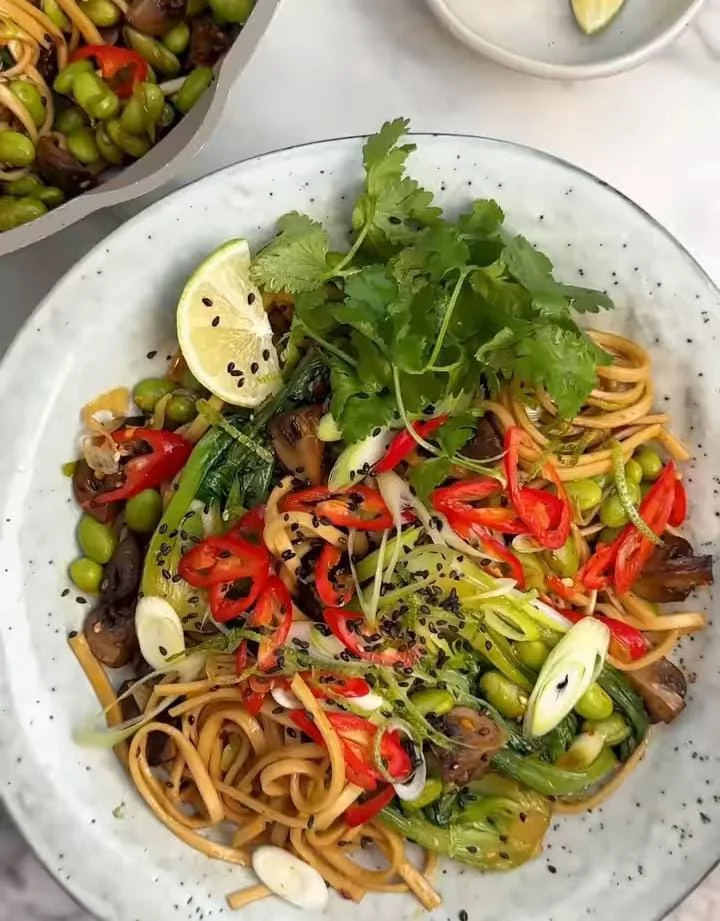
Serve udon stir-fry in shallow bowls or wide plates to display colorful vegetables. Pair it with a simple side like a baby greens salad tossed in a light sesame dressing or a small bowl of miso soup for a more substantial meal. Provide lime wedges for an optional acid finish and extra chili sauce on the side for those who prefer heat. Arrange protein pieces on top for visual appeal and finish with a scattering of sesame seeds and sliced green onions for height.

Tips for Perfect Texture
- Use high heat and a well-seasoned wok or large skillet; the sear is essential.
- Cut ingredients uniformly for even cooking.
- Cook noodles just to al dente; overcooked udon become mushy in the wok.
- Keep a small amount of oil in the pan to prevent sticking, but avoid excess oil that will make the dish greasy.
- Add the sauce toward the end and use a cornstarch slurry to help it adhere.
Healthy Habits When Making Udon Stir-Fry
To maximize nutrition, use whole-food ingredients and keep portions balanced. Replace half the noodles with spiralized zucchini or konjac noodles to lower carbohydrates and increase vegetable content. Use low-sodium soy sauce or dilute regular soy with extra rice vinegar and water to reduce sodium.
Choose lean proteins such as skinless chicken or edamame for plant-based protein. Add dark leafy greens like spinach or bok choy for extra vitamins and minerals. Finally, watch portion sizes and pair the meal with a side of fresh vegetables or a light broth-based soup to increase satiety without excess calories.

Variations
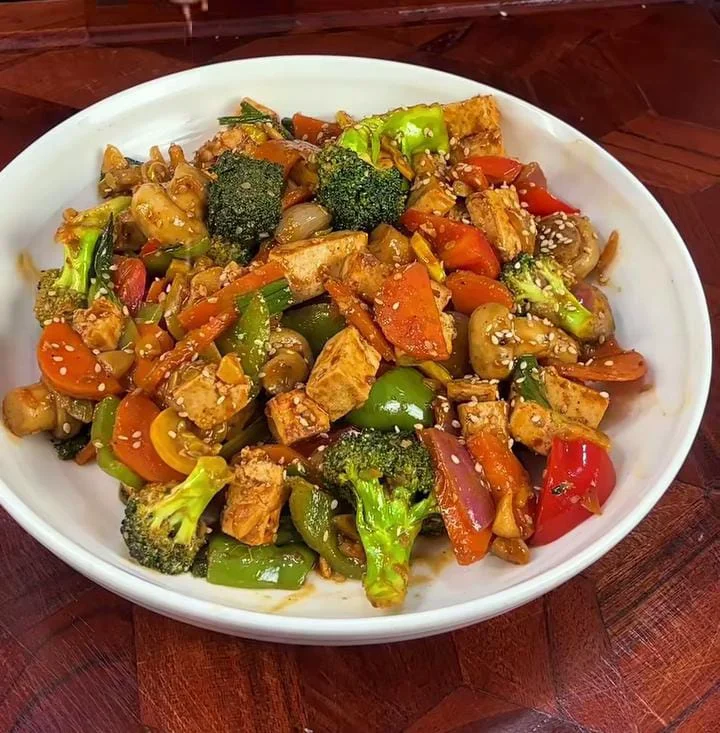
Spicy Sesame Tofu Udon
For a vegetarian, bold batch: use 300 g firm tofu pressed and cubed, double the garlic, and add 1 tablespoon of chili paste to the sauce. Increase sesame oil to 1.5 tablespoons for a nutty finish and add a tablespoon of tahini if available for richness. Use shiitake mushrooms for extra umami and finish with sliced scallions and a drizzle of sriracha. The stir-fry becomes heartier and richly flavored, with tofu providing protein and sesame elements offering healthy fats.
For texture contrast, press and freeze-thaw tofu briefly then press again before frying to create a chewier bite. Serve with a scattering of toasted sesame seeds and a wedge of lime for brightness. This version is excellent for meal-prep, and the sesame-chili flavors intensify when allowed to rest a few hours in the refrigerator.

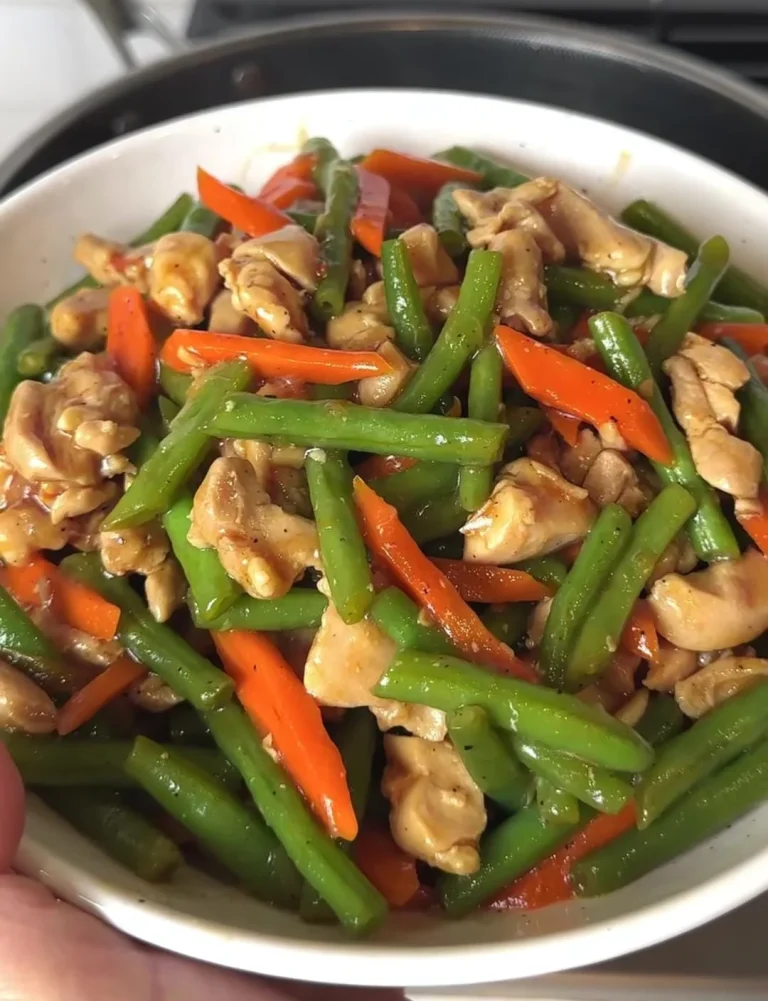
Chicken & Broccoli Teriyaki Udon
Substitute the sauce with a teriyaki-style glaze: 65 ml soy sauce, 30 ml mirin, 20 g brown sugar, 1 teaspoon grated ginger, and cornstarch slurry as before. Use 300 g thinly sliced chicken and emphasize broccoli florets for crunch. Cook chicken first and set aside, then stir-fry broccoli until tender-crisp. Combine with noodles and sauce and heat until glossy. Finish with sesame seeds and a splash of lemon juice to balance sweetness. This variant leans sweeter and is especially kid-friendly.
For a caramelized finish, allow the sauce to reduce slightly before tossing with noodles so it thickens and coats pieces evenly. Serve with sesame-spiced green beans on the side for a complete family-style plate that pleases a range of palates.

Shrimp and Garlic-Chili Udon
Use 350 g peeled shrimp and quickly sear them until just opaque, about 1–2 minutes per side depending on size. Create a garlic-chili sauce: 3 cloves garlic, 1 tablespoon chili oil, 45 ml soy sauce, 1 tablespoon honey, and 1 tablespoon rice vinegar. Add shrimp back in at the end to prevent overcooking. Garnish with chopped cilantro and thinly sliced red chili for color. The seafood version is lighter and cooks very fast.
Pair with a cucumber and sesame salad to add a cool counterpoint to the warm, spicy noodles. Shrimp pairs well with bright citrus finishes like yuzu or lime; consider a light squeeze at the end to lift flavors.
Vegetable-Forward Miso Udon
For a lighter and umami-rich vegetarian option, make a miso-sesame sauce: 2 tablespoons white miso paste, 1 tablespoon tahini, 2 tablespoons soy sauce, 1 tablespoon rice vinegar, and a little hot water to loosen. Increase the vegetable mix to 600 g, including baby spinach and shredded cabbage. Toss noodles and vegetables with the miso dressing and finish with toasted sesame and nori flakes. This variation is savory, slightly tangy, and packed with fibrous vegetables.
Serve with pickled daikon or quick-pickled cucumber for acidity that cuts through the miso richness. The miso dressing can be made ahead and used as a versatile glaze for grain bowls or roasted vegetables as well.
Storage and Reheating
Store leftovers in an airtight container in the refrigerator for up to 3 days. To reheat, add a small splash of water or broth to loosen the sauce and heat in a skillet over medium heat, stirring until warmed through. Avoid microwaving from cold as udon can become chewy; stovetop reheating preserves texture. For longer storage, remove delicate greens before freezing as they will degrade; freeze only the noodle-protein base without fresh herbs for up to one month, though texture will change.
Common Mistakes and How to Fix Them
- Mushy noodles: Cook udon just until al dente and rinse with cold water if using fresh to stop cooking.
- Watery sauce: Use the cornstarch slurry and add it slowly while stirring to reach the right consistency.
- Overcrowded pan: Work in batches to maintain high heat and ensure even searing.
- Bland flavor: Balance the five taste elements—salt (soy), sweet (sugar or mirin), sour (vinegar), bitter (charred bits), and umami (mushrooms/oyster sauce). Taste and adjust at the end.
Flavor Pairings and Beverage Suggestions
Udon stir-fry pairs well with light beverages that complement umami and cut through richness. Try a chilled jasmine tea, a dry Riesling, or a light lager. For non-alcoholic options, iced green tea with a squeeze of lemon brightens the palate. Side condiments like pickled ginger, chili oil, or a small dish of ponzu sauce enhance contrast.
Nutritional Breakdown Estimate per Serving (approximate)
Per generous serving (one fourth of recipe):
Calories: 520–650 kcal depending on protein choice and oil used.
Carbohydrates: 60–80 g.
Protein: 20–35 g.
Fat: 12–20 g.
Fiber: 6–10 g.
Sodium: variable; using low-sodium soy sauce reduces sodium significantly.
Deeper Ingredient Notes and Substitutions
Certain ingredients can be swapped to accommodate dietary restrictions, pantry availability, or flavor preferences. If gluten-free is required, choose udon-style rice noodles or gluten-free wheat udon if available, and replace soy sauce with tamari or coconut aminos.
For a lower-sodium version, use a reduced-sodium soy sauce and increase aromatic ingredients such as garlic, ginger, and a squeeze of fresh citrus to compensate. If oyster sauce is not available for omnivores, a mixture of soy sauce and mushroom-based sauces will add body; for vegetarians, hoisin or a mushroom-based stir-in replicates the richness.
Choosing the Right Udon
Fresh refrigerated udon gives the most authentic chew and requires minimal cooking time. If buying dried udon, follow package times closely and test a strand for texture before draining. Pre-cooked vacuum-packed udon are convenient: briefly warm in boiling water or the pan. Avoid overcooked packages that are already soft; they tend to fall apart. For a lower-carb take, sliced konnyaku (konjac) noodles provide a near-zero-calorie alternative but will change mouthfeel significantly.
Protein Considerations
Tofu: Pressing tofu removes excess water and improves browning and texture; wrap cubes in a clean towel and place a weighted object on top for 15–30 minutes. Use firm or extra-firm tofu for best results. Chicken: slicing thinly allows rapid cooking and keeps pieces tender; marinating with a little cornstarch (velveting technique) can produce a silkier exterior. Shrimp: devein and dry thoroughly; a quick sear protects shrimp from becoming rubbery.
Vegetable Choices and Seasonal Tweaks
Balance colors and textures: use crunchy vegetables like bell pepper and snap peas for brightness, and softer items like mushrooms and bok choy for umami and leafy greens. In winter, swap to root vegetables and braise slightly longer; in summer, use quick-cooking greens and fresh peas. Frozen vegetables can be used in a pinch; thaw and pat dry to avoid excess water in the wok.
Advanced Techniques and Timing
Mastering stir-fry timing is the difference between a good and a great dish. Understand the concept of ‘order of addition’ — dense vegetables first, delicate vegetables last. Keep your wok or skillet screaming hot, but control flare-ups by moving ingredients around and using an exhaust fan. Tossing the pan frequently ensures even contact and reduces sticking; however, do not crowd the pan as this lowers temperature and creates steam rather than a sear. Use a metal spatula to scrape browned bits and deglaze with a splash of mirin or water for extra flavor.
Velveting Proteins
A Chinese technique called velveting uses a light coating of cornstarch, egg white (optional), and oil to create a glossy, tender exterior on proteins. For chicken, a light cornstarch and egg-white coating produces tender pieces when briefly flash-fried. This produces tender pieces that stand up to high heat without drying.
Sauce Balancing Guide
Think of the sauce as five parts: salty, sweet, sour, bitter, and umami. Adjust by tasting a spoonful heated briefly: add a pinch of salt or soy for savory depth; a dash of sugar or mirin for sweetness; a splash of rice vinegar or citrus for brightness; toasted elements like sesame oil or charring for bitter contrast; and mushrooms, oyster sauce, or fish sauce for umami. Keep chili separate for diners who prefer variable heat.
Meal Prep and Batch Cooking
This udon stir-fry adapts well to meal-prep with a few considerations. Cook noodles and store them tossed with a little oil to prevent sticking. Roast or pan-sear large batches of protein and store separately. Store vegetables either raw for quick reheating or blanched to preserve color and reduce reheating time. Assemble portions in microwave-safe containers with sauce on the side to maintain a fresh texture; add fresh greens and herbs only at serving time. When reheating, use a skillet with a splash of water or broth rather than the microwave to preserve chewiness.
Frequently Asked Questions (FAQ)
Can I make this gluten-free?
Yes. Use rice udon or rice noodles and swap soy sauce for tamari or coconut aminos. Check labels for hidden gluten in packaged sauces.
How do I prevent noodles sticking together?
After boiling, rinse udon under cold water and toss with a teaspoon of neutral oil. When stir-frying, separate strands gently with tongs and use high heat to prevent clumping.
Can I make this ahead for a party?
Partially. Pre-cook proteins and chop vegetables ahead of time. Complete the dish just before serving to preserve texture and heat. Keep sauces warm and reheat quickly in a hot wok.
Is this recipe kid-friendly?
Yes. Reduce chili and bold condiments, choose milder vegetables, and balance sauce sweetness modestly. The teriyaki variation is especially popular with children.
Cleanup and Equipment
A good wok is an investment: carbon steel woks heat quickly and provide superior searing. Maintain seasoning by avoiding harsh detergents. A large heavy-bottomed skillet also works well for even heat distribution. Use a silicone spatula for nonstick pans to protect the coating. Keep cleaning supplies handy: soak the pan briefly if sauce caramelizes, then use hot water and a non-abrasive scrub to remove residues.
Final Practice Run and Checklist
Before your first timed attempt, run a practice session: boil the noodles, prepare all ingredients, and test the sauce balance in a small spoon. Checklist: protein prepped, vegetables chopped, sauce measured, cornstarch slurry ready, noodles cooked and drained, wok heated. This reduces stress and helps you focus during cooking.
Closing Thoughts
Udon noodle stir-fry is more than a recipe — it’s a flexible method that rewards attention to timing, ingredient quality, and flavor balancing. With the quantities and techniques provided here, you can create a comforting weeknight bowl or elevate it into a restaurant-quality plate with small adjustments. Practice the sequence and soon you will be able to improvise with confidence, producing consistently tasty results that match your family’s tastes. Enjoy the process of customizing this vibrant, comforting bowl.