German Chocolate Cake: Ultimate Layered Coconut-Pecan Chocolate Cake (Pinterest-Friendly)
German Chocolate Cake is a rich, layered dessert known for its tender chocolate cake layers and a sticky, caramel-like coconut-pecan frosting. Despite the name, this cake did not originate in Germany; it became popular in the United States in the mid-20th century and is cherished for its contrast of deep chocolate and sweet, textured frosting.
This article will walk you through an approachable yet detailed recipe, explain what makes the cake special, outline nutritional highlights, list every ingredient with precise quantities, and provide step-by-step preparation instructions presented in clear subheadings. You’ll also find healthy-swap suggestions, multiple variations explained simply, troubleshooting tips, storage and transport advice, serving suggestions, equipment notes, and extra guidance to help you bake with confidence.

Also try: Snickers Cake Recipe
What Is German Chocolate Cake?
German Chocolate Cake is a layered chocolate cake traditionally filled and topped with a coconut-pecan frosting often called “German’s Sweet Chocolate” or simply coconut-pecan frosting. The cake batter is usually enriched with melted chocolate or cocoa, producing a moist crumb, while the frosting combines evaporated milk, egg yolks, sugar, butter, shredded coconut, and chopped pecans, cooked until thick and glossy.
The interplay between the plush chocolate layers and the sweet, nutty frosting creates a textural and flavor contrast that defines this dessert. Variations include ganache coatings, pecan caramel toppings, gluten-free and vegan adaptations, and modern decorative touches for special occasions.

Also try: Pecan Pie Dump Cake Recipe
Nutritional Highlights
A slice of German Chocolate Cake is indulgent and energy-dense; it provides carbohydrates, fats, and protein. The cake’s primary macronutrients come from flour and sugar for carbohydrates, butter and eggs for fats, and milk and eggs for protein.
Pecans contribute heart-healthy monounsaturated fats, fiber, and micronutrients such as magnesium and vitamin E, while coconut provides medium-chain triglycerides and fiber. Chocolate contributes antioxidants, depending on cocoa content. Because of its richness, this dessert is best enjoyed in moderation; mindful portioning, pairing with fruit, and occasional lighter swaps can make it part of a balanced lifestyle.
Yield and Total Quantity
This full recipe makes a three-layer 9-inch cake, serving approximately 12 to 14 slices depending on portion size. The total finished weight of the cake, including frosting, is approximately 2.5 to 3.0 kilograms, varying with moisture content and frosting thickness. Plan accordingly if serving a crowd, and scale the recipe up or down by adjusting pan sizes and layer counts proportionally.

Main Ingredients — Full Explanation and Exact Quantities
Below are the ingredients grouped by component: cake, frosting, and optional garnish. Each ingredient includes its role and precise measured quantity.
Cake Ingredients (for three 9-inch layers)
- All-purpose flour — 360 grams (3 cups)
Provides structure through gluten formation. Use the spoon-and-level method for accurate measuring, or weigh for precision. - Granulated sugar — 420 grams (2 cups + 2 tablespoons)
Sweetens and tenderizes; sugar helps with moisture retention and browning. - Unsweetened cocoa powder — 75 grams (3/4 cup), sifted
Adds chocolate flavor. Use a high-quality Dutch-processed or natural cocoa depending on desired depth. Sifting prevents lumps. - Baking soda — 1 1/2 teaspoons
Leavening agent that reacts with acidic elements to provide lift. - Baking powder — 1 teaspoon
Additional leavening for a stable rise. - Salt — 3/4 teaspoon
Enhances flavor balance. - Unsalted butter — 170 grams (3/4 cup), room temperature
Contributes richness and a tender crumb. Room temperature for creaming. - Vegetable oil (neutral) — 120 ml (1/2 cup)
Keeps the cake moist and tender; oil-based fats remain liquid at room temperature. - Large eggs — 3, room temperature
Provide structure, moisture, and emulsification. - Vanilla extract — 2 teaspoons
Enhances flavor complexity. - Buttermilk — 360 ml (1 1/2 cups), room temperature
Adds acidity and tenderness; reacts with baking soda for lift. Substitute: 1 1/2 cups milk + 1 1/2 tablespoons vinegar or lemon juice, let stand 5 minutes. - Hot brewed coffee — 240 ml (1 cup)
Intensifies chocolate flavor without adding overt coffee taste; hot temperature helps bloom cocoa.
Frosting Ingredients (Coconut-Pecan Filling and Topping)
- Unsalted butter — 115 grams (1/2 cup)
Provides richness to the custard base. - Granulated sugar — 200 grams (1 cup)
Sweetens and helps create a thickened custard texture when cooked with eggs. - Evaporated milk — 360 ml (12 fl oz / 1 1/2 cups)
Forms the liquid base for the caramel-like frosting; more concentrated than regular milk. - Large egg yolks — 4
Thicken the frosting into a custard when cooked gently. - Vanilla extract — 2 teaspoons
Adds aromatic depth to the frosting. - Sweetened shredded coconut — 200 grams (2 cups)
Provides chewiness and coconut flavor; sweetened coconut contributes additional sweetness and texture. - Chopped pecans — 150 grams (1 1/2 cups), toasted
Adds crunch, richness, and toasty flavor. Toast pecans briefly to enhance aroma. - Sea salt — a pinch
Balances sweetness.
Optional Chocolate Frosting or Ganache (for sides or under-layer)
- Semisweet chocolate — 170 grams (6 oz), chopped
- Heavy cream — 120 ml (1/2 cup)
Heat the cream and pour over chocolate to make a quick ganache for coating the sides or adding extra chocolate richness.
Garnish (optional)
- Extra toasted pecans — 50 grams (1/2 cup)
- Cocoa powder dusting or chocolate shavings — as desired
Equipment Needed
- Three 9-inch round cake pans, greased and lined with parchment
- Stand mixer or hand mixer
- Medium saucepan for frosting
- Whisk and spatula
- Cooling racks
- Offset spatula for frosting and smoothing
- Kitchen scale for accuracy (recommended)
How to Prepare — Step-by-Step

1. Prepare Pans and Preheat Oven
Preheat the oven to 175°C (350°F). Grease three 9-inch round cake pans with butter or nonstick spray, line the bottoms with parchment rounds, and lightly flour or spray with a flour-based release. Having pans prepared before mixing ensures immediate transfer of batter to oven for best rise.
2. Toast Pecans and Measure Ingredients
Pre-toast pecans in a single layer on a baking sheet at 160°C (325°F) for 6–8 minutes until fragrant, watching carefully to avoid burning. Chop coarsely once cooled. Measure all ingredients precisely by weight for predictable results. Sift together dry ingredients—flour, cocoa powder, baking soda, baking powder, and salt—into a bowl to remove lumps and aerate the mixture.
3. Cream Butter and Sugar, Add Wet Fats
In a stand mixer fitted with a paddle attachment or using an electric hand mixer, cream the unsalted butter and granulated sugar together on medium speed until light and fluffy, about 3–4 minutes. Gradually add the vegetable oil while mixing on low to incorporate. This combination of butter and oil yields both flavor and moisture.
4. Incorporate Eggs and Vanilla
Add eggs one at a time, mixing well after each addition to ensure an emulsion. Scrape down the bowl between additions. Add vanilla extract and mix until combined. The batter should be smooth and slightly aerated from creaming.
5. Alternate Dry Ingredients with Buttermilk
With the mixer on low, add the sifted dry ingredients in three additions, alternating with the buttermilk in two additions, beginning and ending with the dry ingredients. Mix just until combined; avoid overmixing to prevent toughness. The batter will be fairly loose; this is normal and helps produce a moist crumb.
6. Add Hot Coffee and Final Mix
Stir in the hot brewed coffee by hand or on low speed until fully incorporated. The coffee will thin the batter slightly and bloom the cocoa, intensifying chocolate flavor. Ensure the batter is uniform, then divide it evenly among the prepared pans, filling each about two-thirds full.
7. Bake Until a Toothpick Comes Out Clean
Bake in the preheated oven for 25–30 minutes, rotating pans halfway through for even browning. Test with a toothpick inserted into the center; it should come out with a few moist crumbs but not raw batter. Remove cakes from oven and let cool in pans for 10 minutes, then invert onto cooling racks to cool completely.
8. Make the Coconut-Pecan Frosting
While the cakes cool, prepare the signature frosting. In a medium saucepan, combine unsalted butter, granulated sugar, evaporated milk, and a pinch of salt over medium heat. Whisk constantly until the mixture comes to a gentle simmer. In a separate bowl, whisk the egg yolks.
Temper the yolks by slowly whisking a small ladle of the hot milk mixture into the yolks, then return the yolk mixture to the saucepan, whisking constantly to prevent curdling. Continue cooking and stirring until the mixture thickens and reaches a custard-like consistency that coats the back of a spoon, about 6 to 8 minutes. Remove from heat, stir in vanilla, then fold in shredded coconut and toasted pecans. Allow to cool to a spreadable temperature while you prepare the layers.
9. Prepare Optional Ganache
If using ganache for the sides or under-layer, heat the heavy cream until it reaches a simmer and pour it over chopped semisweet chocolate in a heat-proof bowl. Let it sit undisturbed for one minute, then stir until smooth. Allow to cool slightly to thicken for easier spreading. For a thinner coating, apply while still warm; for a thicker spreadable ganache, cool further until it reaches desired consistency.
10. Assemble the Cake
Level the cake layers with a serrated knife or cake leveler if domes formed during baking. Place the first layer on a cake board or serving plate. Spread a generous layer of the coconut-pecan frosting across the top, leaving a small border if you plan to coat the sides with ganache. Repeat with the second layer.
Place the third layer on top and spread the remaining frosting over the top of the cake, allowing some frosting to cascade slightly over the edges for a rustic, homey appearance. If using ganache, apply a thin crumb coat to the sides, chill until set, then add a final decorative ganache layer or leave sides exposed for visual contrast.
11. Chill and Serve
Chill the assembled cake for at least 30 minutes to allow the frosting to set, but bring to room temperature before serving to ensure the cake is tender and flavors are fully expressed. Slice with a hot, clean knife dipped in hot water and wiped dry between cuts for neat portions. Store leftovers covered and slice as needed.

How to Store and Transport
Store leftover cake covered loosely at room temperature for up to 24 hours, then refrigerate for up to 4 days. The coconut-pecan frosting holds well chilled. For transport, place cake on a stable surface in a cake carrier and keep cool; avoid long exposure to heat or direct sunlight because the frosting contains butter and eggs.
Healthy Habits and Lighter Swaps
While German Chocolate Cake is an indulgent dessert, there are ways to make mindful adjustments:
- Reduce sugar in the cake batter by up to 15% without significant texture loss.
- Use evaporated milk alternatives such as reduced-fat evaporated milk or a mix of milk and a little cream to lower saturated fat.
- Replace half the all-purpose flour with whole wheat pastry flour for added fiber and a subtle nuttier flavor while maintaining tenderness.
- Decrease butter by substituting half the butter with applesauce in the cake; keep butter in the frosting for structure but consider reducing quantity slightly.
- Serve smaller slices and accompany with fresh berries to add fiber and a sense of balance.

Variations
Chocolate Ganache Covered German Chocolate Cake (Variation 1)
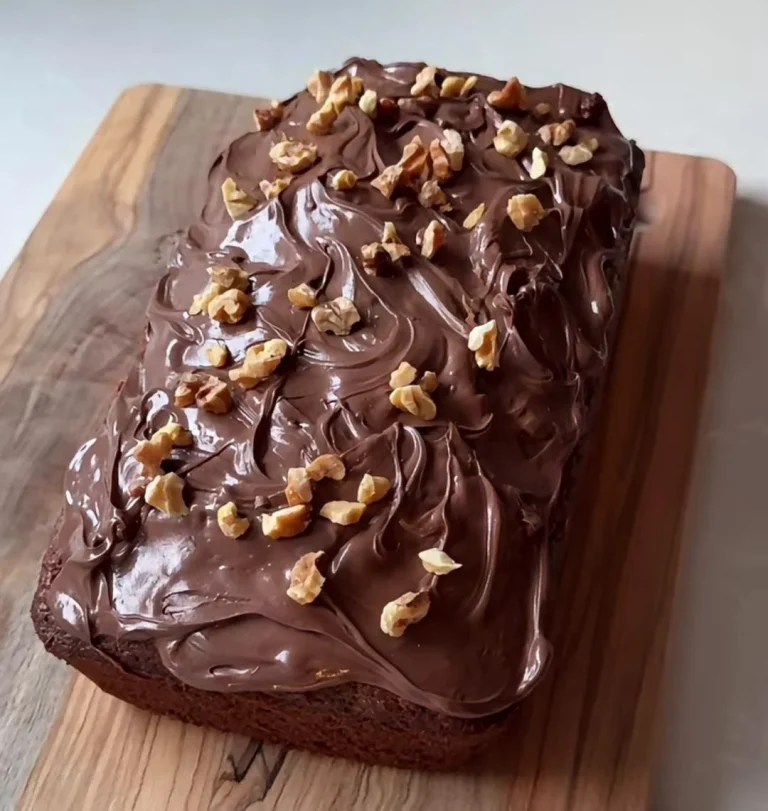
For a more dramatic presentation, coat the sides of the cake in a glossy chocolate ganache. After baking and cooling, apply a thin crumb coat of ganache and chill until set. Spread the coconut-pecan frosting on the top only, allowing it to contrast visually with the dark ganache. This variation intensifies the chocolate experience and offers a professional finish suitable for celebrations.
The ganache can be flavored with espresso powder for added depth, or with a splash of bourbon for an adult twist. Use high-quality semisweet chocolate to keep the sweetness balanced against the rich coconut-pecan topping.

Coconut-Free Pecan Caramel Topping (Variation 2)
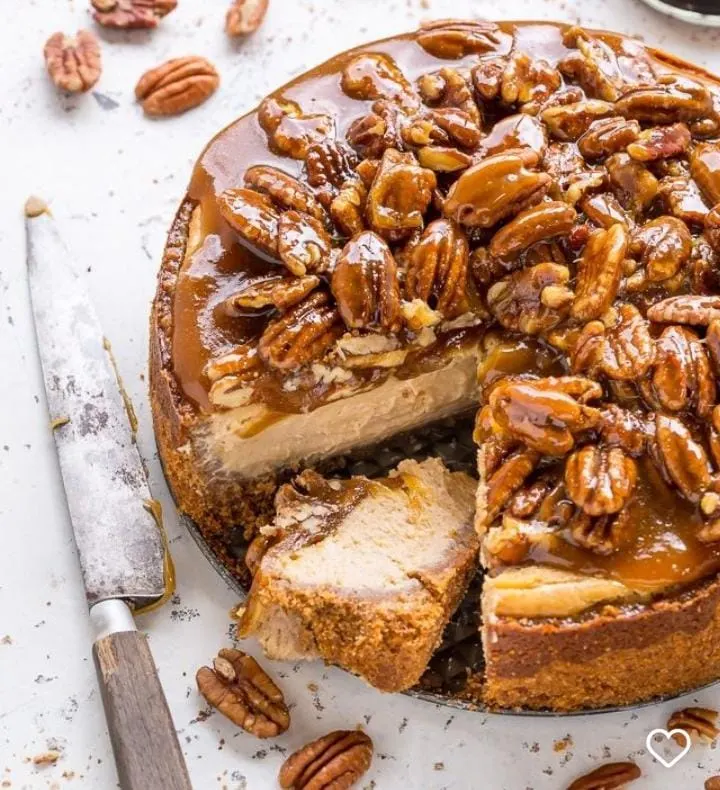
For those who prefer no coconut, replace shredded coconut with extra chopped pecans and increase the custard’s cooking time to develop deeper caramel notes. Consider adding a tablespoon of dark corn syrup during cooking to stabilize sheen and texture. The result is a buttery pecan caramel that retains the classic cake’s nutty crunch without coconut.
This variation pairs well with a spiced chocolate cake base, where cinnamon or a pinch of cayenne accentuates the pecan caramel and adds warmth.

Gluten-Free German Chocolate Cake (Variation 3)
Use a 1:1 gluten-free flour blend that includes xanthan gum and swap traditional flour measurements by weight. Ensure your baking powder is gluten-free. Depending on the blend, you may need to reduce liquid slightly or add an extra egg for structure. Use toasted gluten-free oats ground into flour as part of the blend for a more rustic texture.
Careful handling during mixing is necessary; gluten-free batters can be denser, so avoid overbeating. Baking time may vary so test for doneness with a toothpick.

Vegan Adaptation (Variation 4)
To make a vegan version, replace butter with plant-based margarine or coconut oil in the cake, use flax or chia egg replacer (1 tablespoon ground flaxseed + 3 tablespoons water per egg, set 10 minutes), and substitute evaporated milk with a full-fat coconut milk reduced slightly to mimic consistency. Use aquafaba or a vegan egg yolk replacer for the frosting to emulate the custard texture, and ensure chocolate is dairy-free.
The coconut pecan topping naturally aligns with vegan diets when using vegan butter and nondairy milk. Toasted pecans and coconut add richness without dairy.
Troubleshooting Common Issues
- Sinking centers: Underbaking or opening the oven too early can cause sinking. Test with a toothpick and ensure cakes have set before removing.
- Dry crumb: Overbaking or too much flour causes dryness. Weigh ingredients for accuracy and avoid overmixing.
- Curdled frosting: If eggs curdle during tempering, remove from heat and whisk vigorously; if necessary, strain and cool slightly, then continue cooking gently.
- Runny frosting: Undercooked custard will be loose; continue cooking until it thickens and coats the spoon.
- Separating ganache: If ganache splits, warm gently and whisk in small amounts of cream to re-emulsify.
Serving Suggestions and Pairings
Serve slices with a dollop of lightly whipped cream or a scoop of vanilla bean ice cream to balance sweetness. Fresh berries or a raspberry coulis add acidity that complements the rich chocolate. Coffee, robust black tea, or a dessert wine such as tawny port pairs well with this cake. For an adult gathering, offer a small glass of bourbon or aged rum to echo the toasty pecan notes.
Make-Ahead and Freezing Tips
Bake cake layers and store wrapped tightly in plastic wrap and foil, refrigerated for up to two days or frozen for up to three months. Freeze unfrosted layers on a baking sheet, then wrap individually to prevent freezer burn. Thaw overnight in the refrigerator before assembling. Prepare the coconut-pecan topping in advance and reheat gently to spread, taking care not to overcook.
Deep Dive: Ingredient Functions and Science
Understanding ingredient roles helps you bake with intention. Flour provides structure by forming gluten when hydrated and mixed; too much mixing develops excessive gluten and a tough crumb, while too little yields a fragile cake. Sugar tenderizes the crumb and helps retain moisture, while also contributing to browning through caramelization.
Cocoa powder supplies chocolate flavor and acidity; when paired with baking soda it contributes lift. Butter adds flavor and aeration when creamed with sugar, while oil contributes prolonged moistness. Eggs act as emulsifiers, stabilizers, and provide protein to set the crumb. Evaporated milk concentrates dairy solids for a denser custard frosting, and egg yolks in the frosting coagulate to thicken while creating a silky texture.
Timing and Temperature Control
Room-temperature ingredients blend more uniformly and produce a stable emulsion; cold eggs or butter can cause the batter to curdle and result in uneven texture. Preheat the oven fully before baking and consider using an oven thermometer to ensure accuracy. When making the cooked coconut-pecan frosting, use moderate heat and constant whisking. Rapid boiling can scramble egg yolks or scorch milk; gentle simmering produces a smooth, glossy custard. Allow cooked frosting to cool slightly before adding coconut and pecans to avoid softening them excessively.
Decoration and Presentation Tips
For a polished finish, use a turntable and offset spatula to apply a thin crumb coat of ganache, chill briefly, then finish with a smooth outer layer. Spoon the coconut-pecan frosting onto the top and gently spread, leaving the sides clean or partially covered for contrast. Use toasted pecans as a crown around the top edge or scatter chocolate shavings for visual interest. For single-serve options, pipe small rounds of the frosting atop cupcakes and press a pecan half into each for an elegant touch.
Allergy Notes and Accommodations
This classic recipe contains common allergens: tree nuts, dairy, eggs, and gluten. For nut-free versions, omit pecans and replace with toasted pumpkin seeds or toasted oats for texture. Egg-free adaptations can use commercial replacers, flax eggs, or aquafaba, but expect some change to structure and mouthfeel. Dairy-free options include reduced-fat coconut milk or plant-based evaporated milk alternatives; adjust cooking time as nondairy milks behave differently when reduced.
Portioning and Nutrition Control
To serve more people with smaller portions, slice the cake into 12 to 16 modest wedges and present alongside fresh berries to add fiber and acidity. Consider making mini cakes or cupcakes from the same batter to control portions. For lighter indulgence, offer half-slices with a side of fruit compote and unsweetened whipped topping. Mindful plating and beverage pairing, such as unsweetened tea, can enhance enjoyment while preventing overeating.
Frequently Asked Questions
Can I make this cake at high altitude?
Yes. Reduce baking powder slightly, lower sugar by a small percentage, and increase oven temperature modestly to improve structure. Add a bit more liquid if batter seems too thick.
Why is my frosting grainy or thin?
Graininess often means sugar did not dissolve or eggs cooked too quickly; strain and reheat gently. Thin frosting indicates undercooking; continue simmering and whisk until it thickens and coats the back of a spoon.
How can I ensure even layers?
Weigh batter and divide equally into pans. Use a bench scraper to level batter and rotate pans in the oven for even baking. Trim domes after cooling for professional stacks.
How long can I leave the assembled cake at room temperature?
Because the frosting contains cooked eggs and milk, do not leave the cake out more than two hours in warm conditions. Refrigerate for longer storage and bring slices to room temperature before serving.
Final Notes and Baking Philosophy
German Chocolate Cake rewards patience and attention to technique. Precise measuring, proper mixing, and gentle but thorough cooking of the frosting create the iconic combination of moist chocolate cake and dense, nutty frosting.
Experiment with small variations to suit taste, but keep the balance between chocolate and the coconut-pecan topping central. Celebrate with this cake at birthdays, holidays, or whenever a decadent dessert is deserved.
Final Encouragement
Baking a German Chocolate Cake combines technique and creativity. Use the precise measurements and steps provided here as a foundation, then personalize with flavors and decorations you love. With practice you will gain confidence in balancing texture, sweetness, and temperature to produce a memorable dessert that honors the cake’s classic character while reflecting your personal touch.