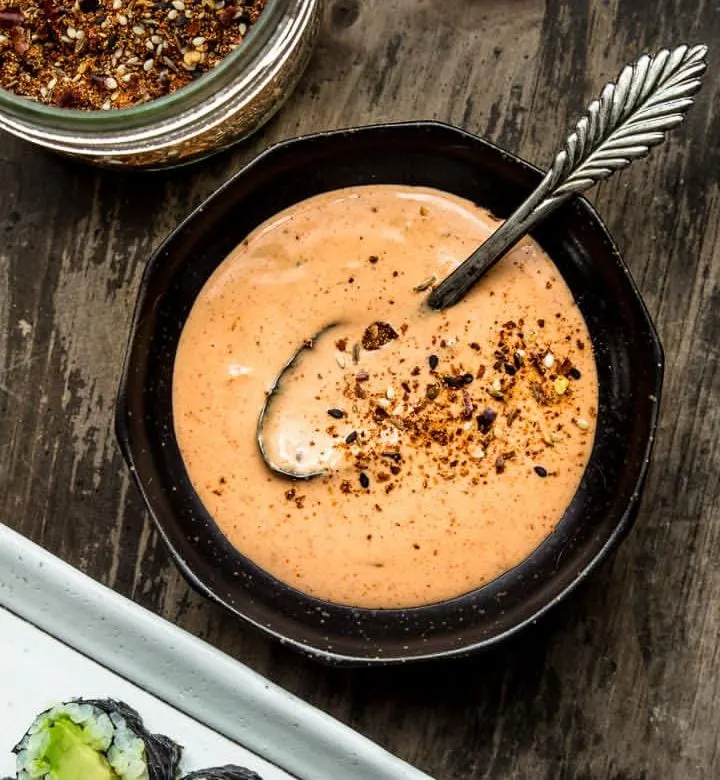
Creamy Lebanese Garlic Sauce Recipe | Authentic Toum for Shawarma, Chicken & More
Lebanese garlic sauce, known as Toum, is more than just a condiment—it is the very definition of bold flavor packed into a smooth, creamy spread. While mayonnaise uses eggs as its base and aioli often incorporates both egg and oil, Lebanese toum manages to be vegan, egg-free, and dairy-free, yet just as rich and fluffy as its Western cousins. On Pinterest and across food blogs, people search for “authentic Lebanese garlic sauce,” “easy toum recipe,” and “creamy garlic dip for chicken” because this sauce is not only versatile but also transformative.
Drizzle it over shawarma, spread it inside sandwiches, serve it with grilled meats, use it as a dip for fries, or toss it with roasted vegetables—the uses are endless. The key lies in emulsification: carefully combining garlic, oil, lemon juice, and salt until they bind into a stable, fluffy sauce. The process takes patience, but once mastered, the reward is a sauce you’ll always want stocked in your fridge.

What is Toum?
Toum, the Arabic word for “garlic,” is a Lebanese garlic sauce made from just four essential ingredients: garlic, oil, lemon juice, and salt. Unlike mayonnaise or aioli, which rely on eggs to create creaminess, toum achieves its signature airy texture through emulsification alone. That means it is naturally vegan and can last weeks in the fridge when stored correctly.
Traditionally, toum was made by pounding garlic into a paste using a mortar and pestle, then slowly whisking in oil and lemon juice. Today, food processors make the job faster, but the principle remains unchanged: patience and technique are everything. A rushed process will break the emulsion, leaving you with oily liquid rather than a fluffy sauce.

Also Read: Homemade BBQ Sauce Recipe
Nutritional Benefits of Lebanese Garlic Sauce
Toum is calorie-dense but nutritionally valuable when eaten in moderation.
- Garlic: Rich in allicin, a compound with antimicrobial and heart-healthy properties. Studies show garlic may help lower blood pressure and cholesterol. It’s also full of antioxidants that boost immunity.
- Oil: Provides energy and healthy fats, especially if you use olive oil. Fats also help the body absorb fat-soluble vitamins like A, D, E, and K.
- Lemon juice: Adds vitamin C, an antioxidant that supports skin health, immunity, and iron absorption.
- Salt: Necessary for balancing flavor, though it should be used mindfully.
A tablespoon of toum typically contains 90–100 calories, most from fat, but you rarely need more than a spoonful to flavor a dish.

Main Ingredients with Detailed Explanations and Quantities
This recipe makes about 2 cups (32 servings) of toum.

Garlic – 1 cup peeled cloves (about 3–4 heads)
Garlic is the foundation of this sauce. The fresher the garlic, the better the flavor and texture. Choose plump cloves with no green sprouts inside, as sprouted garlic tends to be bitter. Removing the germ (the inner sprout) before blending reduces harshness and results in a smoother taste. The amount of garlic is key: too little and the sauce loses intensity; too much and the emulsion can collapse under its fibrous bulk.
Oil – 3 cups neutral oil (canola, sunflower, or grapeseed)
The oil must be neutral because garlic already has a powerful flavor. Olive oil can be used, but it adds bitterness and can overpower the sauce, especially when blended at high speeds. Using too little oil will prevent emulsification, while too much will make the sauce greasy and heavy. A slow, steady stream ensures the garlic paste absorbs the oil evenly, creating the signature fluffy texture.
Lemon Juice – 1/4 cup freshly squeezed
Lemon juice is not just for flavor—it is the stabilizer that helps bind oil and garlic together. Its acidity balances garlic’s pungency while preventing the emulsion from breaking. Bottled juice is not recommended as it lacks the fresh acidity necessary for proper balance. Adding it gradually during blending ensures the sauce builds volume without separating.
Salt – 1 teaspoon
Salt enhances the natural garlic punch and balances the richness of the oil. Too little salt will make the sauce taste flat, while too much will overpower the delicate lemon-garlic balance. Fine sea salt or kosher salt is best as it dissolves evenly during blending.
Cold Water – 2–3 tablespoons (optional)
Water can be used to adjust texture if the sauce becomes too thick or if blending heats the mixture. It helps maintain a light, airy consistency. Always add chilled water to avoid breaking the emulsion.

How to Prepare Lebanese Garlic Sauce (Toum)

Step 1: Prepare the Garlic
Peel all garlic cloves and cut each in half to check for sprouts. Remove the germ from the center if present. This small step reduces bitterness and ensures the final sauce tastes strong but not acrid.
Step 2: Make the Garlic Paste
In a food processor, combine garlic cloves with salt. Pulse several times until the garlic is finely minced, scraping down the sides as needed. Continue processing until the garlic looks creamy, not just chopped. This fine paste is the backbone of the emulsion.

Step 3: Add Oil Slowly
With the processor running, drizzle in about 1/2 cup of oil in a thin stream. Do not rush this step. If oil is added too quickly, it will separate instead of blending. Let the garlic fully absorb the oil before adding more. Patience here is what turns raw garlic into a sauce.
Step 4: Incorporate Lemon Juice
Once some oil has been blended in, add 1 tablespoon of lemon juice. The acidity brightens the flavor and helps stabilize the mixture. Alternate between adding oil and lemon juice until both are fully incorporated.
Step 5: Adjust Consistency with Cold Water
If the sauce becomes too thick or the processor warms the mixture, add 1–2 tablespoons of cold water. This not only lightens the sauce but also helps keep the emulsion intact.
Step 6: Resting & Storage
Transfer the sauce to a clean, airtight jar. Let it rest in the refrigerator for at least 30 minutes before serving to allow the flavors to mellow. Stored properly, toum lasts up to 3–4 weeks.
Healthy Habits with Toum
Lebanese garlic sauce is flavorful, so you don’t need large portions. Using just one tablespoon can elevate grilled meats, roasted vegetables, or sandwiches without overwhelming your diet with calories.

You can also lighten the sauce by using half oil and half Greek yogurt (see variation below). Pairing toum with lean proteins like chicken or fish helps balance its richness. Another healthy habit is to use toum as a replacement for mayonnaise in sandwiches or potato salads, reducing processed ingredients while adding natural garlic benefits.
Variations of Lebanese Garlic Sauce
Olive Oil Toum
This version replaces neutral oil with extra virgin olive oil. It’s healthier due to olive oil’s antioxidants, but it has a stronger, sometimes bitter taste. To reduce bitterness, blend olive oil with a neutral oil in a 50/50 ratio.
This variation pairs beautifully with grilled vegetables and seafood, where the olive oil flavor complements natural ingredients. It’s also excellent for Mediterranean-style wraps and salads.
Yogurt Garlic Sauce
Mix half toum with half Greek yogurt for a lighter, tangier version. This reduces calories while adding protein and probiotics. It’s creamier and easier on the stomach for those sensitive to raw garlic.
Use this version as a dip for raw veggies, a topping for baked potatoes, or a spread for pita sandwiches. It’s particularly popular in summer meals where lighter sauces are preferred.
Spicy Garlic Sauce
Add chili paste, cayenne pepper, or fresh chili peppers to the garlic while blending. The spice cuts through garlic’s intensity, creating a bold, fiery condiment.
Spicy toum is perfect with grilled meats, chicken wings, or as a dip for fries. The heat balances the sauce’s creaminess, making it addictive for spice lovers.
Herb-Infused Toum
Once the sauce has emulsified, blend in fresh herbs like parsley, cilantro, or dill. This creates a vibrant green garlic sauce with fresh, aromatic flavors.
Herb toum pairs well with falafel, grain bowls, or roasted vegetables. The herbs lighten garlic’s sharpness and add a refreshing finish to grilled dishes.
Roasted Garlic Toum
For a milder sauce, roast half of the garlic cloves before blending. Roasting caramelizes the cloves, giving the sauce a sweeter, nuttier flavor while retaining creaminess.
Roasted garlic toum is ideal for bread spreads, pasta dishes, or as a dip for roasted potatoes. It’s a great option for those who find raw garlic too intense.
Vegan Garlic Aioli
Since toum is already vegan, some variations mimic aioli by adding aquafaba (chickpea liquid) or mustard to boost creaminess. This makes the sauce even more stable and versatile.
This version works well as a sandwich spread or salad dressing base. It’s an excellent mayonnaise replacement for plant-based diets.
Conclusion
Lebanese garlic sauce, or toum, is a culinary gem that proves simple ingredients can create extraordinary flavors. With garlic, oil, lemon juice, and salt, you can prepare a sauce that is creamy, bold, and endlessly adaptable. Whether you choose the classic method or experiment with variations like yogurt, herbs, or roasted garlic, toum adds vibrancy to any dish.
By mastering the preparation process and understanding the role of each ingredient, you’ll always have a jar of this addictive sauce ready to elevate your meals. Its strong flavor means a little goes a long way, making it both practical and delicious for everyday cooking.