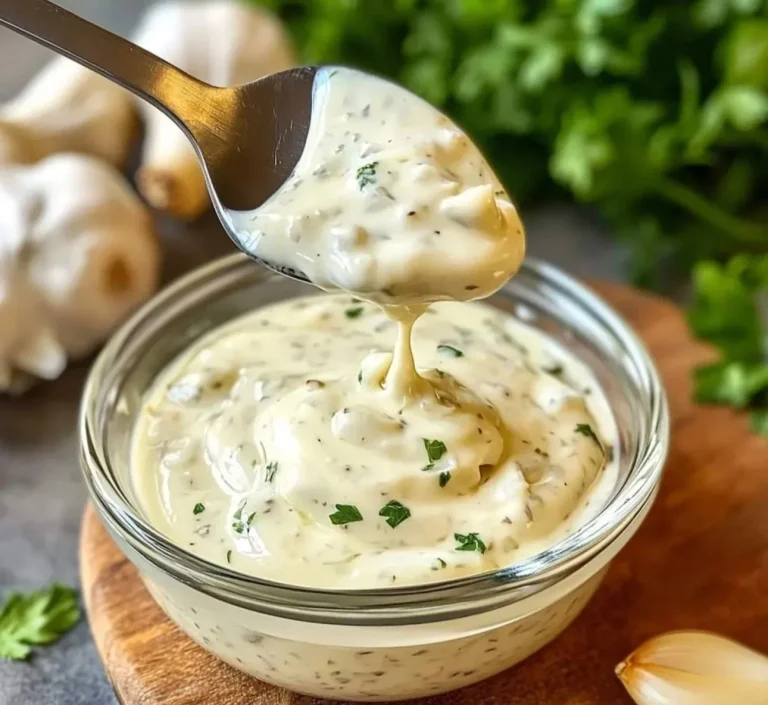
Homemade Dragon Sauce: Fiery Umami Dragon Sauce Recipe for Wings, Noodles, Tacos, and Grills
Dragon Sauce is a modern, kitchen-friendly condiment designed to deliver bold heat, concentrated umami, balanced sweetness, and bright acidity all in one spoonable sauce. It is not tied to a single regional tradition but rather to contemporary fusion cooking where cooks combine chili pastes, aromatics, vinegars, and emulsified fat to create a finishing sauce that works across cuisines.
Dragon Sauce often functions as a dip, glaze, spread, or drizzle — versatile enough to coat crispy wings, enliven grain bowls, lift noodle dishes, or add a spicy-sweet finish to tacos. Because its components are pantry-friendly, the sauce is popular with home cooks who want a single, multipurpose sauce that can be adapted to dietary needs and flavor preferences.

This recipe presents a balanced base version with precise quantities, explains the role of each ingredient so you understand how to adjust, and offers several tested variations. The method is intentionally simple: measure, whisk, taste, rest, and use. With a few minutes of prep you can make a sauce that tastes layered and complex yet remains forgiving and flexible for everyday cooking.
Also Read: Secret Big Mac Sauce Recipe
Recipe Yield and Overview
This recipe yields approximately 1 1/4 cups, which is about 300 milliliters or enough to condiment a party-sized batch of wings, glaze two pounds (900 grams) of proteins, or dress four to six bowls. The recipe is written in conventional kitchen measurements and metric approximations to help scaling without guesswork.
All ingredient quantities are given for the base version; from there you can choose one of the provided variations if you prefer a smokier, sweeter, citrus-forward, or vegan version. Store the prepared sauce in an airtight jar in the refrigerator for up to seven days, and note that flavors often harmonize and improve after resting for several hours. The sauce is designed to be flexible: it can be used cold as a dip, warmed briefly for glazing, thinned for dressings, or built into marinades by adjusting the mayo proportion.

Main Ingredients and Exact Quantities (Whole Recipe Amounts)
- Mayonnaise, full-fat: 1/2 cup (120 grams)
- Gochujang paste: 2 tablespoons (40 grams) — or substitute Sriracha 1 1/2 tablespoons (24 grams)
- Sweet chili sauce: 2 tablespoons (30 milliliters) — or honey 1 tablespoon (21 grams) as an alternative
- Soy sauce or tamari: 2 tablespoons (30 milliliters)
- Rice vinegar: 2 tablespoons (30 milliliters)
- Fresh lime juice: 1 tablespoon (15 milliliters)
- Toasted sesame oil: 2 teaspoons (10 milliliters)
- Fresh ginger, finely grated: 1 tablespoon (6 to 8 grams)
- Fresh garlic, minced: 3 medium cloves (about 9 to 12 grams)
- Chili crisp or chili oil with solids: 1 to 2 teaspoons (5 to 10 milliliters), optional for texture
- Neutral oil (vegetable or canola) or water for thinning: 2 to 4 tablespoons (30 to 60 milliliters)
- Kosher salt: 1/2 teaspoon (2.5 grams), adjust to taste
- Freshly ground black pepper: 1/4 teaspoon (0.5 to 1 gram)
- Optional garnish: 1 to 2 tablespoons chopped scallions or cilantro

Main Ingredients For Homemade Dragon Sauce

Mayonnaise: the creamy emulsion (1/2 cup / 120 g)
Mayonnaise is the structural base that gives Dragon Sauce its creamy, clingy texture. The oil and egg yolks in mayo form an emulsion that carries and disperses water-soluble and fat-soluble flavors across the palate. Full-fat mayo yields a silky mouthfeel and richer flavor; low-fat or vegan mayos will work but may require slight adjustments in acidity or sweetening to balance the lighter body. Mayo also stabilizes the sauce when stored or briefly warmed for glazing.
Gochujang or Sriracha: core chili identity (2 tbsp gochujang or 1 1/2 tbsp Sriracha)
Gochujang is a fermented Korean chili paste with sweet rice notes and deep, savory complexity, while Sriracha is a brighter, garlicky chili sauce that leans vinegary. Gochujang delivers fermented umami that intensifies as the sauce sits; Sriracha produces a cleaner chili flavor. Both bring heat and color, and the choice between them determines whether the Dragon Sauce skews savory and rounded or bright and tangy.
Sweet Chili Sauce or Honey: sweetness and glaze (2 tbsp sweet chili sauce or 1 tbsp honey)
Sweet chili sauce contributes both sweetness and body, with a glossy sheen useful for glazing. Honey or maple syrup is a simple sugar alternative that smooths heat and balances acidity. The sweet element prevents the sauce from tasting one-dimensional and helps caramelize if you use the sauce as a glaze on hot proteins.
Soy Sauce/Tamari: umami backbone (2 tbsp)
Soy sauce is the principal source of salty umami, adding depth and savory contrast to sweet and acidic components. Tamari is recommended as a gluten-free substitute and tends to be slightly richer. Use low-sodium varieties if you are cautious about salt, and always reserve the option to add more salt after tasting since other ingredients can vary in saltiness.
Rice Vinegar and Lime Juice: layered acidity (2 tbsp rice vinegar + 1 tbsp lime)
Acid brightens flavors and cuts through the sauce’s fat. Rice vinegar is mildly sweet and smooth, while fresh lime juice adds citrus freshness and aromatic lift. Together they create a more complex acidic profile than either would alone, offering a rounded and lively finish.
Sesame Oil and Neutral Oil: aroma and body (2 tsp toasted sesame oil + 2–4 tbsp neutral oil)
Toasted sesame oil is intensely aromatic and used sparingly to give the sauce a nutty, toasty note without overpowering it. Neutral oil (or water) adjusts the final viscosity and helps form a glossy emulsion suitable for glazing or dipping.
Fresh Ginger and Garlic: aromatics and bite (1 tbsp ginger, 3 cloves garlic)
Freshly grated ginger contributes warm, peppery brightness, and raw garlic gives pungent depth. Their volatile oils are responsible for the immediate aromatics and help balance sweetness and fat.
Chili Crisp: texture and concentrated flavor (1–2 tsp)
Chili crisp provides crunchy, savory bits and highly aromatic oil infused with toasted shallots, garlic, and chilies. It adds texture contrast and a secondary layer of heat. Although optional, it elevates the sensation of the sauce when used as a finishing condiment.
Salt, Pepper, and Garnish
Salt and pepper are fundamental seasoning tools for balancing and rounding flavors. Fresh herbs or scallions offer visual appeal and a fresh contrast to the sauce’s richness.
How to Prepare Dragon Sauce

Step 1 — Assemble and Measure Everything First
Begin by assembling all ingredients and measuring them precisely. This mise en place prevents rushed substitutions and ensures consistent texture. Grate the ginger and mince the garlic finely so they disperse evenly. If your honey is viscous, warm it slightly in a small bowl set over warm water to make it easier to incorporate. Place mayonnaise in a medium mixing bowl to start the emulsification process.
Step 2 — Create the Chili-Sweet Base
Whisk the gochujang (or Sriracha) together with the sweet chili sauce or honey into the mayonnaise until the color is uniform and there are no streaks. This step dissolves the larger paste particles and begins the integration of heat and sweetness. Use a whisk or a sturdy fork and press the paste against the bowl as you combine to avoid lumps. The base should develop a smooth, reddish hue, indicating the chilies have been evenly dispersed.
H3: Step 3 — Add Soy, Vinegar, and Lime for Balance
Add the soy sauce, rice vinegar, and lime juice and whisk thoroughly. These elements will thin the mayo slightly while introducing umami and bright acidity. Taste after combining; the sauce should now present a clear balance of salty, sweet, and sour. If it reads too sharp, temper with a little more mayonnaise or a touch of honey; if too flat, add a splash more vinegar or lime. Adjusting at this stage prevents over-seasoning later.
Step 4 — Incorporate Fresh Aromatics and Sesame Oil
Stir in the grated ginger and minced garlic along with the toasted sesame oil. Gently fold the aromatics into the mixture so their flavors bloom without overpowering the base. The sesame oil should be added sparingly because its aroma is concentrated; it will lift the overall scent profile and harmonize with the soy. Whisk briskly to distribute the aromatics evenly through the emulsion.
Step 5 — Emulsify and Adjust Consistency
Slowly drizzle in neutral oil while whisking to help form a smooth emulsion and to achieve a glossy sheen. Start with two tablespoons and increase if you prefer a thinner, more pourable sauce suitable for drizzling. If you do not want to add more oil, thin with water a tablespoon at a time until you reach the desired texture. The finished sauce should coat the back of a spoon and pour slowly in a ribbon.
Step 6 — Final Seasoning, Chili Crisp, and Rest
Fold in chili crisp in measured amounts to introduce texture and additional heat; start with one teaspoon and increase to taste. Season with kosher salt and freshly ground black pepper, tasting after each small adjustment. For best flavor development, let the sauce rest in the refrigerator for at least thirty minutes so the aromatics mellow and meld. Give it a final stir, and garnish with chopped scallions or cilantro before serving.
Variations of Dragon Sauce
Variation 1 — Creamy Sriracha-Lime Dragon Sauce

For a bright, citrus-forward version, swap gochujang for 1 1/2 tablespoons of Sriracha and increase the lime juice to two tablespoons. Add one teaspoon of lime zest for aromatic intensity and one tablespoon of honey to balance the acidity. Whisk these into the mayonnaise base, then add one teaspoon toasted sesame oil and one teaspoon grated garlic. Thin with up to two tablespoons of neutral oil for a pourable finishing sauce. Chill briefly so the citrus notes meld and the sauce thickens slightly.
To add smoky contrast, stir in a half teaspoon of smoked paprika and one teaspoon of chipotle puree. This variation pairs exceptionally well with fish tacos and grilled shrimp, offering clean heat and bright citrus. Use it as a mayonnaise spread on sandwiches for an instant flavor upgrade. The preserved lime zest gives visual flecks and fresh aroma that complements seafood. Store in an airtight container in the fridge and use within five days.
Variation 2 — Gochujang Sesame Dragon Sauce

For deeper fermented heat, emphasize gochujang by using two tablespoons and reduce Sriracha to a half teaspoon if you prefer complementary brightness. Add two teaspoons soy sauce, one tablespoon rice vinegar, and one tablespoon honey to balance the robust flavors. Stir in one teaspoon grated ginger and one teaspoon sesame oil, then whisk until homogeneous. Include one tablespoon toasted sesame seeds for texture and nutty flavor. Refrigerate to allow the gochujang to harmonize with the mayo.
This gochujang-forward sauce becomes richer over time and is perfect as a glaze for roasted pork belly or as a dip for vegetable tempura. The fermented notes pair especially well with roasted root vegetables or sticky rice. Gochujang’s umami enhances caramelization when used as a glaze on hot surfaces. Sprinkle with extra sesame seeds and scallions when serving. Leftovers are ideal for quick stir-fries where a spoonful adds instant depth.
Variation 3 — Sweet-Spicy Thai-Inspired Dragon Sauce
Use Thai sweet chili sauce as the primary sweetener and add a tablespoon of fish sauce for savory depth that mimics Southeast Asian flavor profiles. Combine half a cup of mayo with two tablespoons sweet chili sauce, one tablespoon fish sauce, one tablespoon lime juice, and one teaspoon grated garlic. Whisk thoroughly, then optionally fold in chopped cilantro and crushed roasted peanuts for crunch. Thin slightly with water or neutral oil for drizzling over salads or rice noodles. This blend balances sugar, acid, and umami in a bright profile that complements many ingredients.
The Thai-inspired version pairs beautifully with spring rolls, grilled chicken satay, and noodle bowls. Its sweeter profile makes it approachable for families while retaining complexity from fish sauce and lime. Serve chilled as a dip or warm as a glaze to enhance sticky caramelization. Garnish with toasted peanuts and lime wedges for contrast. Keep refrigerated and consume within a week.
Variation 4 — Vegan Umami Dragon Sauce
Create a vegan version by substituting vegan mayonnaise and using tamari instead of soy sauce for depth and gluten-free compatibility. Combine half a cup of vegan mayo with two tablespoons gochujang or Sriracha, one tablespoon maple syrup, two teaspoons tamari, and one tablespoon rice vinegar. Add one teaspoon grated ginger and one teaspoon minced garlic, whisking to incorporate the flavors evenly. Thin with water if needed and finish with a teaspoon of toasted sesame oil. Chill to let the flavors meld and taste again before serving to ensure balance.
This vegan adaptation works wonderfully with roasted tofu, grain bowls, and vegetable skewers. The maple syrup balances acidity while tamari supplies rich umami reminiscent of the original. For extra texture, fold in a tablespoon of toasted sesame seeds or chopped scallions. The result remains indulgent without animal products. Store in the refrigerator for up to seven days.
Variation 5 — Smoky Chipotle Dragon Sauce
Introduce smoky, warm heat by adding chipotle in adobo to the mayo base; start with a teaspoon and increase to taste. Mix half a cup of mayo with one to two teaspoons chipotle puree, one teaspoon smoked paprika, one tablespoon lime juice, and one tablespoon honey. Stir in one teaspoon grated garlic and a quarter teaspoon kosher salt, whisking until smooth. Thin as necessary with neutral oil for drizzling over vegetables or burgers. This spicy, smoky version brings barbecue character to any dish.
Smoky chipotle Dragon Sauce shines on grilled meats, roasted corn, and sweet potato wedges. The adobo lends complex tang and smoke that complement charred flavors. Serve with lime wedges to brighten the palate and chopped cilantro to add freshness. It is a robust alternative when you want a barbecue-style heat. Refrigerate in an airtight jar for up to a week.
Variation 6 — Citrus-Herb Dragon Sauce
Brighten the sauce with citrus and fresh herbs by combining half a cup of mayo with two tablespoons orange or lime juice and one tablespoon lime zest. Add one tablespoon Sriracha, one teaspoon grated ginger, and two tablespoons chopped cilantro with one tablespoon chopped mint for a refreshing herbaceous note. Whisk until smooth and thin slightly with water if you desire a drizzling consistency. Finish with a pinch of salt and a splash of rice vinegar for balance. Chill before serving to let the herbal aromatics mellow and integrate with the chili.
This citrus-herb variant partners exceptionally well with seafood, grilled vegetables, and spring salads. The herbs and citrus keep the sauce light while still delivering a memorable heat. Sprinkle extra herbs and citrus zest when serving for visual appeal. The bright character makes it suitable for warm-weather menus and light proteins. Store in the refrigerator and use within five days.
Tips for Success, Serving Ideas, Storage, and Troubleshooting
Essential Tips
Always use fresh ginger and garlic for the most vibrant aromatics. Taste and adjust acidity and sweetness gradually since each chili product varies in intensity. Warm honey or sweet chili sauce slightly for easier incorporation into mayo. If the sauce separates, whisk vigorously or blend briefly to re-emulsify. For a silkiest texture, process the sauce in a blender for thirty seconds.
Serving Ideas
Serve Dragon Sauce cold as a dip for wings, fries, vegetable sticks, or dumplings. Use it warm as a glaze for roast chicken, grilled shrimp, or tofu by brushing lightly during the last five minutes of cooking. Toss with noodles or roasted vegetables for an instant meal dressing. Spread on burgers, sandwiches, or tacos for immediate flavor elevation. Garnish with scallions, sesame seeds, or chopped cilantro for color contrast.
Storage
Refrigerate the sauce in an airtight jar for up to seven days; flavors often improve after a day. Stir or shake before using. Do not freeze mayonnaise-based sauces because thawing alters texture and separation is likely. For longer storage, omit mayo and keep a dry concentrate of pastes and spices in the freezer, mixing with mayo fresh when needed.
Troubleshooting
If the sauce is too thick, thin with neutral oil or water a tablespoon at a time. If it is too thin, add more mayonnaise or chill to firm up. If overly salty, dilute with a spoonful of mayo or add a touch of sweetener. If lacking heat, increase the chili paste cautiously; if too hot, balance with honey or extra mayo. Re-emulsify separated sauce by whisking in a small spoonful of warm water and then slowly whisking.
Flavor Pairings and Culinary Uses
Complementary Flavors and Textures
Dragon Sauce pairs beautifully with proteins that benefit from a bright, spicy contrast. Fatty meats such as pork belly, duck, and crispy chicken gain freshness from the sauce’s acidity while the umami components deepen savory perception.
Crisp elements like fried wontons, toasted nuts, or raw vegetable sticks provide a pleasant textural counterpoint to the sauce’s smooth body and any crunchy chili crisp. Neutral starches—steamed rice, roasted potatoes, and simple noodles—act as ideal carriers, absorbing the sauce and distributing its flavor across the plate. Pairing the sauce with contrasting textures and temperaments highlights its versatility and shows how a single condiment can lift entire meals.
Practical Culinary Applications
Use the sauce as a chilled dip for appetizers or warm it slightly for glazing proteins near the end of cooking. Stir a spoonful into plain mayonnaise, yogurt, or sour cream for an instant sandwich spread or burger sauce. Toss with roasted vegetables or roasted tofu to add a cohesive flavor that mimics restaurant-style finishing touches.
Blend into noodle dishes for quick spicy-sweet bowls, or thin with a little oil and lemon to make a vibrant salad dressing that balances heat and creaminess. The sauce’s multipurpose nature means a single batch can serve several courses in a single meal, making it ideal for weeknight dinners and casual entertaining.
Serving for Gatherings and Meal Prep
Dragon Sauce works well for make-ahead entertaining because it holds flavor in the refrigerator. Offer small bowls for dipping alongside skewers, sliders, and roasted vegetables to encourage sharing. Pack it in squeeze bottles for barbecues or lunchboxes for reheated snacks, making busy-week meal prep both convenient and flavorful and appealing to hungry guests.
Conclusion
Homemade Dragon Sauce is a flexible, fast, and flavorful way to add heat, umami, and brightness to a wide range of dishes. With simple pantry staples and a short whisking process, you can craft a sauce that suits your preferred spice level and texture. The base recipe is a reliable starting point for creative variations—from gochujang-rich to citrus-herb or smoky chipotle—and each variation adapts the same basic technique.
Make it ahead to let flavors meld, then use it liberally to transform weeknight meals, elevate grilled items, and add restaurant-style finishing touches to homemade bowls and sandwiches. Once you understand the role each ingredient plays, adjusting the sauce to match your meal and audience becomes an easy and rewarding part of cooking.