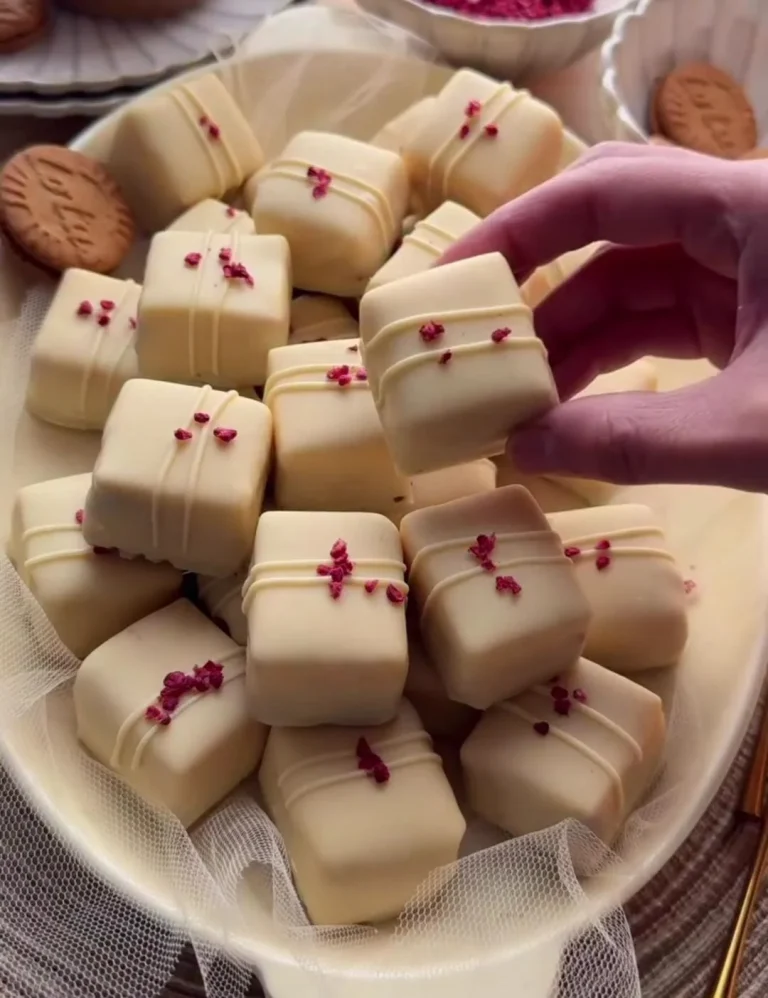
Classic Bavarian Cream Recipe: How to Make a Luxurious Dessert with Step-by-Step Guide
Introduction to Bavarian Cream
Bavarian cream, also known as crème bavaroise, is one of the most luxurious and classic desserts in European pastry tradition. Originating in France and popularized in Bavaria, this elegant dish combines the richness of custard with the lightness of whipped cream and the smooth texture of gelatin.
Its versatility makes it a popular filling for cakes, pastries, and tarts, or a standalone chilled dessert served in elegant glasses. Unlike heavier puddings, Bavarian cream strikes the perfect balance between creamy, airy, and refreshing, which explains why it remains beloved worldwide.

At its heart, Bavarian cream is a marriage of carefully cooked egg custard, stabilized with gelatin, and enriched with whipped cream. This combination creates a velvety texture that is both firm enough to hold its shape and soft enough to melt in the mouth.

Professional pastry chefs often use it as the base for layered desserts and mousse cakes, but it can be enjoyed just as beautifully on its own. The recipe may sound complicated, but with careful attention to each step, anyone can achieve a restaurant-quality dessert at home.
Main Ingredients of Bavarian Cream

Egg Yolks
Egg yolks form the foundation of the custard base, giving Bavarian cream its richness and smooth consistency. When gently cooked with milk or cream, they create a thickened base that carries the dessert’s flavor. Overcooking, however, can scramble the yolks, so precise control of heat is essential. Yolks also help emulsify the mixture, ensuring the cream has a uniform and silky texture. Without them, the cream would lack depth and body.
Sugar
Sugar provides sweetness while also enhancing the flavor of other ingredients. In Bavarian cream, sugar dissolves into the custard base, balancing the richness of the yolks and cream. It’s important to whisk sugar into the eggs gradually so the mixture remains smooth. Too much sugar can make the cream overly sweet, but just the right amount ensures a dessert that is indulgent yet balanced.
Milk or Cream
Whole milk and heavy cream are often used together to create the custard base. Milk keeps the mixture light, while heavy cream adds richness and velvety body. Heating the milk or cream before tempering it into the eggs is essential to avoid curdling. The dairy also acts as the medium that absorbs flavors from vanilla, chocolate, coffee, or fruit when variations are prepared. This balance makes Bavarian cream versatile and indulgent.
Gelatin
Gelatin is the stabilizer that gives Bavarian cream its unique texture, allowing it to set while remaining soft and creamy. Without gelatin, the mixture would remain liquid like custard or pudding. Gelatin must be bloomed in cold water before being melted into the warm custard, ensuring even distribution. This crucial step ensures the dessert holds its shape without becoming rubbery. Using the right amount of gelatin is key to achieving the signature balance of firmness and softness.
Whipped Cream
Whipped cream is folded into the cooled custard base, adding air and lightness. This step transforms the dense custard into an airy yet creamy dessert. The folding must be done gently to preserve the air bubbles that give Bavarian cream its mousse-like consistency. Too much mixing can deflate the cream, resulting in a heavier texture. Whipped cream is what elevates Bavarian cream from a simple custard into a sophisticated dessert.
Flavorings
Traditional Bavarian cream is flavored with vanilla, but it can be customized with chocolate, fruit purées, liqueurs, or coffee. Flavorings are added after the custard has thickened but before folding in the whipped cream. This allows for endless variations while keeping the core structure intact. A single recipe can be transformed into countless unique desserts with creative flavoring choices.
Step-by-Step Preparation of Bavarian Cream

Step 1: Blooming the Gelatin
Start by blooming gelatin in cold water. Sprinkle powdered gelatin evenly over the water’s surface and let it sit for 5–10 minutes. This process allows the gelatin to absorb the liquid and expand, which ensures it dissolves smoothly when heated. Skipping this step leads to clumps in the final cream. Once bloomed, set it aside until ready to incorporate into the custard.
Step 2: Preparing the Custard Base
In a mixing bowl, whisk together egg yolks and sugar until pale and slightly thickened. Meanwhile, heat the milk or cream in a saucepan until just below boiling. Slowly temper the hot milk into the egg mixture by whisking constantly. This prevents the eggs from scrambling. Once combined, return the mixture to the saucepan and cook gently over low heat until it coats the back of a spoon.
Step 3: Incorporating Gelatin
Remove the custard from heat and immediately stir in the bloomed gelatin. The residual heat from the custard melts the gelatin, allowing it to blend evenly. Stir thoroughly to ensure no lumps remain. This step is essential for the cream to set properly later. Allow the mixture to cool slightly before the next step to avoid melting the whipped cream.
Step 4: Folding in Whipped Cream
Whip the cream to soft peaks in a separate bowl. Once the custard has cooled to room temperature, gently fold the whipped cream into the mixture. Use a spatula and work slowly to maintain the airiness of the cream. This folding creates the mousse-like consistency that defines Bavarian cream. The mixture should be light, fluffy, and smooth.
Step 5: Setting the Cream
Transfer the Bavarian cream into molds, ramekins, or glasses. Refrigerate for at least four hours, or until fully set. The gelatin allows the cream to hold its shape while staying soft and spoonable. Once chilled, the cream can be served directly or used as a filling in pastries and cakes. A garnish of fruit, chocolate shavings, or whipped cream enhances presentation.
Variations of Bavarian Cream
Chocolate Bavarian Cream
Chocolate lovers can indulge in a rich variation by adding melted dark chocolate to the custard before folding in the whipped cream. The chocolate blends seamlessly into the mixture, creating a decadent version that feels indulgent yet balanced. This variation is popular as a filling for chocolate cakes or tarts.
To enhance the flavor, use high-quality dark chocolate with at least 60% cocoa content. The bitterness balances the sweetness, making the dessert sophisticated. Garnish with chocolate curls or cocoa powder for extra flair. Chocolate Bavarian cream is ideal for celebrations or romantic dinners where elegance is key.

Fruit-Flavored Bavarian Cream
Fruit purées, such as raspberry, mango, or strawberry, add brightness to the traditional recipe. After preparing the custard, stir in the purée before folding in the whipped cream. The fruit gives both color and flavor, transforming the dessert into a refreshing summer treat.
This version is lighter and pairs beautifully with sponge cakes or tart shells. For best results, strain the purée to remove seeds and ensure a smooth texture. A fruit-flavored Bavarian cream topped with fresh fruit slices creates a visually stunning dessert perfect for gatherings.

Coffee Bavarian Cream
For coffee lovers, infusing the milk with instant espresso or brewed coffee creates a bold and aromatic variation. The coffee flavor enhances the creaminess, making it a perfect dessert for after dinner. Coffee Bavarian cream pairs beautifully with chocolate desserts, amplifying their flavors.
This variation is also excellent when paired with biscotti or almond cookies. The bitterness of the coffee balances the richness, creating a dessert that is both indulgent and refined. It is perfect for dinner parties when you want to offer something different.

Liqueur-Infused Bavarian Cream
Adding liqueurs like Grand Marnier, Baileys, or Amaretto creates a grown-up version of Bavarian cream. A small amount of liqueur stirred into the custard before folding in whipped cream adds depth and sophistication. The alcohol also enhances the aroma, making it ideal for festive occasions.
These versions are often served in elegant glasses, garnished with a complementary topping. For example, Grand Marnier pairs well with candied orange peel, while Amaretto matches beautifully with almond slivers. Liqueur-infused Bavarian cream transforms the dessert into something truly celebratory.

Vegan Bavarian Cream
For those avoiding dairy and eggs, vegan alternatives are possible. Use plant-based milk, agar-agar instead of gelatin, and coconut cream whipped to replace dairy cream. The technique remains similar, though it requires slightly more care to achieve the right texture.
This version is lighter but still delicious, offering inclusivity for guests with dietary restrictions. Flavors like fruit purées or dark chocolate work especially well in vegan Bavarian cream. With careful preparation, this variation can rival the traditional version in both taste and presentation.
Serving Suggestions

Bavarian cream is elegant when served on its own in chilled glasses, topped with fruit compote, chocolate shavings, or a dollop of whipped cream. It also makes an exceptional filling for cakes, mousses, or layered desserts. When used in pastries, it adds a luxurious creaminess that elevates the entire dessert.
For special occasions, pair Bavarian cream with sauces like raspberry coulis or caramel drizzle. The balance of creamy texture and bold flavors makes it a versatile centerpiece. Its adaptability allows it to shine in both simple and elaborate presentations.
Storage Tips
Store Bavarian cream in the refrigerator in airtight containers for up to three days. Cover the surface with plastic wrap to prevent a skin from forming. Because it contains gelatin, it should not be frozen, as freezing alters the smooth texture.
For layered cakes or tarts, prepare the cream a day in advance and allow it to set fully before assembling. This makes it easier to work with and ensures a firm yet creamy consistency. Proper storage preserves the dessert’s delicate flavor and texture.
FAQs
Q1: Can I make Bavarian cream without gelatin?
Yes, but it will not set properly. Use agar-agar as a substitute for similar results.
Q2: What’s the difference between Bavarian cream and custard?
Custard is liquid, while Bavarian cream is set with gelatin and lightened with whipped cream.
Q3: Can I use Bavarian cream as cake filling?
Yes, it’s commonly used in layered cakes, mousses, and pastries.
Q4: How long does Bavarian cream take to set?
At least 4 hours in the refrigerator, though overnight is ideal.
Q5: Is Bavarian cream the same as pastry cream?
No, pastry cream is thickened with starch, while Bavarian cream uses gelatin and whipped cream.
Conclusion
Bavarian cream is a timeless dessert that combines elegance, versatility, and indulgence. With its silky custard base, light whipped cream, and perfect set from gelatin, it offers a balance of flavors and textures that few desserts can match. Whether enjoyed plain, flavored with fruit or chocolate, or used as a filling in pastries, Bavarian cream always feels special.
Its variations allow creativity, making it adaptable for every occasion, from casual family dinners to festive celebrations. Mastering this recipe at home is easier than it seems, and once you do, it will become a go-to dessert for impressing guests and treating yourself. Classic yet endlessly customizable, Bavarian cream remains one of the most exquisite desserts in the culinary world.