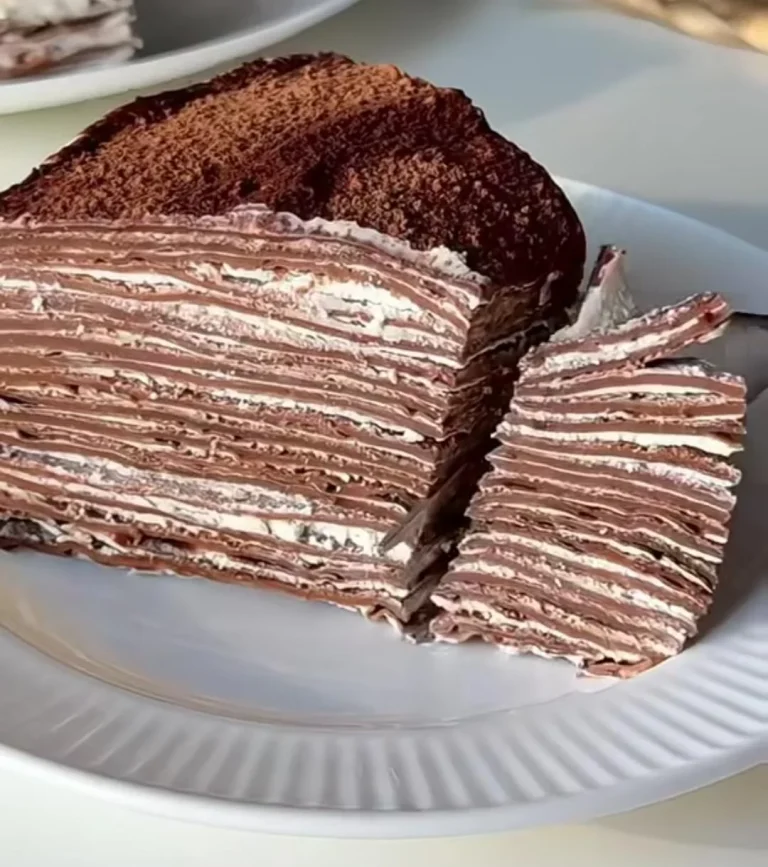
Classic Homemade Vanilla Custard Recipe – Creamy Dessert Everyone Loves
Vanilla custard is one of those timeless desserts that carries both elegance and comfort in every spoonful. Known for its silky texture, rich creaminess, and aromatic vanilla flavor, it has been enjoyed for centuries across many cultures.
This dessert can be served warm or chilled, eaten alone or paired with pies, pastries, or fresh fruit. Its simplicity is what makes it special, but mastering it requires an understanding of ingredients and technique. In this article, we will explore not only the traditional vanilla custard recipe but also its variations, serving ideas, and tips to achieve perfect results every time.
Also Read: Creamy One Pot Pasta Recipe

What is Vanilla Custard?
Vanilla custard is a dessert made by gently cooking milk, cream, sugar, eggs, and vanilla until it thickens into a luscious, creamy consistency. Unlike pudding, which relies on cornstarch as a thickener, custard depends on eggs to achieve its smooth texture.
The balance between gentle heat and constant stirring ensures that the eggs do not scramble but instead bind the liquid into a rich custard base. Custard is versatile—it can be poured over desserts, baked in ramekins, or used as a filling for pastries. At its core, vanilla custard is all about patience, precision, and quality ingredients.

Nutritional Table of Vanilla Custard (per serving)
| Nutrient | Amount per Serving (approx.) |
|---|---|
| Calories | 210 |
| Carbohydrates | 25 g |
| Protein | 6 g |
| Fat | 10 g |
| Saturated Fat | 5 g |
| Cholesterol | 140 mg |
| Sodium | 90 mg |
| Sugar | 20 g |
| Calcium | 12% DV |

Main Ingredients
Whole Milk – 2 Cups
Whole milk is the base of custard, giving it creaminess and body. Using whole milk provides the right balance of fat and liquid to keep the custard rich without being overly heavy. If you use skim milk, the custard may taste thinner and less indulgent. Milk also acts as the liquid medium that the eggs will thicken as they cook. Always warm the milk before adding it to the egg mixture to ensure even cooking.
Heavy Cream – 1 Cup
Adding heavy cream creates a richer custard with a more velvety texture. It complements the milk by increasing the fat content, which results in a dessert that feels luxurious. Some recipes omit cream, but including it makes the custard more decadent. Cream also helps prevent the custard from curdling during cooking. A 1:2 ratio of cream to milk usually creates the perfect balance.
Egg Yolks – 5 Large
Egg yolks are the most important ingredient in custard, acting as the natural thickener. As they heat, the proteins in the yolks coagulate, binding the liquid into a smooth cream. Too much heat will scramble the yolks, so they must be tempered carefully. Yolks also provide a golden color and enhance the richness of the dessert. Using fresh eggs improves both flavor and consistency.
Granulated Sugar – ½ Cup
Sugar sweetens the custard but also balances the richness of the cream and yolks. The right amount ensures that the dessert is flavorful without being cloyingly sweet. Sugar also helps stabilize the eggs as they heat, preventing curdling. You can adjust the sweetness to taste, depending on whether you’re serving custard plain or with sweet pastries. Dissolving sugar into the milk before adding it to eggs helps distribute sweetness evenly.
Pure Vanilla Extract – 2 Teaspoons
Vanilla is the defining flavor of this custard. Pure vanilla extract adds warm, aromatic notes that make the dessert comforting and inviting. For a more intense flavor, you can use a vanilla bean pod by splitting it and infusing it into the milk before cooking. Vanilla paste also works if you want the speckled look of real vanilla seeds. Always add vanilla towards the end of cooking to preserve its fragrance.
Salt – Pinch
Though small, a pinch of salt enhances all the other flavors. It balances the sweetness, making the custard taste fuller and more complex. Without salt, the custard may seem flat. This ingredient is optional but highly recommended for depth of flavor.
Exact Quantities for One Batch of Custard (Serves 6)
- Whole Milk – 2 cups (480 ml)
- Heavy Cream – 1 cup (240 ml)
- Egg Yolks – 5 large
- Granulated Sugar – ½ cup (100 g)
- Pure Vanilla Extract – 2 teaspoons
- Salt – 1 pinch
How to Prepare Vanilla Custard

Step 1: Heat the Milk and Cream
Begin by pouring the milk and cream into a medium saucepan. Place it over medium heat and let it warm until it is hot but not boiling. Heating the dairy is essential because it helps dissolve the sugar and prepares it to blend with the egg yolks smoothly. You should see small bubbles forming around the edges of the pan but no rolling boil. Remove the pan from the heat once it reaches this stage.
Step 2: Whisk Egg Yolks and Sugar
In a separate bowl, whisk the egg yolks with the sugar until the mixture becomes pale and slightly thick. This step helps dissolve the sugar while incorporating air into the yolks, which contributes to a smoother custard. Make sure to whisk thoroughly so that no sugar granules remain undissolved. The mixture should appear creamy and light in color. This is your custard base waiting to be tempered.
Step 3: Temper the Eggs
Tempering is the most critical step to prevent scrambled eggs. Slowly drizzle the hot milk and cream mixture into the bowl with the yolks and sugar while whisking constantly. Adding the hot liquid gradually raises the temperature of the eggs without cooking them too quickly. Continue whisking until half of the milk mixture is incorporated. Then, pour the tempered yolk mixture back into the saucepan with the remaining milk and cream.
Step 4: Cook the Custard
Return the saucepan to low heat and stir constantly with a wooden spoon or silicone spatula. The custard will gradually thicken as the egg proteins coagulate. Stir in a figure-eight motion, making sure to scrape the bottom and sides to prevent sticking. The custard is done when it coats the back of the spoon and holds a line drawn across with your finger. This usually takes 8 to 10 minutes. Do not let the mixture boil.
Step 5: Add Vanilla and Strain
Once the custard has thickened, remove it from the heat and stir in the vanilla extract. For an ultra-smooth texture, strain the custard through a fine-mesh sieve into a clean bowl. This removes any small lumps or cooked egg bits that may have formed. Straining is optional but recommended for a professional-quality finish.
Step 6: Chill or Serve Warm
You can serve vanilla custard warm immediately, or let it cool for later. To chill, cover the surface with plastic wrap to prevent a skin from forming and refrigerate for at least 2 hours. When chilled, the custard becomes slightly firmer and makes an excellent accompaniment to cakes or fresh berries. Warm custard, on the other hand, is comforting on its own or poured over puddings
Variations of Vanilla Custard
Baked Vanilla Custard
Baked custard is made by pouring the prepared mixture into ramekins and baking them in a water bath. The gentle heat ensures even cooking and prevents curdling. This method results in a firmer, sliceable custard similar to flan but without caramel. Baked custard can be served plain or topped with whipped cream. It’s a wonderful option for dinner parties where you want individual servings.

When making baked custard, preheat the oven to 325°F (160°C) and place ramekins in a baking dish filled halfway with hot water. Bake for about 40 minutes or until the custard jiggles slightly in the center. Cool before serving to let the custard set fully. Baked custard has a denser, creamier texture compared to stovetop versions. You can infuse it with spices like nutmeg or cinnamon for added flavor.
Chocolate Vanilla Custard
Adding chocolate creates a richer twist on the classic custard. Melted dark or milk chocolate is whisked into the warm milk and cream before tempering the eggs. This creates a chocolatey custard that still carries the subtle vanilla aroma. It’s ideal for dessert lovers who want a balance between richness and sweetness. Chocolate custard pairs wonderfully with whipped cream or fresh strawberries.
To make chocolate custard, add 100 g of chopped chocolate to the hot milk and cream, whisking until smooth before combining with the yolk mixture. The result is indulgent, velvety, and slightly thicker than the original recipe. You can adjust the sweetness by using bittersweet chocolate or adding cocoa powder for intensity. This variation feels festive and is perfect for celebrations.
Fruit-Infused Vanilla Custard
Fruit brings freshness to custard, balancing its richness with natural sweetness. Berries such as raspberries, strawberries, or blueberries can be layered at the bottom of ramekins before pouring custard over them. As the custard sets, the fruit releases its juice, creating a delightful contrast of flavors. This is a lighter, refreshing twist that works beautifully in summer.

Another approach is to infuse the milk with citrus zest such as lemon or orange before making the custard. Heat the zest in the milk and cream, then strain it out before tempering the eggs. The result is a custard with a subtle fruity fragrance and tang. Fruit-infused custards pair beautifully with shortbread cookies or sponge cake. This variation is ideal for those who prefer less heavy desserts.
Vegan Vanilla Custard
For a plant-based alternative, dairy milk and cream can be replaced with coconut milk, almond milk, or oat milk. Cornstarch or arrowroot powder is used as a thickener instead of eggs. The result is a smooth, creamy custard that is lighter but still delicious. Coconut milk custard has a tropical flavor, while almond milk offers a nutty undertone. Vegan custard is suitable for anyone with dietary restrictions.

To make vegan custard, whisk 2 cups of plant-based milk with 3 tablespoons of cornstarch and ¼ cup of sugar, then cook until thickened. Stir in 2 teaspoons of vanilla extract at the end. The custard won’t be as rich as egg-based versions but will still provide a satisfying texture. Vegan custard pairs wonderfully with fruit tarts or dairy-free cakes. This variation proves that custard can be enjoyed by everyone.
Serving Suggestions for Vanilla Custard

Classic Serving Styles
Vanilla custard is a versatile dessert that can be enjoyed in many ways. The most traditional method is serving it warm, poured over puddings, pies, or sponge cakes. Its silky texture complements baked goods by adding moisture and richness. Another classic approach is serving chilled custard in bowls, topped with a dusting of nutmeg or cinnamon. Both methods highlight the custard’s natural creaminess and make it a timeless comfort food.
With Fresh Fruits
Pairing custard with fruit creates a refreshing balance between richness and natural sweetness. Fresh berries such as strawberries, blueberries, or raspberries add color and tartness. Sliced tropical fruits like mango, banana, or kiwi also pair beautifully, especially when the custard is chilled. You can serve the custard layered in parfait glasses with fruit for an elegant presentation. This style works wonderfully for brunches and light desserts.
As a Pastry Filling
Vanilla custard is also widely used as a filling for pastries, such as éclairs, cream puffs, and tarts. Its smooth texture makes it ideal for piping into baked goods. When used as a filling, the custard is often made slightly thicker so it holds its shape. This opens up creative dessert opportunities, from custard-filled donuts to mille-feuille. A dusting of powdered sugar or a drizzle of chocolate can make these custard-filled treats irresistible.
As a Sauce or Dip
Another way to enjoy custard is as a sauce or dip for baked items. It pairs well with bread pudding, strudels, or even simple butter cookies. When slightly thinned with milk, custard can serve as a sauce for fruit crumbles or cobblers. This variation makes the dessert more versatile and adaptable to different occasions. It transforms simple baked goods into indulgent desserts with little effort.
Storage and Make-Ahead Tips
Refrigeration
Custard must be refrigerated once cooled to room temperature. Store it in an airtight container with plastic wrap pressed against the surface to prevent a skin from forming. It will stay fresh for up to three days when properly stored. If serving chilled, always allow it to rest in the refrigerator for at least two hours to achieve the best texture. Custard is not meant to sit at room temperature for long periods, as it contains eggs and dairy.
Freezing
While custard is best enjoyed fresh, it can be frozen for later use. Place it in freezer-safe containers and cover tightly. When ready to use, thaw it overnight in the refrigerator and whisk well before serving. Freezing may slightly alter the texture, making it less smooth, but it can still be used as a pastry filling or sauce. Adding a splash of cream while reheating can help restore creaminess. This method is useful for batch cooking.
Reheating
To reheat custard, place it in a saucepan over low heat and stir constantly until warmed through. Avoid high heat, which can cause the custard to curdle or separate. If reheating in a microwave, use short bursts of 20 to 30 seconds, stirring in between. A small splash of milk or cream can refresh the consistency if it has thickened too much during storage. Reheating carefully ensures that the custard maintains its silky texture.
Troubleshooting Common Custard Problems
Custard Curdling
Curdling happens when the eggs cook too quickly, causing the custard to turn grainy. This usually occurs if the mixture is heated at too high a temperature or brought to a boil. To fix slightly curdled custard, blend it with an immersion blender until smooth. Prevent curdling by cooking gently over low heat and stirring constantly. Using a double boiler can also reduce the risk.
Custard Too Thin
If the custard is too runny, it may not have been cooked long enough for the egg proteins to thicken. Return it to low heat and cook while stirring until it coats the back of a spoon. Another cause could be incorrect egg-to-liquid ratio. Always measure carefully to maintain the right balance. For added thickness, a teaspoon of cornstarch can be mixed into the milk before cooking, though traditional custard relies solely on eggs.
Custard Too Thick
Sometimes custard turns out too thick, almost like a paste. This can happen if it cooks for too long or at too high a temperature. To fix it, whisk in a little warm milk until the desired consistency is reached. For future batches, watch the custard closely and remove it from heat as soon as it coats the spoon. Gentle cooking ensures a silky, pourable texture rather than an overly dense one.
Skin Forming on Top
A common issue with custard is the formation of a skin on the surface during cooling. This happens when air exposure dries the top layer. To prevent it, press plastic wrap directly onto the surface before refrigerating. If a skin does form, it can be whisked back in or removed before serving. While harmless, it can affect the smoothness of the dessert.