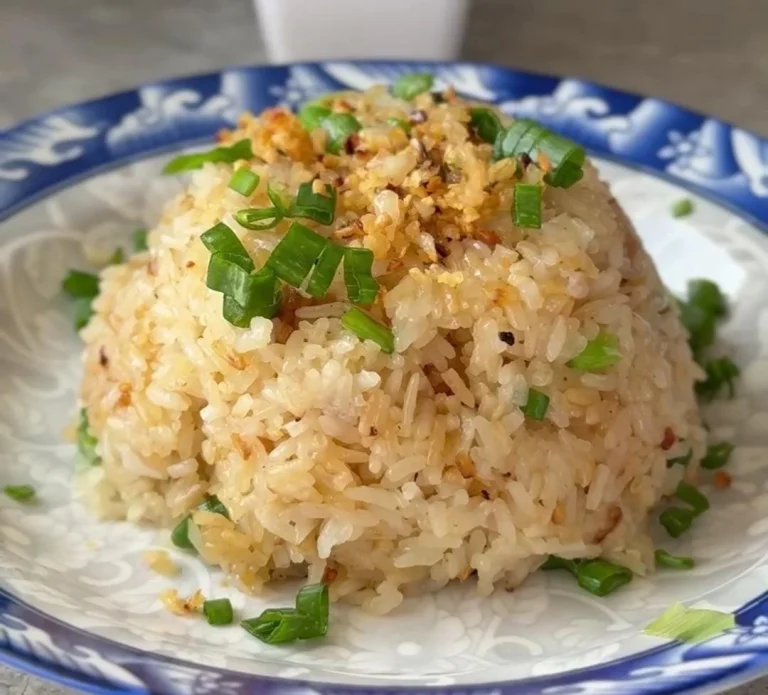
Zesty Cilantro Lemon Rice (Rice Cooker Recipe) — Fluffy, Tangy, & Meal-Prep Friendly
What is Cilantro Lemon Rice (Rice Cooker Version)?
Cilantro Lemon Rice is a bright, aromatic side dish made by infusing perfectly cooked rice with fresh cilantro, lemon (or lime) juice, and aromatics. It’s the same vibrant idea behind “cilantro-lime rice” popular in Mexican and Tex-Mex cuisine, but this version leans into lemon for a slightly more floral, less tart finish and is specifically adapted for the rice cooker for reliably fluffy results every time. The rice cooker keeps the process hands-off: measure, stir, press start, then finish with a quick toss of herbs and citrus for a restaurant-style side.
This recipe is prized because it transforms a plain starch into a flavorful, versatile base for grilled protein, bowls, salads, burritos, and meal prep. It’s quick, scales easily, and is gluten-free. The citrus brightens the rice while cilantro adds herbaceous complexity; a touch of olive oil or butter gives silkiness. Using a rice cooker removes the guesswork — consistent texture, no burning, and easy reheating.

Nutritional Overview (Per Serving — recipe yields 4 servings)
Values are approximate and depend on rice type and amount of oil/butter used.
- Calories: ~210 kcal
- Carbohydrates: 44 g
- Protein: 4 g
- Fat: 3.5 g
- Fiber: 1.2 g
- Sodium: 160 mg (varies with added salt)
- Vitamin C: 10% DV (from lemon & cilantro)
- Potassium: 2–4% DV
This dish is primarily a source of energy (complex carbs). Substituting brown rice increases fiber and micronutrients; using less oil or swapping for broth reduces fat while retaining flavor.

Yield, Time & Equipment
- Yield: 4 generous side-dish servings (about 1 1/4 cups cooked rice per serving)
- Prep time: 8–12 minutes (includes rinsing and chopping)
- Cook time: 20–35 minutes depending on rice cooker model and rice type
- Total time: 30–45 minutes
- Equipment: 6-cup (uncooked rice) capacity rice cooker or larger; fine-mesh sieve for rinsing; citrus juicer (optional); measuring cups and spoons; cutting board and knife; mixing bowl.

Also read: Healthy Rice Paper Rolls
Main Ingredients — exact quantities (serves 4) and why each matters

A. Rice & Liquid (The Foundation)
- Uncooked long-grain white rice — 1 ½ cups (300 g)
Long-grain white rice yields fluffy, separate grains that are ideal for this bright flavored side. It absorbs the citrus and herb flavors while staying light. Measure by cup or scale. If you prefer a nuttier chew and more fiber, substitute 1 ½ cups (300 g) brown long-grain rice — note: cooking time and water ratio will change (see notes later). - Water or low-sodium vegetable/chicken broth — 1 ¾ cups (420 ml)
Use water for a clean result; broth adds savory depth. The rice cooker’s rice-to-liquid ratio varies slightly by model; this recipe uses 1:1.17 for reliably fluffy white rice. If using brown rice, increase liquid to 2 ¼ cups (540 ml) and expect longer cook time.
B. Flavor Base
- Extra-virgin olive oil or unsalted butter — 1 tablespoon (15 ml) or 14 g butter
A small fat addition creates glossy grains and mouthfeel. Olive oil keeps it lighter and adds fruity notes; butter adds richness and a slightly creamy finish. - Kosher salt — 1 teaspoon (6 g) measured into the cooking liquid
Essential for seasoning the starch from the inside out. Adjust to taste if using salted broth or high-sodium stock. - Garlic — 1 large clove, minced (about 3–4 g)
Garlic adds an aromatic backbone without overwhelming. Mince finely so it distributes evenly through the rice; it mellows during cooking. - Yellow onion or shallot — 2 tablespoons finely minced (about 30 g, optional)
Optional but recommended for subtle savory sweetness that lifts the citrus-herb notes. Finely dice to avoid detectable onion chunks in the finished rice.
C. The Bright Finish
- Fresh cilantro — 1 cup packed leaves, chopped (about 25 g)
Cilantro is the signature herb here. Use leaves and tender stems for full aroma. Chop just before tossing into the warm rice to preserve color and fragrance. - Fresh lemon juice — 2 tablespoons (30 ml)
Lemon provides acidity and brightness; two tablespoons strikes a balance—enough to lift the rice without making it sour. You can substitute with fresh lime juice for a more Mexican-style flavor (same quantity). - Lemon zest — 1 teaspoon finely grated (2–3 g)
Zest amplifies citrus aroma without extra acidity. Grate just the yellow part—avoid the bitter white pith.
D. Optional Enhancers (quantities for entire recipe)
- Ground cumin — ¼ teaspoon (optional, for a warm background note)
- Crushed red pepper flakes — pinch or 1/8 teaspoon for mild heat
- Toasted sesame oil — ½ teaspoon added at finish for an Asian-leaning lift
- Fresh scallions (green parts) — 2 tablespoons thinly sliced for garnish
- Toasted chopped almonds or pepitas — 2 tablespoons for texture and healthy fats
These optional ingredients let you tailor the rice to global cuisines — Mexican bowls, Mediterranean salads, or simple sides for grilled fish.
Ingredient Notes & Important Points
- Rinse your rice. Rinsing 2–3 times removes surface starch that causes clumping, resulting in fluffier, separate grains. Drain well in a fine-mesh sieve before adding to the cooker.
- Liquid ratio matters. Rice cooker models vary — the provided ratio works for most standard electric cookers for white long-grain rice. When in doubt, follow your cooker’s white-rice setting proportions and subtract about 1–2 tablespoons of water to account for the additional moisture from lemon and aromatics.
- Fresh citrus is non-negotiable. Bottled lemon juice lacks bright volatile oils found in fresh juice and zest; for the best bright aroma, always use fresh lemon.
- Timing of herb addition. Add cilantro and lemon at the end after rice is finished and has rested for 5 minutes — this preserves color and fragrance; adding herbs before cooking mutes their flavor.
How to Prepare Cilantro Lemon Rice in a Rice Cooker
Step 1: Rinse and Prep the Rice
Start by measuring 1½ cups (300 g) of uncooked long-grain white rice. Place it in a fine-mesh sieve and rinse thoroughly under cold running water, swishing with your hands as you go. Continue rinsing until the water runs almost clear — usually three to four rinses. This process removes excess surface starch, ensuring your rice cooks up fluffy instead of sticky or gummy. Drain the rice completely and set it aside for a few minutes; slightly drying the grains helps prevent sogginess in the rice cooker.
Meanwhile, finely mince 1 large garlic clove and, if using, 2 tablespoons of onion or shallot. Chop your 1 cup of fresh cilantro leaves, zest your lemon, and squeeze the juice — but keep these citrus and herb ingredients separate until the end. They’ll lose their vibrant color and fragrance if cooked for the full duration.
Step 2: Optional Sauté for Depth of Flavor
Many rice cookers have a “sauté” or “quick cook” mode that allows for brief frying before boiling. If your model does, turn that setting on and add 1 tablespoon of olive oil or butter directly into the cooker’s pot. When hot, add the garlic and onion. Stir gently for about 30 seconds to 1 minute, just until fragrant — do not let them brown. This short sauté unlocks deeper flavor and prevents raw garlic harshness in the finished rice.
If your rice cooker doesn’t offer sauté mode, this step can be done in a small pan on the stove. Once the garlic and onion are translucent, pour them — oil and all — into the rice cooker pot along with the rinsed rice.
Step 3: Combine Rice, Liquid, and Seasonings

Add the drained rice to the cooker, pour in 1¾ cups (420 ml) of water or low-sodium broth, and sprinkle in 1 teaspoon of kosher salt. Stir once gently to distribute everything evenly, but avoid over-stirring, as this can break grains and make the texture gummy. Secure the lid and select your standard “White Rice” setting.
For most models, this cycle will take 20–25 minutes. The cooker automatically regulates temperature and steam pressure to achieve ideal doneness. As the rice cooks, the garlic and onion essence will infuse throughout, creating a mild aromatic base that balances perfectly with lemon and cilantro later.
Step 4: Allow Natural Steaming and Resting
Once your rice cooker switches from “Cook” to “Warm,” don’t open it immediately. Let the rice rest for 5–7 minutes in the warm pot. This step allows residual steam to finish hydrating the grains and equalizes moisture from top to bottom. Skipping this stage often results in uneven texture — soft on top but slightly undercooked beneath.
After resting, open the lid carefully to release the trapped steam. Use a silicone or wooden rice paddle to gently fluff the rice, lifting and folding rather than stirring. You’ll notice individual grains separating beautifully, each lightly coated in aromatic oil.
Step 5: Finish with Lemon and Cilantro
Transfer the fluffed rice into a large mixing bowl, or keep it inside the cooker if there’s room to toss gently. Add 2 tablespoons (30 ml) of fresh lemon juice, 1 teaspoon of lemon zest, and the chopped 1 cup of cilantro. Using a fork or paddle, toss delicately to combine. The residual warmth releases the essential oils in both lemon and cilantro, perfume the entire dish, and tint the rice with subtle green flecks.
Taste the rice — you should find the balance bright yet mellow. If you prefer more tang, squeeze in another teaspoon of lemon juice. Drizzle a teaspoon of extra-virgin olive oil for sheen and finish with an optional pinch of crushed red pepper or ground cumin for complexity.
Step 6: Serve and Enjoy
Serve your Cilantro Lemon Rice warm as a side or a flavorful base. It pairs beautifully with grilled chicken, shrimp skewers, roasted vegetables, or tofu. For a complete bowl, top it with black beans, avocado, and salsa for a balanced vegetarian meal.
Each serving will be fluffy, citrusy, and lightly herbaceous — the type of side dish that instantly brightens any main course. Unlike sticky or overly rich rice dishes, this one feels light and fresh, making it perfect for both weekday dinners and meal prep.

Healthy Habits: Make Your Cilantro Lemon Rice Lighter and More Nourishing
Cilantro Lemon Rice is naturally healthy — it’s gluten-free, plant-based, and full of antioxidants. Still, small tweaks can increase its nutritional value even more. The first is choosing your grain wisely. Swap white rice for brown rice, basmati, or quinoa to boost fiber and minerals. These options support digestive health, sustain energy longer, and keep blood sugar stable.
Next, control your fat source. Using olive oil instead of butter adds heart-healthy monounsaturated fats. You can even replace half the oil with vegetable broth to lower calorie density while keeping flavor. Another simple trick — add vegetables like peas, spinach, or chopped bell pepper in the last 5 minutes of cooking; the residual heat will lightly steam them into the rice, enhancing both color and nutrition.
Lastly, pay attention to sodium. Homemade recipes let you regulate salt content easily. If you use broth, check for low-sodium versions, or dilute it with half water. The lemon and herbs contribute enough brightness that you can cut salt by 25% without noticing a loss in flavor. These minor adjustments make this recipe a great fit for heart-healthy, balanced eating.

Variations of Cilantro Lemon Rice
1. Mexican-Style Cilantro Lime Rice
This is a close cousin to the lemon version, using lime juice and zest instead of lemon and adding a hint of ground cumin for warmth. Cook the rice in vegetable broth and finish it with 2 tablespoons of lime juice, 1 teaspoon of lime zest, and the same amount of cilantro. The lime’s sharper acidity and cumin’s smoky undertone give it that Chipotle-style flavor profile people love in burrito bowls.
This version pairs perfectly with Mexican or Tex-Mex dishes like tacos, enchiladas, or fajitas. You can also fold in black beans or corn kernels for a heartier base. For meal prep, store it in airtight containers — it stays bright and fluffy for days and reheats beautifully in a microwave or skillet.

2. Mediterranean Lemon Herb Rice
Transform this recipe with Mediterranean flair by replacing cilantro with a mix of parsley, dill, and mint. Cook your rice in chicken or vegetable broth and finish with lemon juice, zest, and a drizzle of olive oil. Add toasted pine nuts or slivered almonds for crunch and depth.
The result is a refreshing side that pairs beautifully with grilled fish, lamb kebabs, or roasted vegetables. The herb trio adds complex fragrance, while the lemon keeps it light. This variation doubles as a salad base — just toss with cherry tomatoes, olives, and feta for a quick lunch.
3. Coconut Cilantro Lemon Rice
Replace half the cooking liquid with unsweetened coconut mil and reduce the olive oil slightly. The coconut milk gives the rice a creamy texture and subtle tropical sweetness that complements the lemon. After cooking, fold in chopped cilantro, lemon juice, and zest as usual.
This variation pairs wonderfully with Thai curries, grilled shrimp, or spicy tofu. The combination of coconut and citrus creates a luxurious, balanced profile — lightly sweet, tangy, and aromatic. It’s an easy way to elevate your standard weeknight dinner into something exotic and comforting.
4. Indian-Style Cilantro Lemon Rice (Coriander Lemon Rice)
For an Indian-inspired version, start by tempering 1 teaspoon mustard seeds and ½ teaspoon cumin seeds in 1 tablespoon of oil before adding your rice and water to the cooker. Once cooked, fold in lemon juice, cilantro, and a pinch of turmeric for color. This approach infuses earthy spice into every grain.
This version pairs beautifully with lentil dals, curries, or grilled paneer. The lemon balances spice heat, while cilantro and turmeric enhance both aroma and nutrition. It’s a wholesome, vegetarian-friendly side that fits traditional Indian or fusion meals alike.
5. Cilantro Lemon Brown Rice
If you prefer whole grains, use long-grain brown rice instead of white. Increase water to 2¼ cups (540 ml) and cook for about 45 minutes in your rice cooker. The result is a nuttier texture with slightly more chew, complemented beautifully by lemon and cilantro’s brightness.
This version is higher in fiber and minerals, helping keep you full longer. It’s ideal for meal prep because it holds its shape and texture well, even after refrigeration. Use it as a base for Buddha bowls, stir-fries, or healthy lunch wraps.
Expert Tips for Perfect Cilantro Lemon Rice Every Time
- Use the right rice-to-water ratio:
For white long-grain rice, the ideal ratio is 1 cup rice to 1⅔–1¾ cups water. Adjust slightly depending on your cooker’s brand and rice type. Too much liquid can make it mushy; too little leaves it undercooked. - Don’t skip the rinse:
Rinsing removes surface starch that causes clumping. It’s the secret to fluffy, restaurant-style rice every time. - Let it rest after cooking:
Always allow the rice to sit for 5–10 minutes before opening the lid. This helps steam distribute evenly and prevents soggy spots. - Add herbs and lemon after cooking:
Never cook cilantro and lemon juice for the entire duration; their flavors fade with heat. Adding them at the end keeps everything bright and fresh. - Use quality ingredients:
Since the recipe has few components, freshness matters. Use ripe lemons, vibrant cilantro, and good-quality olive oil for the best results. - Customize the texture:
If you prefer drier rice, reduce water by two tablespoons. For a softer consistency, increase it slightly or use broth for added depth. - For meal prep:
Store in airtight containers in the refrigerator for up to 4 days. Add a teaspoon of water before reheating in the microwave to bring back moisture and fluffiness.
Reheating and Storage Guide
To maintain the flavor and texture of Cilantro Lemon Rice, allow it to cool completely before storing. Divide it into portion-sized airtight containers to prevent condensation. You can refrigerate for up to 4–5 days or freeze for up to 2 months.
When reheating, add a few drops of water or broth and microwave in 30-second intervals, fluffing between each round. Alternatively, you can reheat it on the stovetop with a splash of broth in a non-stick pan, covered, over low heat. This method restores steam evenly, ensuring the rice doesn’t dry out.
Frozen rice should be thawed overnight in the fridge before reheating. To revive flavor, toss in a bit of fresh cilantro and a squeeze of lemon right before serving. This trick brings back the brightness as if it were freshly made.
Healthy Benefits of Cilantro Lemon Rice
Cilantro Lemon Rice is a naturally wholesome recipe, combining complex carbohydrates, vitamins, and antioxidants. The rice provides energy through slow-digesting carbs, while cilantro delivers vitamins A, C, and K — supporting immunity and bone health. Lemon juice contributes vitamin C, which aids collagen production and helps your body absorb plant-based iron efficiently.
This dish is light on fat but rich in flavor. Olive oil adds healthy monounsaturated fats that promote heart health, while the herbs and citrus reduce the need for excess salt or artificial seasoning. The result is a balanced, clean, and nourishing meal that supports an active lifestyle.
Culinary Pairings and Serving Ideas
Cilantro Lemon Rice is versatile enough to complement nearly any main dish. Pair it with grilled meats like chicken, steak, or salmon for a balanced dinner, or serve it alongside vegetarian mains such as lentil curry, chickpea stew, or sautéed tofu. For a refreshing summer meal, use it as a base for a rice salad, mixed with cherry tomatoes, cucumbers, and feta cheese.
It’s also perfect for meal prep bowls. Layer the rice with roasted vegetables, beans, and your choice of protein, then drizzle with a simple yogurt or tahini dressing. The flavors stay bright even after refrigeration, making it one of the best options for make-ahead lunches.
Conclusion: A Simple Yet Elegant Everyday Dish
Cilantro Lemon Rice cooked in a rice cooker proves that simplicity and freshness can create exceptional flavor. With just a handful of ingredients — fragrant herbs, tangy citrus, and fluffy rice — you can craft a dish that feels vibrant and satisfying. Whether served as a side or centerpiece, it brings a burst of brightness to any meal.
The rice cooker ensures consistent results every time, making this recipe nearly foolproof even for beginners. From Mexican to Mediterranean variations, you can adapt it endlessly to match your mood or cuisine. It’s wholesome, easy, and ready to elevate your dining table with the refreshing balance of lemon, cilantro, and perfectly cooked rice.
With the right ingredients, careful preparation, and creativity in variations, this Cilantro Lemon Rice Recipe becomes more than a side dish — it’s a celebration of simplicity, health, and the universal joy of good food.