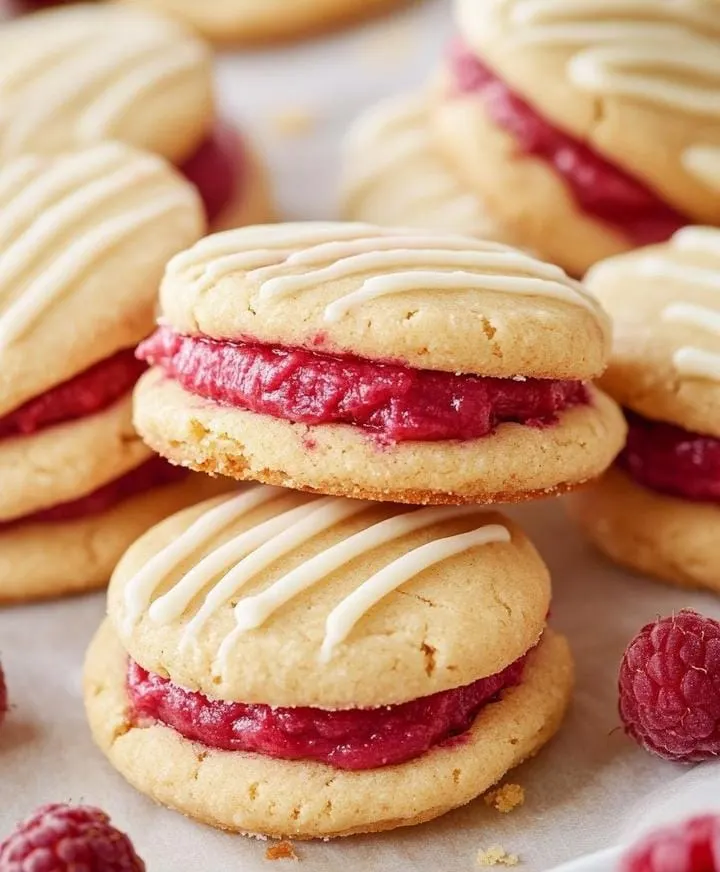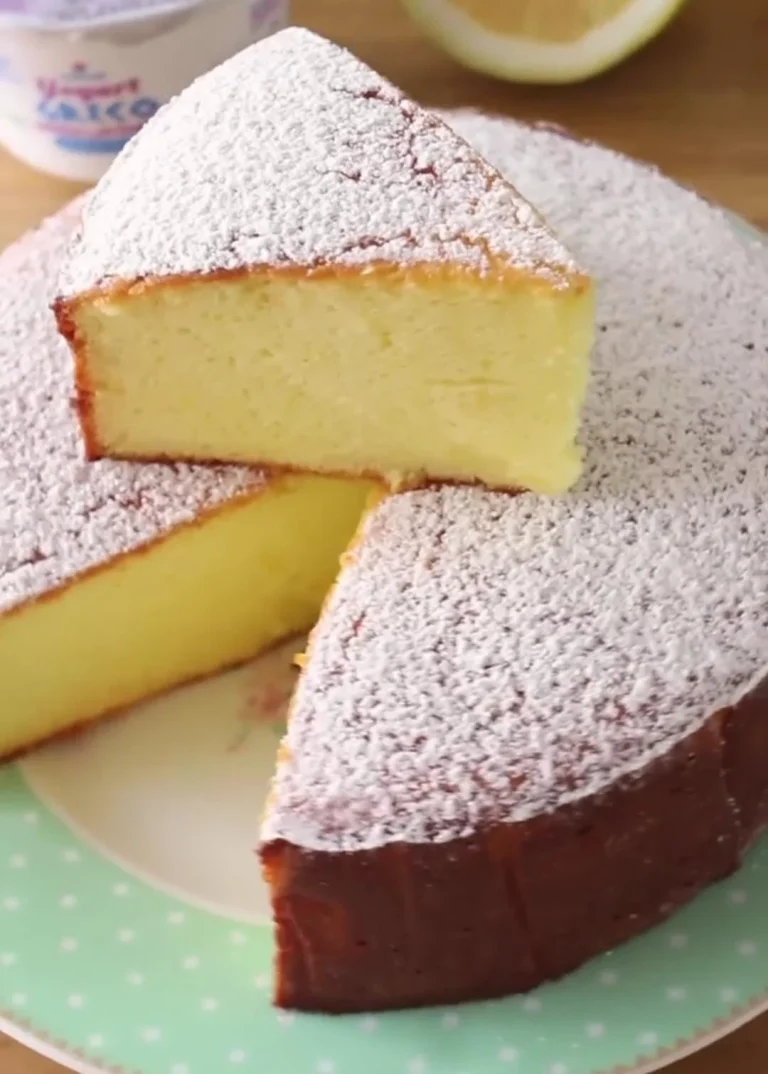
Easy Sugar-Free Flavored Glaze Recipe – Healthy, Guilt-Free Sweet Toppings for Donuts, Cakes & Cookies
Sugar-free flavored glaze recipe is a delightful way to add sweetness, shine, and flavor to your baked goods without using refined sugar. Traditionally, glazes are made with powdered sugar, milk, and flavorings, which create a glossy topping that hardens slightly as it sets. However, with the rise of low-carb, keto, and diabetic-friendly diets, bakers have sought ways to replicate that same luscious finish without the sugar. Enter sugar-free glaze—made with alternative sweeteners, natural flavors, and just the right texture to coat donuts, cookies, muffins, and cakes.

This type of glaze is not only healthier but also versatile. You can customize it to be vanilla, chocolate, citrusy, fruity, spiced, or even coffee-flavored. It works beautifully as a thin drizzle or a thicker coating, depending on how much liquid you add. Best of all, it satisfies the craving for a sweet finish while keeping blood sugar levels stable. Whether you’re baking for yourself, for family, or for guests with dietary restrictions, a sugar-free flavored glaze ensures everyone can enjoy your treats guilt-free.

Also Read: Ultimate Guide to Party Snacks
Main Ingredients Of Glaze Recipe

1. Sugar Substitutes (Erythritol, Monk Fruit, Stevia Blends, Allulose)
The backbone of sugar-free glaze is the sweetener. Powdered erythritol or blends of monk fruit and erythritol are the most common choices because they mimic powdered sugar’s texture. Allulose is another excellent option, as it dissolves well and creates a smoother finish without the cooling effect erythritol sometimes leaves. If using stevia, it’s best paired with a bulking agent like erythritol to create volume. Always choose a powdered form rather than granulated so the glaze blends seamlessly.
2. Liquid Base (Milk, Cream, Plant-Based Alternatives, or Water)
The liquid determines the glaze’s texture. A splash of milk or heavy cream makes the glaze richer and creamier, while water keeps it lighter and thinner. For vegan or dairy-free options, almond milk, coconut milk, or oat milk can be used without affecting the structure. The key is adding liquid gradually, one teaspoon at a time, until the glaze reaches the desired consistency. Too much liquid makes it runny, while too little prevents it from spreading smoothly.
3. Flavoring Extracts (Vanilla, Lemon, Almond, Maple, Peppermint)
Extracts bring life to the glaze. Vanilla extract is the most versatile, adding warmth and depth to almost any dessert. Lemon or orange extracts provide a fresh, citrusy twist. Almond extract creates a nutty elegance, while maple extract evokes cozy, autumnal flavors. Peppermint works beautifully for holiday treats. Use pure extracts rather than artificial ones for a cleaner, more natural flavor.
4. Cocoa Powder (for Chocolate Variations)
Unsweetened cocoa powder is essential for creating a rich chocolate glaze. When combined with powdered sweetener and a little liquid, it creates a luscious, dark topping. Choose high-quality cocoa powder for the best flavor—Dutch-process cocoa yields a smoother, less acidic glaze, while natural cocoa has a brighter, sharper chocolate taste.
5. Natural Fruit Powders or Purees (Strawberry, Blueberry, Raspberry)
For fruity glazes, freeze-dried fruit powders or small amounts of fruit purees can be mixed in with the sweetener and liquid. These not only provide natural flavor but also give a beautiful color without artificial dyes. If using purees, keep the quantity minimal to prevent thinning the glaze too much.
6. Spices (Cinnamon, Nutmeg, Pumpkin Spice)
Spices elevate sugar-free glazes, especially for seasonal baked goods. A pinch of cinnamon turns a simple glaze into a cozy topping for rolls or cookies. Pumpkin spice adds warmth for fall desserts, while nutmeg brings a delicate, slightly sweet complexity. These should be used sparingly to avoid overpowering the sweetness.
How to Prepare – Step by Step Of Glaze Recipe

1. Sift the Sugar Substitute
Start by sifting your powdered sugar substitute into a medium-sized mixing bowl. This removes any lumps that can cause a gritty texture and ensures your glaze blends smoothly. Powdered erythritol, allulose, or monk fruit blends can sometimes clump during storage, so sifting is an essential first step for a glossy finish.
2. Add the Base Sweetener
Measure about half a cup of your powdered sweetener as the foundation of the glaze. This is a standard amount for small batches and can easily be scaled up if you need more. The sweetener provides the structure and sweetness of the glaze, so using the right ratio is key for achieving the proper texture.
3. Incorporate the Liquid Gradually
Select your liquid—milk, cream, plant-based milk, or even water. Add just one teaspoon at a time while whisking continuously. The goal is to hydrate the sweetener slowly, preventing it from turning runny too quickly. As you mix, the glaze will begin to form into a thick, smooth paste. Adjust by adding more liquid drop by drop until it reaches a pourable yet stable consistency.
4. Mix in Flavoring Extracts
Once the sweetener and liquid form a base, add your chosen flavor extract. Vanilla extract is a classic option, while almond, lemon, or maple extracts add unique twists. Stir thoroughly to distribute the flavor evenly throughout the glaze. If using citrus extracts, a small amount of zest can also be added for a fresh, aromatic boost.
5. Customize with Cocoa or Fruit
For a chocolate glaze, whisk in one to two tablespoons of unsweetened cocoa powder, adjusting the liquid as needed since cocoa thickens the mixture. For a fruity glaze, fold in a teaspoon of freeze-dried fruit powder or a spoonful of puree. This not only adds flavor but also gives the glaze a natural tint without artificial coloring.
6. Test the Consistency
Dip a whisk or spoon into the glaze and lift it above the bowl. The glaze should fall in smooth ribbons and disappear back into the mixture within 5–10 seconds. If it’s too thick, add a few drops of liquid and whisk again. If too thin, sprinkle in more powdered sweetener. This test ensures the glaze will set properly on baked goods without sliding off.
7. Apply to Cooled Baked Goods
It’s important that the glaze is spread or drizzled over completely cooled desserts. If applied to warm baked goods, it may melt and lose its structure. Use a spoon, piping bag, or simply drizzle with the whisk to coat donuts, cakes, cookies, or pastries. The glaze will firm up slightly as it sets, leaving a shiny and delicious finish.
Variations of Sugar-Free Flavored Glaze Recipe
1. Vanilla Sugar-Free Glaze
The classic vanilla glaze recipe is the most versatile, pairing well with donuts, cookies, cakes, and pastries. To make it, use powdered erythritol or allulose, a few teaspoons of milk, and a teaspoon of pure vanilla extract. Whisk until smooth and creamy, then drizzle generously over cooled baked goods. The flavor is subtle yet elegant, enhancing desserts without overpowering them.

This glaze can be adjusted easily by making it thinner for drizzling or thicker for spreading. It works beautifully on cinnamon rolls, bundt cakes, and sugar-free shortbread. For extra depth, consider using vanilla bean paste instead of extract, which will add tiny specks of vanilla seeds and a richer aroma.
2. Chocolate Sugar-Free Glaze
A chocolate glaze recipe is perfect for topping donuts, brownies, and loaf cakes. To prepare, mix powdered sweetener with unsweetened cocoa powder, then whisk with cream or almond milk until smooth. A splash of vanilla enhances the chocolate flavor, while a pinch of espresso powder can intensify the richness. This glaze sets with a shiny finish, giving desserts a bakery-style appearance.
Chocolate glaze is especially satisfying for those craving indulgence without sugar. It pairs wonderfully with keto chocolate cakes, sugar-free muffins, or even drizzled over fresh strawberries. The balance of creaminess and cocoa makes it feel decadent while staying low in carbs.
3. Lemon Sugar-Free Glaze
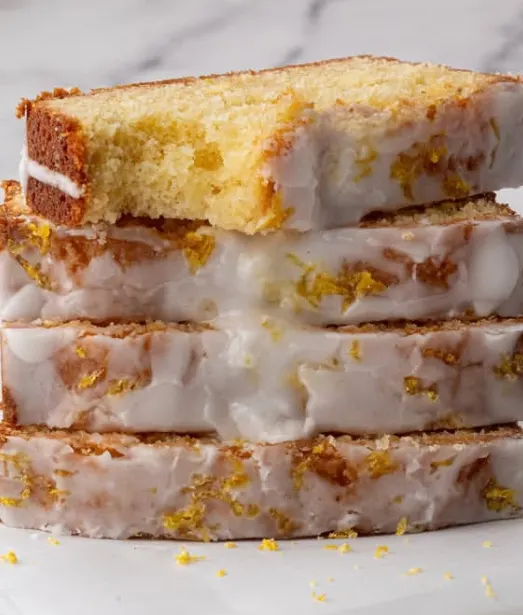
Lemon glaze recipe brings brightness and tang that contrasts beautifully with sweet baked goods. Combine powdered sweetener with fresh lemon juice instead of milk for a zesty glaze. The acidity balances the sweetness, creating a refreshing topping perfect for scones, pound cakes, or cookies. A little lemon zest can be added for extra fragrance.

This glaze is a favorite for spring and summer baking. It sets with a light sheen and adds a citrus burst that makes desserts feel lighter and fresher. If you prefer a softer tang, mix lemon juice with almond milk to mellow the sharpness. Either way, it delivers a lovely, refreshing finish.
4. Strawberry Sugar-Free Glaze
Strawberry glaze recipe adds fruity sweetness and a touch of natural pink color. To create it, mix powdered sweetener with freeze-dried strawberry powder or a small amount of pureed strawberries. Add milk or cream gradually until smooth, then whisk until evenly combined. The glaze will have a mild berry flavor that enhances vanilla cakes, sugar-free donuts, or cheesecakes.

This variation is especially fun for festive occasions like Valentine’s Day or birthdays. Its delicate pink shade makes desserts visually appealing while staying free of artificial dyes. Pair it with chocolate desserts for a classic strawberry-chocolate combination, or use it on shortbread cookies for a fruity twist.
5. Maple Sugar-Free Glaze
Maple glaze offers a warm, cozy flavor ideal for fall and winter treats. Use powdered sweetener with a few teaspoons of milk and a teaspoon of sugar-free maple extract. The result is a golden, aromatic glaze that complements baked goods like pumpkin bread, cinnamon rolls, or pecan cookies. The subtle caramel-like undertone gives desserts a comforting, seasonal appeal.
This glaze is particularly popular during holiday baking, where its flavor pairs well with spices like cinnamon and nutmeg. It can also be used on waffles or pancakes as a lighter alternative to syrup. Its versatility and nostalgic flavor make it a staple in sugar-free baking.
6. Cinnamon Sugar-Free Glaze
Cinnamon glaze is perfect for adding warmth and spice to desserts. Combine powdered sweetener with milk, then stir in a teaspoon of ground cinnamon and a splash of vanilla extract. The result is a creamy, spiced glaze that enhances muffins, bundt cakes, or cookies. Its rich aroma makes baked goods feel more inviting and comforting.
This variation is especially loved in autumn, where it pairs beautifully with apple desserts or pumpkin-flavored treats. The subtle spice balances sweetness, creating a glaze that feels cozy without being overwhelming. It’s an excellent choice for adding seasonal charm to everyday sugar-free baking.
Serving Ideas & Uses Of Glaze Recipe
Sugar-free flavored glazes can be used in endless ways. Drizzle them over donuts for a bakery-style finish, coat cookies for a glossy sheen, or pour them over cakes for added flavor and presentation. A thin glaze can be used as a light drizzle over muffins, while a thicker version can be spread like frosting on bars and loaf cakes. They also work beautifully as dipping glazes for fruit or as a topping for pancakes and waffles.
Storage Tips Of Glaze Recipe
Sugar-free glaze keeps best in an airtight container in the refrigerator for up to one week. If it thickens too much, whisk in a few drops of milk before using. For make-ahead baking, prepare the glaze fresh on the day of serving for the smoothest consistency. If frozen, it may separate slightly but can often be revived by whisking after thawing.
Troubleshooting & Tips Of Glaze Recipe
- For stronger flavor: Double the extract or add zest/purees sparingly.
- If glaze is too runny: Add more powdered sweetener gradually until thickened.
- If glaze is too thick: Add liquid one drop at a time, whisking until smooth.
- If glaze is grainy: Make sure the sweetener is powdered and sifted before mixing.
- For shine: Use a small amount of cream rather than water.
Conclusion
Sugar-free flavored glaze recipe is a versatile, delicious way to enjoy desserts while keeping them lighter, healthier, and friendly to special diets. With just a few simple ingredients, you can create glazes in endless flavors—from classic vanilla to fruity strawberry or spiced cinnamon.
These glazes prove that cutting back on sugar doesn’t mean sacrificing flavor, presentation, or enjoyment. Whether you’re baking for yourself or for loved ones with dietary restrictions, sugar-free glazes let you share sweet moments without guilt. Once you master the basics, the possibilities are endless—every cake, cookie, donut, and muffin can shine with its own unique glaze.