
Pineapple Teriyaki Chicken Bowl — Sweet & Savory Hawaiian-Style Teriyaki Chicken
What is Pineapple Teriyaki Chicken?
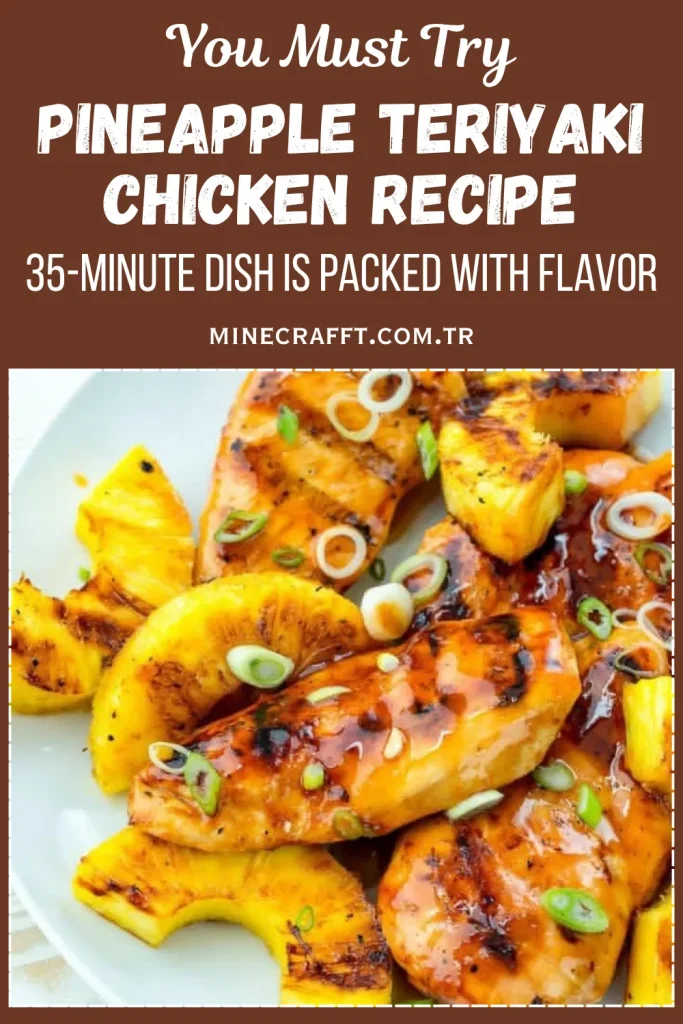
Pineapple Teriyaki Chicken is a vibrant, crowd-pleasing dish that blends the classic Japanese teriyaki flavor profile — soy, sugar, ginger, garlic — with bright, sweet pineapple and a savory glazed finish. While teriyaki itself originates in Japan, the pineapple twist is a popular Hawaiian and fusion adaptation that adds natural acidity and caramelized sweetness. The result is tender, glossy chicken coated in a sticky teriyaki-pineapple glaze, often served over rice, with steamed vegetables or in a bowl with greens for a balanced meal. It’s a year-round recipe but especially loved in warm months for its tropical notes.
This recipe is ideal for busy weeknights because the sauce comes together quickly, chicken cooks fast, and it scales easily. You can make it on the stovetop in a single skillet, roast it in the oven, or grill it for a smoky finish. The pineapple adds not only flavor but digestive enzymes (bromelain) that help tenderize the chicken when used in marinades. Below you’ll find precise ingredient measurements, step-by-step technique, and options to make it lighter, gluten-free, or meal-prep friendly.

Nutritional Overview (per serving — recipe yields 4 servings)
Values are approximate and based on 4 servings served with 1 cup cooked white rice per person. Using lean breast vs thigh and swapping white rice for brown will change totals.
- Calories: ~560 kcal
- Protein: ~36 g
- Carbohydrates: ~62 g
- Fat: ~14 g
- Fiber: ~2.8 g
- Sodium: ~950 mg (largely from soy sauce; use low-sodium to reduce)
- Sugars: ~24 g (natural from pineapple + added sugar/honey)
If served without rice or on a bed of salad greens, calories fall substantially and protein percentage increases. For a lower-sodium version, use low-sodium soy sauce or coconut aminos and reduce added sugar.
Also read: Ultimate Vegan Sushi Recipe
Yield and Total Recipe Quantity
- Yield: 4 main-course servings (about 1 cup sauced chicken + pineapple per person)
- Total cooked weight (approx): 900–1,000 g (about 2.0–2.2 lb) finished dish including sauce and pineapple
- Prep time: 10–20 minutes (active)
- Marinate time (optional): 15 minutes — up to 2 hours for deeper flavor
- Cook time: 12–18 minutes depending on method
Equipment Notes
- Large skillet or nonstick sauté pan (10–12 inch / 25–30 cm) or a wok for stovetop method
- Cutting board and sharp chef’s knife
- Measuring cups and spoons or kitchen scale (grams for precision)
- Small saucepan for reducing sauce (if you prefer to cook sauce separately)
- Tongs or slotted spoon for turning chicken
- Optional: grill or broiler for charred finish, or ovenproof skillet if finishing in oven
Main Ingredients — exact quantities and why each matters (serves 4)

Protein & Produce
- Boneless skinless chicken thighs — 1.5 lb (700 g), trimmed and cut into 1-inch pieces
Thighs are forgiving, stay juicy, and take glaze well. If you prefer leaner meat, substitute 1.5 lb (700 g) chicken breast, cut into pieces — reduce cook time slightly to avoid drying. - Fresh pineapple — 2 cups (300 g) fresh pineapple chunks (or 1 can (20 oz) pineapple tidbits in juice, drained — reserve juice for sauce)
Fresh pineapple caramelizes best and gives a bright acidity; canned works in a pinch and its juice can enhance the teriyaki. - Green onions (scallions) — 3 stalks, thinly sliced (about 30 g)
For finishing and freshness; slice white and green parts separately. - Sesame seeds — 1 tablespoon (9 g), toasted (optional)
Adds nuttiness and presentation.
Teriyaki-Pineapple Sauce (makes ~1 1/4 cups / 300 ml — enough to glaze all chicken)
- Soy sauce (or low-sodium soy) — 1/3 cup (80 ml)
Provides umami and salt; low-sodium reduces overall sodium greatly. - Brown sugar — 3 tablespoons (45 g), packed
Molasses in brown sugar deepens caramel notes; you can substitute coconut sugar or reduce to 2 tablespoons for a less sweet glaze. - Pineapple juice — 1/4 cup (60 ml) (use juice from canned pineapple or 60 ml fresh pressed)
Adds natural sweetness and acidity; enhances pineapple character. - Rice vinegar — 1 tablespoon (15 ml)
Balances sweetness and brightens flavor; can substitute apple cider vinegar. - Honey — 1 tablespoon (21 g) or maple syrup — adds sheen and flavor complexity; optional but recommended.
- Fresh ginger — 1 tablespoon (6 g) finely grated
Bright, zesty backbone for teriyaki. - Garlic — 2 cloves (6–8 g) minced
Savory depth. - Sesame oil — 1 teaspoon (5 ml)
Finishing aroma; use sparingly. - Cornstarch slurry — 1 tablespoon cornstarch (8 g) mixed with 2 tablespoons cold water (30 ml)
Thickens the sauce to a glossy glaze; omit for a thinner sauce. - Red pepper flakes — 1/4 teaspoon (optional)
For subtle heat; adjust to taste.
Pan & Finishing
- Neutral oil for cooking — 1 tablespoon (15 ml) (canola, vegetable, or avocado oil)
For high-heat searing without burning. - Salt & black pepper — salt to taste (about 1/4-1/2 teaspoon) and 1/4 teaspoon freshly ground black pepper
Tiny seasoning adjustments optimize flavor.
Optional Accompaniments (quantities per serving or per recipe)
- Cooked white rice or brown rice — 3 cups cooked (approx. 600 g) total for 4 servings
- Steamed broccoli, edamame, or mixed greens — 2 cups steamed veggies total
- Sriracha or chili garlic sauce — for drizzling if you like heat
Ingredient Notes & Important Points
- Chicken choice: thighs = juicier and forgiving; breasts = leaner. Both work well; adjust cook time for breast to avoid dryness.
- Pineapple: fresh yields the best caramelization and a brighter acid profile; canned is convenient and provides usable juice for the sauce. Avoid using pineapple syrup (too sweet) unless thinning with water.
- Soy alternatives: coconut aminos are a great gluten-free, lower-sodium alternative; measure the same but taste and adjust sugar.
- Balancing sweetness & salt: taste your sauce before glazing; pineapple juice varies in sweetness — reduce brown sugar if using very sweet pineapple.
How to Prepare — Step-by-step (Part 1: prep, marinate, start cooking)
Begin by preparing all mise en place — cut chicken into 1-inch pieces, core and cube fresh pineapple into roughly 1-inch chunks (you want similar size to chicken), mince garlic, grate ginger, and slice green onions. If using canned pineapple, drain well and reserve 1/4 cup of the juice to add to the sauce.
Next, make the teriyaki-pineapple sauce. In a bowl or measuring cup combine 1/3 cup soy sauce, 3 tbsp brown sugar, 1/4 cup pineapple juice, 1 tbsp rice vinegar, 1 tbsp honey, 1 tbsp grated ginger, and 2 minced garlic cloves. Stir until the sugar is mostly dissolved. Taste the mixture — it should taste balanced: salty, sweet, and slightly tangy. If it tastes too salty, add 1–2 teaspoons of honey or reduce soy sauce next time; if too sweet, add a splash of rice vinegar.
If you like extra depth, reserve 2–3 tablespoons of this raw sauce as a marinade — toss the chicken in it and refrigerate for 15 minutes (or up to 2 hours) to let pineapple enzymes and ginger tenderize and infuse the meat. If short on time, you can skip marinating — the quick pan technique still produces great results.
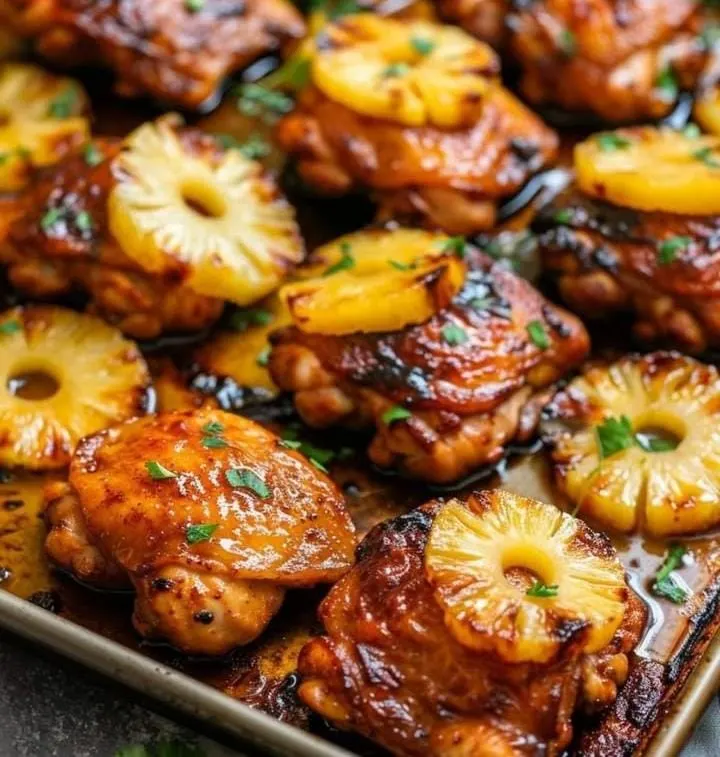
Heat a large skillet over medium-high heat and add 1 tablespoon neutral oil. Once shimmering, add the chicken pieces in a single layer (do not overcrowd — cook in batches if necessary). Season lightly with a pinch of salt and the 1/4 teaspoon black pepper. Sear the chicken without moving for 2–3 minutes to develop color, then stir and continue cooking until exterior is golden and nearly cooked through (approximately 4–6 minutes total depending on piece size). Transfer chicken to a plate while you cook pineapple — caramelization of pineapple adds flavor to the finished dish.
In the same skillet, add a little more oil if needed and add the pineapple chunks. Sear pineapple over medium-high heat for 2–3 minutes until edges caramelize and bits start to brown; this concentrates sweetness and elevates the sauce. Once pineapple is caramelized, return the chicken to the pan and pour the teriyaki mixture over everything. Stir to combine and bring to a simmer.
Once you’ve poured the teriyaki mixture over the cooked chicken and caramelized pineapple, reduce the heat to medium. Let the sauce begin to bubble gently around the edges. The combination of sugar, honey, and pineapple juice will start to create a light glaze that coats the meat. Stir frequently so the sauce does not stick to the pan. As the liquid reduces, it will begin to thicken and take on a glossy amber color. This process usually takes about 4–6 minutes.
Meanwhile, prepare your cornstarch slurry by whisking 1 tablespoon cornstarch with 2 tablespoons cold water until smooth. Slowly pour this slurry into the simmering sauce while stirring constantly. Within a minute, the sauce will become noticeably thicker, creating that signature sticky teriyaki consistency. If you prefer a lighter coating, you can instead reduce the sauce naturally by simmering a few minutes longer without cornstarch. Taste and adjust seasoning: add a dash of soy for salt, or honey for sweetness.
Once the sauce reaches your desired consistency, drizzle in 1 teaspoon sesame oil for fragrance and scatter half of the sliced green onions into the pan. Stir gently to coat the chicken and pineapple evenly. The glaze should cling smoothly to the meat and fruit. Remove the skillet from heat and let it rest for 2–3 minutes; this helps the sauce settle and the chicken remain tender. Sprinkle the remaining green onions and sesame seeds on top before serving.
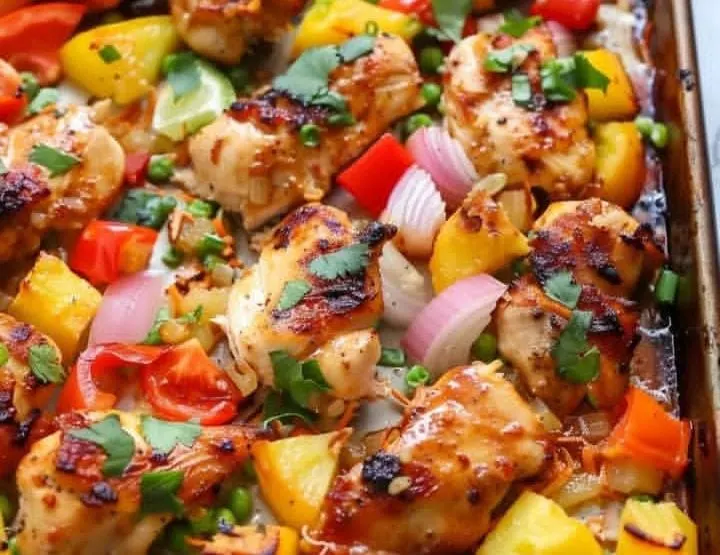
Serving and Presentation Ideas
Serve this dish over a warm bed of steamed jasmine or brown rice. The sweetness of the sauce pairs beautifully with the subtle aroma of jasmine rice, while brown rice adds nutty depth and extra fiber. For a lighter option, serve over cauliflower rice or shredded cabbage slaw to keep the texture crisp.
You can also turn this into a Pineapple Teriyaki Chicken Bowl by layering cooked rice or quinoa, steamed broccoli, sliced bell peppers, and cucumber ribbons beneath the chicken mixture. Drizzle leftover glaze on top and garnish with extra sesame seeds for a professional presentation.
Another serving idea is to make teriyaki lettuce wraps: spoon the warm mixture into large butter-lettuce leaves and top with shredded carrots and crushed peanuts. This variation turns the dish into a handheld, refreshing meal that’s perfect for summer gatherings.
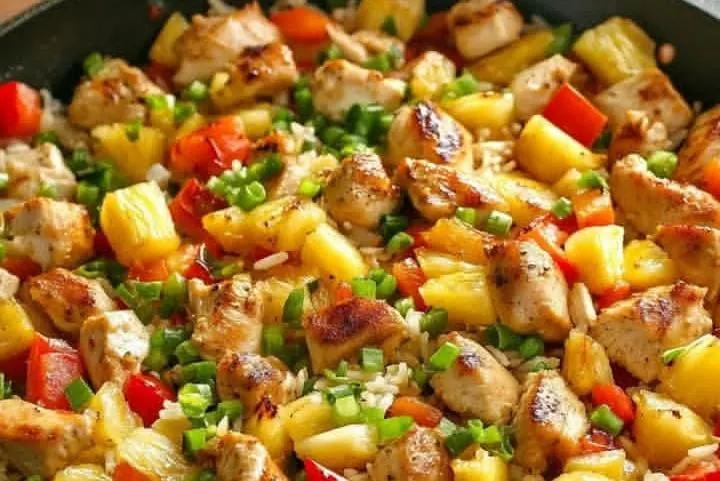
Healthy Habits and Nutrition Insights
Lean Protein and Controlled Sugar
Chicken provides high-quality protein with relatively low saturated fat. Opting for boneless, skinless chicken breasts reduces calories and total fat content by roughly 25–30 %. The recipe’s sweetness can be managed by replacing part of the brown sugar with unsweetened pineapple juice or a natural sweetener such as honey or maple syrup, both of which contribute trace minerals.
Balanced Sodium and Flavor
Traditional teriyaki sauce can be high in sodium, but using low-sodium soy sauce or coconut aminos lowers total salt without losing umami depth. Incorporating fresh ginger and garlic enhances flavor naturally, helping you rely less on added salt.
Whole-Grain and Fiber Choices
Pairing your chicken with brown rice, quinoa, or wild rice boosts fiber and stabilizes blood sugar. For those on low-carb diets, cauliflower rice or spiralized zucchini works wonderfully, keeping total carbs under 25 g per serving.
Healthy Cooking Techniques
Because this recipe uses only one tablespoon of neutral oil and air-reduces the sauce rather than deep-frying, total fat remains moderate. Using an air fryer or grill for the chicken before glazing also limits oil while delivering a smoky depth of flavor.
Variations of Pineapple Teriyaki Chicken
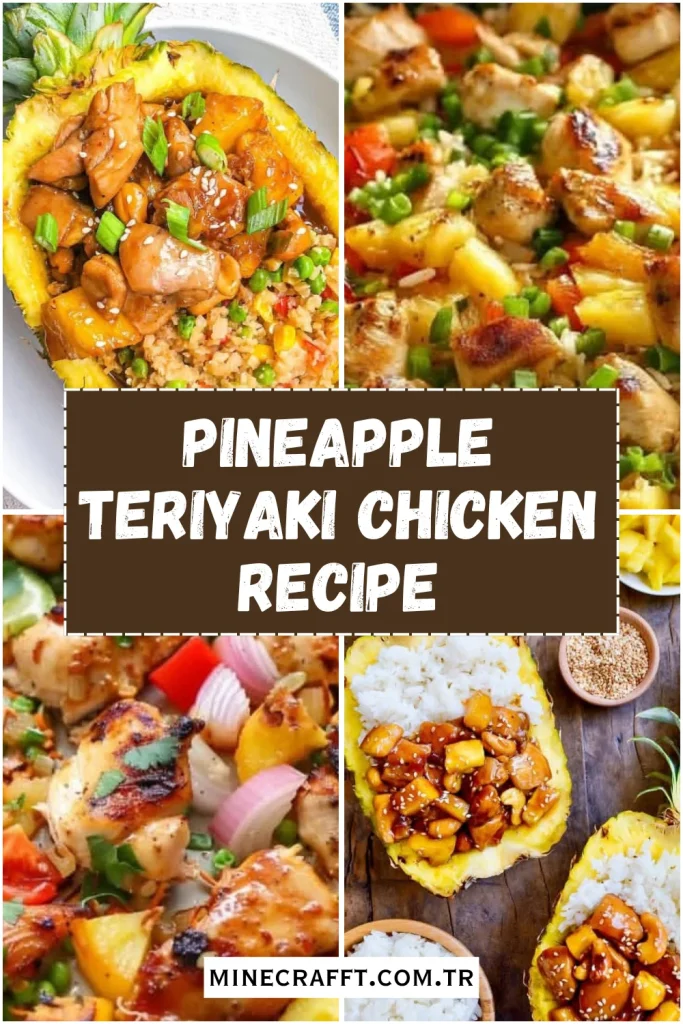
1. Grilled Pineapple Teriyaki Chicken
Paragraph 1:
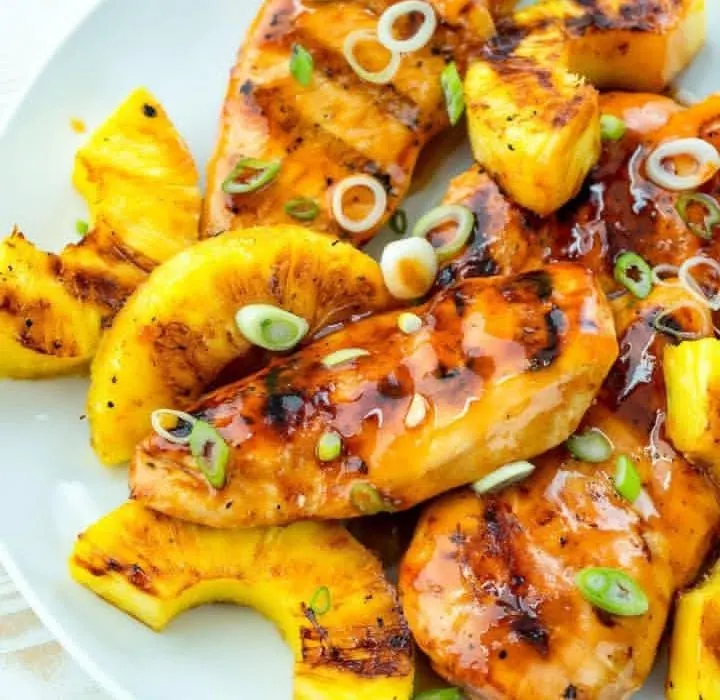
For a smoky, summer-style twist, grill both the chicken and pineapple instead of pan-searing. Marinate 1.5 lb chicken thighs in half the teriyaki-pineapple sauce for at least 30 minutes, then grill on medium-high heat for 4–5 minutes per side until lightly charred. Brush remaining sauce onto each piece during the last minute of grilling to form a glossy glaze. The heat caramelizes the sugars from the pineapple juice, producing an irresistible smoky-sweet aroma.
Paragraph 2:
Serve the grilled pieces over rice or tuck them into Hawaiian rolls for sliders. Grilling intensifies the sweetness and gives a slight crisp edge to each bite, making this version excellent for outdoor gatherings. If desired, finish with a quick sprinkle of toasted coconut flakes for texture and a tropical accent. The charred pineapple rings not only taste wonderful but also create a visually striking presentation.
2. Pineapple Teriyaki Chicken Stir-Fry
Paragraph 1:
Transform the recipe into a vegetable-packed stir-fry by adding 2 cups mixed vegetables such as bell peppers, snap peas, broccoli florets, and carrots. Stir-fry these vegetables in a tablespoon of oil for 3 minutes before adding cooked chicken and pineapple. Pour the teriyaki-pineapple sauce over everything and toss rapidly until coated. The vegetables remain slightly crisp while absorbing the savory glaze.
Paragraph 2:
This variation adds fiber, vitamins A and C, and bright color to your meal. You can serve it over rice noodles or brown rice for a quick, balanced dinner ready in under 25 minutes. Using a wok allows even heat distribution and a light char on the vegetables without overcooking them. For additional zest, finish with lime juice and chopped cilantro just before serving.
3. Slow-Cooker Pineapple Teriyaki Chicken
Paragraph 1:
For a hands-off version, place all ingredients (except cornstarch slurry and sesame oil) into a slow cooker. Cook on low for 4–5 hours or high for 2–3 hours until chicken is tender. In the last 20 minutes, stir in the cornstarch slurry and sesame oil to thicken and enrich the sauce. The slow cooking process allows flavors to meld, producing deeply caramelized sweetness without constant supervision.
Paragraph 2:
This version yields softer textures and slightly more sauce, perfect for spooning over steamed rice or noodles. It’s also meal-prep friendly — portion into airtight containers, refrigerate for up to 4 days, and reheat gently. Because the sauce continues to thicken as it cools, add a splash of water or pineapple juice when reheating to restore its silky texture.
4. Spicy Pineapple Teriyaki Chicken
Paragraph 1:
If you enjoy a bit of heat, enhance the base recipe by adding 1 tablespoon sriracha or ½ teaspoon crushed red pepper flakes to the sauce before simmering. The spicy component balances the sweetness of pineapple and honey, creating a flavor similar to sweet-heat Asian BBQ. The spice also boosts metabolism and adds depth without extra calories.
Paragraph 2:
For visual appeal, garnish with thinly sliced red chilies or sprinkle with chili flakes before serving. Pair this version with coconut rice or even mango salsa for a fusion-style presentation. It’s an excellent dish for those who love contrasting flavors — fiery, sweet, tangy, and savory all in one bite.
5. Pineapple Teriyaki Chicken Meal-Prep Bowls
Paragraph 1:
Divide cooked teriyaki chicken and pineapple among four meal-prep containers with ¾ cup cooked rice and a handful of steamed vegetables. Spoon extra sauce over the top and allow it to cool before sealing. These bowls store well in the refrigerator for up to 4 days, retaining flavor and texture even after reheating.
Paragraph 2:
To reheat, sprinkle a tablespoon of water over the chicken and microwave for 1–2 minutes or warm in a skillet until the glaze re-melts. This version supports consistent, portion-controlled meals with balanced macros — around 35 g protein, moderate carbs, and limited fat. It’s ideal for busy weekdays, athletes, or anyone seeking homemade nutrition on the go.
Tips for Success
- Avoid over-reducing the sauce. Teriyaki thickens quickly; remove it from heat when glossy rather than sticky.
- Cut uniform chicken pieces so they cook evenly.
- Fresh pineapple wins for texture and enzyme activity; canned works but rinse syrupy varieties.
- Use medium-high heat for searing to develop color without drying the meat.
- Add sesame oil last to preserve aroma and prevent bitterness.
- Taste as you go—sauce sweetness varies with pineapple brand and soy-sauce saltiness.
Storage & Reheating
Store leftovers in a glass container for up to 4 days refrigerated. To freeze, cool completely and portion into freezer bags; remove as much air as possible to prevent freezer burn. Freeze up to 3 months. Reheat gently on the stovetop with a splash of water or pineapple juice until the sauce becomes smooth again. Avoid microwaving too long, which can toughen the chicken.
Final Thoughts
Pineapple Teriyaki Chicken unites sweet tropical brightness with savory depth, creating a balanced, family-friendly dish that never fails to please. The tang of pineapple softens the salt of soy sauce, while the honeyed glaze wraps each bite in glossy flavor. It’s flexible enough for weeknights yet elegant enough for entertaining.
Whether you grill, stir-fry, or slow-cook it, the core principle stays the same — balance of sweetness, salt, acid, and umami. Mastering this ratio is the secret to authentic-tasting teriyaki with a fresh, modern twist. Keep this recipe bookmarked as your go-to for quick comfort that feels like a mini tropical getaway right at your dining table.


