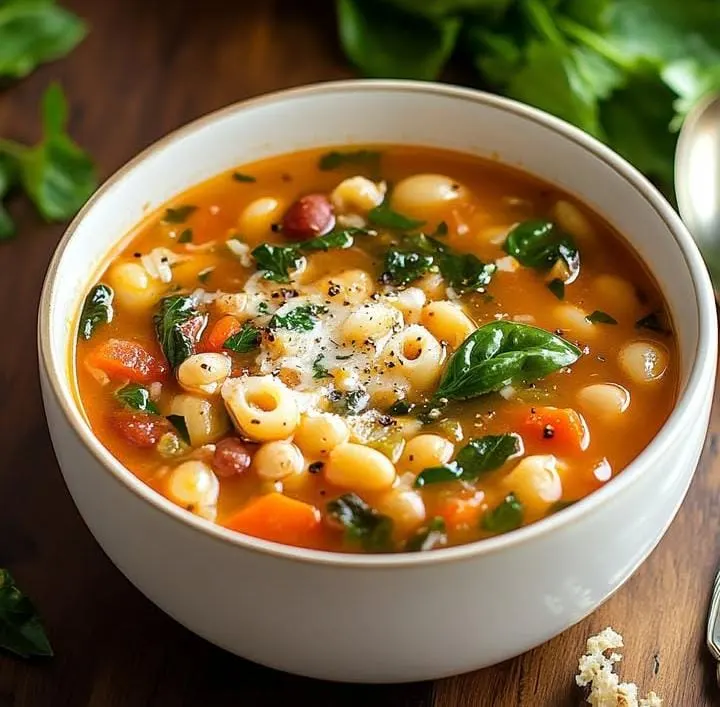
Authentic Hungarian Mushroom Soup Recipe — Creamy Paprika Mushroom Soup
Hungarian mushroom soup is a classic comfort dish from Central Europe that brings together the warm, aromatic depth of paprika with the earthiness of mushrooms and the gentle tang of cultured cream. Rooted in home kitchens across Hungary and surrounding regions, this soup appears in many family repertoires, each variation reflecting local produce, seasonal mushrooms, and the cook’s own taste.
At its heart, the recipe balances a savory aromatic base of onions and garlic, deeply sautéed mushrooms that lend umami, and a broth thickened lightly and finished with sour cream or cream for silkiness. The signature flavor comes from the careful use of Hungarian sweet paprika, which provides color and a mild sweetness rather than heat when handled correctly. This soup is versatile: it can be a light starter, a satisfying main with bread for dunking, or an elegant bowl served at dinner when you want something both simple and refined.

In modern kitchens it is easily adapted to dietary needs—gluten-free, vegetarian, or dairy-free versions are straightforward—so the dish continues to be popular among diverse eaters. In this article you will find a detailed explanation of every main ingredient, step-by-step preparation described in depth, multiple variations explained in clear paragraph form, practical troubleshooting, and serving suggestions that will help you make a reliable, flavorful Hungarian mushroom soup at home.
Main Ingredients

Mushrooms
Mushrooms are the foundation of flavor in this soup. Use a mix of cremini and button mushrooms for reliability and cost-effectiveness, or include wild varieties such as chanterelles, oyster mushrooms, or dried porcini for a more complex, earthy profile. Fresh mushrooms should be firm and dry to the touch; avoid specimens that are slimy or heavily spotted. If using dried mushrooms, rehydrate them in warm water and reserve the soaking liquid—after straining—for extra umami in the stock. Slice mushrooms into pieces of similar size so they cook evenly, and give them time to brown rather than steam; Maillard browning yields deep, savory flavor that becomes the heart of the soup.
Onions
Yellow or white onions provide sweetness and body when gently sautéed at the beginning of the recipe. Cooking onions slowly until translucent and slightly softened releases sugars that create a savory backbone for the soup. Finely diced onions will integrate into the broth and enrich it, while a bit more caramelization can be sought if you prefer a roasted note. Avoid turning the heat too high early on; gradually developed sweetness is more valuable than quick charring when building the base flavor.
Garlic
Garlic is used sparingly to avoid overpowering the delicate mushroom flavor. Introduce minced garlic toward the end of the sauté step so it releases aromatic oils without becoming bitter. Fresh garlic is preferable for its brighter aroma, though roasted garlic can be substituted in richer, creamier versions to add mellow, sweet undertones. If you cannot use fresh garlic, a modest pinch of garlic powder can provide background depth without altering the texture.
Butter and Oil
A combination of butter and neutral oil is ideal: butter contributes a round, savory richness while oil raises the smoke point and prevents burning. Use clarified butter or a blend of butter and vegetable oil if you plan to cook at higher heat to brown mushrooms. For dairy-free preparations, choose a neutral oil or a plant-based butter substitute, and be mindful that replacing butter may alter mouthfeel and flavor, so adjust seasoning and finishing touches accordingly.
Paprika
Hungarian sweet paprika is the signature spice of this soup and should be fresh for the fullest aroma and brightest color. Paprika can become bitter if overheated, so it is best added off-heat or on very low heat, briefly blooming in fat to release its oils. There are multiple styles—sweet (édess), semi-sweet (félédes), and hot (csípős); the sweet type is most traditional here, but a touch of smoked paprika can introduce a pleasing depth. Store paprika in a cool, dark place to preserve its flavor.
Flour or Gluten-Free Thickener
A small amount of all-purpose flour traditionally forms a light roux and gives the soup body without making it heavy. For gluten-free versions use rice flour, cornstarch, or a gluten-free blend; if using cornstarch, make a slurry with cold water and add slowly while simmering. Whichever thickener you use, cook it briefly to remove raw taste and achieve a smooth consistency. The goal is a slightly velvety mouthfeel rather than a heavy chowder-like texture.
Stock
Quality stock is essential because it becomes the liquid canvas for all flavors. Chicken stock yields a fuller background, while vegetable stock keeps the soup vegetarian and neutral enough to highlight mushrooms and paprika. Homemade stock, simmered with scraps for several hours, will add the most depth, but low-sodium store-bought stock can work if you adjust seasoning carefully. If using dried mushroom soaking liquid, strain it well and add a measured amount to enrich the broth without introducing grit.
Sour Cream or Cream
Sour cream is a common finishing ingredient in many Hungarian preparations, contributing tang and silkiness. Stir sour cream in near the end, tempered with a little hot broth to avoid curdling, or choose heavy cream for a more luxurious texture. For lighter versions, use low-fat sour cream or a combination of yogurt and cream; for dairy-free, consider unsweetened coconut milk or a plant-based yogurt, but be mindful that coconut carries its own flavor which may shift the character of the soup.
Herbs and Seasonings
Fresh parsley is the classic garnish, offering brightness that cuts through the richness. Caraway seeds or marjoram may be used sparingly in some regional variations to add a subtle anise or floral note respectively. Bay leaves during simmering add a gentle depth but should be removed before serving. Always season with salt thoughtfully and finish with freshly ground black pepper; a small squeeze of lemon or a few drops of vinegar at the end can lift the overall flavor if the soup feels too flat.
Acid and Finishing Touches
A touch of acid—lemon juice, a splash of sherry vinegar, or even a little white wine—can brighten the finished soup and highlight the paprika’s sweet edge. A final knob of butter or a swirl of good olive oil adds gloss and mouthfeel. Garnishes such as chopped chives, dill, or toasted bread cubes provide texture and visual contrast, elevating a humble bowl into a thoughtful presentation.
How to Prepare Hungarian Mushroom Soup
Hungarian mushroom soup may look simple, but its success depends on careful preparation and respect for the ingredients. Below is a detailed, step-by-step method to ensure every spoonful tastes rich, balanced, and comforting.

Step 1: Mise en Place – Preparing Ingredients
Before you start cooking, gather and prepare all the ingredients. This French culinary term, meaning “everything in its place,” ensures a smooth workflow and prevents mistakes once the heat is on.
- Mushrooms: Clean them gently with a damp cloth or brush instead of soaking, which can make them waterlogged. Slice them evenly so they cook uniformly.
- Onions and Garlic: Dice onions finely to allow them to melt into the base of the soup. Mince garlic just before cooking so it stays aromatic and doesn’t oxidize.
- Paprika and Flour: Measure paprika in advance to avoid scrambling while cooking. Set aside flour (or your chosen gluten-free thickener) so you can add it without delay.
- Stock and Dairy: Keep your stock warm in a separate pot to prevent sudden temperature drops when added. Have sour cream or cream ready for tempering later.
This preparatory step may seem small, but it lays the foundation for stress-free cooking and ensures every ingredient is used at the right moment.
Step 2: Building the Aromatic Base
Heat a heavy-bottomed pot—such as a Dutch oven—over medium heat. Add butter along with a splash of oil. The butter provides richness and depth, while the oil prevents it from burning.
- Onions First: Add diced onions and cook them slowly. The goal is not caramelization but translucency with gentle sweetness. Stir occasionally, letting them soften for about 6–8 minutes.
- Why Slow Cooking Matters: Rushing onions over high heat can burn their sugars, leading to bitterness. Gentle cooking draws out natural sweetness and ensures they meld smoothly into the soup.
This base becomes the backbone of flavor that supports the mushrooms and paprika later.
Step 3: Browning the Mushrooms

Once the onions are softened, it’s time for the star ingredient—mushrooms. Raise the heat slightly before adding them.
- Do Not Overcrowd: Mushrooms release water as they cook. If too many are added at once, they’ll steam instead of brown. Work in batches if needed.
- Patience Pays: Let mushrooms sit undisturbed for a minute or two at a time before stirring. This encourages browning, which develops savory, nutty flavors (a process known as the Maillard reaction).
- Cooking Time: Depending on the quantity and type, mushrooms should take 8–10 minutes to develop a golden color and reduced moisture.
Browning is critical because it amplifies the earthy flavor and creates the richness Hungarian mushroom soup is known for.
Also Read: 10-Minute Easy Egg Drop Soup
Step 4: Blooming the Paprika
Paprika is delicate and can burn quickly if exposed to high heat, turning bitter. To preserve its sweet, smoky aroma:
- Remove the pot briefly from direct heat.
- Stir in the measured paprika, allowing it to bloom in the fat for 20–30 seconds.
- Immediately proceed to the next step before the paprika scorches.
This blooming process unlocks paprika’s natural oils, giving the soup its signature flavor and color.
Step 5: Creating the Roux or Thickener Base
After paprika is incorporated, stir in flour (or a gluten-free alternative) to create a light roux. Cook it for 1–2 minutes to eliminate the raw flour taste.
- Consistency Goal: The mixture should resemble a slightly pasty texture coating the mushrooms and onions.
- Why It’s Important: This step ensures the final soup has body without becoming heavy or gluey. A good roux thickens gently and evenly once liquid is added.
For gluten-free versions, skip the roux and instead add a cornstarch slurry later during simmering.
Step 6: Adding Stock and Deglazing
With the roux in place, gradually pour in warm stock while whisking or stirring constantly. This prevents lumps and integrates the base smoothly into the liquid.
- Deglazing Option: If you choose to use wine, splash it into the pot just after browning mushrooms and scrape up browned bits. Reduce the wine for 1–2 minutes before adding stock for a layered flavor.
- Liquid Choices: Chicken stock makes the soup richer, while vegetable stock keeps it vegetarian. A splash of mushroom soaking liquid can intensify the umami depth.
At this stage, you should have a fragrant, slightly thickened broth with mushrooms suspended evenly.
Step 7: Simmering the Soup
Bring the soup to a gentle simmer and cook uncovered for 20–30 minutes. This allows flavors to meld and the soup to reduce slightly for concentration.
- Do Not Rush: A slow simmer encourages balance between paprika, mushrooms, and stock.
- Check Consistency: The soup should become velvety but not overly thick. Adjust by simmering longer (to reduce) or adding a splash more stock (to thin).
- Add Dried Mushrooms Now: If using, chop rehydrated mushrooms and stir them in with their strained soaking liquid.
This stage deepens flavor and ensures the soup is hearty yet smooth.
Step 8: Tempering and Adding Dairy
Directly adding sour cream or cream to hot soup can cause curdling. To prevent this:
- In a separate bowl, whisk a few spoonfuls of hot soup broth into the dairy to slowly raise its temperature.
- Once smooth and warm, stir the mixture back into the pot over very low heat or off the stove.
This technique, called tempering, guarantees a silky, luxurious finish without separating the cream.
Step 9: Seasoning and Balancing

Taste the soup carefully before serving. Adjust seasoning step by step:
- Salt: Enhances overall flavor but should be added gradually, especially if using salted stock.
- Pepper: Freshly ground black pepper adds mild heat and fragrance.
- Acidity: A squeeze of lemon juice or a splash of vinegar lifts the flavors, preventing the soup from tasting heavy.
Balancing seasoning is the difference between a good soup and an outstanding one.

Variations
Classic Hungarian Mushroom Soup
Classic Hungarian mushroom soup emphasizes sweet Hungarian paprika, a gentle roux, and a finishing of sour cream for a familiar, balanced flavor.
Begin by sautéing onions and mushrooms until deeply golden, then add paprika off the heat and a light flour roux to thicken subtly.
Simmer in chicken or vegetable stock, temper and stir in sour cream toward the end, and finish with parsley and black pepper.
This version celebrates simplicity and technique, highlighting the paprika without overpowering the mushrooms.
It is perfect served with rye or a crusty country loaf to soak up the aromatic broth.
Savoring the classic means paying attention to timing: brown the mushrooms, avoid burning the paprika, and warm the sour cream slowly. The texture should be silky but not overly creamy, with the mushrooms retaining slight chew and the broth carrying gentle spice. A small amount of caraway or marjoram can be added during simmering for regional authenticity. Serve piping hot and garnish with extra parsley and a lemon wedge to brighten each spoonful. This straightforward approach lets the key ingredients shine and is the foundation for other variations.
Creamy Paprika and Mushroom Soup
This richer variation increases the amount of cream or sour cream for a luscious, velvety texture that feels indulgent.
Begin the recipe as usual but reserve a larger portion of cream to fold in off-heat for a glossy finish.
Use a bit more butter when sautéing to build extra flavor and consider adding a splash of dry white wine when deglazing the pan.
The result is a silky, luxurious soup that is excellent for special dinners or a cozy date-night meal.
Serve with toasted sourdough and a crisp green salad to balance the richness.
Careful seasoning is essential here because richer soups need a bright element; finish with lemon juice or a sprinkle of vinegar.
A delicate dusting of smoked paprika on top can deepen the flavor without making the soup heavy.
Choose higher-fat cream for the most velvety mouthfeel, or use ricotta blended smooth for a slightly different dairy note.
Garnish with chives and a drizzle of good olive oil to add herbaceousness and shine.
This is a delicious option when you want a bowl that feels particularly comforting and indulgent.
Mushroom and Bacon Rustic Soup
This variation adds smoky, salty bacon to the base, providing an appealing contrast to the mushrooms and paprika.
Render diced bacon first, then use the fat to sauté onions and mushrooms for an extra layer of umami and richness.
Proceed with a light roux and stock, then finish with a modest amount of cream and chopped parsley.
The smoky bacon complements the sweet paprika and turns the soup into a hearty, rustic meal.
Serve with thick slices of buttered bread and perhaps a smear of mustard for a comforting country-style presentation.
Because bacon introduces salt and smokiness, adjust additional seasoning carefully to avoid oversalting.
For a less heavy interpretation, use smoked turkey bacon or a smaller quantity of pancetta.
This version pairs beautifully with roasted root vegetables or a simple fennel salad on the side.
Garnish with crisp bacon bits and a scattering of fresh thyme for aromatic contrast.
It is ideal for colder months when you want a heartier, more robust bowl.
Vegetarian Wild Mushroom Soup
In this vegetarian variation, emphasize a variety of mushrooms—cremini, shiitake, oyster, and porcini—to build complexity without meat.
Use high-quality vegetable stock and consider adding the reserved mushroom soaking liquid if using dried mushrooms for extra depth.
Sauté mushrooms thoroughly to create rich browning, add paprika delicately, and thicken with a gluten-free binder if desired.
Finish with a dollop of plant-based yogurt or a swirl of coconut cream to maintain a creamy texture while keeping the dish vegetarian-friendly.
Serve with toasted nuts or seeds sprinkled on top for a nutty contrast and additional texture.
To boost umami naturally, include soy sauce or tamari in small amounts during simmering, tasting as you go.
A splash of sherry or dry white wine can add aromatic lift without adding meat flavors.
Keep the seasoning mindful and bright with a final squeeze of lemon and chopped herbs like parsley or tarragon.
This vegetarian version can be just as satisfying and complex as its meaty counterparts.
It is especially appealing in seasons when wild mushrooms are abundant.
Quick Weeknight Mushroom Soup
For busy evenings, this simplified recipe uses store-bought stock and pre-sliced mushrooms to cut preparation time substantially.
Sauté onions and mushrooms quickly over higher heat to develop color, add paprika off the heat, and whisk in stock and a touch of cream.
Reduce simmer time to ten to fifteen minutes, temper in sour cream, and finish with pepper and parsley.
This version sacrifices some depth for speed but still yields a comforting bowl in under thirty minutes.
Serve with quick-to-prepare sides such as a green salad or toasted baguette slices.
To enhance flavor quickly, use a tablespoon of tomato paste or a splash of soy sauce to give the broth more umami.
Fresh herbs at the end will lift the soup, so do not skip a handful of chopped parsley or chives.
A dash of hot sauce or a sprinkle of smoked paprika can add personality in the last minute.
This quick approach is ideal when you want home-cooked warmth without the long simmer.
It works well when you need a satisfying meal on a tight schedule.
Dairy-Free and Gluten-Free Mushroom Soup
This variation accommodates dietary restrictions by substituting gluten-free thickeners and dairy-free cream alternatives.
Begin with olive oil to sauté the vegetables and use cornstarch or arrowroot dissolved into cold water to thicken instead of wheat flour.
Replace sour cream with a full-fat coconut milk or a plain non-dairy yogurt, tempered to avoid curdling, and add a splash of lemon to brighten the flavor.
Choose a robust vegetable stock and consider adding roasted chestnuts or potatoes for body if you miss the creaminess of dairy.
Serve with gluten-free bread or crisped chickpea flour flatbreads for a satisfying accompaniment.
To prevent coconut from overtaking the flavor, use a light coconut milk or blend in unsweetened plant-based yogurt with a bit of lemon.
Ensure your paprika is pure and free from cross-contamination if gluten sensitivity is a concern.
For texture, include sautéed pearl onions or a small handful of sautéed barley for a grain-based alternative where gluten is acceptable.
This accessible version keeps the soul of the soup while respecting dietary needs.
It is a great option for guests with dietary restrictions or when cooking for a varied table.
Why This Soup is Nutritious
Hungarian mushroom soup delivers a combination of hydration, vitamins, minerals, and protein depending on the ingredients chosen. Mushrooms contribute B vitamins, selenium, potassium, and dietary fiber, supporting immune and metabolic health. Using a moderate amount of cream or sour cream supplies calcium and fat that help with satiety and the assimilation of fat-soluble flavors; both can be adjusted based on caloric needs.
Incorporating a variety of mushrooms increases antioxidant diversity, while homemade stock can provide trace minerals and collagen if animal-based bones were used. Because the soup relies primarily on whole ingredients and simple cooking methods, it is an adaptable, relatively low-calorie option that can fit many healthy eating patterns.
Storage, Make-Ahead, and Reheating Tips
To store the soup, cool it to room temperature quickly and refrigerate in airtight containers for up to three days. If you expect to keep it longer, freeze the soup without the sour cream or dairy garnish for up to three months and add the cream when reheating.
When reheating, warm gently over low heat to avoid separating the dairy; if the soup appears thin after freezing, stir in a small slurry of cornstarch and water and simmer to restore body. For make-ahead meals, prepare the mushroom sauté and stock separately, refrigerate them, and finish by adding the roux and dairy just before serving so the texture remains optimal.
Best Pairings and Serving Suggestions
Hungarian mushroom soup pairs beautifully with dense breads such as rye or sourdough, ideal for dunking and conveying the aromatic broth. A crisp cucumber and dill salad offers a cold, refreshing contrast to the warm, spiced bowl. Light red wines like Pinot Noir or fruity rosés complement the earthy mushrooms, while a dry white wine such as Grüner Veltliner or a mineral Riesling can highlight the paprika and creaminess.
For heartier meals, serve alongside roasted pork, a beet and goat cheese salad, or pan-seared fish for a coastal complement. Simple garnishes—fresh parsley, a drizzle of olive oil, or toasted bread cubes—elevate texture and presentation.
Common Problems and How to Fix Them
If the soup tastes flat, it likely needs acid and salt; add a squeeze of lemon or a splash of vinegar and adjust salt gradually to brighten the flavors. If the mushrooms are rubbery, they were probably overcrowded while sautéing; cook in batches next time to allow proper browning.
If the paprika turns bitter, it may have been overheated; add a fresh pinch of sweet paprika and balance with a touch more stock or a small amount of sugar if needed. Should the soup curdle when adding sour cream, temper the dairy slowly by whisking in hot broth first and then adding the mixture back to the pot over low heat. If the consistency is too thin, simmer uncovered to reduce or stir in a small cornstarch slurry; if too thick, thin with warm stock.
Final Thoughts
Hungarian mushroom soup is a testament to how a few well-selected ingredients and careful technique can create a deeply satisfying dish. Whether you pursue a traditional method or a modern adaptation, the core principles remain constant: build flavor with patiently sautéed onions and mushrooms, respect the paprika by adding it at the right moment, and finish with tempered dairy for a velvety texture. With practice you will refine your timing for browning mushrooms and handling dairy so each batch improves on the last. Keep experimenting with mushroom varieties, stocks, and finishing accents to find the version that becomes your family’s favorite.