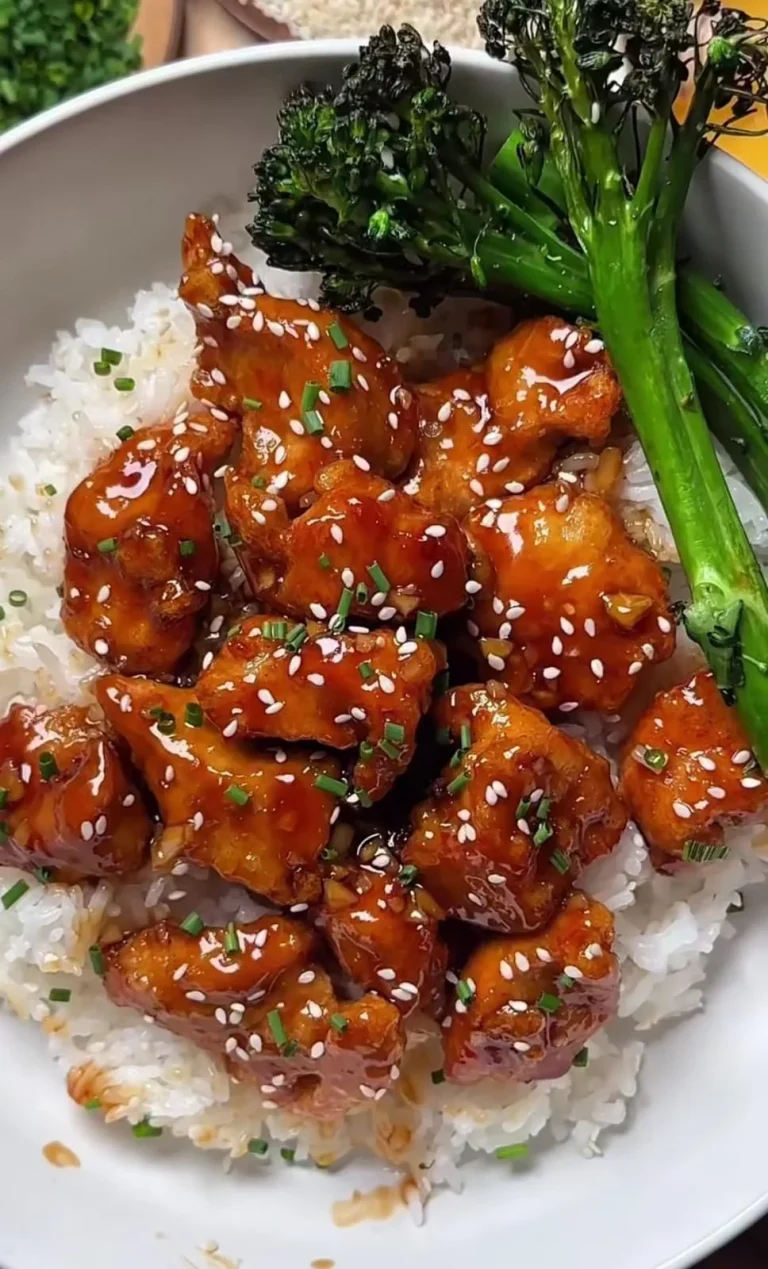
Creamy Jalapeño Chicken (One-Pan, 30-Minute, Low-Carb) — Easy, Spicy Weeknight Dinner
If you’re craving bold flavor without babysitting the stove for an hour, this jalapeño chicken recipe is the move. It’s a one-pan skillet dinner that gives you restaurant-level creaminess, a gentle kick of heat, and juicy chicken that actually stays tender. The sauce is the star—silky, tangy, and dotted with fresh jalapeños—yet it’s built from simple pantry staples you probably already have.

Think of it as a weeknight upgrade: fast enough for busy evenings, impressive enough for guests, and flexible for different heat tolerances and diets. It also leans naturally low-carb and keto-friendly, but you can spoon it over rice or tuck it into tortillas if that’s your vibe. Below you’ll find a straight-talking, step-by-step guide in plain English: what jalapeño chicken is, which ingredients to buy (and why they matter), plus how to nail the sear, control the spice, and finish with a glossy sauce that clings to every bite.

What Is Jalapeño Chicken?
Jalapeño chicken is a skillet dish where seasoned chicken breasts or thighs are seared until golden, then simmered in a creamy jalapeño-garlic sauce finished with lime and a touch of melty cheese. It’s the sweet spot between creamy comfort food and fresh, peppery brightness. You control the heat by how you prep the peppers (seeds and membranes = hotter; remove them for milder). The result is a saucy main that works over rice, cauliflower rice, pasta, or tucked into warm tortillas. It’s “spicy” in flavor, not just heat—smoky spices, aromatic garlic and onion, and a tangy finish to keep it lively.

Main Ingredients Of Jalapeño Chicken
Chicken (breasts or thighs)
Boneless, skinless chicken breasts give a lean, familiar cut that cooks quickly. Slice large breasts into thinner cutlets or gently pound to even thickness so they sear fast and stay juicy. Prefer extra tenderness? Use boneless thighs—they’re naturally forgiving and remain succulent while simmering in sauce.
Jalapeños
Fresh jalapeños bring grassy, bright heat. Remove seeds and white membranes for a mellow kick; leave some in for medium spice. Slice half into rings for visible flecks and mince the rest so the heat distributes evenly in the sauce. Choose firm, glossy peppers.
Garlic and Onion (or shallot)
These are your savory base. Garlic sweetens as it cooks, onion melts into the sauce for body. Shallots give a milder bite if you want subtlety. Finely chop so they soften quickly and don’t stay chunky.
Spices (cumin, smoked paprika, chili powder)
Cumin adds earthiness; smoked paprika brings gentle smokiness without extra heat; chili powder deepens the pepper notes. They toast in the fat after the sear, blooming into a richer, more complex flavor.

Fat (olive oil + a pat of butter)
Olive oil handles the sear; a small knob of butter added afterward helps the aromatics brown evenly and adds roundness to the sauce. Using both gives great color without burning.
Creamy elements (heavy cream + cream cheese, optional)
Heavy cream gives a stable, silky sauce that won’t split easily. A tablespoon or two of cream cheese is optional; it thickens the sauce quickly and adds tang. Prefer lighter? Use half-and-half and simmer a touch longer, or swap in evaporated milk for richness with fewer calories.
Chicken broth
Deglazes the pan (lifts those tasty brown bits) and stretches the sauce without making it heavy. Low-sodium broth lets you season precisely.
Lime juice
Acid makes the whole dish pop. Add it at the end to brighten the cream and balance the richness. Lemon works in a pinch, but lime loves jalapeño.
Melting cheese (Monterey Jack, Pepper Jack, or mild cheddar)
A small handful melts into the sauce, smoothing it out and adding gentle pull. Pepper Jack boosts spice; Monterey Jack stays mild and creamy.
Fresh herbs (cilantro or chives)
Cilantro’s citrusy, peppery notes pair naturally with jalapeños. If you’re not a cilantro fan, chives or parsley add fresh lift without the polarizing flavor.
Salt and black pepper
Salt unlocks flavor; pepper adds warm bite. Season in layers—some on the chicken, a little in the sauce, and a final pinch at the end after tasting.

The Recipe Of Jalapeño Chicken
Serves: 4
Time: about 30 minutes
Keywords: jalapeño chicken recipe, creamy jalapeño chicken, one-pan chicken, low-carb dinner, 30-minute meals, spicy chicken skillet, keto chicken
Ingredients
- 1½ lb boneless, skinless chicken (2–3 large breasts, halved into cutlets, or 6 thighs)
- 1½–2 tsp kosher salt, divided (start with less if using regular table salt)
- ¾ tsp black pepper, divided
- 1 tsp ground cumin
- 1 tsp smoked paprika
- ½ tsp chili powder (or to taste)
- 2–3 tbsp olive oil, divided
- 1 tbsp butter
- 1 small onion (or 2 shallots), finely chopped
- 3–4 garlic cloves, minced
- 2–3 fresh jalapeños, half minced and half thinly sliced (deseeded for milder)
- ¾ cup low-sodium chicken broth
- 1 cup heavy cream (or ¾ cup half-and-half + 2 tbsp cream cheese)
- ½ cup shredded Monterey Jack or Pepper Jack
- 1–2 tbsp fresh lime juice (to taste)
- ¼ cup chopped cilantro or 2 tbsp chopped chives

How to Prepare Jalapeño Chicken (Step-by-Step, Explained in Plain English)
1) Prep and season the chicken
Pat the chicken very dry with paper towels—dry surfaces brown; wet ones steam. If using breasts, slice horizontally into thinner cutlets so they cook evenly. In a small bowl, mix 1 tsp salt, ½ tsp pepper, cumin, smoked paprika, and chili powder. Sprinkle this all over the chicken on both sides and pat lightly to help it cling. Let it sit on the counter 10 minutes while you chop the aromatics; this starts seasoning the meat and takes the chill off for better browning.
2) Sear to build flavor
Heat a large skillet (stainless or cast iron preferred) over medium-high. Add 1–1½ tbsp olive oil. When the oil shimmers, lay in the chicken without crowding—work in two batches if needed. Sear 3–4 minutes per side for cutlets (4–5 for thighs) until deep golden. You’re not cooking them through yet; you’re building a flavorful crust. Transfer chicken to a plate; tent loosely with foil.

3) Soften aromatics and bloom spices
Lower heat to medium. Add remaining oil and the butter. Stir in the chopped onion (or shallots) with a pinch of salt; cook 2–3 minutes until translucent and lightly golden at the edges. Add minced garlic and the minced jalapeños; cook 30–60 seconds until fragrant. Sprinkle in a small pinch of cumin/chili if you like extra depth. This “blooming” step wakes the spices and prevents a raw flavor.
4) Deglaze and reduce
Pour in the chicken broth and scrape the pan with a wooden spoon to release the browned bits (fond). Simmer 2–3 minutes to reduce by about a third; this concentrates the savory base and prevents a watery sauce.
5) Make it creamy (and control thickness)
Stir in the heavy cream (or half-and-half + cream cheese). Bring to a gentle simmer—small bubbles, not a rolling boil—and cook 2–3 minutes, stirring, until the sauce starts to thicken and coat the spoon. If using cream cheese, whisk until smooth. Taste; add a small pinch of salt and pepper if needed.
6) Return chicken to finish
Nestle the seared chicken (and any juices from the plate) back into the skillet. Spoon sauce over the top. Scatter the sliced jalapeño rings across the surface so you get pretty pops of green. Simmer gently 3–6 minutes, flipping once, until the chicken reaches 165°F internal at the thickest point. Lower, slow heat keeps the chicken tender and the cream stable.
7) Add cheese and brighten
Turn the heat to low. Sprinkle in Monterey Jack (or Pepper Jack) and stir until it melts into the sauce. Take the pan off the heat and stir in fresh lime juice a little at a time, tasting as you go. The lime should lift the richness without turning the sauce sour. Finish with chopped cilantro or chives.
8) Adjust the heat (optional)
Want it hotter? Stir in a pinch of crushed red pepper, a few dashes of hot sauce, or leave more jalapeño seeds in next time. Want it milder? Replace one jalapeño with a diced green bell pepper for the same color and crunch without the heat.

Serving Ideas (So It Fits Your Table)
Spoon over rice – The sauce in jalapeño chicken is naturally rich and creamy, so it pairs beautifully with a neutral base like rice. Plain steamed rice soaks up the creaminess without adding competing flavors, while coconut rice brings subtle sweetness that balances the spice. For something more refreshing, cilantro-lime rice adds brightness with citrus and herbs, cutting through the heaviness and echoing the lime in the sauce.
Low-carb options – If you’re watching carbs, swap rice with cauliflower rice. Lightly sauté cauliflower rice in a bit of olive oil with garlic to make it more flavorful—it will still absorb the sauce beautifully. Roasted broccoli or even roasted zucchini are also excellent choices. Their caramelized edges complement the creamy, spicy sauce without overwhelming it.
Tortilla option – Turn this into a Tex-Mex style meal by using the chicken as taco filling. Warm soft flour or corn tortillas, shred the chicken into strips, and top with lettuce, pico de gallo, and a drizzle of the jalapeño cream sauce. You can also add shredded cheese or avocado slices for a layered, satisfying wrap.
Pasta or noodles – If you love creamy pasta dishes, this sauce is the perfect base. Toss buttered egg noodles or small pasta like orzo with the jalapeño cream, then lay the chicken on top. This transforms it into comfort food similar to Alfredo but with a spicy twist.
Fresh salad pairing – Because the dish is so rich, it benefits from a crisp, tangy side. A tomato-cucumber salad brings freshness, crunch, and acidity. A green salad with a lemon vinaigrette also works perfectly, acting as a palate cleanser so each bite of the creamy chicken tastes just as bold as the first.

Storing and Reheating (Make-Ahead Friendly) — Expanded
Storage – Allow the dish to cool slightly before refrigerating so condensation doesn’t make the sauce watery. Store in an airtight container for up to 4 days. This makes it great for meal prep since the flavors actually deepen overnight.
Reheating gently – Cream-based sauces are sensitive to high heat. If reheated too aggressively, the fat separates, leaving the sauce grainy or oily. To avoid this, reheat on the stovetop over low heat, stirring often. In the microwave, use 50–60% power in short bursts, stirring between each. This method gradually warms the sauce without breaking it.
Adjusting thickness – After cooling, the sauce often thickens. Simply stir in a splash of broth, cream, or even milk while reheating to return it to a pourable consistency. If you’re reheating with pasta, you can also use reserved pasta water for silkiness.
Freezing – Dairy-heavy sauces freeze less smoothly because cream can separate after thawing. For best results, cook and freeze the chicken without adding the cream/cheese. Then, when reheating, add fresh cream and cheese to create a fresh sauce. If freezing the full dish, thaw slowly in the fridge overnight, then reheat very gently with a splash of broth to restore creaminess.
Troubleshooting & Pro Tips
Tough chicken – Overcooking is the main culprit. Chicken breasts especially dry out if they cook past 165°F internal temperature. Use an instant-read thermometer and remove them from heat right at 163–165°F (they’ll finish cooking while resting). Resting in the sauce for 5 minutes lets juices redistribute, making each bite tender.
Thin sauce – Cream sauces rely on reduction to thicken. If it’s runny, simmer uncovered a little longer so water evaporates, concentrating the cream. For a quick fix, stir in 1–2 teaspoons of cream cheese—it thickens immediately and adds tang. Another option is a cornstarch slurry (mix cornstarch with cold water before adding to avoid clumps).
Thick sauce – If it’s too dense or pasty, simply add broth, cream, or even milk in small splashes while stirring until the texture loosens. Always adjust off the heat so the cream doesn’t split.
Grainy sauce – This happens if dairy is boiled too hard. Cream and cheese should only simmer gently. When adding cheese, the pan should be on low heat, and the cheese added slowly in handfuls, stirring to melt smoothly.
Extra depth – Adding 1 teaspoon Dijon mustard when you add the cream is a chef’s trick. It doesn’t make the dish taste like mustard; instead, it adds a subtle savoriness and helps emulsify the sauce, keeping it smooth and flavorful.
Quick Recap (At a Glance)
- Season and sear chicken – Searing isn’t just for looks; it develops caramelization (Maillard reaction) that deepens flavor and locks in juices.
- Soften aromatics and bloom spices – Onions, garlic, and jalapeños become sweeter and more complex when sautéed. Blooming spices in fat wakes up their oils and prevents a raw, powdery taste.
- Deglaze with broth – Adding broth lifts the flavorful brown bits from the pan into the sauce, ensuring no flavor is left behind.
- Add cream and simmer – Gentle simmering thickens the sauce naturally without needing heavy thickeners.
- Return chicken – Simmering in sauce infuses flavor and keeps the meat moist until it’s fully cooked.
- Add cheese and lime – Cheese adds richness, lime cuts the heaviness, and fresh herbs finish with balance and color.
Why This Works (The Method in Plain Terms)
- Dry chicken + hot pan = golden crust – Moisture prevents browning, so drying chicken first and starting with a hot skillet ensures you get that flavorful sear instead of pale, steamed meat.
- Bloomed aromatics = depth of flavor – Cooking onions, garlic, and peppers in fat breaks down their raw sharpness and releases natural sugars, creating a sweet-spicy backbone.
- Reduce before cream = thicker base – If you add cream too soon, the sauce can be watery. Reducing broth first intensifies flavor and creates the perfect foundation for a creamy finish.
- Finish gently = tender chicken, stable sauce – Simmering softly ensures the chicken doesn’t dry out and the dairy doesn’t split.
- Acid last = balanced richness – Creamy sauces risk being heavy. Adding lime at the end brightens everything, making it taste lighter and fresher.

Conclusion
Jalapeño chicken is one of those dishes that proves comfort food doesn’t have to be complicated to feel special. With its golden-seared chicken, creamy jalapeño-spiked sauce, and perfect balance of heat and richness, this recipe is versatile enough to serve on a busy weeknight yet impressive enough for guests. The method is straightforward—sear, simmer, and finish gently—yet it delivers layers of flavor that taste as though you’ve spent hours in the kitchen.
What makes this recipe shine is how customizable it is. Whether you serve it over rice, pasta, tortillas, or alongside fresh vegetables, the creamy sauce adapts beautifully to different sides and preferences. It’s equally meal-prep friendly, since leftovers reheat well with just a splash of broth to revive the sauce. And because it’s built on simple, fresh ingredients, you’ll find it easy to adjust the spice level to match your family’s taste.
In the end, jalapeño chicken is more than just a recipe—it’s a reliable go-to that bridges comfort and excitement on one plate. The creaminess soothes, the jalapeños spark, and the little details like lime or fresh herbs lift the whole dish into something memorable. Once you try it, you’ll see why it deserves a permanent place in your weeknight rotation.