
Classic Turkish Eggs (Çılbır) Recipe: Creamy Yogurt Poached Eggs with Garlic Butter and Paprika
Turkish Eggs, known locally as Çılbır, is a traditional Turkish breakfast dish that combines perfectly poached eggs with creamy garlicky yogurt and a fragrant, buttery paprika sauce. This iconic dish is celebrated for its simplicity, rich flavors, and visually striking presentation.
Despite its gourmet appearance, it is remarkably easy to prepare, making it a favorite for brunches, weekend breakfasts, or even festive occasions. The combination of silky yogurt, soft eggs, and warm butter sauce creates a harmony of textures and flavors that has made Çılbır a beloved dish not only in Turkey but around the world.

This recipe guide provides a detailed, step-by-step approach for preparing authentic Turkish Eggs, including ingredient breakdowns, nutritional information, variations, and tips for achieving the perfect poached eggs.
Whether you are a beginner or an experienced cook, this article ensures that your Turkish Eggs will turn out beautifully every time. Additionally, it offers healthy habits for enjoying this dish in moderation, as well as creative variations to suit different tastes and dietary preferences.
Also read:
What Are Turkish Eggs (Çılbır)?

Turkish Eggs, or Çılbır, is a traditional breakfast dish from Turkey that features poached eggs served over garlicky yogurt and topped with a spicy melted butter sauce often infused with paprika or Aleppo pepper. The dish is renowned for its creamy, velvety texture and a delicate balance of flavors—tangy yogurt, rich egg yolks, and aromatic butter. Historically, Çılbır dates back to Ottoman cuisine and has been adapted over time while retaining its core simplicity. It is typically served with fresh bread to soak up the flavorful sauces.
Çılbır is popular for its nutritional value as well as its comfort-food appeal. It provides protein from the eggs, probiotics from the yogurt, and healthy fats from the butter. The dish’s versatility allows cooks to adjust the seasoning, butter, or herbs to create subtle variations while maintaining its traditional essence. Its simplicity, combined with a sophisticated appearance, has made it a favorite on international brunch menus and Pinterest-worthy breakfast boards.
Nutritional Information (Per Serving Approximation)
| Nutrient | Amount per Serving |
|---|---|
| Calories | 290 kcal |
| Protein | 15 g |
| Fat | 22 g |
| Saturated Fat | 12 g |
| Carbohydrates | 6 g |
| Sugars | 3 g |
| Fiber | 0.5 g |
| Sodium | 320 mg |
| Cholesterol | 210 mg |
| Calcium | 120 mg |
This nutrient table represents one serving made with two poached eggs, 1/2 cup yogurt, and the garlic butter paprika sauce. Exact values may vary depending on ingredient brands and quantities.
Main Ingredients for Turkish Eggs (Çılbır)

Below is a detailed explanation of each ingredient, including their purpose and quantity in the recipe. This version serves 2–3 people (adjust quantities for more servings).
1. Fresh Eggs (4 large, ~200 g)
Eggs are the centerpiece of Turkish Eggs, providing protein and richness. Fresh eggs are essential because they hold their shape better when poached and produce a velvety yolk that complements the creamy yogurt.
The eggs should ideally be at room temperature before poaching to ensure even cooking. Poaching requires gentle simmering rather than rapid boiling to maintain a tender white and runny yolk. Eggs are not only the main protein source but also contribute to the dish’s visual appeal when the golden yolk contrasts with the white yogurt and paprika butter.
2. Plain Greek Yogurt (1 cup / 240 g)
Greek yogurt forms the creamy base for Turkish Eggs. It provides tanginess, smooth texture, and protein. Thick yogurt is preferred because it holds the poached eggs without collapsing, creating a perfect platform for the eggs and butter sauce. Greek yogurt is strained to remove excess whey if needed, ensuring a thicker consistency. Yogurt also contributes probiotics and calcium, making the dish nutritionally rich. The tangy flavor contrasts beautifully with the buttery, spicy topping.
3. Garlic (2 cloves, finely minced / 6 g)
Fresh garlic is gently blended into the yogurt to infuse the dish with aromatic flavor. It is best to finely mince or crush the garlic to avoid large chunks. Garlic enhances the savory profile of Çılbır while balancing the tang of the yogurt. For milder flavor, the garlic can be lightly sautéed or softened before adding. This step is crucial because raw garlic directly mixed into cold yogurt gives a sharp, fresh bite, whereas lightly softened garlic produces a gentler, aromatic taste.
4. Unsalted Butter (3 tablespoons / 45 g)
Butter is melted and infused with paprika to create the iconic finishing sauce for Turkish Eggs. It provides richness and depth while adding a luxurious mouthfeel. Using unsalted butter allows better control over seasoning, and melting it slowly prevents burning. The butter’s warm golden color complements the yogurt and poached eggs visually. This step creates the aromatic, mildly spicy top layer that defines Çılbır.
5. Paprika or Aleppo Pepper (1 teaspoon / 2 g)
Paprika or Aleppo pepper is mixed into the melted butter to create a vibrant, flavorful topping. It contributes color, mild heat, and a slightly smoky aroma. Adjust the amount depending on your preference for spice. This finishing touch gives Turkish Eggs their signature red-orange hue, creating a visually striking contrast against the white yogurt. Paprika also enhances the buttery richness of the dish.
6. Salt (1/2 teaspoon / 3 g)
Salt is essential for seasoning both the yogurt and poached eggs. It balances the creaminess of the yogurt and enhances the natural flavors of the eggs and butter. Proper salting is crucial for achieving a harmonious taste. Salt can be added to the yogurt before plating or lightly sprinkled over the eggs after poaching.
7. Fresh Dill or Chives (Optional, 1 teaspoon / 2 g)
Fresh herbs such as dill or chives add a delicate, fresh flavor that complements the richness of the eggs and yogurt. Herbs also enhance presentation by adding green color to the dish. While optional, they are recommended for a traditional look and enhanced flavor.
Total Recipe Yield
- Servings: 2–3 people
- Total Dish Weight: ~550 g including eggs, yogurt, and sauce
- Serving Size: 1 plate with 2 eggs, 1/2 cup yogurt, and butter sauce
Purpose of Ingredients
- Eggs: Protein, structure, visual centerpiece
- Greek Yogurt: Creaminess, tang, probiotics, calcium
- Garlic: Aroma, mild pungency, flavor balance
- Butter: Richness, finishing sauce, mouthfeel
- Paprika: Color, mild spice, aromatic finish
- Salt: Flavor enhancement and balance
- Herbs: Optional freshness and garnish

Preparation Overview
This dish requires careful preparation of three main components: poached eggs, garlic-infused yogurt, and paprika butter. Each element is simple but requires attention to timing and technique. The eggs should be poached gently, yogurt mixed with garlic without becoming watery, and butter melted carefully to avoid burning. Combining these elements on a plate creates the visually appealing, flavorful, and authentic Turkish Eggs experience.
How to Prepare Turkish Eggs (Çılbır)
The preparation of Turkish Eggs is divided into three essential components: poaching the eggs, preparing garlic yogurt, and making the paprika butter sauce. Combining these correctly ensures the perfect texture, flavor balance, and presentation.

Step 1: Prepare the Garlic Yogurt
Start by placing 1 cup (240 g) of Greek yogurt in a medium-sized bowl. Finely mince 2 cloves (6 g) of garlic and stir them into the yogurt. Add 1/2 teaspoon (3 g) of salt and mix thoroughly until smooth. The garlic should be evenly distributed to prevent strong pockets of flavor. If the yogurt is too thick, you may thin it slightly with 1–2 tablespoons of water or milk, ensuring it remains creamy but spreadable. Set the yogurt aside at room temperature while preparing the eggs.
The garlic yogurt forms the base of the dish, providing a tangy, flavorful platform for the poached eggs. Spreading it evenly on the serving plate ensures each bite contains a balanced combination of egg and yogurt. Proper mixing of garlic and salt ensures the flavors blend harmoniously rather than overpowering the eggs.
Step 2: Poach the Eggs
Fill a saucepan with 3–4 inches of water and bring it to a gentle simmer over medium heat. Add a small pinch of salt to the water to season the eggs slightly. Crack each egg into a small bowl or ramekin for easier handling. Create a gentle whirlpool in the simmering water using a spoon, then carefully slide the eggs into the water one at a time.
Cook the eggs for 3–4 minutes for a runny yolk, or slightly longer if you prefer a firmer yolk. Use a slotted spoon to carefully lift the poached eggs from the water. Drain any excess water by briefly placing the eggs on a paper towel. Proper poaching technique ensures tender whites that hold their shape and a yolk that remains soft, contributing to the creamy texture when combined with the yogurt.
Step 3: Make the Paprika Butter Sauce
In a small saucepan or skillet, melt 3 tablespoons (45 g) of unsalted butter over low heat. Add 1 teaspoon (2 g) paprika or Aleppo pepper and stir gently. Allow the spices to infuse the butter for 1–2 minutes, being careful not to burn it, as burnt paprika can taste bitter. Once the butter is aromatic and lightly colored, remove it from the heat.
This butter sauce is poured over the poached eggs just before serving, providing both visual appeal and a rich, savory flavor. The paprika gives a striking red-orange hue that contrasts beautifully with the white yogurt and golden egg yolk, making the dish visually stunning.
Step 4: Assemble the Dish
Spread the prepared garlic yogurt evenly on a serving plate or individual dishes. Place the poached eggs carefully on top of the yogurt. Drizzle the warm paprika butter over the eggs, ensuring the sauce flows around the yolks and yogurt. Garnish with fresh dill or chives if desired, adding both a pop of color and a subtle herbal note. Serve immediately with slices of crusty bread for dipping.
Assembling the dish correctly ensures that each bite combines the creamy yogurt, buttery paprika sauce, and tender egg yolk, creating the signature flavor and texture of authentic Turkish Eggs.

Healthy Habits
Turkish Eggs can be enjoyed as a balanced and nutrient-rich breakfast or brunch dish if consumed mindfully. Here are several tips to make it healthier without compromising flavor:
- Portion Control: Serve moderate portions (2 eggs per person) to balance protein and fat intake.
- Use Low-Fat Yogurt: Opt for low-fat Greek yogurt to reduce saturated fat while maintaining creaminess.
- Limit Butter: Reduce the butter for the sauce slightly or use olive oil for a lighter alternative.
- Add Fresh Vegetables: Serve with a side of fresh tomatoes, cucumbers, or leafy greens to increase fiber and micronutrients.
- Mindful Eating: Savor each bite slowly to enjoy flavors and prevent overeating, as eggs and butter can be calorically dense.
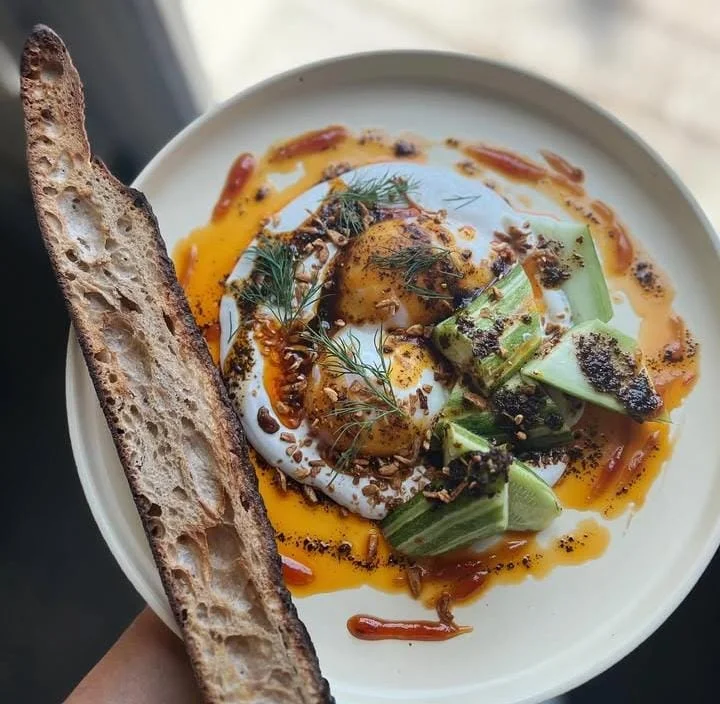
Following these habits allows you to enjoy this indulgent yet wholesome dish regularly while maintaining a balanced diet. Turkish Eggs provide high-quality protein, beneficial probiotics, and healthy fats, making it a nutritionally robust choice when prepared thoughtfully.
Variations of Turkish Eggs (Çılbır)
Turkish Eggs can be adapted in several ways to suit different flavors, dietary preferences, or seasonal ingredients. Below are detailed variations, each explained in two paragraphs of five lines for clarity and simplicity.
1. Avocado Turkish Eggs

This variation combines creamy mashed avocado with traditional garlic yogurt as a base instead of plain yogurt. The avocado adds richness, healthy fats, and a subtle nutty flavor, making the dish more filling and nutritious. Spread mashed avocado evenly on the serving plate before adding poached eggs. Top with paprika butter as usual for the classic aromatic flavor.
To enhance presentation, sprinkle microgreens or chopped cilantro over the eggs. The buttery paprika sauce complements the avocado’s smooth texture. This variation offers a modern twist while preserving the dish’s original Turkish charm. It is ideal for brunches or a high-protein breakfast with a nutrient-dense twist.
2. Spinach and Herb Turkish Eggs
Add lightly sautéed spinach to the garlic yogurt or beneath the poached eggs for a green, nutrient-packed version. Spinach contributes fiber, vitamins, and minerals while balancing the richness of the eggs and butter. Wilted spinach also adds color and texture contrast, enhancing visual appeal.
For additional flavor, include fresh herbs such as parsley or dill within the yogurt base. Serve immediately with the paprika butter drizzled on top. This variation is excellent for incorporating vegetables into breakfast and works well for a healthy, satisfying brunch.
3. Smoked Salmon Turkish Eggs
Layer thin slices of smoked salmon on top of garlic yogurt before placing poached eggs. The salmon introduces a delicate smoky flavor that pairs beautifully with the creamy yogurt and runny yolks. This variation is sophisticated and elegant, making it suitable for brunch gatherings or special occasions.
Garnish with capers or finely chopped chives to enhance the flavor profile. The combination of protein-rich eggs, omega-3 fatty acids from salmon, and probiotics from yogurt makes this version nutritionally balanced. It also adds a visually striking contrast between the pink salmon, white yogurt, and orange yolks.
4. Spicy Turkish Eggs
For those who enjoy heat, incorporate chili flakes, red pepper, or Aleppo pepper into the melted butter sauce. Adjust spice levels according to personal taste while keeping the traditional creamy base intact. This variation adds a lively kick that enhances the richness of the eggs and yogurt.
Serve with a sprinkle of fresh herbs to balance the heat visually and in flavor. The spiciness complements the soft yolk, creating a warming, aromatic breakfast. This version is perfect for adventurous palates and those who like bold, savory breakfasts.
5. Mediterranean Turkish Eggs
Add Mediterranean flavors by including olives, sun-dried tomatoes, or crumbled feta on top of the garlic yogurt. These ingredients introduce a salty, tangy profile that harmonizes with the eggs and paprika butter. This variation is ideal for brunch or a light lunch.
The combination of herbs like oregano, thyme, or parsley accentuates the Mediterranean influence. This version remains balanced and satisfying while offering a colorful and visually appealing plate. Serve immediately for a fresh, flavorful experience.
Final Tips for Perfect Turkish Eggs
- Egg Freshness Matters: Use the freshest eggs possible for optimal poaching.
- Gentle Simmering: Keep water at a gentle simmer to prevent egg whites from dispersing.
- Butter Infusion: Melt butter slowly and avoid overheating to prevent bitterness.
- Yogurt Consistency: Ensure thick, creamy yogurt; strain if needed.
- Timing: Poach eggs last and serve immediately for warm, perfectly set eggs.
- Presentation: Spread yogurt evenly and drizzle butter in a visually appealing pattern.
- Adjust Seasoning: Taste and adjust salt or spice levels to personal preference.
Following these tips guarantees consistent results and maintains the traditional integrity of the dish while allowing for creative variations.
Serving Suggestions
- Serve Turkish Eggs with freshly baked bread, pita, or toasted sourdough to soak up the sauce.
- Complement the dish with fresh herbs like dill, chives, or parsley for enhanced flavor and visual appeal.
- Pair with light salads or roasted vegetables for a balanced meal.
- For brunch presentation, serve in shallow bowls or plates to showcase the eggs, yogurt, and vibrant paprika butter.
- Leftovers should be consumed promptly, as poached eggs taste best freshly prepared.
Conclusion
Turkish Eggs (Çılbır) is a simple yet elegant breakfast dish that combines poached eggs, creamy garlic yogurt, and aromatic paprika butter. With its delicate balance of textures, vibrant colors, and rich flavors, it is ideal for everyday breakfast, weekend brunches, or special occasions. The recipe’s flexibility allows for creative variations such as avocado, spinach, smoked salmon, spicy, or Mediterranean-inspired versions. By following proper poaching techniques, using fresh ingredients, and preparing the garlic yogurt and butter carefully, anyone can achieve professional-quality results at home.
This comprehensive guide ensures that both beginners and seasoned cooks can confidently prepare Turkish Eggs, enjoy healthy habits while eating, and explore multiple flavorful variations. Serving it with bread, fresh herbs, or vegetables elevates the dish visually and nutritionally. Turkish Eggs are not just a meal—they are an experience, offering an authentic taste of Turkish cuisine that is satisfying, visually appealing, and Instagram-worthy.


