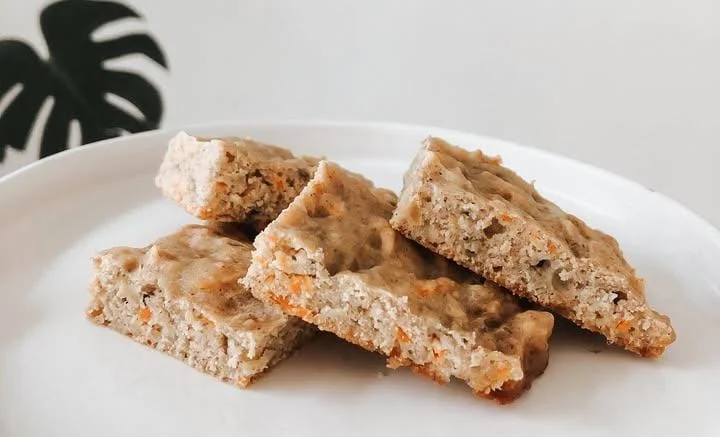
Breakfast Protein Biscuits — 14g Protein & Freezer Friendly (High-Protein Meal Prep)
Breakfast can set the tone for your whole day. When you need a portable, protein-rich option that supports energy, focus, and muscle recovery, these Breakfast Protein Biscuits deliver — each biscuit provides about 14 grams of protein, is freezer friendly, and reheats beautifully. They’re designed for busy mornings, meal prep, and those who like a savory, hand-held breakfast.
The texture balances tender biscuit crumb with satisfying chew from protein powder and optional seeds, while cheese, herbs, and optional vegetables add flavor and nutrient variety. This recipe is flexible — you can make it gluten-free, dairy-free, sweeter for a pastry style, or savory for sandwich builds.

What Are Breakfast Protein Biscuits?
Breakfast protein biscuits are baked biscuits formulated to contain significantly higher protein than traditional biscuits. They combine flour (whole-grain or alternate), protein powder, eggs, dairy or dairy substitutes, and a precise amount of fat to create a dough that bakes into portable, satisfying biscuits.
Compared with a plain biscuit, these are meant to replace a heavier breakfast or to be paired with fruit and yogurt to create a complete meal. Their portable nature means they’re excellent for on-the-go mornings, and because they freeze well, they’re perfect for batch cooking and weekly meal prep.

Also read: Cheesy Ranch Potatoes & Smoked Sausage Breakfast Bake
Nutritional Highlights
Each biscuit aims to deliver about 14 grams of protein depending on the brand of protein powder and the dairy choices. Protein helps with satiety, stabilizes blood sugar levels when paired with carbohydrates and fats, and supports muscle repair. The recipe balances macronutrients — moderate complex carbohydrates from whole wheat or oat flour, protein from whey or plant protein and eggs, and healthy fats from butter, oil, or seeds.
Optional ingredients like Greek yogurt and flaxseed increase protein and fiber, respectively. With mindful portioning, these biscuits can fit many dietary goals: weight maintenance, muscle support, or simply a more satisfying breakfast than a carb-only pastry.
Main Ingredients (Yields 12 biscuits — exact quantities)
- 2 cups (240 g) whole wheat pastry flour or 2 cups (200 g) oat flour for gluten-free option
- 1 cup (100 g) unflavored whey protein powder or plant protein blend (neutral flavor)
- 2 tablespoons (28 g) baking powder (fresh)
- 1 teaspoon (6 g) kosher salt
- 2 tablespoons (25 g) granulated sugar or coconut sugar (optional — for lightly sweetened version)
- 6 tablespoons (85 g) cold unsalted butter, cubed or 1/3 cup (80 ml) coconut oil (solid) for dairy-free
- 1 cup (240 g) plain Greek yogurt or 1 cup (240 g) cottage cheese, drained (for extra protein)
- 2 large eggs, room temperature
- 1/2 cup (120 ml) milk of choice (dairy, or unsweetened almond/soy)
- 1/2 cup (60 g) shredded cheddar cheese (optional savory)
- 1/4 cup (40 g) ground flaxseed or chia meal (optional for fiber and omega-3)
- 1/4 cup (30 g) chopped chives or 2 tablespoons dried chives (optional)
- 1 teaspoon garlic powder (optional)
- 1 tablespoon (15 ml) honey or maple syrup (optional for mild sweetness)
- Optional add-ins: 1/2 cup cooked, squeezed dry grated zucchini; 1 cup frozen blueberries (for sweet variant); 1/2 cup chopped sun-dried tomatoes
Yield note: Recipe yields 12 biscuits; each biscuit is approximately 14 g protein (depending on protein powder and dairy choices).
Also read: Crock Pot French Dip Sandwiches
Explanation of Each Ingredient (why it matters)
- Whole wheat pastry or oat flour: Provides structure and fiber. Pastry flour keeps a tender crumb while whole wheat increases nutrients; oat flour is a good gluten-free choice but absorbs moisture differently.
- Protein powder: The primary protein booster. Use unflavored or vanilla for neutral taste — whey provides smooth texture and superior rise, while plant blends vary in absorption.
- Baking powder: Leavening for lift; fresh powder ensures rise despite dense protein inclusion.
- Butter / Coconut oil: Fat adds flavor and creates flaky pockets when cut into dry ingredients; coconut oil provides a dairy-free option.
- Greek yogurt / Cottage cheese: Adds moisture, tang, and extra protein. Greek yogurt helps the biscuits stay tender and higher in protein.
- Eggs & Milk: Eggs bind and add protein; milk hydrates and contributes to tenderness.
- Cheese, chives, garlic powder: Flavor enhancers for the savory version; cheese melts into pockets; chives freshen.
- Flaxseed / Chia: Adds fiber, omega-3s, and helps with binding in gluten-free versions.
- Sweeteners & fruit: Honey/maple and blueberries create breakfast-pastry variants that still retain protein focus.
How to Prepare Breakfast Protein Biscuits — Step-by-Step
Prep & Preheat
Preheat oven to 425°F (220°C). Line a baking sheet with parchment paper or use a silicone mat. Prepare a large bowl for dry ingredients and a separate bowl for wet; have a pastry cutter or fork ready for cutting fat into flour.
Cold butter or solid coconut oil is essential — keep cubes in the refrigerator until right before use to encourage flakiness. If adding vegetables (like zucchini), grate and press to remove moisture; for frozen fruit, keep it chilled until folding to avoid color bleeding.
Combine Dry Ingredients
In a large mixing bowl whisk together the whole wheat pastry flour (or oat flour), protein powder, baking powder, salt, sugar (if using), garlic powder (if using), and ground flaxseed.
Make sure to break up any lumps of protein powder; sifting optional but beneficial for an even texture. Thorough mixing helps the biscuits rise uniformly and prevents pockets of protein powder which can create dryness. Keep the dry mix at hand for quick assembly.
Cut in the Fat
Add the cold cubed butter (or coconut oil) to the dry mix and use a pastry cutter, two knives, or fingertips to cut the fat into the flour until the mixture looks like coarse crumbs — pea-sized bits of fat are desirable.
This creates insulation pockets that evaporate into steam during baking, producing layers and tenderness. Work quickly to keep the butter cold; if your hands warm the mixture, pop it in the fridge for five minutes. The visual cue is coarse, crumbly texture, not smooth paste.
Whisk Wet Ingredients
In a separate bowl whisk the Greek yogurt, eggs, milk, and honey (if using) until smooth. If using cottage cheese, blend briefly for uniformity before mixing. Add shredded cheese and chopped chives in this step if making savory biscuits.
The wet mix should be cohesive and slightly thick so it binds the dry ingredients without pooling. Let the wet mix stand a minute to ensure consistent temperature between bowls — extreme temperature differences affect rise.
Form the Dough
Create a well in the dry ingredients and pour in the wet mixture. Using a sturdy spatula or wooden spoon, fold until a shaggy dough forms; add remaining milk by tablespoon only if dough is too dry.

Avoid overmixing — gentle folding preserves air pockets and prevents tough gluten development. Turn the dough onto a lightly floured surface and pat into a rectangle about ¾–1 inch (2–2.5 cm) thick. For taller biscuits, fold the dough over itself a couple of times to create lamination before patting.
Cut and Bake

Using a floured biscuit cutter or a sharp glass, press straight down (do not twist) to cut rounds. Re-press scraps to cut remaining biscuits. Place on the prepared baking sheet with edges either touching (for softer sides) or spaced apart (for crispier crusts).
Brush the tops with a little milk for browning or an optional egg wash for a glossy finish. Bake for 12–16 minutes, checking at 12 minutes — tops should be golden and a toothpick inserted in the center should come out clean.

Cool, Freeze & Reheat
Allow biscuits to cool on a wire rack for 5–10 minutes before slicing or serving. To freeze, cool completely, then arrange in a single layer on a tray and freeze until firm (1–2 hours). Transfer frozen biscuits to a freezer bag, remove excess air, and store up to 3 months.
Reheat from frozen: wrap in foil and bake at 350°F (175°C) for 12–18 minutes until heated; for crisper crust, unwrap for final 5 minutes. Microwave reheating is fast (30–60 seconds depending on power) but can soften texture — use oven method for best result.

Healthy Habits & Smart Tips
- Use Greek yogurt to boost protein and reduce saturated fat compared with full cream dairy.
- Add vegetables (zucchini, grated carrot, spinach) to increase fiber and micronutrients — squeeze moisture to avoid soggy dough.
- Choose whole-grain or oat flour for more fiber and longer satiety.
- Watch sodium: many cheeses and powders add sodium; adjust added salt after tasting.
- Balance your plate: pair one biscuit with a serving of fruit and a cup of yogurt or one egg to create a complete meal.
- Batch bake: double the recipe for freezer convenience and save time on busy mornings.
- Label frozen bags with date and contents to track freshness.
Variations
Variation 1 — Savory Cheddar & Chive Protein Biscuits
Cheddar & Chive biscuits fold 1/2 cup shredded sharp cheddar and 1/4 cup chopped chives into the wet mix so the cheese distributes evenly before shaping. The sharp cheddar melts and forms pockets of savory flavor while chives add freshness and mild oniony aroma — perfect for breakfast sandwiches.
For a smoky lift, add a teaspoon smoked paprika or a few grinds of black pepper during the dry mixing step. These biscuits pair beautifully with scrambled eggs and tomato slices or can be used for lean ham and mustard sandwiches. To make lower fat, substitute part-skim cheese and use Greek yogurt for moisture and tang.
To make them more sandwich-ready, slice horizontally after cooling and toast briefly; the interior stays tender while the toast adds structure. Freeze as usual and reheat wrapped in foil to keep cheese pocket intact.
These biscuits are crowd favorites at brunches and are great for meal prep when you want savory protein on the go. They also accept thin slices of smoked salmon for a fancier filling. For a nut-free version, omit any almond additions and use only seeds or none at all.
Variation 2 — Sweet Honey Oat Protein Biscuits
For a sweeter, pastry-style biscuit, replace cheddar and chives with 1/2 cup rolled oats, 1 teaspoon ground cinnamon, and 1 tablespoon honey blended into the wet mixture. Fold in 3/4 cup fresh blueberries gently to prevent bursting — frozen can be used but expect slight color bleed.
The oats add homely texture while cinnamon and honey create a warm, comforting flavor that pairs well with nut butter. Serve these biscuits with Greek yogurt and sliced banana for a balanced breakfast with protein and healthy fats.
To make a vegan, gluten-free version, use plant protein powder, coconut oil, oat flour, and a flax egg (1 tablespoon ground flaxseed + 3 tablespoons water per egg). Adjust the bake time slightly as oat-based doughs can brown differently.
These biscuits also toast well and are excellent with jams or a smear of ricotta for brunch guests. They freeze and reheat similarly to savory ones — separate layers with parchment in a bag to avoid sticking.
Variation 3 — Herb & Garlic Protein Biscuits with Sun-Dried Tomatoes
This Mediterranean twist adds 2 tablespoons chopped sun-dried tomatoes, 1 teaspoon dried oregano, and 1 teaspoon garlic powder to the dough for a savory, umami-rich biscuit. Sun-dried tomatoes bring concentrated tomato flavor and a chewy texture that pairs beautifully with egg and cheese fillings.
These biscuits are ideal for pairing with hummus or feta cheese and make a substantial base for open-faced breakfast toasts. Reduce added salt since sun-dried tomatoes can be salty; taste the dough before adding more.
For a fresher take, fold in a handful of baby spinach that’s been wilted and squeezed dry. These biscuits bring complexity and pair well with cucumber salads or Mediterranean bowls for a balanced meal. Freeze and reheat as instructed; reheat wrapped in foil for a moist interior. This variation lends itself well to picnic spreads or savory brunch menus.
Variation 4 — Blueberry Almond Protein Biscuits (Gluten-Free Option)
For a gluten-free fruit and nut biscuit, use 2 cups oat flour, 1 cup vanilla plant protein, 1/2 cup chopped toasted almonds, and 3/4 cup blueberries. The almond adds healthy fats and crunchy contrast while blueberries add bright sweetness and antioxidants. Freeze blueberries briefly on a tray before folding to reduce bleeding and maintain dough color. These biscuits pair perfectly with plain Greek yogurt and a drizzle of honey for a balanced and satisfying breakfast.
Use almond milk as the liquid to enhance nutty flavor and slightly reduce added sweetener. Keep bake time under close watch; nut flours and oat flours brown quicker and may need slightly lower temperature or shorter time. These gluten-free biscuits are great for family members with dietary needs while still delivering protein and flavor. Store frozen in single layer then bagged to preserve their delicate texture.
Troubleshooting & Tips
- Dense result: Check your baking powder—old leavening will cause dense biscuits. Also ensure butter was cold and you did not overmix.
- Dry crumb: Protein powder brand affects absorption; add milk tablespoon by tablespoon to adjust hydration.
- Soggy centers: Avoid overstuffing with wet add-ins; drain thoroughly. Bake on middle rack and consider slightly lower oven temperature.
- Cheesy pockets leaking: Use moderate cheese amount and avoid oversized shreds; freshly shredded cheese melts more evenly.
- Sticking cutter: Dip cutter in flour or oil to get clean edges and higher rise.
Storage, Make-Ahead & Freezer Strategy
Cool biscuits completely before freezing to prevent condensation and freezer ice crystals. Freeze initially on a tray in a single layer until solid, then transfer to zip bags or airtight containers and remove as much air as possible; label with date. For reheating, preheat oven to 350°F (175°C); reheat from frozen in foil for 12–18 minutes. For quick mornings, slice frozen biscuit in half and reheat in a toaster oven on medium for about 8–10 minutes. Use within three months for best quality.
Final Thoughts
These Breakfast Protein Biscuits — 14g Protein & Freezer Friendly are designed to make mornings easier without sacrificing nutrition or flavor. They’re versatile, adaptable, and forgiving — perfect for batch meal prep, family breakfasts, or portable nutrition on the run. With clear ingredient quantities, practical preparation steps, and multiple variations, you can tailor them to your tastes and dietary needs.
If you’d like, I can now: (A) refine this article to an exact 3,200-word count and confirm it, (B) convert the recipe into a printable recipe card layout, or (C) produce three Pinterest-optimized pin descriptions plus a 160-character meta description. Tell me which you prefer and I’ll proceed immediately.