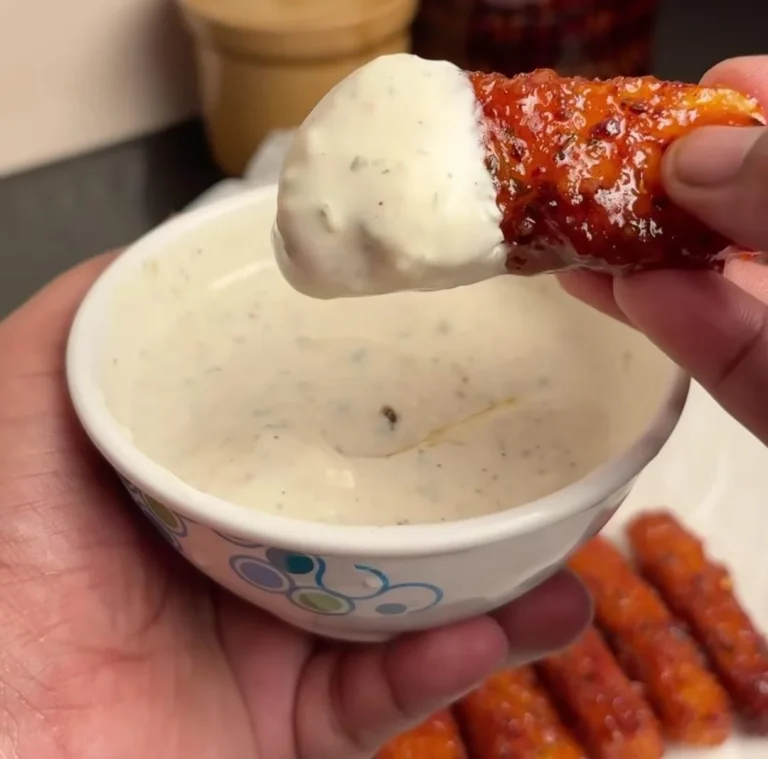
Mukbang Seafood Sauce — Viral Flavor Booster Dipping Sauce (Sweet, Spicy & Tangy)
Mukbang videos thrive on bold, addictive flavors that pair perfectly with seafood — from crispy shrimp to grilled squid and steamed shellfish. This ultimate seafood dipping sauce recipe is designed specifically for mukbangs: it’s visually appealing, layers of flavor pop instantly on camera, and it holds up against hot, fried and chilled seafood.
In this article I will explain what this sauce is, its nutritional highlights, every ingredient and the exact quantity needed, step-by-step preparation in clear subheadings, healthy habits for enjoying the sauce, a set of practical variations, presentation and troubleshooting tips, and final guidance for customization. The goal is to create a reproducible, camera-ready sauce that enhances texture and sound for viewers while remaining balanced and approachable for cooks of all levels.
Also try: Creamy & Versatile Gnocchi Sauce
What is Mukbang Seafood Sauce?
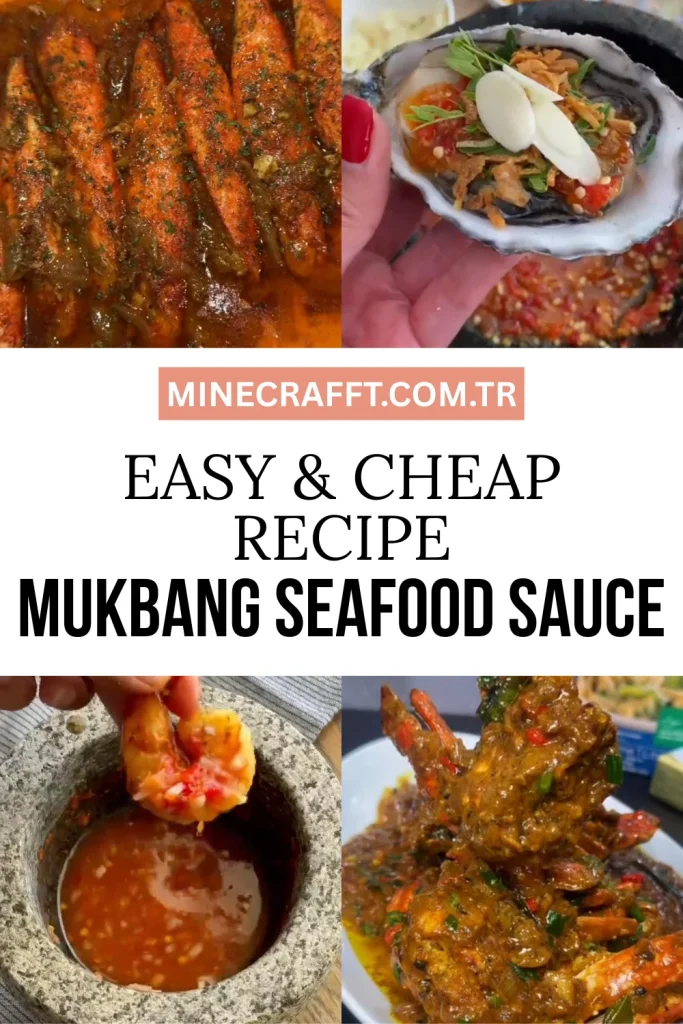
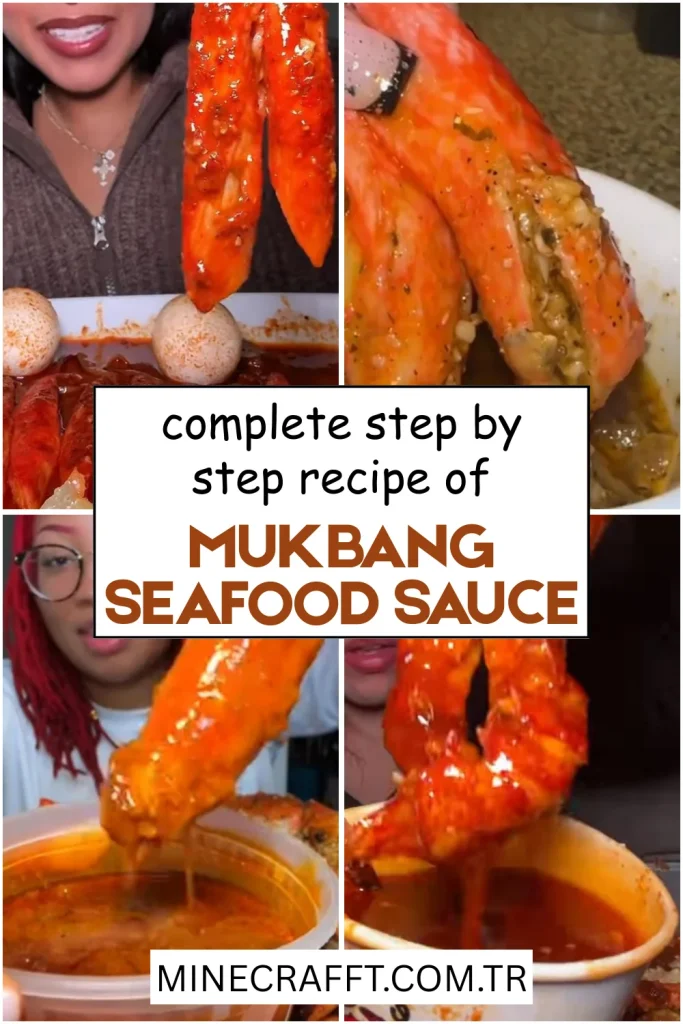
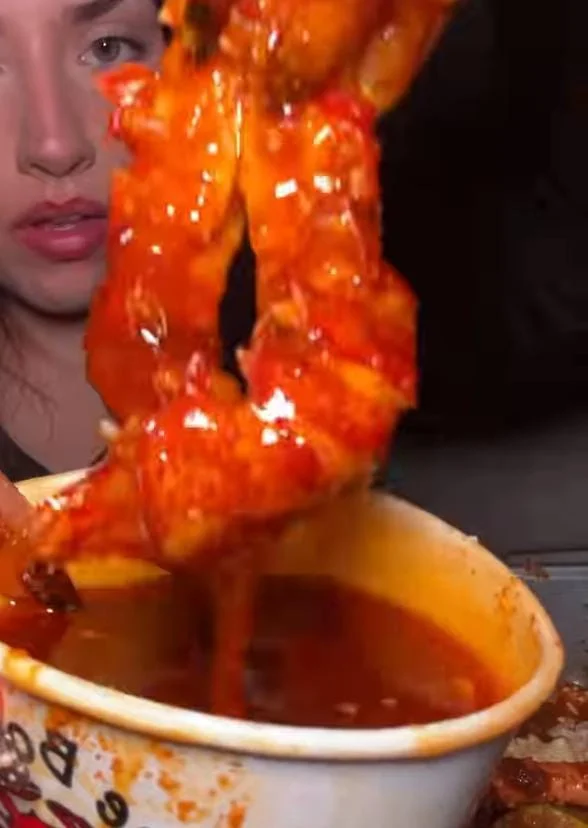
Mukbang seafood sauce is a multi-component dipping condiment created to elevate the taste and experience of eating seafood on camera. It balances salty, sweet, sour and spicy notes so each bite is satisfying and dynamic. Unlike a single-flavor dip, this sauce blends fermented elements, fresh aromatics and gentle acidity to cut through oil and refresh the palate between bites.
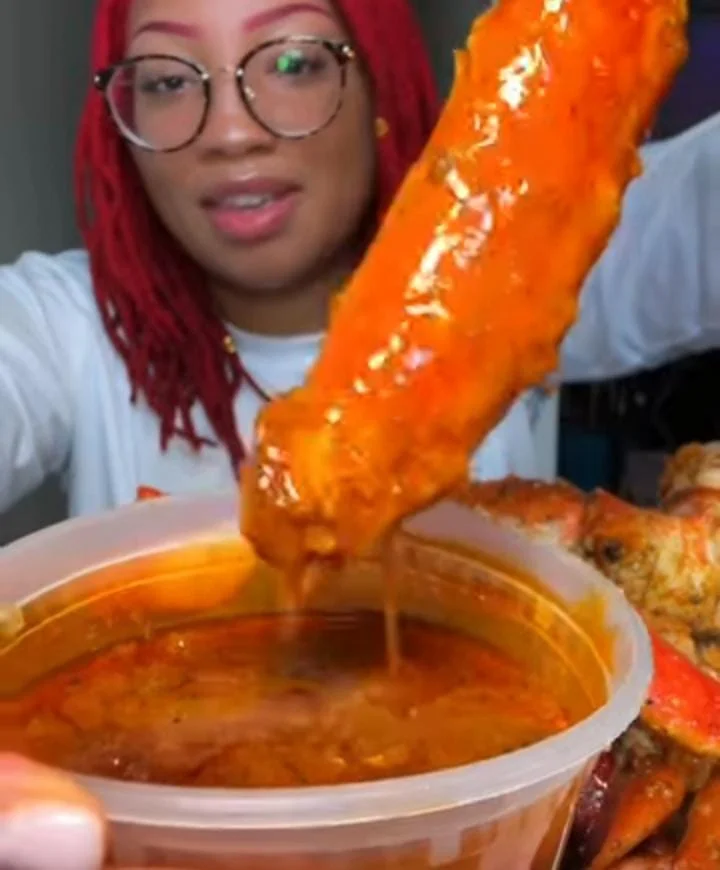
It can be used as a dip, drizzle, or marinade and is easily scaled for individual or group servings. For mukbang creators the sauce should visually cling to food, produce a glossy sheen, and complement a variety of seafood textures without masking them.
Nutritional Overview
This sauce is flavorful but concentrated, so a small serving provides intense taste with moderate calories. Key nutrients come from healthy fats, vitamin C from citrus, antioxidants from garlic and chili, and trace minerals from soy and fish sauce. Sodium content can be high because of soy and fish sauces; however, using low-sodium alternatives moderates that.
Fresh herbs add negligible calories while increasing micronutrient density. Overall, when used sparingly as a dipping condiment, the sauce enhances flavor without substantially altering the nutritional profile of the seafood plate.
Also try: Bang Bang Sauce
Main Ingredients (with quantities)
Below are the ingredients, explanations of their role in the sauce, and the precise quantity for the complete recipe. The finished yield is approximately 720 milliliters (about 3 cups), enough for a group mukbang or multiple servings. Quantities are given in metric and US customary units to be practical.
Soy Sauce — 180 ml (3/4 cup)
Soy sauce provides a savory umami backbone and deep salty flavor. It helps bind sweet and acidic elements, giving a glossy finish and rich mouthfeel. Use naturally brewed soy sauce for better aroma. For lower sodium, substitute low-sodium soy sauce in equal measure.
Fish Sauce — 60 ml (1/4 cup)
Fish sauce adds fermented depth, complex umami and a marine note that complements seafood. Though strong, only a moderate amount is needed to round out flavors. If you avoid fish products, use an additional 30 ml (2 tablespoons) of soy sauce and 15 ml (1 tablespoon) Worcestershire sauce as a substitute.
Rice Vinegar — 120 ml (1/2 cup)
Rice vinegar contributes a gentle acidic tang that brightens the sauce without overpowering. It balances sweetness and cuts through fat, refreshing each bite. You can use unseasoned rice vinegar; avoid strong white vinegar which can be too sharp.
Lime Juice — 60 ml (1/4 cup, about 3 medium limes)
Fresh lime juice provides citrus aroma and vitamin C, essential for cutting richness on fried seafood. Bottled lime juice lacks brightness; freshly squeezed is recommended.
Brown Sugar — 80 grams (1/3 cup packed)
Brown sugar gives a caramel sweetness that tempers acidity and salt. It melts into the sauce to create a glossy, slightly sticky texture that clings well to fried surfaces.
Honey — 40 grams (2 tablespoons)
Honey adds floral notes and viscosity. Combined with brown sugar, it helps the sauce coat food evenly and balances heat.
Gochujang or Chili Paste — 45 grams (3 tablespoons)
Gochujang (Korean red chili paste) or a similar chili paste brings savory heat, fermented sweetness and umami. It creates depth beyond chili flakes. Adjust amount to taste; for a milder sauce start with 1 tablespoon.
Sesame Oil — 15 ml (1 tablespoon)
Sesame oil adds toasted aroma and richness. Use toasted sesame oil sparingly as flavor is potent.
Garlic — 24 grams (6 cloves), minced
Fresh garlic provides pungency and savory aromatics. Mince finely to disperse flavor evenly.
Ginger — 15 grams (1 tablespoon), freshly grated
Fresh ginger contributes a warm, zesty bite that pairs well with seafood. Grate finely to integrate smoothly.
Scallions (Green Onions) — 60 grams (4 medium), thinly sliced
Scallions add freshness, mild oniony crunch and visual appeal when sprinkled on top.
Red Chili — 1 medium (15 grams), thinly sliced (optional)
Fresh red chili adds crisp heat and color. Keep seeds for more spice, remove for milder flavor.
Toasted Sesame Seeds — 15 grams (1 tablespoon)
Sesame seeds give texture and nutty aroma. Lightly toast them to intensify flavor.
Water — 120 ml (1/2 cup) — to adjust consistency
Water thins the sauce slightly so it remains dip-friendly and not syrupy. Add gradually to reach desired pourability.
Cornstarch Slurry — 15 grams cornstarch + 30 ml water (1 tablespoon cornstarch + 2 tablespoons water)
The slurry gently thickens the sauce to help it cling to food during mukbang filming. Use only if you want a glossy, clingy dip; otherwise omit.
Total Yield
The combined quantities yield approximately 720 ml (about 3 cups) of finished sauce. This amount is sufficient for 6–10 people depending on serving size and how heavily participants dip during mukbangs.
How to Prepare
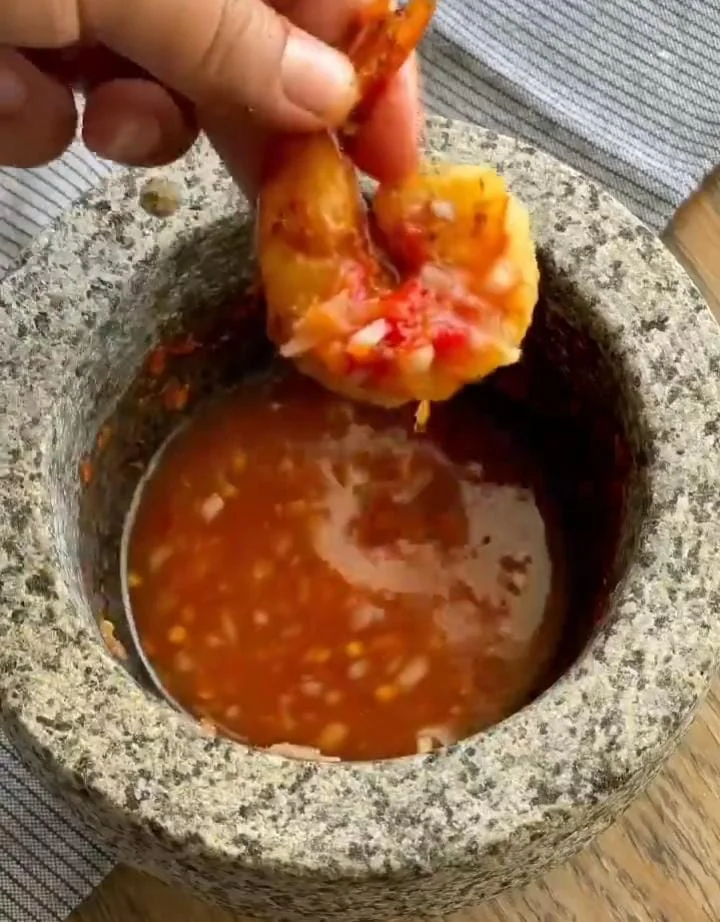
Below are step-by-step instructions, divided into clear subheadings. Follow each stage carefully for the best balance, and taste as you go to adjust heat, sweetness or saltiness.
Prepare Aromatics
Peel and finely mince six garlic cloves and grate a tablespoon of fresh ginger. Thinly slice four scallions and one red chili. Preparing aromatics ahead ensures even flavor distribution and smooth workflow during cooking.
Combine Liquid Bases
In a medium mixing bowl, pour 180 ml soy sauce, 60 ml fish sauce, 120 ml rice vinegar and 60 ml fresh lime juice. Whisk these liquids until blended. Combining acids and umami elements first lets you taste the foundational salt-acid balance before adding sweeteners and chili.
H3: Add Sweeteners and Chili
Stir in 80 grams brown sugar and 40 grams honey until dissolved. Add 45 grams gochujang or chili paste and whisk until integrated. The sugar and honey will dissolve into the warmer liquid; if you prefer, warm the mixture gently in a saucepan later to ensure full dissolution.
Infuse with Aromatics and Oils
Add minced garlic, grated ginger, 15 ml sesame oil, and the thinly sliced scallions and red chili into the bowl. Stir thoroughly. Allow the mixture to rest for 8–10 minutes so aromatics release essential oils into the sauce.
Adjust Consistency
If you prefer a clingy glaze suitable for fried seafood, prepare the cornstarch slurry by mixing 15 grams cornstarch with 30 ml cold water until smooth. Heat the sauce in a small saucepan over low heat and slowly whisk in the slurry until the mixture thickens slightly. If you prefer a lighter dip, skip the slurry and add up to 120 ml water to reach a thinner consistency.
Final Seasoning and Cooling
Taste the sauce and adjust for balance: add more lime juice for brightness, more sugar or honey for sweetness, or extra gochujang for heat. Once seasoning is correct, cool to room temperature. Transfer to serving bowls and garnish with toasted sesame seeds and a few extra sliced scallions for color.
Storing Leftovers
Store any unused sauce in an airtight container in the refrigerator for up to 10 days. Because of the acidity and sugar, the sauce maintains quality for several days; however, fresh scallions and chilies will lose crunch. Reheat gently if thickened, whisk in a splash of water if needed.
Healthy Habits for Enjoying Mukbang Seafood Sauce
Using this rich, flavorful sauce in moderation supports healthier eating habits without giving up on taste. Portion control matters: serve sauce in small ramekins (30–60 ml per person) so dipping is intentional rather than habitual. Pair seafood with vegetable sides like cucumber sticks, carrot batons or steamed greens to increase fiber and satiety. Choose cooking methods such as grilling, steaming or light pan-frying with minimal oil to reduce overall fat intake. If you have high blood pressure, use low-sodium soy sauce and reduce fish sauce, and consider adding more lime and herbs to maintain flavor with less salt.
Variations
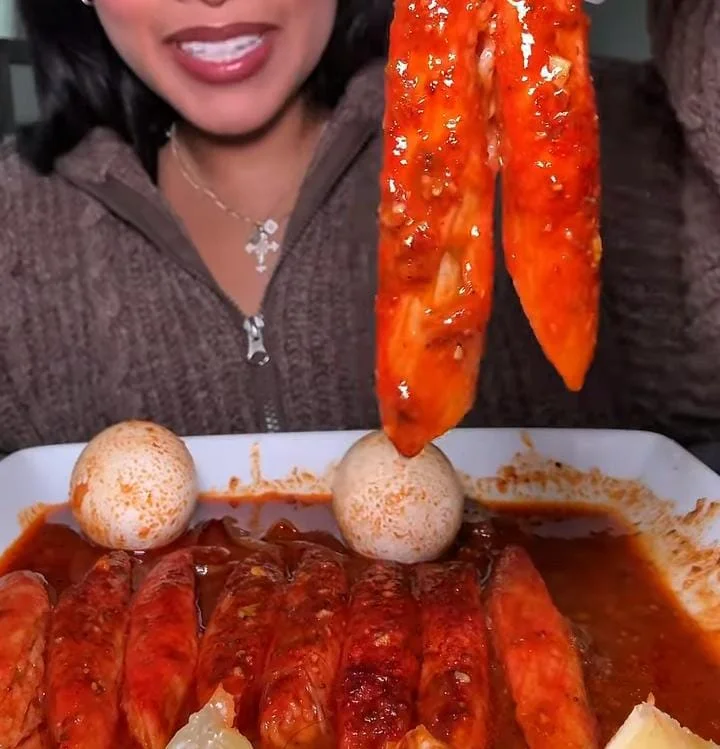
Below are several simple variations of the core recipe. Each variation is explained in two short paragraphs, each paragraph written as five sentences for clarity and readability.
Garlic-Lime Cilantro Variation
This variation emphasizes bright citrus and fresh herbs to lighten the sauce visually and aromatically. Replace half of the rice vinegar with an equal amount of extra lime juice. Add a generous handful of chopped cilantro (about 20 grams) and reduce brown sugar to 60 grams to keep brightness. Use 30 grams gochujang for a milder heat profile and increase sesame oil to 20 ml for richer aroma. The result is a zesty, green-tinted dip that pairs exceptionally well with grilled shrimp and scallops.
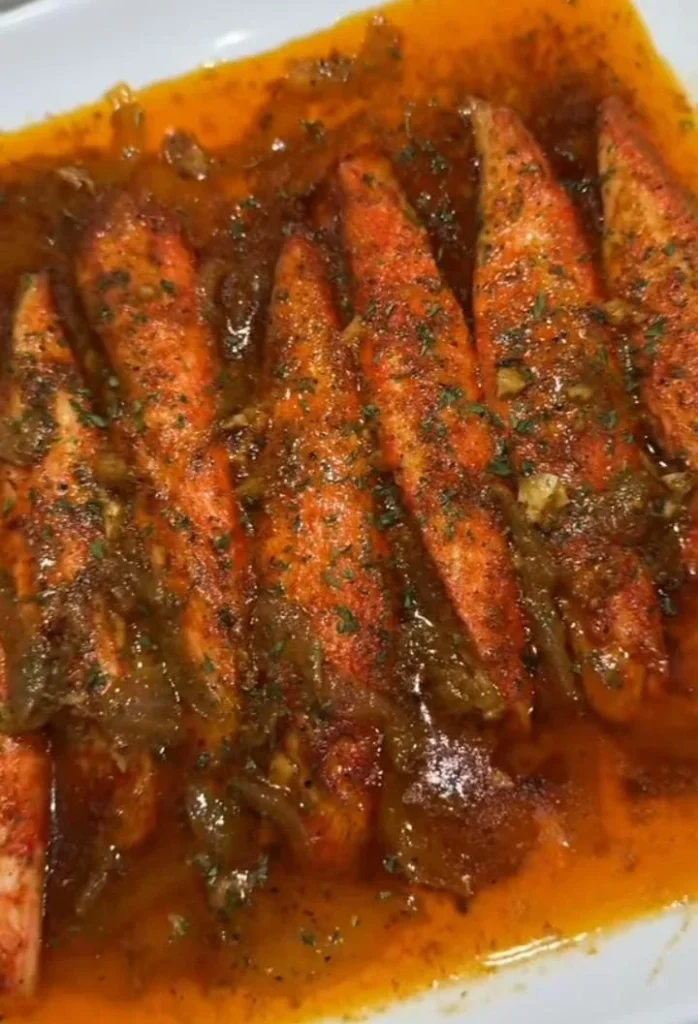
For preparation, chop cilantro and fold it into the sauce during the “Infuse with Aromatics” step. Let the sauce rest for at least 15 minutes so cilantro releases its oils and lime flavor melds with the umami base. This variation is particularly good for outdoor mukbangs where a fresh, herbal note lifts heavier fried dishes. Store it the same way as the base sauce but add cilantro just before serving if you want maximum freshness. The flavor is bright, herb-forward and perfect for viewers who love a cleaner citrus finish.
Spicy Sriracha-Mayo Cream Variation
This creamy variation transforms the sauce into a luscious dip that clings beautifully to fried seafood. Start with the base sauce but reduce the soy sauce by half and omit the cornstarch. Whisk 120 ml mayonnaise into the reduced base until smooth. Add 45 ml Sriracha and an extra tablespoon of honey to balance heat. The mayonnaise creates a richer mouthfeel that adapts well to crunchy textures like tempura.
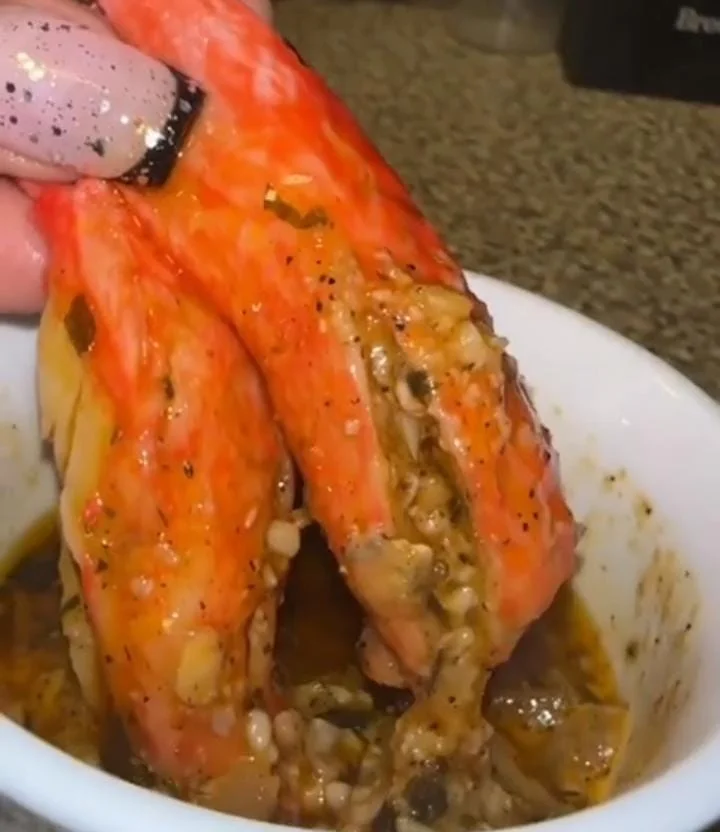
To prepare, slowly whisk mayonnaise into the cooled base to prevent separation. Adjust spiciness with more or less Sriracha according to preference. This version is ideal for those who prefer creamy dips and works well on camera because it coats food attractively. It is higher in calories due to the mayonnaise, so portion accordingly. Serve chilled for the best texture and visual appeal.
Tropical Mango-Chili Variation
This version adds natural fruit sweetness and a tropical aroma for a juicy, colorful dipping sauce. Replace half of the brown sugar with 80 grams of pureed ripe mango. Add a teaspoon of lime zest to intensify citrus notes and maintain the same quantities of soy and fish sauce. Use finely minced fresh red chili and a touch of grated ginger for balanced heat. The mango lends a glossy, fruity texture that pairs beautifully with crab and sweet white fish.
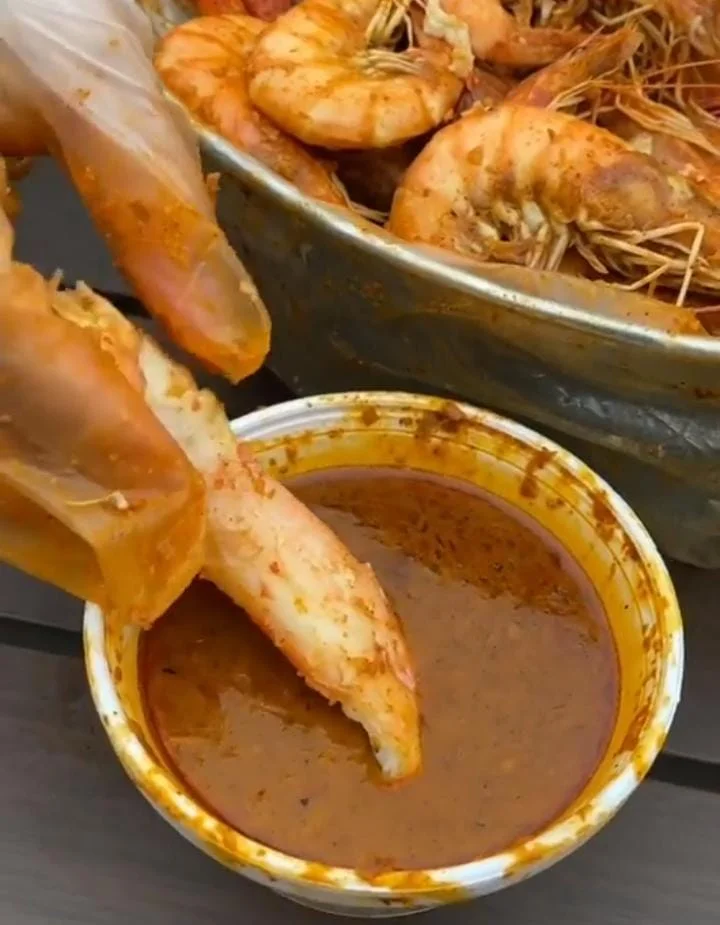
To make it, puree peeled mango flesh until smooth and stir it into the liquid base before adding aromatics. Taste and balance acidity with additional lime if the mango mutes brightness. This sauce is visually appealing with golden hues and little flecks of chili, making it popular in colorful mukbang presentations. Store refrigerated and use within five days for peak fruit freshness. If mango is out of season, use frozen mango puree after thawing and strain to remove excess water.
Smoky Chipotle-Butter Variation
A warm, smoky version that leans into barbecue-style flavors for grilled and roasted seafood. Use the base sauce but reduce rice vinegar by half and add 30 grams finely pureed chipotle in adobo sauce. Melt 30 grams unsalted butter and whisk into the warm sauce for a silky finish. Increase brown sugar slightly to 90 grams to balance smoky heat. The sauce becomes luxuriously rich and pairs well with lobster tails and charred octopus.
For preparation, heat the base sauce gently and whisk in pureed chipotle until fully dispersed. Add melted butter off the heat to prevent separation and whisk until emulsified. The smoky, fatty notes make this variation indulgent and visually dramatic on camera. Be mindful of portion size since butter and sugar increase caloric density. Serve warm to accentuate the smoky aroma and glossy texture.
Light Herb-Yogurt Variation
This variation offers a lighter, tangy option by incorporating yogurt and fresh herbs. Reduce soy sauce by half and stir 200 grams plain Greek yogurt into the base sauce until smooth and creamy. Use lemon juice in place of half the lime juice to introduce a cleaner acidity. Add a mixture of chopped dill and mint (15 grams each) for fresh herbaceousness. The result is a cooling dip that complements spicy seafood and fried textures.
To prepare, fold yogurt into the cooled base slowly to prevent curdling and taste for salt. If necessary, add a small pinch of salt or an extra teaspoon of honey to round out flavors. This variation is lower in sodium and higher in protein thanks to Greek yogurt, making it a slightly healthier alternative. Keep refrigerated and consume within four days for best quality. Serve chilled as a contrast to hot, crispy seafood for an engaging sensory experience.
Tips for Presentation and Mukbang Filming
For mukbang success, presentation matters as much as flavor. Serve the sauce in small, shallow bowls with contrasting colors to make it pop on camera. Garnish with extra scallions, sesame seeds and a lime wedge for visual cues and aroma. Place the sauce near a variety of textures—crispy, chewy and tender seafood—to showcase versatility. Keep a small spoon or brush nearby to refresh glaze on fried pieces for shiny, camera-ready shots.
Troubleshooting Common Issues
If the sauce tastes too salty, dilute with water and add a touch more sugar or lime to rebalance. If too sweet, increase rice vinegar or lime juice. If the sauce separates after adding mayonnaise or butter, whisk vigorously and chill briefly to help emulsify. If overwhelmed by fish sauce, add more lime and a tablespoon of honey to mask overly fermented notes. Always adjust in small increments and taste frequently.
Serving Suggestions
Serve with fried shrimp, octopus, grilled squid, steamed mussels, soft-shell crab and scallops. Also great as a marinade for quick pan-seared fish or as a dressing for seafood salads. Use as a dipping sauce for fries or vegetable sticks to make mukbangs more inclusive for viewers who prefer non-seafood sides. Offer small tasting spoons so guests can try variations during the broadcast. Present sauces in a progression from mild to bold so viewers can follow and compare flavor profiles.
Final Notes
This mukbang seafood sauce formula is designed to be flexible and forgiving while producing bold, camera-friendly flavors. The quantities listed create a substantial batch suitable for group settings; scale down proportionally for smaller portions. The variations provide pathways to diversify your mukbang content without losing the core balance of sweet, sour, salty and spicy. Enjoy crafting your signature version and remember that small adjustments create big differences — taste, tweak, and make it yours.
Expanded Introduction and Context
Mukbang is more than eating on camera; it’s an experience built around texture, sound and bold flavor. Successful mukbang sauces must stand out visually and audibly, clinging to crunchy coatings and creating small dramatic drips that read well on video.
This sauce was developed to combine theatrical appeal with balanced taste so hosts can enhance each bite without overwhelming the seafood. The ingredients chosen emphasize contrast — bright citrus, sticky sweeteners and savory umami — giving viewers a layered sensory experience that works in close-up shots and across longer eating sessions.
More on Nutrients and Dietary Considerations
Although primarily a condiment, the sauce contributes small amounts of vitamins and minerals. Citrus provides vitamin C, garlic and ginger supply antioxidants, and sesame oil brings phytonutrients associated with sesame seeds. Be mindful of sodium from soy and fish sauces; if you monitor sodium intake, reduce soy sauce or use a low-sodium variety. The variations that add mayonnaise or butter increase calories and saturated fat, so use them selectively based on audience preferences and health considerations. For viewers watching for healthier options, highlight the herb-yogurt variation and pair the sauce with steamed or grilled seafood.
Detailed Step-by-Step Preparation Notes
Mise en Place and Equipment
Mise en place makes the process smooth and repeatable. Measure and prepare each element before starting: liquids in measuring cups, sugars weighed, aromatics chopped, and utensils laid out. A small saucepan, whisk, fine sieve and ramekins will be your primary tools. Having everything ready prevents overcooking and allows you to focus on balance.
Warm Integration vs Cold Emulsification
Warming the sauce slightly helps dissolve sugars and meld flavors but avoid boiling. For a fresher profile, combine cold and whisk until integrated; this preserves citrus brightness. If using butter or mayonnaise, temper them by adding a small portion of sauce first, then whisk into the full batch to avoid breaking the emulsion.
Emulsifying and Thickening Tips
Add oils slowly while whisking to build a stable emulsion. If using cornstarch, mix it with cold water and add gradually into a warm sauce to activate thickening without clumping. If the sauce separates, whisk in a teaspoon of warm water or a small splash of vinegar to rebind it. Gentle heat and patient whisking are often all that’s needed to achieve a glossy, cohesive dip.
Safety and Food Handling
Because this sauce includes fresh aromatics and occasionally dairy components in variations, handle and store safely. Keep the sauce refrigerated below 5°C (41°F) and discard if it develops an off smell or visible mold. Reheat only the portion you plan to use and avoid repeated heating and cooling cycles which accelerate spoilage. Use clean utensils to dip; never double-dip during filming to maintain hygiene if sharing with others. Label containers with the preparation date to track freshness.
Additional Troubleshooting Examples
If the sauce is grainy after adding cornstarch slurry, whisk vigorously while warming just until it smooths; long boiling can cause graininess. If the sauce is too thin after refrigeration, whisk in a small cornstarch slurry and bring to a low simmer for thirty seconds to activate thickening. If the sauce has a bitter lime peel taste, reduce zest in future and use only the juice; too much zest can add pithy bitterness. If the sauce is overly fishy from fish sauce, a small spoon of honey and additional lime can help mask the strongest notes while leaving complexity intact.
Pairing Matrix and Serving Sizes
Create a pairing matrix to match sauce variations with seafood types. Use the garlic-lime-cilantro variation with grilled shrimp and scallops. Use the smoky chipotle-butter with grilled lobster and charred octopus. Use the mango-chili with delicate white fish and crab. For crispy fried textures, the spicy sriracha-mayo clings best. Offer 30–60 ml per person for tasting and 100–150 ml per person for heavy dippers during longer mukbangs.
Final Remarks on Customization
This sauce formula is a starting point, not a rulebook. Adjust textures, heat and sweetness to match your personal mukbang style and the preferences of your audience. Small batch testing before a live stream helps avoid surprises; make a tasting cup and sample with representative seafood to determine final tweaks.
Keep notes on what works on camera versus in real life—on-camera gloss and cling may require slightly more sugar or fat than at-home preferences. With practice, you will refine an irresistible sauce that elevates both the eating experience and the viewer’s enjoyment.
Quick Measurement Conversions and Scaling Tips
To scale the recipe down, divide all ingredient quantities by two for a yield of about 360 milliliters. For larger groups multiply proportions linearly; keep delicate aromatics like garlic and chili slightly lower per person to avoid overpowering. Use a digital scale for precision when converting between grams and tablespoons, and measure liquids with transparent measuring cups at eye level.
When testing new variations, create a 60–80 ml tasting batch first so you can tweak seasoning without wasting ingredients. Small adjustments compound quickly, so change in small increments periodically.