
Homemade Shawarma Chicken Recipe: Juicy Middle Eastern-Spiced Chicken for Wraps, Bowls & Meal Prep
Shawarma chicken is a savory, marinated, and roasted or grilled chicken dish rooted in Middle Eastern street food traditions, prized for its complex spices and succulent texture. This recipe translates that classic flavor into an accessible home-cooking method suitable for ovens, grills, or stovetop pans, delivering juicy slices of seasoned chicken perfect for wraps, bowls, salads, or meal prep.
In this article you will find a clear explanation of what shawarma chicken is, its main nutritional highlights, exact ingredient quantities for a reliable home recipe, multiple cooking methods, step-by-step instructions with subheadings, healthy serving suggestions, and a range of variations that adapt the core technique to different regional flavors. Every section is written to be practical, reproducible, and friendly to cooks at all experience levels while emphasizing kitchen technique, temperature control, and flavor balance.

Also try: Honey Soy Chicken
What is Shawarma Chicken?
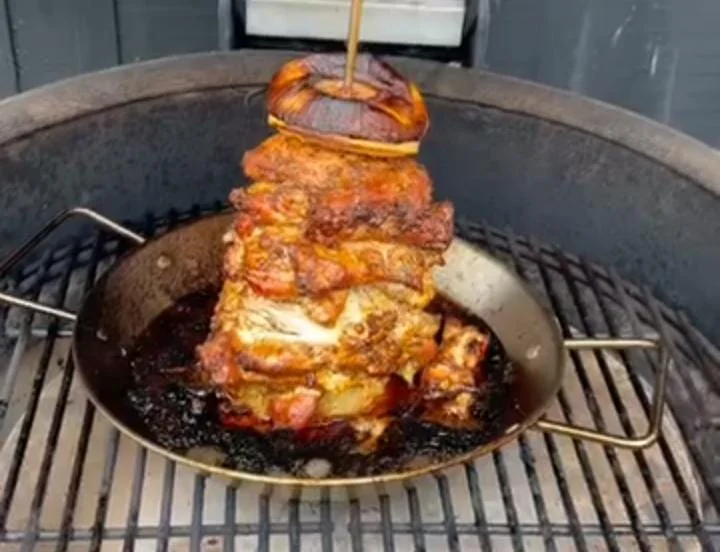
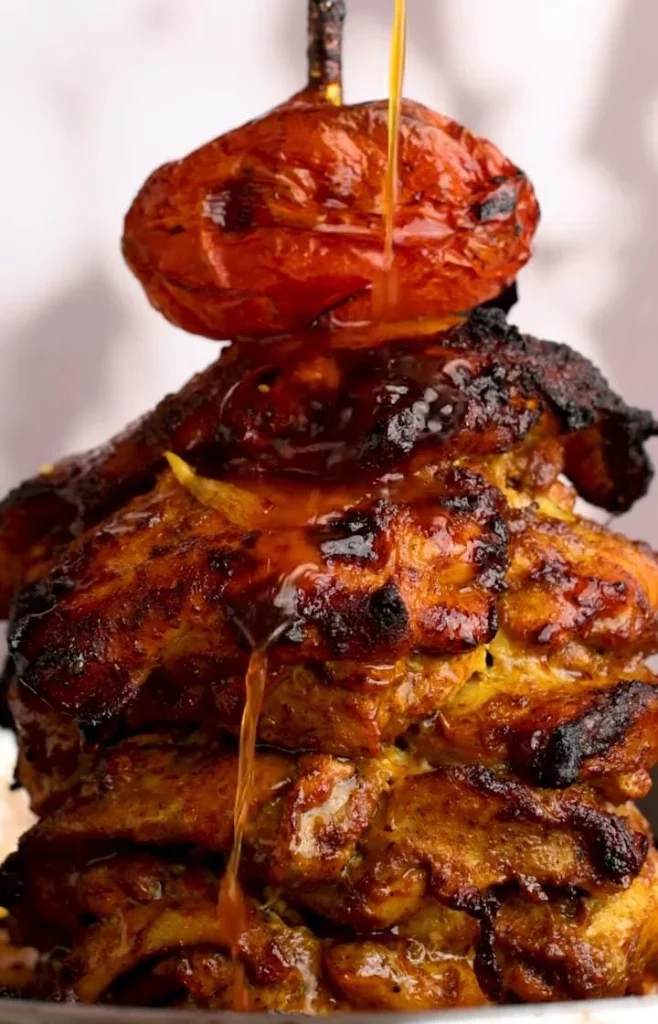
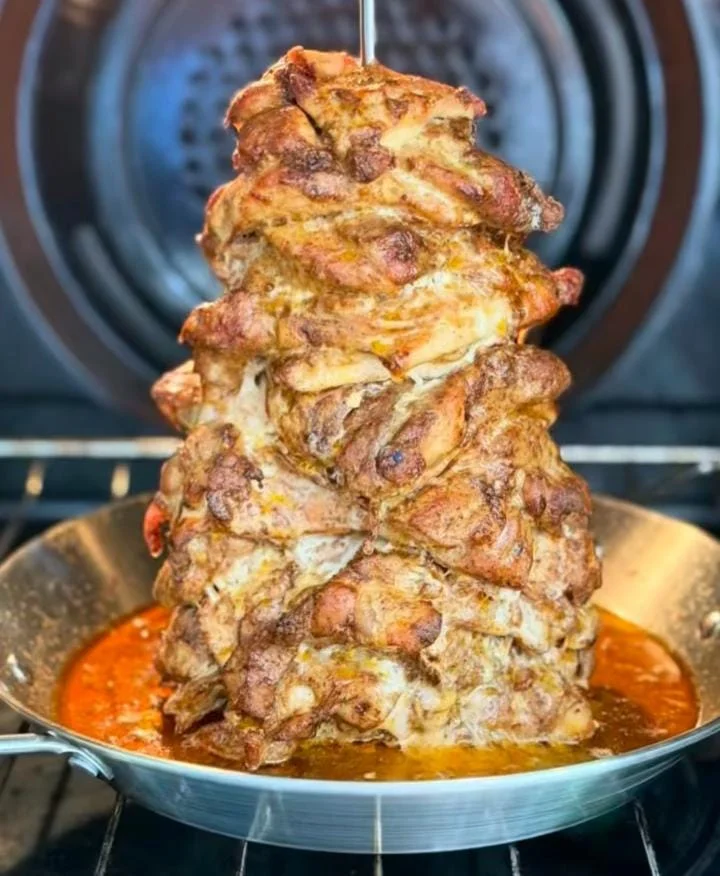
Shawarma refers to meat cooked on a vertical rotisserie, thinly shaved and served with flatbreads and accompaniments; the term commonly describes spiced, marinated cuts of meat that develop deep flavor through slow roasting. Shawarma chicken captures the essence of this technique by marinating boneless chicken in a fragrant mix of spices, citrus, and oil, then roasting, grilling, or pan-searing until edges are caramelized and interior remains tender.

While professional shawarma uses rotating spits, this home-friendly approach focuses on replicating the flavor contrasts — concentrated spice rub, caramelized exterior, and moist interior — using tools available in most kitchens. The technique emphasizes even slicing, high-heat finishing to mimic rotisserie char, and complementary condiments like garlic sauce, pickles, and tangy vegetables to balance richness.
Also try: Homemade Dino Nuggets
Main Nutritional Highlights
Shawarma chicken provides a strong source of lean protein, essential for muscle repair and satiety. The recipe uses modest amounts of healthy fats from olive oil and yogurt, and serving the chicken with salads or whole grains adds fiber and micronutrients. Spices such as turmeric, cumin, and coriander contain bioactive compounds with antioxidant and anti-inflammatory properties, and citrus contributes vitamin C which supports iron absorption.

Calories will vary by portion size, cut of chicken, and choice of sauces; choosing thighs increases fat and calories compared with breasts, though thighs often yield juicier results. Paired with fresh vegetables and whole-grain sides, shawarma chicken can be part of a balanced, nutrient-dense meal.
Also try: Mediterranean Greek Chicken Thighs
Yield and Total Quantity
This recipe yields approximately 6 servings of shawarma chicken, totaling about 1.2 to 1.4 kilograms of cooked, sliced chicken depending on moisture loss during cooking. Each serving is roughly 200 to 250 grams of cooked chicken when served as a main component, or smaller portions of 80 to 120 grams when used as part of bowls or wraps.
Quantities below are exact and written in both metric (grams, milliliters) and U.S. customary measures where helpful for ease of use. The instructions focus on yielding consistent flavor and texture across common home cooking methods and provide practical notes for scaling up or down.
Main Ingredients (Quantities for 6 Servings)
Below are the ingredients with precise quantities and explanations for each component. Use a kitchen scale for best accuracy and room-temperature chicken and measured spice blends for consistent results.
For the Chicken Marinade and Chicken
- 1.5 kg boneless, skinless chicken thighs (about 3.3 lb) or a 50/50 mix of thighs and breasts for leaner texture. Thighs stay juicier and are traditional for shawarma, but breasts work if handled gently.
- 120 ml plain Greek yogurt (1/2 cup) to tenderize and add creamy tang; yogurt helps enzymes break down proteins for a tender bite.
- 60 ml extra virgin olive oil (1/4 cup) to carry fat-soluble spice flavors and promote browning.
- 60 ml lemon juice (from about 2 large lemons) for brightness and acidity to help tenderize the meat.
- 6 garlic cloves, crushed (about 18 g) for pungent depth and aroma.
- 20 g kosher salt (about 1 tablespoon) to season through the meat; adjust if using table salt.
- 5 g freshly ground black pepper (about 1 teaspoon).
Shawarma Spice Blend (mix and measure precisely)
- 15 g ground cumin (about 1 tablespoon) for earthy warmth.
- 10 g ground coriander (about 2 teaspoons) for citrusy undertones.
- 5 g ground turmeric (about 1 teaspoon) for color and gentle bitterness.
- 4 g ground cinnamon (about 3/4 teaspoon) for subtle sweet warmth.
- 4 g ground allspice (about 3/4 teaspoon) to emulate the complex notes of traditional blends.
- 3 g smoked paprika (about 1/2 teaspoon) for mild smokiness.
- 2 g ground sumac or 1 tablespoon lemon zest as an alternative for tang if sumac is unavailable.
Wet Seasoning and Aromatics
- 30 ml white vinegar or apple cider vinegar (2 tablespoons) to balance flavors.
- 30 ml water (2 tablespoons) to adjust marinade consistency if needed.
- 1 bay leaf, finely crushed (optional) for an aromatic lift.
For Serving and Toppings (quantities approximate)
- 6 pita breads or flatbreads for wrapping, or warm rice for bowl service.
- 300 g chopped tomatoes (about 2 medium tomatoes) for fresh acidity.
- 150 g diced cucumber for crunch and hydration.
- 150 g shredded lettuce or cabbage for fresh texture.
- 200 g plain tahini sauce or garlic yogurt sauce (about 1 cup) for finishing; see notes on lighter options.
- 100 g pickled turnips or sliced pickles for bright tang (optional).
- 1 small red onion thinly sliced and soaked in cold water for mildness (about 80 g).
Pantry Staples and Tools
- Olive oil or neutral oil, measuring spoons, mixing bowls, sharp knife, cutting board, roasting tray or grill, thermometer, plastic wrap or airtight container for marinating.
How to Prepare

1. Trim and Prepare the Chicken
Trim excess fat and connective tissue from the thighs or breasts and pat the pieces dry with paper towels. If using whole thighs, leave them intact for juicier results; if you prefer strips or smaller pieces for faster cooking, cut into 2.5 to 3 cm (1-inch) thick strips. Uniform pieces promote even cooking and predictable doneness. Place chicken in a large bowl or resealable bag for marinade application.
2. Make the Marinade and Combine
In a medium bowl, whisk together Greek yogurt, olive oil, lemon juice, crushed garlic, vinegar, water, kosher salt, black pepper, and the complete shawarma spice blend until smooth. Add bay leaf if using and mix well to distribute spices evenly. Pour the marinade over chicken, ensuring each piece is thoroughly coated, and massage gently so the yogurt and spices penetrate the meat. Seal the bowl with plastic wrap or transfer to an airtight container and refrigerate for a minimum of 2 hours and up to 24 hours; shorter marination works but longer times (not exceeding 24 hours) develop deeper flavor.
3. Bring to Room Temperature Before Cooking
Remove the marinated chicken from the refrigerator about 30 minutes before cooking to allow it to come closer to room temperature; this promotes even cooking and prevents the exterior from overcooking while the interior heats through. Keep covered in the fridge until the 30-minute window, especially in warm climates to avoid food safety issues. Pat excess marinade off the chicken just before cooking to encourage browning rather than steaming.
4. Cook Using Your Preferred Method: Roast, Grill, or Pan-Sear
Oven Roasting Method (reliable for home cooks)
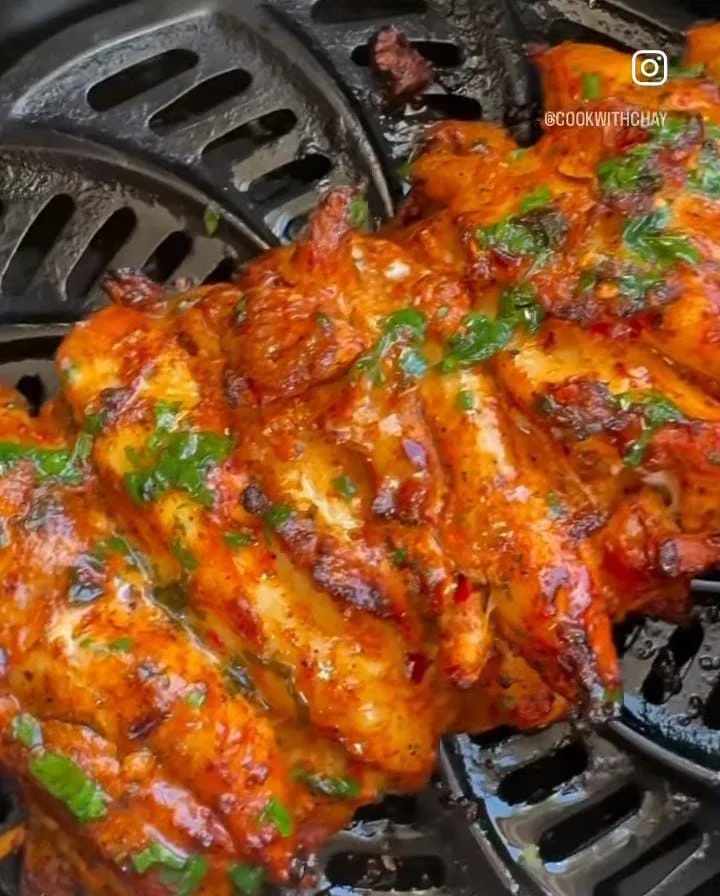
Preheat oven to 220°C (425°F) with a rack placed in the upper third. Arrange marinated chicken on a wire rack set over a rimmed baking sheet to allow hot air circulation and fat drip-away. Roast for 18 to 25 minutes depending on thickness, then broil for 2 to 3 minutes to caramelize edges and mimic rotisserie char, watching carefully to avoid burning. Use a meat thermometer to ensure an internal temperature of 74°C (165°F) for poultry safety. Let rest 5 to 8 minutes before slicing thinly.
Grill Method (for smoky flavor)
Preheat grill to medium-high heat and oil the grates. Grill chicken pieces for 4 to 6 minutes per side depending on thickness, rotating for even char and internal cook. Aim for slightly charred edges while maintaining juicy centers, then transfer to a cooler part of the grill and rest before slicing. For added authenticity, skewer strips of marinated chicken and cook vertically on grill grates or in a rotisserie-style attachment if available.
Stovetop Pan-Sear (quick and efficient)
Heat a heavy skillet or cast-iron pan over medium-high heat and add a small amount of oil. Sear chicken pieces without crowding the pan, working in batches if necessary, until deeply browned on both sides, then reduce heat and finish cooking through. Deglaze pan with a splash of broth or lemon juice to lift fond and create a quick pan sauce if desired. Rest before slicing and serve.
5. Slice and Serve Like Street-Style Shawarma
For authentic presentation, slice the rested chicken across the grain into thin strips about 3 to 5 mm thick. Pile slices onto warm pita or flatbread and top with shaved red onion, chopped tomato, cucumber, pickled turnips, and a generous drizzle of garlic yogurt sauce or tahini. For a bowl, serve chicken over steamed rice with salad components on the side and sauce drizzled over the top. Offer lemon wedges and extra hot sauce for diners to adjust acidity and heat.
Tips for Best Texture and Flavor
- Use thighs for juicier results; mix with breasts if you want leaner slices.
- Do not over-marinate beyond 24 hours to avoid overly soft texture from yogurt enzymes.
- Pat chicken dry before searing or roasting to encourage Maillard browning.
- Use high heat finishing (broil or quick grill chars) to emulate spit-roasted edges.
- Slice against the grain for tender strips that are pleasant to eat.
Healthy Habits to Pair with Shawarma Chicken

Shawarma chicken can be integrated into balanced meals by prioritizing vegetables and whole grains. Choose whole-wheat pita or a base of brown rice or quinoa for extra fiber. Keep sauce portions modest — use yogurt-based garlic sauce or tahini sparingly to control calories while retaining creaminess.
Add generous salads, pickled vegetables, or roasted vegetables to increase micronutrients and satiety. Rotate proteins and include plant-based meals in your week to diversify nutrient intake and limit overconsumption of any single food type.
Storage, Meal Prep, and Reheating
Store cooked, sliced shawarma chicken in an airtight container in the refrigerator for up to 4 days. For meal prep, divide into meal-sized portions with separate compartments for fresh toppings and sauce to prevent sogginess.
To reheat, warm gently in a skillet over medium heat with a splash of water or broth, or reheat in a 175°C (350°F) oven for 6 to 8 minutes; avoid microwaving at high power which can dry chicken unevenly. You can freeze cooked chicken for up to two months; thaw in the refrigerator overnight and reheat gently. Pack sauces and crisp vegetables separately for best texture retention during transport.
Variations
Variation 1 — Lebanese-Style Shawarma with Toum and Sumac
This variation emphasizes classic Lebanese flavors by increasing lemon and garlic elements and serving the chicken with toum, a whipped garlic sauce, and a sprinkle of sumac. To make toum, blend peeled garlic cloves with oil, lemon juice, and a pinch of salt until emulsified into a fluffy, mayonnaise-like sauce; serve alongside sliced chicken for a pungent, bright pairing.
Sumac dusted over the chicken and salads adds a tangy, citrusy note that lifts the overall richness and mimics authentic street flavor. Serve with warm pita and chopped tabbouleh for a communal plate that balances freshness and bold condiments. The assertive garlic-to-lemon profile is signature to Lebanese shawarma and celebrates contrasts.
For a lighter take, swap full-fat yogurt in the marinade for reduced-fat Greek yogurt and use toum sparingly or blend it with yogurt to mellow intensity. Serve with a large salad of parsley, mint, and bulgur or quinoa to complement the heavy garlic notes and increase fiber intake. Finish plates with sumac and lemon wedges so guests can adjust brightness to taste. This Lebanese approach highlights how small, assertive condiments can transform simple roasted chicken into a communal, festive meal. It also showcases the versatility of shawarma when paired with herb-forward sides.
Variation 2 — Mediterranean Shawarma Bowl with Hummus and Olives
Build a bowl by serving shawarma chicken over a bed of herbed rice or mixed greens and include a generous spoonful of hummus and a scattering of kalamata olives. The hummus adds creamy richness and plant-based protein while olives and preserved lemons contribute briny complexity. Add roasted vegetables like eggplant and red peppers for hearty texture and roasted flavor that balances the spiced chicken. Drizzle with olive oil and sprinkle with fresh herbs such as parsley and mint to tie the bowl together. The result is a Mediterranean-inspired plate with diverse textures and a satisfying balance of savory and tangy notes.
For a vegetarian-friendly adaptation, replace chicken on half the board with grilled halloumi or seasoned roasted chickpeas alongside hummus and olives. Use whole grains like farro or freekeh for extra chew and fiber that make the bowl more filling. Include a lemony vinaigrette for brightness and to help integrate the hummus into the bowl. The Mediterranean bowl is versatile for meal prep and travels well for lunches. It pairs nicely with a side of warm flatbread for scooping and sharing.
Variation 3 — Spicy Persian-Inspired Shawarma with Advieh Notes
This version layers Persian-inspired spices such as ground cardamom, rose petals (dried and powdered lightly), and a touch of ground nutmeg into the shawarma blend for fragrant complexity. Add a controlled amount of Aleppo pepper or red chili flakes for heat, and finish with a squeeze of pomegranate molasses to introduce sweet-tart contrast. Serve over saffron rice or with a side of mast-o-khiar, a cucumber-yogurt dip, to balance warmth and aromatics. Pomegranate seeds or chopped pistachios sprinkled on top provide brightness and texture that contrasts with the savory meat. This approach gives shawarma an aromatic, slightly sweet dimension that is elegant and unexpected.
To keep it approachable, use small amounts of rose and cardamom so the dish remains savory rather than floral or perfumed. Balance stronger spices with cooling sides, and provide pomegranate molasses separately so guests can add sweetness if desired. The Persian-style shawarma is an excellent way to experiment with subtle floral notes that play nicely with savory umami. For a family-friendly rollout, reduce chili heat and focus on the gentle warm spices to appeal to broader palates. This version adds a creative, layered flavor profile for adventurous cooks.
Variation 4 — Healthy Greek-Inspired Shawarma Wrap with Tzatziki
Create a lighter wrap by pairing shawarma chicken with tzatziki, lots of fresh cucumber, tomato, and shredded lettuce in whole-wheat pita. Use less oil in the marinade and increase lemon and yogurt for a tangy, protein-rich profile. Tzatziki made from strained yogurt, cucumber, garlic, and dill complements the spices and provides cooling moisture without heavy calories. Add a small sprinkle of feta for briny contrast and a few olives for texture if desired. This Greek-inspired preparation keeps the spirit of shawarma but leans into Mediterranean freshness and lighter sauces.
For meal prep, pack chicken, tzatziki, and salad components separately and assemble wraps before eating to prevent sogginess. Choose whole-grain wrappers or lettuce leaves for lower carbohydrate options. The use of fresh herbs like dill and mint brightens the wrap and enhances perceived richness without adding calories. This variation is well-suited to those prioritizing lighter, fiber-forward meals while retaining indulgent flavors. It also adapts well to dairy-free swaps by using plant-based yogurt and cucumber-based sauces.
Troubleshooting Common Problems
If chicken tastes bland, increase salt gradually and ensure marinade time is sufficient. If chicken is dry, check that cooking temperature is not too high or reduce cooking time and prefer thighs for juicier results.
If marinade causes the exterior to scorch, pat excess marinade off before high-heat finish or reduce sugar content that caramelizes quickly. If slices are chewy, slice across the grain and ensure proper rest time after cooking to allow juices to redistribute. If sauce separates, whisk yogurt-based sauces with a bit of warm water and a squeeze of lemon to re-emulsify before serving.
Serving Suggestions and Pairings
Serve shawarma chicken with warm pita, garlic yogurt sauce, pickles, and a side of fattoush or tabbouleh for a classic spread. For a lighter plate, arrange chicken over mixed greens with a lemon-olive oil dressing and a dollop of hummus.
Offer a range of condiments such as hot sauce, sumac, and preserved lemons so diners can personalize heat and acidity. Pair with simple sides like grilled vegetables or a rice pilaf to complete the meal. For beverages, serve with sparkling water, lemon-based drinks, or light herbal teas to refresh the palate.
Final Notes and Encouragement
Shawarma chicken is approachable to home cooks while delivering bold street-food flavors when the marinade and cooking technique are treated with respect. Use the variations to explore different regional profiles and keep meal rotation exciting.
Practice and slight adjustments for your equipment will refine timing and texture until you achieve consistent results. Keep notes on marination times, spice adjustments, and cooking methods to replicate favorite outcomes. Enjoy sharing this versatile, flavorful dish with family and friends and treat it as a foundation for countless meals.
Advanced Techniques and Flavor Enhancements
To elevate shawarma chicken beyond the basics, pay careful attention to layering flavors and finishing techniques that mimic professional rotisserie cooks. Start with a precise balance of spices and always toast whole spices briefly before grinding to awaken volatile oils and deepen aroma. Consider adding a small amount of clarified butter or ghee to the marinade for a richer mouthfeel and improved browning at high heat.
For textural contrast, quick-pickle thin slices of red onion in lemon and salt while the chicken rests, so the tangy crunch arrives at the table ready to brighten each bite. Reserve some marinade, brought to a boil for safety, and reduce it to glaze chicken at the end for extra shine and concentrated flavor; finish with fresh herbs before serving.


