Crispy Pan-Fried Pork Cutlets Recipe — Juicy, Quick Weeknight Dinners (Breaded & Oven-Baked Options)
Pork cutlets are a fast, versatile, and family-friendly main course that deliver satisfying meaty flavor with a crispy exterior and tender interior. Whether breaded and pan-fried for a golden crust, or quickly oven-baked for a lighter finish, cutlets are an efficient way to turn thinly sliced pork into a crowd-pleasing dinner in 25–35 minutes.
This article explains what pork cutlets are, the nutrition they provide, exact ingredient quantities for a reproducible recipe sized to serve four, full explanations of each ingredient’s role, step-by-step preparation laid out under clear subheadings, healthy serving tips, and four tested flavor variations. Everything is written in plain, human language so you can replicate great results at home and adapt the method to dietary preferences.

Also try: Authentic Char Siu Pork Recipe
What Are Pork Cutlets?
Pork cutlets are thin slices of pork—commonly from the leg (sirloin), loin, or boneless pork chops—that have been pounded to an even thickness to ensure quick, even cooking. The thinness (typically 4–6 mm / 1/8–1/4 inch after pounding) allows for fast searing which produces a caramelized exterior while keeping the inside moist.
Cutlets are ideal for breading (classic “Wiener schnitzel”-style or panko crust) or for quick pan sauces (lemon-butter, mushroom gravy) because their quick cooking time reduces the chance of overcooking and drying out. Because the pieces are small and thin, they’re excellent for weeknight family meals, lunchboxes, and plated dinners where you want fast, consistent results. For more pork recipes you can link on 20 Best Pork Recipes.

Nutritional Highlights
Pork is a good source of high-quality protein, B vitamins (especially B12 and thiamine), selenium, phosphorus, and zinc. A 120–140 g cooked pork cutlet (about one serving) supplies roughly 22–28 g protein and varies in calories depending on cooking method—pan-fried in oil will be higher in fat and calories than a lean, oven-baked cutlet.
Using lean cuts (center loin or sirloin tip) and trimming visible fat reduces saturated fat. Breaded cutlets add carbohydrate and calories from breadcrumbs and oil absorption; using whole-grain panko or baking the cutlets reduces added fat while maintaining texture. Pairing cutlets with vegetables and whole grains increases fiber and micronutrient density, balancing the meal.
Also try: Healthy Sweet and Sour Pork
Recipe Yield and Overview
This recipe makes 4 servings — four pan-fried or oven-baked pork cutlets, approximately 120–140 g raw pork per piece (total raw meat about 500–560 g). Cooked yield will depend on moisture loss but plan for one cutlet per serving with sides. The prep time is about 15–20 minutes (including pounding and breading) and cook time 8–12 minutes depending on method. Below are exact ingredient quantities for the standard breaded version, followed by alternatives and step-by-step prep.

Main Ingredients — Quantities and Full Explanations (Serves 4)
Pork loin cutlets (boneless center-cut) — 560 g total (4 cutlets at 140 g each)
Use boneless pork loin cutlets or thin-sliced pork chops trimmed of visible fat. If using whole pork chops, butterfly and slice horizontally then gently pound to uniform thickness. Quality and freshness matter: look for pale pink meat with fine marbling for juiciness. Weight ensures each person gets a satisfying portion and allows for shrinkage during cooking.
Kosher salt — 6 g (1 teaspoon) plus extra to taste
Salt seasons the meat and enhances flavor; kosher salt measures differently by volume than table salt. Use judiciously: salt both sides before breading for even seasoning. If using table salt, reduce volume by about 30%.
Freshly ground black pepper — 1/2 teaspoon (about 1 g)
Black pepper provides mild heat and aromatic lift; grind fresh for best flavor. Add after salting to ensure even distribution.
All-purpose flour — 90 g (3/4 cup)
Flour forms the first coating layer that helps the egg adhere and creates a dry surface for breadcrumbs to cling to. Use plain all-purpose or a 50:50 mix with whole-wheat pastry flour for added fiber (expect slightly denser crust).
Large eggs — 2 large (about 100 g total), beaten
Eggs act as the binding agent between flour and breadcrumbs, emulsifying surface moisture and creating a cohesive crust. For eggless options, use a slurry of 60 g plain yogurt thinned with 2 tablespoons water or 60 g aquafaba.
Milk (or plant milk) — 30 ml (2 tablespoons), mixed into eggs
A small amount of milk loosens the beaten egg for even coating and contributes tenderness. Use dairy or unsweetened plant milk for vegan alternatives when paired with appropriate egg-free binder.
Panko breadcrumbs — 160 g (about 1 3/4 cups) — or fine breadcrumbs for classic crust
Panko yields an ultra-crisp, light crust that resists oil absorption; fine breadcrumbs give a traditional smoother crust. Toast panko lightly before breading if you want extra nuttiness. Season the breadcrumbs with salt, pepper and optionally dried herbs.
Grated Parmesan cheese — 40 g (1/2 cup) optional
Parmesan adds umami, salt, and flavor depth to the breadcrumb layer. Mix into panko for a savory, golden crust. Omit for dairy-free diets.
Neutral oil for frying (canola, avocado, or vegetable) — 60 ml (4 tablespoons) for shallow frying
Use an oil with a high smoke point for pan frying. You’ll need enough oil to cover the pan bottom about 3–4 mm deep for even browning; the oil amount can vary by pan size. For baking, use a light spritz of oil on the cutlets and baking sheet.
Unsalted butter — 15 g (1 tablespoon) optional for flavoring pan
A small amount of butter added at the end of pan-frying gives color and richness; omit for dairy-free versions.
Lemon — 1 medium (juice and zest as garnish; optional)
Fresh lemon brightens the cutlets when squeezed just before serving and cuts through richness.
Fresh parsley — 8 g (1/4 cup chopped) for garnish
Parsley adds color and fresh herb aroma at service.

Pantry Items and Equipment
You’ll need: meat mallet or small heavy pan for pounding, 3 shallow dishes for flour/egg/breadcrumbs, a sharp knife, cutting board, kitchen scale or measuring cups, large skillet (10–12 inch) or baking sheet, wire rack, tongs or spatula, thermometer (instant-read), and paper towels. Use a heavy skillet (cast iron or stainless steel) for even heat retention during frying.
How to Prepare
1. Trim and Pound the Pork
Start by trimming any visible external fat or silverskin and pat the cutlets dry with paper towels; dry surfaces brown better. Place each cutlet between two sheets of plastic wrap or inside a resealable plastic bag to avoid splatter, and use a meat mallet to pound to an even thickness of about 4–6 mm (1/8–1/4 inch).
Pounding not only evens thickness for uniform cooking but also slightly tenderizes the meat fibers for a more delicate bite. Work gently and steadily to avoid tearing the meat. Once pounded, season both sides lightly with kosher salt and freshly ground black pepper.
2. Set Up the Breading Station
Arrange three shallow dishes in a line: one with 90 g all-purpose flour (seasoned with a pinch of salt and pepper), one with beaten eggs (2 large) mixed with 30 ml milk, and one with 160 g panko breadcrumbs combined with 40 g grated Parmesan (if using), 1/2 teaspoon dried oregano, and a pinch of salt.
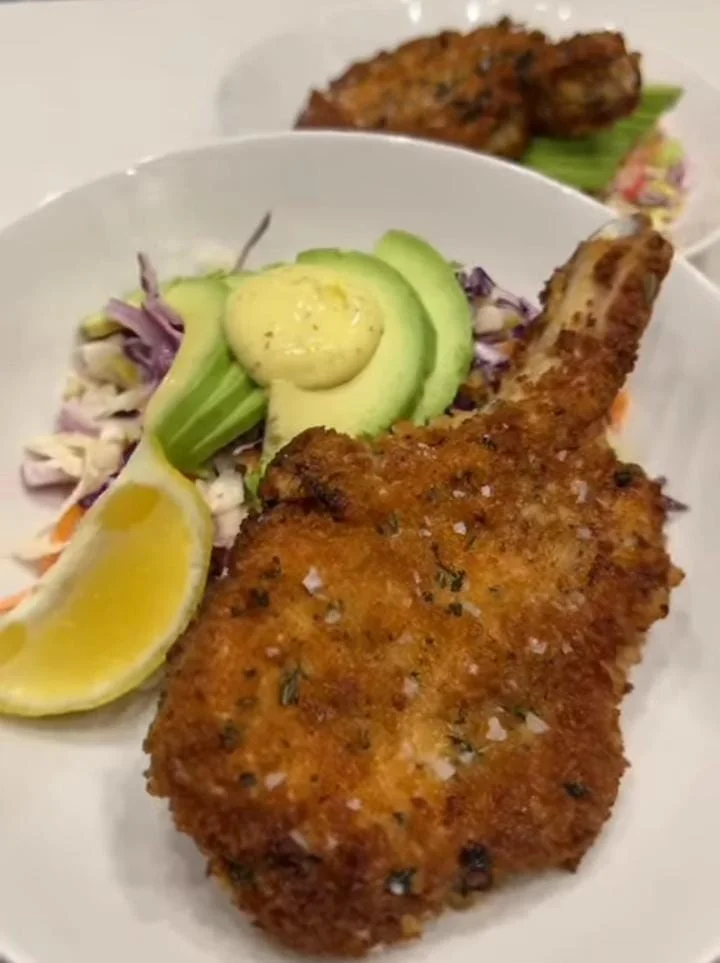
Dredge each cutlet in flour first, shaking off excess, then dip into the egg mixture, letting excess drip off, and finally press into the breadcrumb mix to coat evenly. For an extra-thick crust, repeat the egg and breadcrumb dip once more, or for a thinner crust use only a single pass. Place breaded cutlets on a wire rack and let them rest for 10 minutes; this rest period helps the crust adhere and reduces oil spatter.
3. Pan-Fry the Cutlets (Classic, Crispy)
Heat a large skillet over medium heat and add 60 ml neutral oil; when the oil shimmers and reaches about 175–190°C surface temp, carefully add the cutlets in a single layer without crowding. Fry for about 2–3 minutes per side until deep golden brown and the crust is crisp; use tongs to flip gently.
If using an instant-read thermometer, the internal temperature should reach 63°C (145°F) for pork followed by a 3-minute rest—this yields safe, juicy meat. If the crust browns too quickly, reduce heat a touch and finish cooking; if it’s too pale after the specified time, increase heat slightly but watch to avoid burning. Transfer cooked cutlets to a wire rack set over a baking sheet to drain and keep crisp while you finish the remaining pieces.
4. Oven-Bake for a Lighter Option
To reduce oil, preheat the oven to 220°C (425°F) and place breaded cutlets on a baking sheet lined with parchment and lightly brushed with oil. Spray the tops lightly with oil and bake for 10–14 minutes, flipping once halfway through, until golden and internal temperature reaches 63°C (145°F). For a crisper finish, finish under a preheated broiler for 1–2 minutes per side, watching closely. Baking loses less oil and is more hands-off, making it a great option for multiple cutlets or meal prep.
5. Rest, Finish and Serve
Allow the cutlets to rest for 3–5 minutes after cooking—this lets juices redistribute and prevents dryness. While resting, you can add 15 g butter to the hot pan, swirl until foamy, then spoon the foaming butter over cutlets for extra sheen and flavor (skip for dairy-free).
Squeeze fresh lemon over the cutlets and sprinkle chopped parsley for brightness and color. Serve immediately with sides such as mashed potatoes, steamed green beans, a crisp salad, or wholegrain rice. Leftover cutlets can be cooled, refrigerated in an airtight container, and reheated in a 180°C (350°F) oven for 6–8 minutes to restore crispness.
Timing, Doneness and Safety Notes
Thin cutlets cook rapidly; monitor closely. Pork is safe at 63°C (145°F) followed by a 3-minute rest; temper—slightly undercooked pork is no longer a big risk when using fresh, high quality meat, but always ensure proper handling. Overcooking dries pork quickly; aim for rosy, moist center. If you prefer well-done meat, cook to 71°C (160°F) but expect firmer texture.
Healthy Habits and Serving Suggestions
Choose lean cuts and trim excess fat to lower saturated fat levels. For a lighter meal balance, serve cutlets with a large vegetable side (roasted broccoli, green beans, or a salad) and whole grains (brown rice, farro) for fiber. Swap half the panko for ground flaxseed or almond meal to raise fiber and healthy fats. Air-baking or oven-baking instead of frying cuts oil and calories while retaining crunch when finished under the broiler. Control portions by offering 1 cutlet with a generous side of vegetables rather than multiple starches.
Variations
1) Classic Lemon-Capers Piccata-Style Pork Cutlets

This version borrows from Italian piccata with a light lemon and caper pan sauce that brightens the dish. After pan-frying cutlets, remove them and deglaze the pan with 120 ml dry white wine or chicken stock, scraping up browned bits. Add 30 g unsalted butter and 2 tablespoons capers, then squeeze the juice of one lemon into the pan and swirl until a slightly thickened sauce forms. Return cutlets to the pan briefly to coat and finish with chopped parsley for an aromatic, tangy finish. Serve with a side of sautéed spinach and steamed potatoes for a complete plate.
For a lighter twist, use low-sodium stock instead of wine and finish with a teaspoon of olive oil rather than butter. Add thinly sliced shallots sautéed at the start for additional sweetness and depth. Use brined capers sparingly to avoid excess saltiness. This variation pairs well with a crisp white wine and makes an elegant weeknight dinner. It is quick and accentuates the pork’s natural flavor through acidity and umami.
2) Asian-Style Hoisin-Sesame Cutlets

This variation features a sticky hoisin and soy glaze that gives pork cutlets a sweet-savory, slightly smoky finish. Make a glaze by whisking 60 ml hoisin sauce, 30 ml soy sauce, 2 tablespoons rice vinegar, 1 tablespoon honey, and 1 teaspoon sesame oil; warm gently to meld flavors. Brush the glaze onto cutlets in the last minute of pan-frying or after baking, then sprinkle with toasted sesame seeds and sliced scallions. The combination of umami and sweetness creates a finger-licking finish that’s excellent with steamed bok choy and jasmine rice. Garnish with toasted sesame and fresh cilantro for visual contrast.
For a spicy kick, add 1 teaspoon sriracha or chili paste to the glaze. For gluten-free cooking, use tamari and check hoisin labels for gluten. Replace honey with maple syrup for vegan/flexible diets when using plant-based protein. This glaze can be prepared ahead and stored refrigerated for up to a week. It’s a quick way to transform a simple cutlet into an Asian-inspired favorite.
3) Herb-Crusted Dijon Pork Cutlets
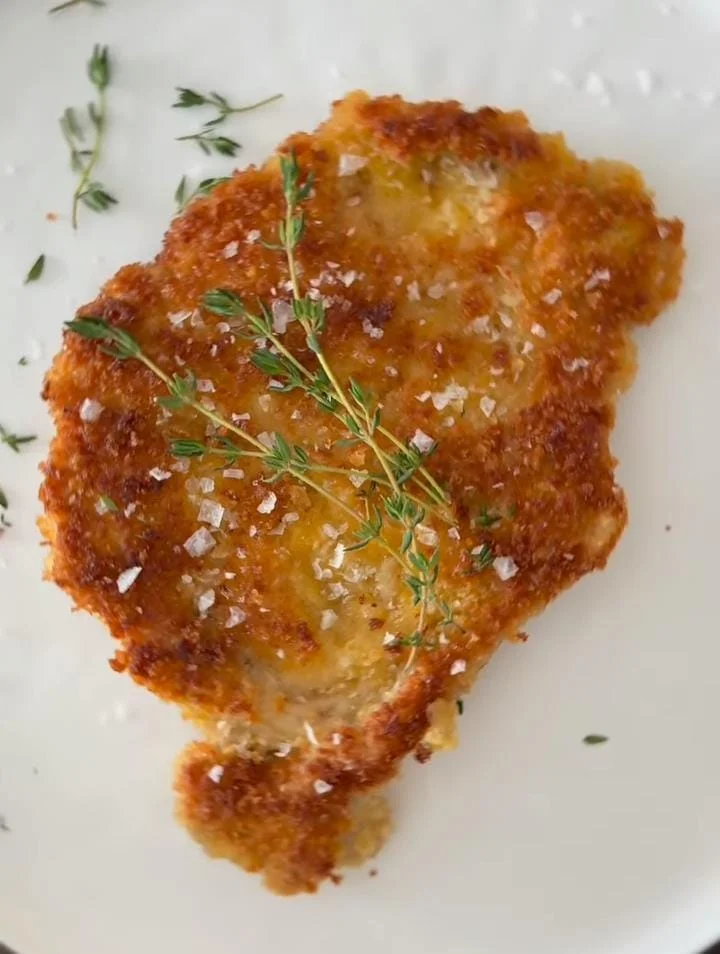
This herb-forward variation uses Dijon mustard and fresh herbs in the breading for aromatic flavor. Before dredging, brush both sides of pounded cutlets with 1 tablespoon Dijon mustard, then press into a breadcrumb mix of panko, 15 g minced parsley, 1 teaspoon thyme, and grated lemon zest. Pan-fry or bake as usual until crust is golden and fragrant; the mustard keeps the crust moist while adding subtle tang. Serve with a side of roasted root vegetables and a green salad dressed with vinaigrette. The fresh herb notes make this a bright, family-friendly option.
To adapt, use whole-grain mustard for more texture or swap thyme for rosemary for a piney aroma. For a gluten-free herb crust, use almond meal combined with gluten-free panko. The mustard step also works well with fish and chicken as an alternative binder. Lemon zest elevates the herb aromas and keeps flavors lively. This method produces a flavorful crust without excessive added salt.
4) Cheesy Milanese-Style Pork Cutlets
Inspired by Milanese cooking, this variation uses a Parmesan-enriched crust and is served with a simple arugula salad. Mix 120 g panko with 40 g grated Parmesan, a pinch of nutmeg, and lemon zest; press cutlets into the mixture after egg wash for a crisp, golden coating. Pan-fry in a thin layer of oil until the cheese browns slightly and turns aromatic. Toss fresh arugula with lemon juice and olive oil and heap on top of warm cutlets for a peppery counterpoint. The result is a restaurant-worthy dish with crunchy texture and complementary bitter greens.
For a lighter take, bake the Parmesan crusted cutlets on a rack and finish with a drizzle of good olive oil. Substitute Pecorino Romano for more saltiness and sharper flavor. This dish is excellent with roasted cherry tomatoes, which echo the salty-sweet contrast. Use thin slices of prosciutto pressed under the crust for an extra savory layer. The Milanese method highlights restraint: just a few quality ingredients assembled well.
Troubleshooting Common Problems
If the crust falls off after frying, the cutlets were likely not rested long enough after breading; let them sit 10–15 minutes before cooking. If crust browns too quickly while interior is underdone, reduce pan heat and cook a touch longer, or finish in a warm oven to avoid burning.
For greasy cutlets, drain on a wire rack rather than paper towels so the crust remains crisp; excessive oil absorption may indicate oil temperature was too low—aim for shimmering but not smoking oil. If the meat tastes bland, check your seasoning—salt undercuts blandness and should be applied at both the raw meat and breadcrumb stages. If oven-baked cutlets are limp, flip halfway and finish under the broiler for 1–2 minutes to crisp.
Storage and Reheating
Store leftover cooked cutlets in an airtight container in the refrigerator for up to 3 days. To reheat and regain crispness, place on a wire rack set over a baking sheet and warm in a 180°C (350°F) oven for 6–10 minutes until heated through. Avoid microwaving if you want to maintain crunch as microwaves soften breading. For freezing, flash-cool cooked cutlets then wrap individually and freeze up to 2 months; reheat from frozen in a hot oven at 200°C (400°F) for 12–16 minutes until hot and crisp.
Pairing and Serving Ideas
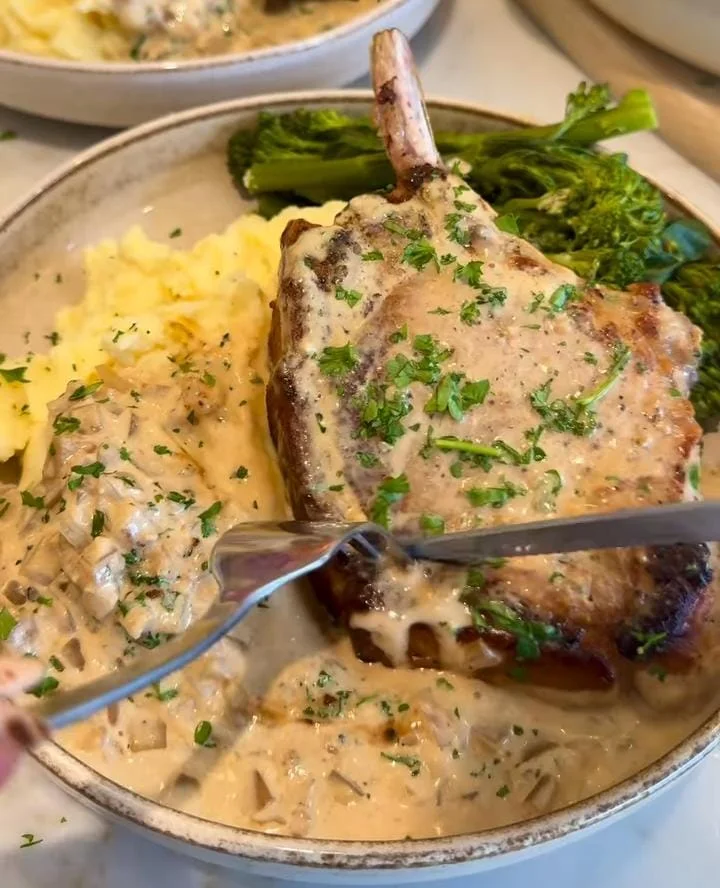
Pork cutlets pair well with tangy or acidic components: lemon wedges, quick pickled red onions, or a light mustard sauce. For vegetables, roasted root vegetables, sautéed leafy greens, or a crisp fennel and apple salad complement the pork’s savory richness.
Starches like mashed potatoes, creamy polenta, or simple buttered egg noodles make comforting accompaniment; choose whole grains for additional fiber. For sandwich use, place cutlets on toasted rolls with slaw and aioli for a delicious pork cutlet sandwich. Consider a light appetizer or salad to start and seasonal fruit for dessert to round out a balanced meal.
Final Notes and Conclusion
Pork cutlets are an adaptable, approachable centerpiece that can be dressed up or pared back depending on the occasion. With straightforward technique—pound evenly, bread consistently, and control oil temperature—you’ll achieve crisp, golden exteriors and juicy interiors every time.
Small adjustments (baking vs frying, panko vs fine crumbs, herb or spice mixes) allow you to tailor texture and flavor to dietary needs and preferences. By pairing with vegetables and whole grains and controlling added fats and salt, pork cutlets can be part of balanced, delicious meals for family dinners or entertaining. Practice the method, take notes on your preferred crust and doneness, and enjoy the reliable satisfaction of a well-cooked cutlet.