
Homemade Ramen Noodles from Scratch – Easy Step-by-Step Guide with 8 Delicious Variations
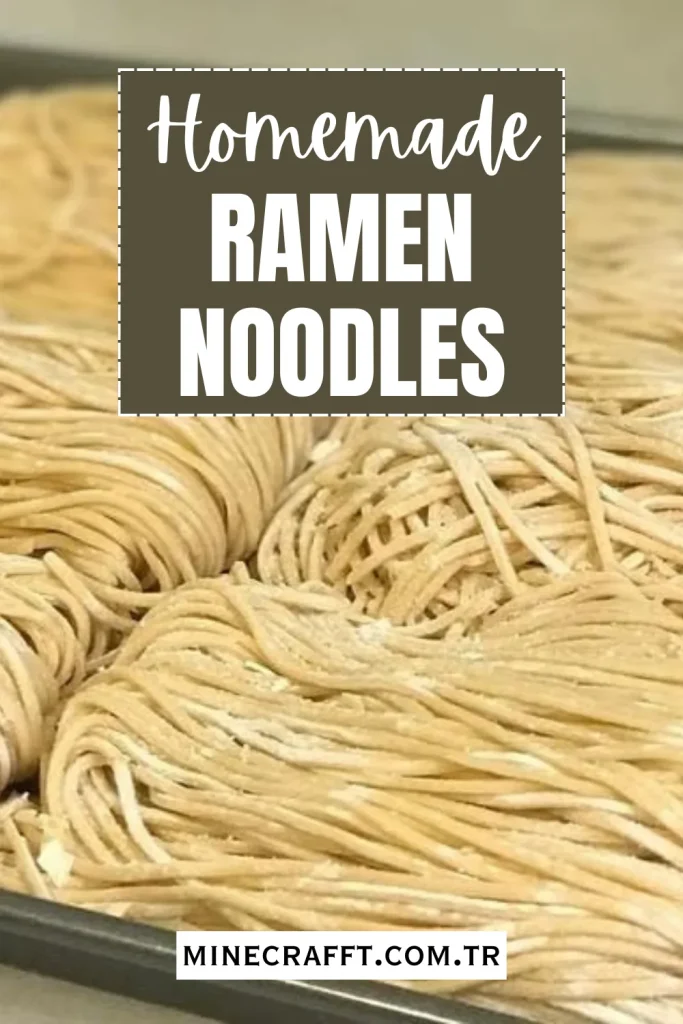
Ramen noodles are among the most iconic foods in the world, recognized for their springy texture, golden color, and ability to hold up beautifully in hot broth. While most people think of instant ramen or restaurant bowls when they hear the word “ramen,” the truth is that the noodles themselves are a culinary craft. Making noodles from scratch at home has become one of the most sought-after food projects, especially on Pinterest and cooking blogs, because it combines creativity, tradition, and delicious results.

Homemade ramen noodles are different from store-bought varieties in both taste and texture. They are fresher, chewier, and more customizable to your preferences. At their core, ramen noodles are made from a simple dough of wheat flour, water, and an alkaline component (commonly kansui, an alkaline mineral water, or a homemade substitute using baking soda). The alkaline property is what gives ramen its distinct springiness and subtle yellow color, setting it apart from ordinary pasta.
Pinterest food trends often highlight homemade noodles because they represent both comfort and craftsmanship. For home cooks, the idea of making ramen noodles at home can seem intimidating, but in reality, the process is straightforward once you understand the key steps. Not only is it rewarding to knead, roll, and cut your own noodles, but the end result is fresher and healthier than packaged versions. Plus, you can adjust the thickness, shape, and flavor to match the exact ramen style you love.
Also Read: Crispy Keto Onion Rings
Main Ingredients Of Ramen Noodles
Although ramen require only a handful of ingredients, each one has a specific purpose that influences texture, flavor, and authenticity. Let’s look at them closely.
1. Wheat Flour
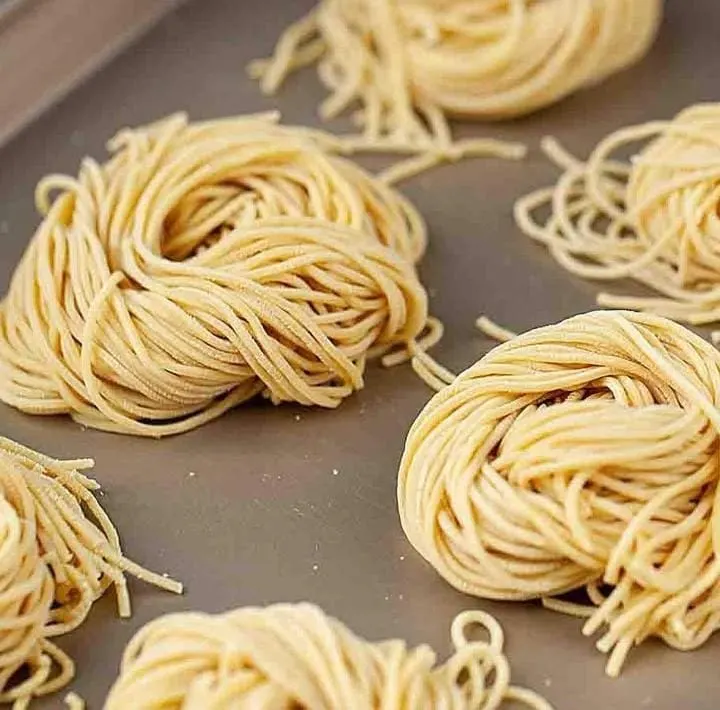
The foundation of ramen noodles is wheat flour. High-protein flour (bread flour) works best because its gluten content provides strength and chewiness. Gluten is what allows the dough to stretch without tearing and gives the final noodles their springy, bouncy quality. Some recipes use a blend of all-purpose flour and bread flour to balance tenderness and strength. Always sift your flour before using to remove clumps and ensure smooth dough development.
2. Kansui (Alkaline Water) or Baking Soda Substitute
The defining characteristic of ramen noodles is the use of alkaline water. Traditional kansui, available in Asian grocery stores, contains sodium carbonate and potassium carbonate. It gives noodles their pale yellow hue and unique firm texture. If kansui is not available, you can make a substitute by baking baking soda in the oven and dissolving it into water. This raises the alkalinity of the dough, mimicking authentic kansui and ensuring your noodles taste like true ramen. Without this element, noodles will resemble regular pasta rather than ramen.
3. Water
Water hydrates the flour and activates gluten formation. The ratio of water to flour determines whether the dough is stiff or soft. Ramen noodle dough is typically on the drier, firmer side compared to pasta dough, which makes it more challenging to knead but ultimately creates the chewy texture ramen is famous for. Cold or room-temperature water is best to avoid overheating the dough.
4. Salt
Salt strengthens the dough structure and enhances flavor. It works with the alkaline water to develop gluten and adds depth to the final noodle taste. Unlike pasta, which is usually boiled in salted water, noodles need the salt incorporated directly into the dough to achieve balanced seasoning throughout.
5. Optional Additions
Depending on variations, additional ingredients can be added to modify color, flavor, or nutrition. For example, spinach puree or matcha powder can give noodles a green tint and subtle flavor. Egg yolks can make them richer, while turmeric can deepen the yellow hue. These optional ingredients allow for experimentation and personalization.
Step-by-Step Preparation of Homemade Ramen Noodles
1. Mixing the Dough
Start by combining flour and salt in a large bowl. In a separate container, dissolve kansui (or your baking soda substitute) into water. Slowly pour the liquid into the flour mixture, stirring continuously with chopsticks or a fork. At first, the mixture will look dry and crumbly—that is normal. Because ramen dough is low in hydration, it does not immediately form a soft dough like bread or pasta. Continue mixing until the liquid is evenly distributed, even if the mixture appears shaggy.
2. Kneading the Dough
Transfer the mixture to a clean surface and begin kneading. Expect the dough to feel tough and resistant at first; this is part of the process. Knead firmly for 10–15 minutes, applying pressure with the heel of your hand. If it feels too dry, sprinkle a tiny amount of water, but avoid over-hydrating. After consistent kneading, the dough will become smoother and more elastic. Shape it into a ball and cover tightly with plastic wrap. Rest the dough for at least 30 minutes at room temperature to allow the gluten to relax, which makes rolling easier.
3. Resting the Dough
The resting stage is crucial. During this time, the flour fully absorbs the water, and the gluten relaxes, preventing the dough from snapping back when rolled. Some recipes recommend refrigerating the dough for several hours or even overnight, which improves texture and flavor. The longer rest results in a more pliable dough and deeper color.
4. Rolling the Dough
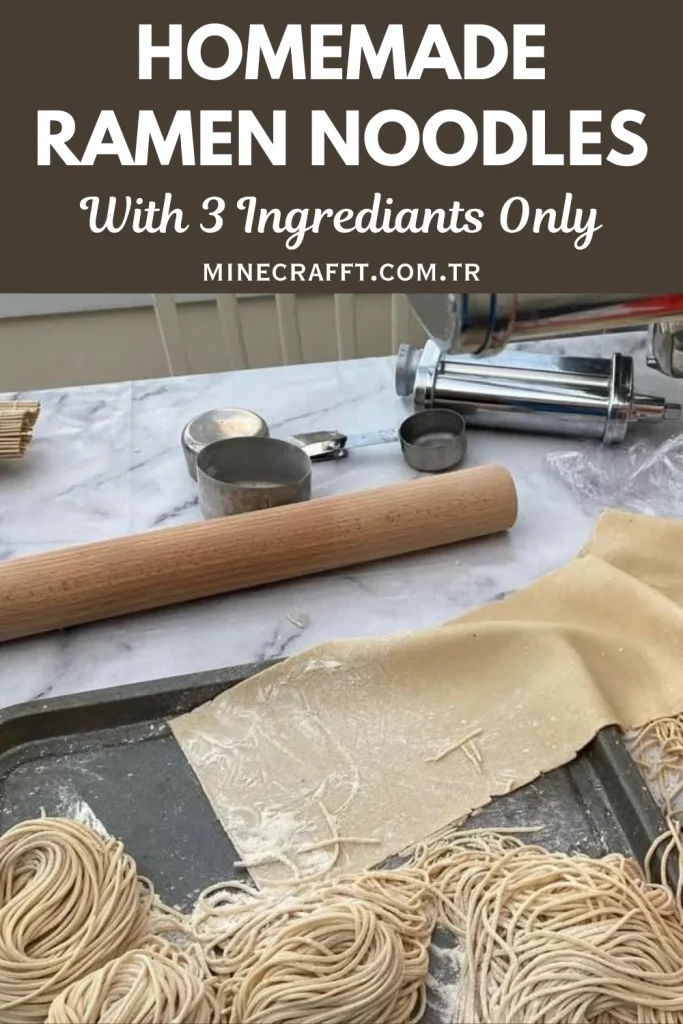
After resting, divide the dough into smaller portions for easier handling. Use a pasta machine or rolling pin to flatten the dough gradually. Start with a thicker setting and pass the dough through multiple times, folding it occasionally to build strength. Gradually reduce the thickness until the sheet is about 1–2 millimeters, depending on your preferred noodle style. The dough should be smooth and even, with no cracks. Lightly dust with flour to prevent sticking during this process.
5. Cutting the Noodles
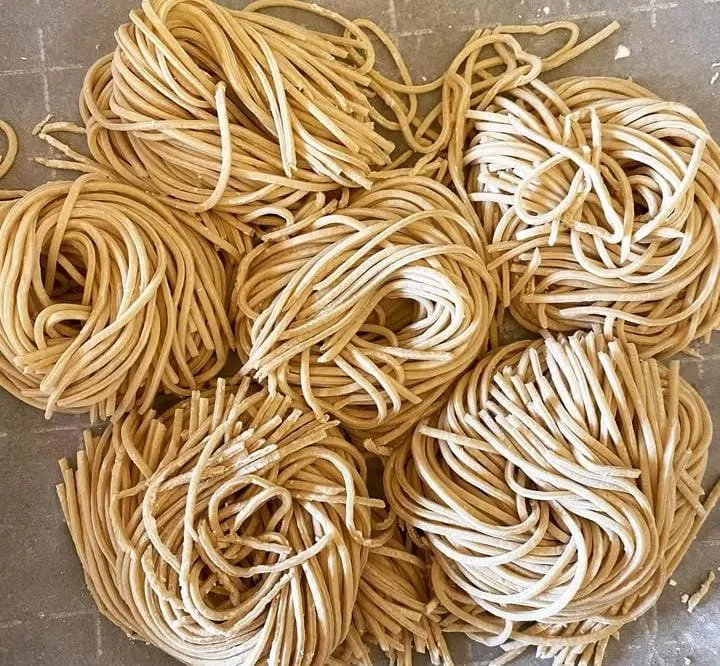
Once rolled to the desired thickness, cut the dough into strips. A pasta machine with a cutting attachment makes this step easier, but a sharp knife works just as well. Decide whether you want thin noodles for a light shoyu broth or thicker noodles for a hearty miso ramen. Dust the cut noodles with additional flour or cornstarch to prevent clumping. Gently separate the strands with your fingers and lay them out on a floured tray.
6. Final Rest and Storage
Freshly cut noodles should rest for about 30 minutes before cooking. This final rest allows the gluten to settle and helps the noodles maintain their shape in boiling water. If not cooking immediately, store them in the refrigerator in an airtight container for up to three days. For longer storage, noodles can be frozen in portioned bundles, ensuring they are well-floured to avoid sticking.
8 Variations of Homemade Ramen Noodles
1. Egg-Enriched Ramen Noodles
Adding egg yolks to the dough creates a richer, silkier noodle. To make this variation, replace part of the water with egg yolks during mixing. The fat from the yolks tenderizes the dough slightly, producing noodles with a golden hue and smoother texture. These noodles pair beautifully with lighter broths like shio ramen, as they add subtle richness without overpowering the soup.
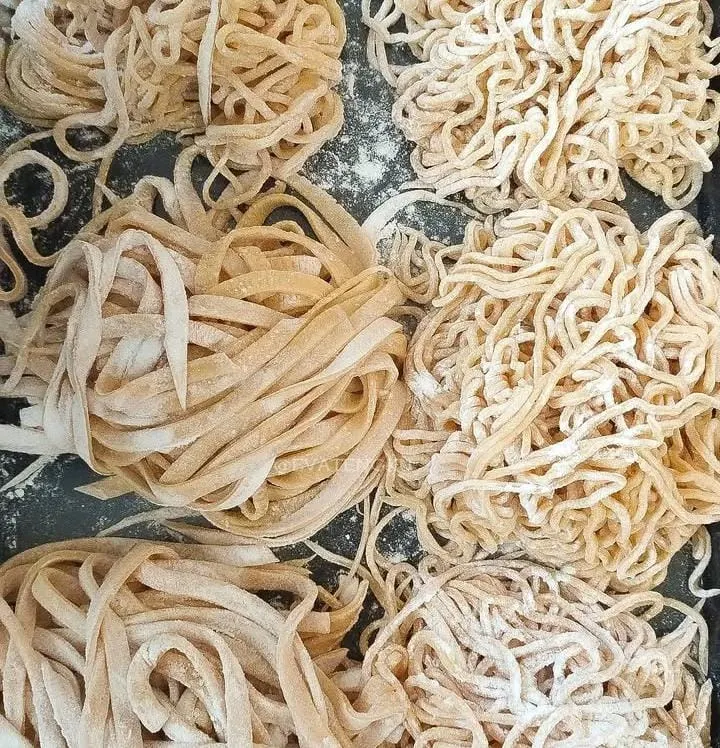
Egg-enriched noodles are also slightly more forgiving to roll and cut, making them an excellent choice for beginners. Their luxurious mouthfeel makes them popular for gourmet ramen bowls, elevating even simple toppings. Store them carefully, as they are slightly softer and more delicate than traditional alkaline noodles.
2. Whole Wheat Ramen Noodles
For a healthier twist, whole wheat flour can be substituted for part of the bread flour. Whole wheat noodles are denser and have a nutty flavor, providing a rustic touch to ramen. They are slightly less springy than pure wheat noodles, but their earthy taste complements vegetable-based broths or lighter miso soups.
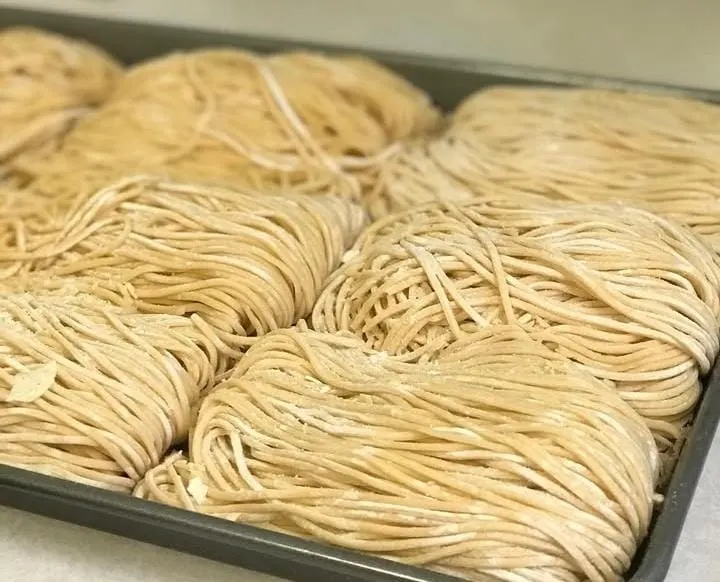
This variation requires careful hydration, as whole wheat flour absorbs more water. Letting the dough rest longer helps soften the bran for smoother rolling. Whole wheat ramen noodles are perfect for those who want a more wholesome, fiber-rich noodle without sacrificing the fun of homemade ramen.
3. Spinach Ramen Noodles
Incorporating spinach puree into the dough creates vibrant green noodles that are both nutritious and visually striking. Simply blend fresh spinach into a smooth puree and mix it with the water and alkaline solution before adding to the flour. The result is noodles with a subtle vegetal flavor and extra vitamins.
These noodles pair beautifully with chicken or vegetable broth, enhancing the freshness of the dish. Spinach ramen noodles are a great way to add color to your bowl and appeal to kids or guests who enjoy a creative presentation.
4. Matcha Ramen Noodles
Matcha, or powdered green tea, gives noodles a unique flavor and striking green color. Add a few teaspoons of culinary-grade matcha powder to the flour before mixing. The earthy, slightly bitter taste pairs well with creamy or seafood-based broths, offering a sophisticated twist on traditional ramen.
Matcha noodles are not only visually appealing but also provide antioxidants. The flavor is subtle, not overwhelming, and brings a refined edge to your ramen bowl. These are especially popular for themed dinners or when you want to impress with originality.
5. Turmeric Ramen Noodles
Adding turmeric to the dough results in noodles with a vibrant golden color and a mild earthy taste. Turmeric also has health benefits, including anti-inflammatory properties. Mix a teaspoon of turmeric powder with the flour before adding liquid.
These noodles shine in spicy broths, such as a chili-infused miso or curry ramen. Their bright color enhances presentation, making them a perfect choice for eye-catching Pinterest-worthy bowls. They hold up well in thicker, richer soups and add warmth to the overall flavor profile.
6. Beetroot Ramen Noodles
For a bold and colorful variation, add beetroot puree to the dough. The result is noodles with a striking pink or reddish hue that look stunning in a ramen bowl. The beet flavor is subtle, adding just a hint of earthiness while enhancing sweetness.
Beetroot noodles pair wonderfully with creamy or sesame-based broths, where their color can truly stand out. They’re especially fun for special occasions, like Valentine’s Day or themed parties, and add a playful yet nutritious twist to traditional ramen.
7. Gluten-Free Ramen Noodles
While traditional ramen relies on wheat flour, gluten-free versions can be made with rice flour, tapioca starch, and xanthan gum for elasticity. These noodles are more delicate but still enjoyable when made carefully. The dough is softer and requires gentler handling when rolling and cutting.
Gluten-free ramen noodles pair well with light broths, as they are not as resilient as wheat-based ones. They’re an excellent option for those with gluten sensitivities who still want to enjoy the ramen experience at home. With practice, the texture can come surprisingly close to traditional noodles.
8. Charcoal Ramen Noodles
For a dramatic, modern twist, add food-grade activated charcoal powder to the dough. The result is jet-black noodles that look striking in contrast to colorful toppings like eggs, vegetables, and meats. The charcoal itself has a neutral taste, so the noodles rely on the broth for flavor.
Charcoal noodles are often used for presentation, making them popular in restaurants and trendy food photography. At home, they’re a fun way to surprise guests or create a unique dinner experience. They pair well with lighter toppings that allow their dramatic color to shine.
Conclusion: Why Homemade Ramen Noodles Are Worth Making
Making noodles at home is more than just a recipe—it’s an experience that connects you to tradition while giving you creative freedom. With just a few simple ingredients, you can craft chewy, springy noodles that rival those from your favorite ramen shop. By understanding the role of flour, alkaline water, and salt, you can master the basics and then explore endless variations.
Whether you stick with classic noodles or experiment with spinach, matcha, turmeric, or beetroot, the possibilities are limitless. Each variation brings its own personality, flavor, and aesthetic to your ramen bowl, ensuring you never grow bored. Pinterest trends continue to highlight homemade noodles because they’re not only delicious but also photogenic, making them perfect for sharing.
Above all, homemade noodles deliver unmatched freshness and satisfaction. They transform a simple bowl of broth and toppings into a culinary masterpiece. Once you try making them yourself, you’ll see why so many home cooks are embracing this rewarding project.