
Ultimate Homemade Funfetti Cake — Moist Confetti Layer Cake Recipe (Perfect for Parties)
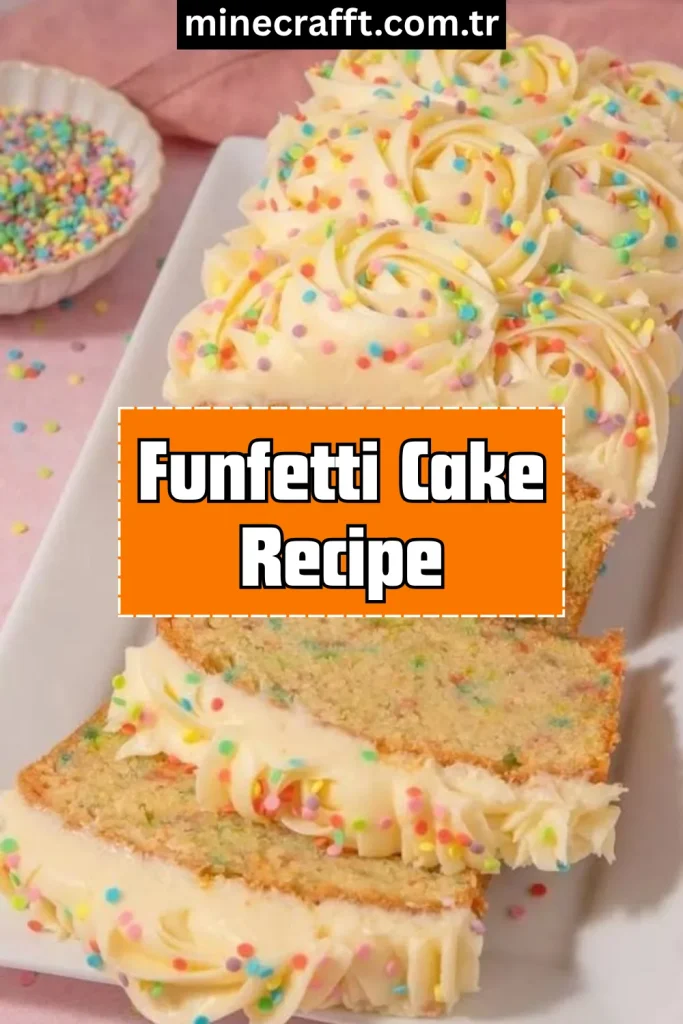
Funfetti cake is the playful, confetti-studded layer cake that instantly signals celebration. The homemade version improves on store mixes by using real butter, good vanilla, room-temperature dairy, and a reliable technique so the crumb is tender and moist while the sprinkles keep their tiny bursts of color.
This guide explains what Funfetti is, the nutrients it contributes, exact ingredient quantities for a two-layer 9-inch cake that serves 10–12, detailed preparation in paragraph form, healthier habits and substitutions, troubleshooting, and several tested variations so you can adapt the recipe for chocolate lovers, citrus fans, vegan diets, or gluten-free needs. The goal: a foolproof, festive cake you’ll want to bake again.
Also read: Carrot Cake Cheesecake Recipe
What is Funfetti Cake?
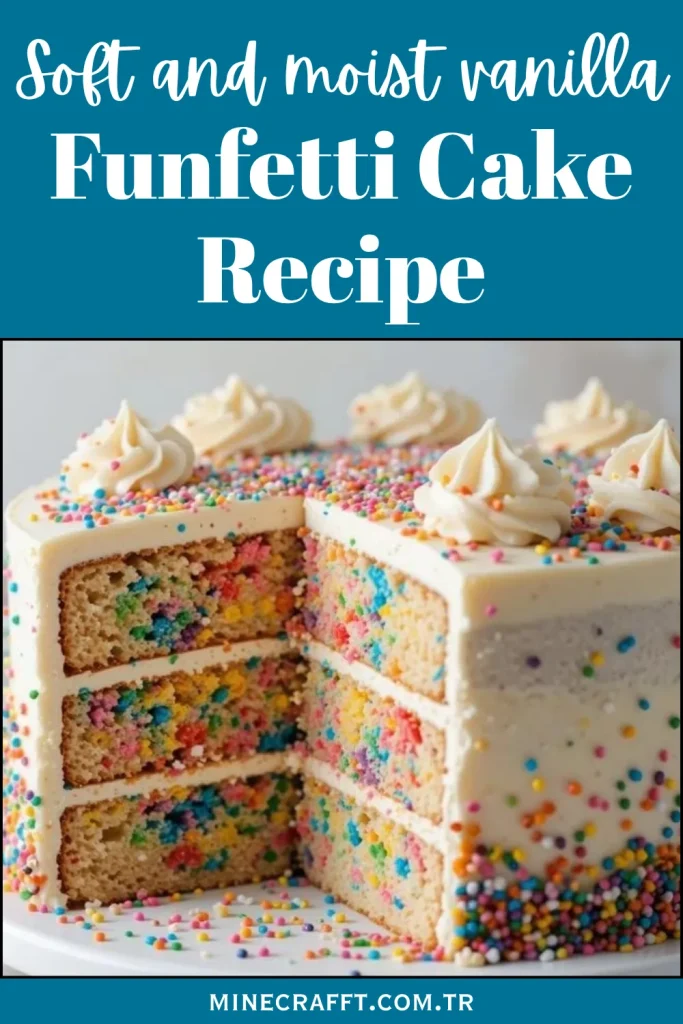
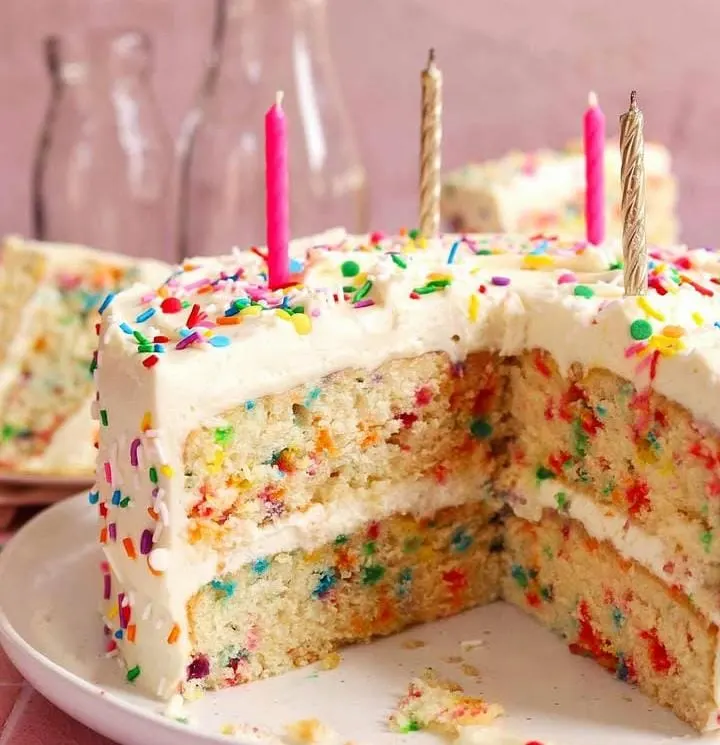
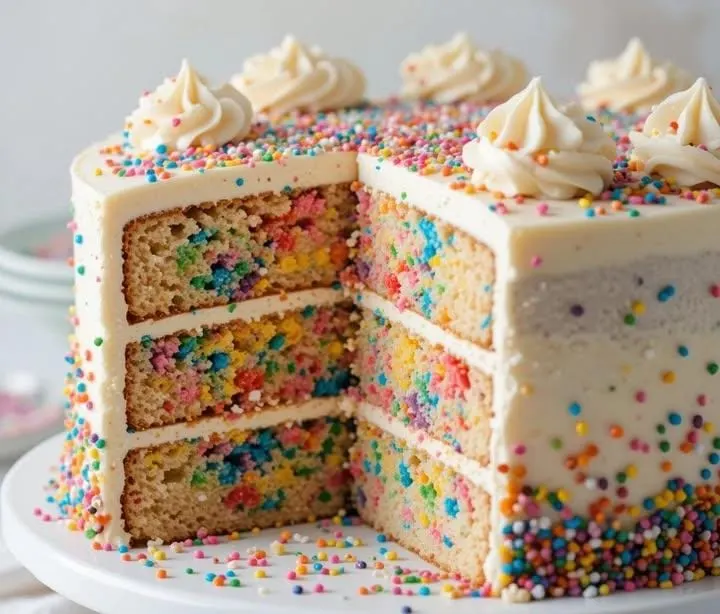
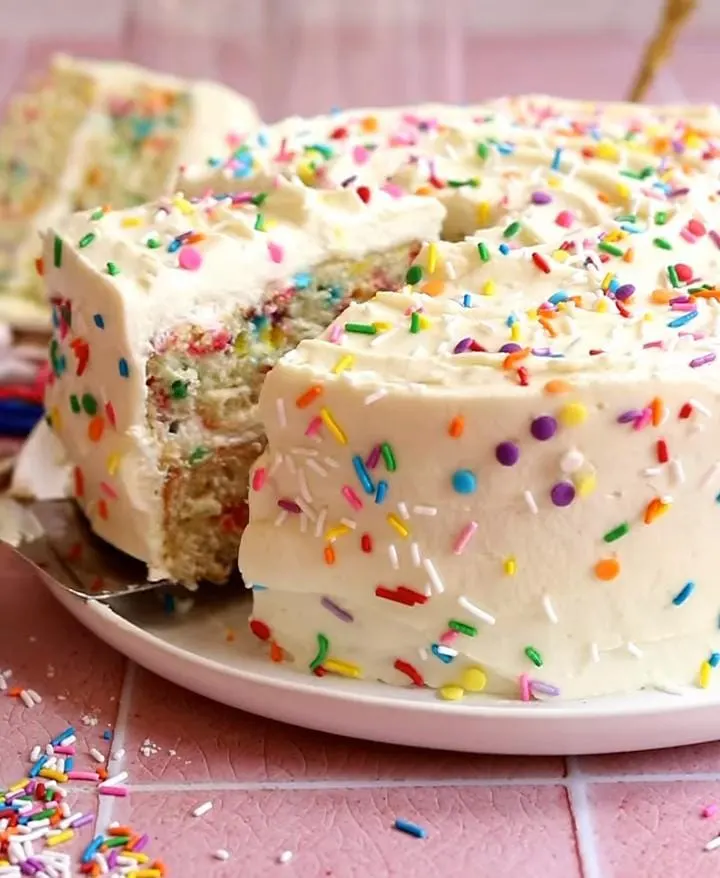
Funfetti (or confetti) cake refers to a vanilla cake whose batter is studded with small colorful sprinkles so that the crumb appears speckled after baking. Commercially, Funfetti became popular through boxed mixes, but a homemade version prioritizes texture, balance, and real ingredients—real butter and vanilla instead of artificial flavoring, and measured technique for a fine, even crumb.
The sprinkles should be of a non-melting variety (jimmies or cake decorating sprinkles) so they don’t bleed into the batter during baking. Frosting choice matters too: a rich buttercream pairs classicly, while cream cheese frosting or a lighter whipped frosting can change the tone and sweetness.

Also read: Classic German Bee Sting Cake
Nutritional Snapshot — What This Recipe Offers
A slice of Funfetti cake provides energy primarily from carbohydrates and fat, with protein from eggs and dairy. Enriched all-purpose flour provides B vitamins and iron; milk and butter add calcium.
Because the cake uses sugar and butter, it is an occasional treat rather than a daily staple. You can make adjustments to reduce sugar, fat, or portion sizes—ideas are included below—so the cake can fit into more mindful eating habits while preserving its celebratory character.
Main Ingredients and Exact Quantities (Two 9-inch layers — Serves 10–12)
This list gives the total quantity for the whole recipe. Use a kitchen scale for best accuracy.
Dry ingredients
- All-purpose flour: 3 cups (390 g) — spoon into the measuring cup and level off or weigh for accuracy. Flour provides structure.
- Granulated sugar: 1 3/4 cups (350 g) — sweetness and tenderizing effect. Adjust slightly if you prefer less sweet.
- Baking powder: 1 tablespoon (15 g) — primary leavening.
- Baking soda: 1/2 teaspoon (2.5 g) — assists rise and enhances browning.
- Salt: 3/4 teaspoon (4.5 g) — balances flavor and helps gluten formation.
Fats, liquids, and eggs
- Unsalted butter: 1 cup (226 g), room temperature — richness and flavor; properly softened butter helps incorporate air during creaming.
- Vegetable oil: 1/4 cup (60 ml) — adds moisture and keeps the crumb tender over time.
- Large eggs: 4 eggs at room temperature — structure and emulsification; bring to room temperature before mixing.
- Pure vanilla extract: 2 tablespoons (30 ml) — key flavor; use real vanilla for best aroma.
- Buttermilk: 1 cup (240 ml), room temperature — acidity reacts with leaveners producing tender crumb.
- Whole milk: 1/2 cup (120 ml), room temperature — adjusts batter consistency.
Sprinkles and frosting
- Rainbow sprinkles (non-melting jimmies): 3/4 cup (135 g) — fold in gently to reduce bleeding.
- Powdered sugar (for buttercream): 6 cups (720 g) sifted — for smooth, stable buttercream.
- Salted or unsalted butter (for frosting): 1 cup (226 g), room temperature — for classic buttercream; if using unsalted, add 1/4 teaspoon salt to taste.
- Heavy cream: 1/2 cup (120 ml) — used to adjust frosting consistency.
- Cream cheese (optional frosting): 8 ounces (227 g) softened — creates a tangy cream cheese frosting variant.
- Lemon zest (optional): 1 teaspoon — brightens certain frostings.
Ingredient Notes and Substitutions
- For a lighter crumb, use a mixture of butter and oil as specified above. The oil keeps the cake moist for longer; butter provides flavor.
- If you need gluten-free, use a 1-to-1 gluten-free flour blend that contains xanthan gum and follow the adjustments in the gluten-free variation below.
- Choose non-melting sprinkles (jimmies) rather than sugar pearls or some rainbow nonpareils that can melt and swirl color into the batter. If you only have small hard sprinkles, toss them lightly in a teaspoon of flour before folding them in.
- For a dairy-free cake, substitute the butter with a neutral vegetable shortening or vegan butter, use unsweetened non-dairy milk mixed with a tablespoon of vinegar as a buttermilk replacement, and use vegan sprinkles and frosting.
How to Prepare Funfetti Cake — Step-By-Step

Begin with mise en place: preheat your oven to 350°F (175°C) and position a rack in the center. Grease two 9-inch round cake pans with butter, line the bottoms with parchment rounds, and dust lightly with flour—or spray with a baking spray that contains flour.
Bring your eggs, butter, and dairy to room temperature: this ensures better emulsification, even texture, and improved rise. Sift the dry ingredients—flour, baking powder, baking soda, and salt—into a bowl to remove lumps and evenly distribute the leaveners; set aside. Measure sprinkles into a small bowl and set aside.
Cream the butter, oil, and granulated sugar in a stand mixer fitted with the paddle attachment or in a large mixing bowl with an electric hand mixer. Beat on medium-high for about 3–4 minutes until the mixture is pale, light, and slightly fluffy; this stage incorporates air that helps leaven the cake.
Add the eggs one at a time, mixing each until incorporated and scraping down the sides of the bowl to ensure even blending; add the vanilla with the final egg. With the mixer on low, alternate adding the dry ingredients and the buttermilk/whole milk mixture in three parts—begin and end with dry ingredients—mixing only until just combined after each addition. Overmixing develops gluten and creates a tougher crumb, so once the flour is incorporated, stop beating.
Fold the sprinkles in gently by hand using a spatula to avoid crushing them and to reduce color bleeding. Divide the batter evenly between the two prepared pans—use a kitchen scale for precision if available, or measure by eye—and smooth the tops. Bake for 25–30 minutes, rotating the pans halfway if your oven has hot spots.
A toothpick inserted into the center should come out with a few moist crumbs but no wet batter. Remove the pans to a wire rack and cool for 10 minutes; then invert the layers onto the rack and peel away the parchment. Allow the layers to cool completely before frosting; frosting warm layers causes the buttercream to melt and slide.
While the layers cool, prepare the buttercream. For a classic American buttercream, beat 1 cup (226 g) room-temperature butter until creamy, then gradually add the sifted powdered sugar in batches at low speed.
When the sugar is incorporated, add 1/2 cup (120 ml) heavy cream a tablespoon at a time until you reach a spreadable consistency; then add 2 tablespoons (30 ml) vanilla and a pinch of salt to balance the sweetness. Beat on medium-high for several minutes to whip in air and achieve a light texture. For cream cheese frosting, beat 8 ounces (227 g) softened cream cheese with 1/2 cup (113 g) butter before adding powdered sugar; the result is tangier and slightly denser.
Assemble your cake by leveling each layer with a serrated knife if needed for an even stack. Place the first layer on a serving plate or cake board, spread a generous but even layer of frosting, add any fillings (jam, curd, or a thin smear of chocolate ganache), then place the second layer and apply a thin crumb coat.
Chill the crumb coat for 15–20 minutes to set, then finish with a final smooth coat of frosting. Press additional sprinkles gently onto the sides or top; do not overload because the sprinkles can slide.
Timing, Equipment, and Practical Tips
- Use an oven thermometer to confirm correct temperature; ovens vary and 10–25°F off can change baking time.
- Bring ingredients to room temperature for best texture: butter, eggs, and dairy should feel neither cold nor warm.
- Avoid overmixing the batter after adding flour; stop immediately when streaks disappear.
- Use a scale for consistent results—baking is precise and scales remove measuring variability.
- If you don’t have a stand mixer, a hand mixer works fine; scrape the bowl more frequently to ensure even mixing.
Healthy Habits — Making Funfetti a Little Healthier
You can moderate indulgence while keeping celebration intact. Reduce granulated sugar by 10–15% without severely affecting texture—taste for sweetness and increase vanilla to compensate. Replace up to half the all-purpose flour with white whole wheat for extra fiber without a heavy whole-grain flavor.
Include oil in the recipe as shown: blending butter and oil preserves flavor while reducing saturated fat compared to butter-only cakes. Serve smaller slices and pair cake with fresh fruit or a side of plain Greek yogurt to add protein and balance. For frosting, use a thinner layer or a lightly sweetened whipped cream in place of heavy buttercream.
Variations — Easy Ways to Change Flavor and Style

1) Chocolate Funfetti Cake
Incorporate cocoa for chocolate fans: replace 1/2 cup (65 g) of the all-purpose flour with 1/2 cup (50 g) natural unsweetened cocoa powder, and sift it with the dry ingredients to avoid lumps. Fold in 1/2 cup mini chocolate chips (optional) for bursts of chocolate. Slightly increase baking time by 2–4 minutes as cocoa affects moisture and color. Use a chocolate buttercream or mascarpone frosting to complement the richer crumb and finish with chocolate shavings plus a few sprinkles for festivity.
For depth, replace half the milk with a strong brewed espresso (cooled) to boost chocolate flavor without coffee notes. Add a thin raspberry jam layer between cake layers for a bright contrast that cuts through richness and complements chocolate beautifully.
2) Lemon Funfetti Cake

Make a citrus version by adding 2 tablespoons fresh lemon zest to the batter and replacing 1/4 cup of the milk with 1/4 cup fresh lemon juice (reduce baking powder by 1/4 teaspoon to balance acidity). Use a light lemon cream cheese frosting or a lemon-scented buttercream made with added lemon zest and a tablespoon of lemon juice for tang. Fold pastel sprinkles into the batter for a complementary visual. For added moisture and brightness, brush the cooled layers with a simple lemon syrup (equal parts sugar and lemon juice reduced briefly).
Amplify floral notes by adding a teaspoon of lemon extract to the frosting and serve the cake with macerated berries on the side for a colorful, balanced plate that’s especially suited to spring celebrations.
3) Vegan Funfetti Cake
For a plant-based cake, use 1 cup (226 g) vegan butter or solid coconut oil plus 1/4 cup (60 ml) neutral oil, and replace each egg with a flax egg (1 tablespoon ground flaxseed + 3 tablespoons water, mixed and rested 5 minutes). Replace buttermilk with 1 cup non-dairy milk (unsweetened soy or almond) soured with 1 tablespoon vinegar. Use vegan sprinkles and a vegan buttercream made with dairy-free margarine and powdered sugar, or a stabilized coconut whipped cream. Baking times may vary; use the toothpick test and monitor closely after 20 minutes.
For moisture, add 1–2 tablespoons applesauce or mashed banana if desired, but note slight changes in flavor. Serve at room temperature; coconut-based frostings often benefit from brief chilling before slicing.
4) Gluten-Free Funfetti Cake
Use a commercially prepared 1-to-1 gluten-free flour blend (typically contains starches and xanthan gum) at equal weight to the all-purpose flour and note batter texture—add up to 2 tablespoons extra milk if it seems stiff. Bake at the same temperature but monitor carefully; some gluten-free flours brown faster, so you may need to tent the cake with foil. Fold in gluten-free sprinkles and consider a crumb coat chilled before final frosting to aid slicing. For cleaner slices, use a frosting stabilized with a tablespoon of cornstarch dissolved in a small amount of powdered sugar.
Let gluten-free layers rest wrapped at room temperature for a few hours or overnight to redistribute moisture for a better crumb and easier slicing.
Troubleshooting Common Problems
- Sinking Center: Often caused by underbaking, too much leavening, or opening the oven too early. Check oven temp and bake longer.
- Dense Crumb: Overmixing after adding flour or old leaveners; mix just until combined and use fresh baking powder/soda.
- Sprinkles Bleeding: Use non-melting jimmies and toss them in a teaspoon of flour before folding them in to reduce color bleed.
- Frosting Too Soft: Chill briefly and rewhip; ensure butter and cream cheese are properly chilled before whipping if climate is warm.
- Crumbly Slices: Chill the frosted cake for 20–30 minutes to set the frosting before slicing for cleaner edges.
Deep Dive: Techniques for Best Texture and Flavor
Creaming butter and sugar introduces air—achieve a pale, ribbon-stage mixture for lighter texture. Alternate dry and wet ingredients to prevent excess gluten development. Use room-temperature eggs to help emulsify the batter and capture air. Sift dry ingredients to avoid lumps and place leaveners toward the center of flour for even distribution. Cool completely before frosting; warm cake will melt buttercream and the result will be sliding layers.
Storage and Make-Ahead Tips
Bake layers a day ahead and wrap them tightly in plastic wrap; keep at room temperature. Store a frosted cake in the refrigerator if using cream cheese frosting; bring to room temperature before serving to restore flavor and texture. Unfrosted layers freeze well for up to two months—wrap twice in plastic and then foil. Freeze individual slices for single portions and thaw in the refrigerator overnight.
Serving Suggestions and Pairings
Serve slices with lightly sweetened whipped cream, vanilla ice cream, or a berry compote for acidity contrast. Coffee, Earl Grey tea, or a lightly sweet sparkling wine enhances celebratory occasions for adults. For family events, use coordinated colorful sprinkles and simple decorations for visual impact.
Frequently Asked Questions (FAQ)
- Can I use boxed cake mix? Yes for convenience, but homemade ingredients and technique yield better texture and flavor.
- Why do sprinkles bleed color? Some types contain softer sugar coatings that dissolve in batter; use non-melting jimmies and toss in flour.
- How far ahead can I bake? Layers can be baked 1–2 days ahead; frost closer to serving if using cream cheese frosting.
Closing Thought
This Homemade Funfetti Cake combines nostalgic color with dependable technique. With measured ingredients, gentle folding of sprinkles, and careful frosting, you’ll produce a moist, tender cake that tastes homemade and looks celebratory. Experiment with the variations to meet dietary needs and flavor preferences, and enjoy the smiles your colorful cake brings.


