Hibiscus Tea Recipe: Guide to Making Fresh, Immunity-Boosting, Antioxidant-Rich Hibiscus Tea at Home
Hibiscus tea is one of the most vibrant, refreshing, and naturally tangy herbal teas enjoyed across cultures for centuries. Known for its ruby-red color, floral aroma, and tart flavor, hibiscus tea is both a delicious drink and a functional wellness beverage filled with antioxidants. In recent years, it has gained huge popularity on Pinterest and wellness blogs for being a hydrating, detox-supportive, vitamin-rich drink that fits into many lifestyles—from clean eating and weight management to self-care routines and homemade herbal remedies.
This article takes a deep dive into everything you need to know about preparing fresh hibiscus tea at home, from understanding what the flower is to exploring the health benefits, nutrition profile, ingredients, brew methods, storage tips, and creative variations. Whether you prefer iced herbal drinks for hot summers or soothing warm teas for relaxation, this guide provides step-by-step instructions and detailed explanation to help you brew consistently perfect hibiscus tea every time.

Also try: Magical Witchs Brew Lemonade
What Is Hibiscus Tea?
Hibiscus tea is an herbal infusion made from the dried petals or calyxes of the hibiscus flower, particularly the Hibiscus sabdariffa species. When steeped in hot water, these flowers release a striking deep red color and a tart, cranberry-like taste that can be sweetened or enjoyed naturally.
Hibiscus tea is caffeine-free, making it a popular option for evening relaxation, hydration during the day, or pairing with meals without stimulating the nervous system. Traditional medicine systems throughout Africa, the Caribbean, Central America, and Asia have used hibiscus tea for its cooling properties, digestive support, and circulatory benefits. Today, it is often consumed iced as a refreshing alternative to sugary beverages or hot as a soothing herbal tea that fits a wide variety of wellness routines.

Nutritional Benefits
Hibiscus tea contains antioxidants, primarily anthocyanins, which contribute to its bold red color and potential heart-supportive properties. These antioxidants help neutralize free radicals and may play a role in supporting healthy aging. The tea is naturally free of calories unless sweetened, making it ideal for those seeking flavorful hydration without added sugars.
Hibiscus also contains small amounts of vitamin C, minerals, organic acids, and plant compounds linked to digestive comfort, hydration, and potential support for healthy blood pressure levels. Although hibiscus tea cannot replace medical treatment, it can be a beneficial part of a balanced diet. Its diuretic nature helps some people feel less bloated, while its cool, tangy flavor makes it easier to drink more fluids throughout the day.

Main Ingredients With Quantities and Detailed Explanations
Dried Hibiscus Flowers — 1 cup (about 30–35 grams)
Use clean, dried hibiscus petals or calyxes purchased from herbal suppliers, tea shops, or international markets. The dried flowers should be deep red in color, slightly pliable, and aromatic. One cup of loose dried hibiscus yields approximately four to six strong servings of tea depending on steeping time. The higher the quantity used, the deeper and more intense the flavor, so adjust according to taste. Ensure you rinse the flowers briefly to remove natural dust.
Water — 8 cups (1.9 liters)
Fresh, filtered water creates the best flavor because hibiscus is delicate and easily affected by the taste of minerals or tap water treatments. Using eight cups of water for one cup of hibiscus flowers produces a full-bodied brew that works well for both iced and hot versions. Always begin with cold water and heat appropriately depending on the preparation method—boiling for hot tea, hot but not boiling for steeped versions, or room temperature water for cold-brew hibiscus.
Sweetener of Choice — 2 to 4 tablespoons (optional)
You may use honey, cane sugar, agave, coconut sugar, maple syrup, or sugar-free alternatives. Hibiscus tea is naturally tart, so sweetener helps balance acidity. The suggested amount produces gentle sweetness without overpowering the floral notes, but you can adjust based on taste preference. Sweeteners dissolve best in warm liquids, so add during the steeping process if you prefer a smoother blend.
Fresh Lime or Lemon Juice — 1–2 tablespoons (optional)
A splash of citrus brightens the flavor and enhances the red color due to natural acid reactions. Lime adds a more tropical profile while lemon introduces a sharper brightness. Citrus also boosts vitamin C and helps round out hibiscus’s natural tartness. If serving iced hibiscus tea, citrus can be added after cooling, while for warm tea it may be stirred directly into the pot.
Cinnamon Stick or Ginger — 1 stick or 1-inch piece (optional)
Adding cinnamon or ginger introduces warming spice notes, balancing the tanginess. These spices also lend digestive comfort and create a more complex herbal profile. Cinnamon offers sweetness without sugar, while ginger provides mild heat and aromatic depth. Use whole pieces rather than powdered forms for a smoother, clearer tea.
Whole Recipe Yield
This recipe produces approximately four to six full servings of hibiscus tea depending on serving size. If served iced, add ice cubes which stretch the volume further. For stronger tea, reduce water to six cups; for lighter tea, increase water to ten cups.
How to Prepare Hibiscus Tea

1. Rinse and Prepare the Hibiscus Flowers
Begin by measuring one full cup of dried hibiscus flowers and placing them in a fine-mesh strainer. Rinse them briefly under cool running water to remove natural dust or small particles that may cling to the petals during drying and packaging. The rinsing step also freshens the hibiscus and helps ensure that the final tea has a clean, pure flavor without any earthy residue.
Once rinsed, shake off excess water and set the flowers aside for a moment while preparing your pot. Select a medium-sized stainless steel or non-reactive pot, since hibiscus is naturally acidic and may react with certain metals. This preparation step ensures the best flavor extraction and sets the foundation for a vibrant, aromatic tea.
2. Add Water and Optional Spices to the Pot
Pour eight cups of fresh, filtered water into the pot. Using filtered water is important because the purity and taste of your water affect the flavor clarity of hibiscus tea. Once the water is added, introduce any optional spices you would like to include, such as a cinnamon stick or a one-inch piece of peeled ginger.
These additions infuse warm, comforting notes into the tea and balance the natural tartness of hibiscus. Now add the rinsed hibiscus flowers to the water, ensuring they float evenly so that they can release their color and flavor as the water warms. This mixture is now ready for heating, and the spices will begin to soften and release their aromatic oils.
3. Bring the Mixture to a Boil
Place the pot over medium-high heat and allow the contents to gradually come to a steady boil. As the water heats, the hibiscus petals will begin releasing their deep red pigment, tinting the entire pot with a bright, ruby color. You may notice the aroma shift from lightly floral to mildly fruity as the flowers heat.
Bringing the mixture to a boil helps accelerate extraction, ensuring the tea becomes rich, flavorful, and aromatic. Keep an eye on the pot during this stage so that it does not overboil, especially if spices are included, as they can intensify too quickly. Once the boil is reached, you are ready to move on to the simmering step.
4. Reduce the Heat and Simmer
Lower the heat to medium-low or low and allow the mixture to simmer for ten to fifteen minutes. This simmering stage is crucial because it gently extracts the bold tartness, floral notes, and deep pigment from the hibiscus without overly intensifying the acidity. Stir the mixture occasionally to help distribute the heat evenly and prevent the flowers from settling too much at the bottom.
As the tea simmers, the spices (if added) will continue releasing their natural oils, creating potential layers of warmth or zestiness in the final flavor profile. Allowing this mixture to simmer without interruption results in a balanced, full-bodied hibiscus tea that is neither too weak nor overly concentrated.
5. Rest the Brew for Enhanced Flavor
After simmering, turn off the heat and allow the mixture to rest untouched for about five minutes. This rest period helps the hibiscus settle and gives the flavors a chance to blend more thoroughly. During this stage, the tea may deepen slightly in color, and the tartness may round out into a more harmonious taste.
Allowing the tea to rest also makes the straining process easier because the petals and spices settle more naturally. This step ensures the final beverage tastes smooth, consistent, and well-developed rather than rushed or uneven.
6. Strain the Tea
Set a heat-safe pitcher on a sturdy surface and place a fine-mesh strainer on top. Slowly pour the brewed tea through the strainer, allowing the liquid to separate from the hibiscus petals and spices. Straining carefully prevents splashing and ensures clarity in the finished tea. Discard or compost the leftover petals and spices.
The strained liquid should appear clear, deeply red, and fragrant. Proper straining is an important part of producing a smooth, enjoyable tea with no gritty particles or overpowering spice remnants.
7. Add Sweetener and Citrus
While the tea is still warm, stir in your chosen sweetener—typically two to four tablespoons, depending on your taste preference. Warm tea helps sweeteners dissolve more efficiently, creating a uniform flavor. Once the sweetener is incorporated, add one to two tablespoons of fresh lime or lemon juice.
This brightens the taste, adds a refreshing acidity, and enhances the natural red color of the tea. Stir slowly and taste the mixture to ensure the balance of tartness and sweetness aligns with your preference. This stage allows you to adjust the flavor before chilling or serving.
8. Cool and Refrigerate
If serving the tea iced, let it cool at room temperature for about thirty minutes. Once it has cooled, place the pitcher in the refrigerator and chill for at least two hours. Chilling allows the flavors to develop further and ensures the iced tea is refreshingly cold when served. For a quicker chill, place the pitcher in an ice bath before refrigerating.
If you prefer hot hibiscus tea, skip the cooling step and pour the warm tea directly into mugs. Refrigerated hibiscus tea stays fresh for up to five days when stored in a sealed pitcher.

9. Serve and Enjoy
To serve iced hibiscus tea, fill glasses with ice cubes and pour the chilled tea over the top. Add fresh mint leaves, citrus slices, or thin strips of ginger for enhanced aroma and presentation. For hot hibiscus tea, simply pour into heat-safe mugs and optionally garnish with a cinnamon stick or lemon slice.
Adjust sweetness at serving time if desired. The final drink should be vibrant, refreshing, tart, and deeply aromatic, with a well-balanced blend of hibiscus and any optional spices. Slow, careful preparation ensures a consistently high-quality beverage every time.

Healthy Habits for Drinking Hibiscus Tea
Incorporating hibiscus tea into your lifestyle supports hydration and reduces the temptation to reach for soda or sweetened drinks. Because hibiscus tea is caffeine-free, it makes an excellent evening beverage that promotes relaxation without disrupting sleep. Those seeking to reduce sugar intake can enjoy hibiscus tea unsweetened or lightly sweetened, gradually adjusting as they become accustomed to its natural tartness.
If you drink hibiscus tea for wellness reasons, aim for moderation—one to two cups per day is generally sufficient for most people. Pair hibiscus tea with meals instead of sugary drinks to support balanced eating habits. For enhanced daily hydration, prepare large pitchers and store in the refrigerator so you always have a healthy drink on hand.

Variations
1. Iced Hibiscus Mint Tea
The iced hibiscus mint variation is one of the most refreshing options for warm weather and makes an excellent summertime beverage. Start by preparing the base hibiscus tea using the standard recipe but add a handful of fresh mint leaves during the steeping stage. The mint infuses a cooling herbal aroma that balances the tartness of the hibiscus. Once strained, let the tea cool and add more fresh mint before refrigerating. Serve over ice for a crisp, energizing drink that feels naturally hydrating and satisfying.
In a second paragraph, you can elevate this variation by adding a splash of fresh lime juice or thinly sliced citrus rounds such as oranges or lemons. For those who enjoy mildly sweetened drinks, a teaspoon of honey per cup complements the mint beautifully. This variation works well for gatherings, brunch, or outdoor barbecues because it provides a colorful, glass-friendly beverage that appeals to many taste preferences. If you prefer a more concentrated mint flavor, muddle fresh mint directly into the pitcher before serving. The combination of mint and hibiscus blends herbal coolness with tangy vibrancy, making it a perfect afternoon refresher.
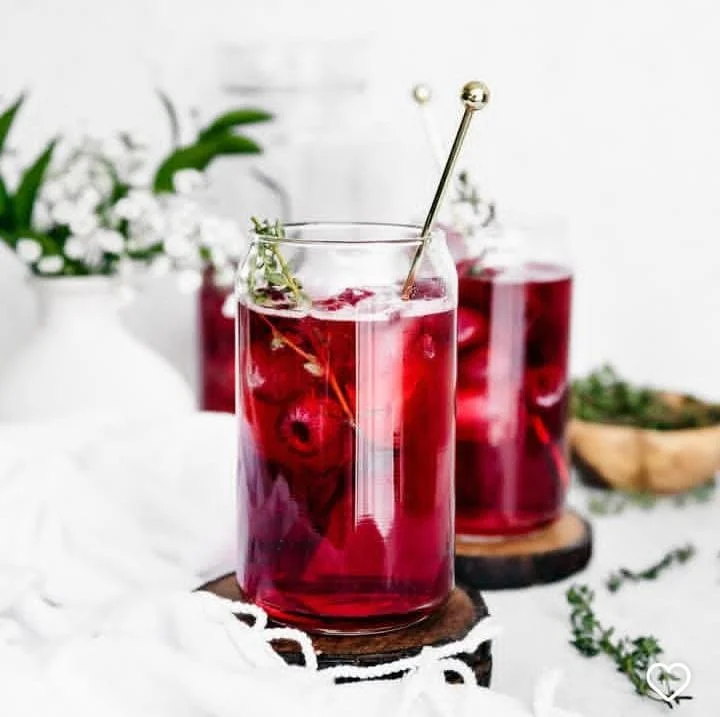
2. Hibiscus Ginger Detox Tea
The hibiscus ginger detox variation adds warmth, spice, and digestive comfort to the classic recipe. Begin by adding a one-inch slice of fresh ginger to the pot during the simmering process. Ginger enhances the natural tartness of hibiscus with its gentle heat and provides a soothing feeling that supports digestion. As the tea simmers, ginger releases aromatic compounds that deepen the flavor and create a more robust profile. Once strained, taste the tea and adjust with lemon juice or a light drizzle of honey if desired. This variation is especially comforting on cooler days or when you want something soothing yet refreshing.
In the second paragraph, you can make this drink even more detox-oriented by adding a pinch of turmeric or a cinnamon stick. Both spices have long histories in traditional wellness practices for their warming and digestive benefits. Chill for a refreshing iced version or drink warm for maximum comfort. This variation works well as a morning ritual or evening wind-down drink. The ginger element provides natural heat that helps counteract coldness during the winter months. Add thin ginger slices to each mug for a visual touch and extra steeping.

3. Hibiscus Cinnamon Spiced Tea
The hibiscus cinnamon spiced version is ideal for those who enjoy warm, comforting beverages with aromatic depth. Add a single cinnamon stick to the pot as the hibiscus simmers, allowing it to release sweet, woody notes that complement the flower’s tanginess. This combination results in a balanced drink with a smoother flavor and a subtly sweet aroma without needing much added sugar. Cinnamon brings warmth and harmony to the tart hibiscus, making this variation especially suitable for autumn or cooler evenings.
Enhance this variation further by including a few cloves or a slice of orange peel to add complexity and a festive aroma. Let the tea steep slightly longer to intensify the spice blend. Serve warm to highlight the depth of the spices or enjoy as an iced tea with citrus slices for an interesting contrast. This variation also pairs beautifully with baked goods such as banana bread, almond cookies, or cinnamon pastries, making it a wonderful addition to brunch menus or cozy nights in. The combination of hibiscus and cinnamon offers a sweet-tart balance that feels grounding and comforting.
4. Hibiscus Lemonade Cooler
This variation blends hibiscus tea with fresh lemonade for a vibrant, refreshing drink ideal for summer. Prepare a strong hibiscus concentrate using one cup of dried flowers with six cups of water. After straining and cooling, combine with freshly squeezed lemon juice and sweeten lightly to achieve a balanced flavor. Serve over ice for a bright and tangy cooler that is hydrating and energizing, making it perfect for outdoor gatherings or post-workout hydration.
You can take this lemonade variation further by adding thin lemon slices, crushed berries, or a handful of basil leaves. The combination of hibiscus and lemon creates a visually stunning drink with deep red and yellow contrasts. For a lighter, more aromatic version, add sparkling water before serving. This version works well as a festive, alcohol-free alternative for parties or family events. Because it uses only natural ingredients, it provides refreshing sweetness without processed additives. The lemonade and hibiscus blend also appeals to children who prefer colorful, flavorful drinks.