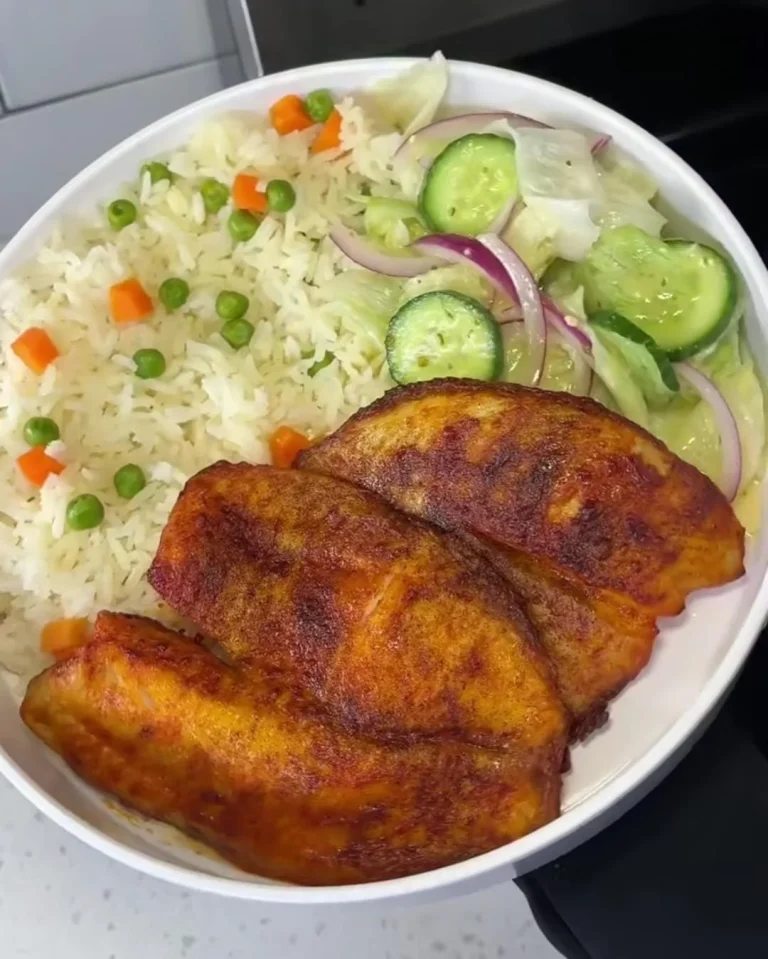
Southern Crispy Fried Catfish Recipe – Classic Cornmeal-Crusted Catfish
Southern Fried Catfish is a timeless comfort dish from the American South, celebrated for its crunchy cornmeal crust and tender, flaky interior. It is a communal favorite at fish fries, church suppers, and family gatherings where fresh catfish are fried to golden perfection and served with lively sides. The hallmark of the recipe is its simple, robust seasoning and a two-step technique: a buttermilk soak to tenderize and flavor the fish, followed by a dry cornmeal-based coating for a distinctive crunch.
Although often associated with deep frying, the dish adapts well to pan-frying or baking for lighter variations while retaining the regional character. This article provides exact ingredient quantities, detailed preparation steps, a nutrition overview, several trusted variations, and practical tips so you can recreate an authentic Southern fried catfish dinner at home.
Also Read: Cajun Shrimp Pasta Recipe

Main Ingredients and Exact Quantities (Yields 4 servings)
- Catfish fillets, skinless and boneless – 2 pounds (900 g), about 4 fillets
- Buttermilk – 2 cups (480 ml)
- Hot sauce (optional) – 1 tablespoon (15 ml)
- All-purpose flour – 1/2 cup (60 g)
- Medium-ground cornmeal – 1 1/2 cups (225 g)
- Cornstarch – 2 tablespoons (16 g)
- Baking powder – 1/2 teaspoon (2 g)
- Kosher salt – 2 teaspoons (12 g), divided
- Black pepper, freshly ground – 1 teaspoon (2 g)
- Paprika – 1 teaspoon (2 g)
- Garlic powder – 1/2 teaspoon (1.5 g)
- Onion powder – 1/2 teaspoon (1.5 g)
- Cayenne pepper – 1/4 teaspoon (optional) (0.5 g)
- Eggs – 2 large, beaten
- Vegetable oil or peanut oil for frying – about 4 cups (950 ml)
- Lemon wedges, chopped parsley, and tartar sauce for serving

Ingredient Explanations — Why Each Ingredient Matters
Catfish Fillets (2 lb / 900 g)
Catfish has a mild, slightly sweet flavor and a firm texture that stands up well to frying. Selecting fresh fillets with a bright, clean smell and resilient flesh ensures pleasant flavor and firm texture after cooking. Skinless, boneless fillets simplify preparation and serving, and uniform thickness helps achieve even cooking and consistent crust.
Buttermilk and Hot Sauce (2 cups; 1 tbsp)
Buttermilk tenderizes and seasons the fish while its acidity helps break down proteins for a more delicate bite. A short soak in buttermilk also helps the coating adhere, forming a bond between the fish and the crust. A dash of hot sauce introduces gentle heat and tang common to Southern marinades, though it is optional.
Dry Coating: Flour, Cornmeal, Cornstarch
The triad of flour, cornmeal, and cornstarch creates a crust with both body and crispness. Flour gives structure, cornmeal provides signature grainy crunch and corn flavor, and cornstarch contributes to a light, shatteringly crisp exterior. Balancing these components results in a golden crust that resists sogginess while remaining tender to the bite.
Baking Powder and Seasonings
A small amount of baking powder helps create micro-air pockets in the crust for added lightness. Kosher salt and black pepper are the backbone of seasoning, while paprika, garlic powder, and onion powder round out the savory profile. Cayenne adds optional heat for a spicy kick but is easily omitted for a milder palate.
Eggs and Frying Oil
Eggs help the coating adhere firmly to the wet fish surface, producing an even crust. A high smoke-point oil such as peanut or vegetable oil is essential for consistent frying at 325–350°F (160–175°C). Proper oil temperature yields a crisp crust and cooks the fish through without excess oil absorption.
How to Prepare Southern Fried Catfish

Pat the catfish fillets dry with paper towels and trim uneven edges to promote even frying. Place the fillets in a shallow dish and pour the buttermilk over them; add hot sauce if desired, then refrigerate for 30 minutes to two hours. The buttermilk soak seasons and tenderizes while chilling firms the flesh so the coating adheres better and the fillets hold shape when fried. While the fish marinates, whisk two eggs in a shallow bowl and set up the dry coating in a wide dish to streamline dredging.
Step 2: Make the Dry Coating
In a large shallow bowl combine the flour, cornmeal, cornstarch, baking powder, one and a half teaspoons of salt, pepper, paprika, garlic powder, onion powder, and cayenne. Whisk thoroughly to distribute the spices and leavening so every bite will be evenly seasoned. Taste a small pinch of the flour mixture (uncooked) to check salt balance; adjust lightly since frying can mute flavors. Use medium-grind cornmeal for the best textural contrast—too fine a grind will lack crunch while very coarse grits may be abrasive.
Step 3: Heat Oil and Set Up the Dredging Station
Add oil to a heavy Dutch oven or deep pot to a depth of two to three inches and heat to 325–350°F (160–175°C). Use a thermometer to maintain temperature; this control prevents oil absorption and ensures crispy crust. Organize the station with buttermilk-marinated fillets, beaten eggs, and dry coating in separate shallow dishes so you can work quickly and avoid clumping. Have a wire rack ready over a sheet pan to drain the cooked fish, which keeps the crust crisp by allowing oil to drip away rather than pool beneath.
Step 4: Dredge and Fry the Fillets
Remove a fillet from the buttermilk, allowing excess to drip, then dip into the beaten eggs. Press into the dry coating so the mixture adheres and shake off excess; excess dry mix creates clumpy spots and uneven browning. Carefully lower fillets into the hot oil, frying in batches without crowding to maintain oil temperature. Fry 3–5 minutes per side depending on thickness until crust is deep golden and an instant-read thermometer reaches 145°F (63°C) at the thickest part.
Step 5: Drain, Season, and Serve
Transfer fried fillets to the wire rack and sprinkle lightly with finishing salt while still hot to enhance flavor. Serve immediately with lemon wedges, chopped parsley, tartar sauce, coleslaw, hush puppies, or fries for a classic Southern plate. To keep food warm for a crowd, place cooked fillets in a warm oven (200°F / 95°C) on a rack and briefly refresh under the broiler for extra crispness if needed.

Nutritional Information (Approximate per serving)
The following estimates assume the recipe yields four servings and include typical oil absorption during frying. Values are approximations for guidance only.
| Nutrient | Amount per serving |
|---|---|
| Calories | 680 kcal |
| Protein | 42 g |
| Total Fat | 38 g |
| Saturated Fat | 7 g |
| Carbohydrates | 46 g |
| Fiber | 2 g |
| Sugars | 1 g |
| Cholesterol | 185 mg |
| Sodium | 980 mg |
| Vitamin D | 6 mcg |
| Omega-3 (EPA+DHA) | 400 mg |
Variations — Easy, Flavorful Twists (Each variation in two short paragraphs)
Variation 1 — Blackened Catfish (Pan-Seared, Spicy)
For a lighter, spice-forward alternative, try blackened catfish using a robust dry rub and a ripping hot skillet. Pat fillets dry and coat with a mixture of smoked paprika, cayenne, garlic powder, onion powder, thyme, oregano, salt, and pepper.
Heat a cast-iron pan until very hot, add a tablespoon of oil, and sear fillets two to three minutes per side until a dark crust forms. The high heat caramelizes the spice mix, producing a smoky, charred exterior and a moist interior without deep frying. Blackening emphasizes bold seasoning and is quick enough for weeknights when you want Southern flavor without the fryer.

This method showcases the fish with an assertive flavor profile rather than the grainy cornmeal crunch. Because there is no batter, the texture is firmer and the spice becomes the primary character on the plate. Blackened catfish pairs well with creamy sides or a squeeze of lemon to brighten the palate. Adjust the cayenne to control heat, and always use ventilation because highly seasoned oils can smoke. Serve with rice, sautéed greens, or warm tortillas for a versatile meal.
Variation 2 — Beer-Battered Catfish (Pub-Style)
For a classic pub-style treat, coat fillets in a light beer batter that yields a bubbly, airy crust. Combine one cup flour, a half cup cornstarch, a teaspoon baking powder, a pinch of salt, and about one cup cold beer to form a thick batter.

Dip fillets into batter and fry at 350°F until golden and puffed, giving an airy shell that contrasts the tender fish within. Beer batter produces a different mouthfeel than cornmeal and is especially satisfying with thicker fillets. Choose a neutral lager for subtle flavor or a pale ale for more character, and keep the batter cold to retain carbonation.
The light batter allows the fish to remain the star while offering a crisp, golden envelope. This approach is popular at seafood shacks and casual gatherings where fried texture and easy eating matter most. While absorbing some oil, a well-executed beer batter is not heavy if the oil temperature is maintained. Serve with malt vinegar, tartar sauce, or lemon wedges for an authentic pairing. It’s a convivial choice for picnics and backyard cookouts where a hands-on, casual meal is desired.
Variation 3 — Baked Cornmeal Catfish (Lower Oil Option)
To reduce oil without sacrificing flavor, bake the cornmeal-coated fillets on a wire rack in a hot oven. Preheat the oven to 425°F (220°C) and arrange coated fillets on a rack over a sheet pan; brush lightly with oil or spray to promote browning.
Bake approximately 12 to 18 minutes depending on thickness until golden and cooked through; finish under the broiler for two minutes for extra color if necessary. The wire rack allows air to circulate so the exterior crisps while the interior cooks evenly and becomes flaky. Baked catfish is an excellent compromise for health-conscious cooks who still crave the texture of a fried crust.

Although it lacks the exact sensation of deep-frying, a properly baked cornmeal crust can be impressively crunchy. Ensure fillets are patted very dry before coating so the mixture adheres in a thin layer that browns quickly. Brushing with oil mimics frying by introducing fat for Maillard browning without full immersion. Pair baked fillets with bright sides such as coleslaw, lemon-garlic green beans, or a quinoa salad. This version works well when feeding a crowd and limiting fryer usage.
Variation 4 — Catfish Tacos with Pickled Slaw
Reimagine fried or blackened catfish as taco filling with tangy pickled cabbage, avocado slices, and lime crema. Break cooked fillets into strips and warm corn tortillas, then top with quick pickled slaw made from shredded cabbage, vinegar, sugar, and a pinch of salt.
A lime crema of sour cream, lime juice, and cilantro ties the components together and adds cooling richness to counter any spice. Tacos highlight textural contrast—crispy fish, crunchy slaw, and soft tortillas—making the dish portable and festive. This fusion is ideal for casual gatherings and lets you reuse leftover fillets creatively.
Choose garnishes like sliced radish, jalapeño, or mango salsa to add brightness and complexity. Catfish tacos are accommodating to many diets and easily scaled for parties. Serve a trio of toppings to let guests customize their tacos and create interactive dining. Because pieces are bite-sized, the flavors mingle on the palate, offering a new perspective on Southern fish. Taco nights bring a fun, modern twist to classic catfish fare.
Variation 5 — Cornmeal-Crusted Catfish with Herb-Lemon Butter
For an elevated presentation, finish hot fillets with a quick herb-lemon butter to add gloss and aromatic lift. Melt butter with minced garlic, chopped parsley and chives, a pinch of lemon zest, and a squeeze of lemon juice, then spoon over cooked fillets.
The warm butter melds with the crunchy crust, introducing a velvety mouthfeel and fresh herbal brightness that complements the corn flavor. This method turns a casual fish fry into a plated entrée suitable for dinner guests or a special weeknight meal. The combination of butter and citrus is classic and highlights the mild sweetness of catfish.
Use high-quality butter and fresh herbs for the most aromatic result, and adjust lemon to taste. Serve alongside roasted potatoes, wilted greens, or a simple grain pilaf for balance. This finish is quick to prepare and elevates the meal without masking the fish’s natural flavor. It’s particularly pretty on the plate and appeals to diners who enjoy restaurant-style touches at home. Guests often appreciate the contrast of textures and flavors.
Variation 6 — Spicy Honey Glazed Catfish (Sweet-Heat)
For a contemporary sweet-heat twist, brush hot fillets with a spicy honey glaze made from honey, lime juice, hot sauce, and a touch of soy. Gently warm the glaze ingredients until slightly reduced and brush sparingly so the crust remains crisp while accepting glossy flavor. The glaze delivers sticky sweetness and a citrusy lift that pairs especially well with the cornmeal texture. Garnish with sliced scallions, sesame seeds, or finely chopped cilantro for visual contrast and added aroma. This modern topping bridges Southern technique with global flavors for an adventurous palette.
Adjust the heat by varying hot sauce or chili flakes to suit any diner from mild to incendiary. Serve with a cool slaw or cucumber salad to temper the glaze’s sweetness and keep the meal refreshing. The glaze is addictive but best used judiciously to preserve some of the original crunch. It’s a crowd-pleaser that modernizes a familiar favorite without losing its Southern soul. Try local or artisanal honey for nuanced floral notes that pair well with the cornmeal crust.
Health Benefits of Catfish and This Preparation
Catfish is a lean protein that provides essential amino acids necessary for tissue repair and muscle maintenance. It is a source of B vitamins such as niacin and B12, which play roles in energy metabolism and neurological health.
While not as rich in omega-3s as fatty fish like salmon, catfish still contributes beneficial fatty acids including moderate EPA and DHA levels. When prepared with mindful techniques—such as draining on a wire rack, using an oil thermometer, or choosing oven-baked versions—this dish can fit into a balanced diet.
Adding vegetable sides like collard greens, roasted Brussels sprouts, or a citrusy slaw increases fiber, micronutrients, and overall meal quality while balancing the indulgence of fried foods.
Tips, Storage, and Troubleshooting
- Maintain oil temperature between 325°F and 350°F; low heat causes oil absorption and soggy crust while high heat burns exterior before the fish cooks through.
- Pat fillets dry and let them rest after dredging so the coating adheres instead of falling off during frying.
- Fry in small batches and let oil return to temperature between batches to ensure crispiness and consistent cooking.
- Re-crisp leftovers in a 400°F oven for 8–10 minutes or in an air fryer for 4–6 minutes to restore texture.
- If coating slips off, the fillet was likely too wet or the dredge was applied too thickly; press the dry mix firmly and allow it to set briefly before frying.
Choosing the Right Catfish and Sustainable Sourcing
Selecting high-quality catfish begins with understanding how and where it was raised. Farm-raised channel catfish are the most common variety used in Southern kitchens because they offer consistent texture and availability year-round. Look for fillets that are pale and moist but not slimy, with a clean, slightly sweet scent; avoid fish that smell strongly fishy or have discolored spots.
If sustainability matters to you, seek out suppliers that follow responsible aquaculture practices or look for certifications indicating good environmental standards. Buying from reputable local fishmongers or cooperative farms can also ensure freshness and allow you to ask about handling and harvest dates. Frozen, flash-frozen fillets often retain excellent texture if kept at a steady temperature during transport, making them a reliable option when fresh product is not available.
Essential Equipment and Safety Considerations
A few well-chosen tools make frying easier and safer: a heavy-bottomed Dutch oven or deep-fryer, a reliable deep-fry thermometer, long tongs or a slotted spatula, and a wire rack for draining are indispensable. Always use a thermometer rather than guessing oil temperature—this ensures food safety and preserves the texture of the crust.
Keep a splatter screen and a kitchen fire extinguisher nearby when frying in oil; never leave hot oil unattended. If space or safety is a concern, an air fryer or oven-bake approach provides a safer, lower-oil alternative while still producing satisfying results. Work methodically to prevent oil spills and use oven mitts and long-handled utensils to reduce burn risk.
Serving Suggestions, Pairings, and Beverage Choices
A classic Southern platter pairs fried catfish with hush puppies, coleslaw, French fries, or a simple green salad for contrast. Serve tartar sauce, remoulade, or hot sauce on the side, along with lemon wedges for brightness. For a lighter plate, offer a cucumber and tomato salad dressed with vinaigrette or steamed green beans with a squeeze of lemon.
Beverage pairings range from iced tea—classic sweet or unsweetened depending on the region—to crisp lagers, pale ales, or a chilled Sauvignon Blanc that complements the fish without overwhelming it. For family-style dining, present fillets on a large tray with communal bowls of sides and sauces so guests can customize their plates.
Frequently Asked Questions (FAQ)
Q: Can I use other fish for this recipe?
Yes. Mild, firm-fleshed white fish such as cod, haddock, pollock, or tilapia work well with a cornmeal coating and similar frying times.
Q: How do I prevent the coating from falling off?
Pat the fillets dry, let the buttermilk soak finish, dip in egg, and press the dry mix firmly; allowing the dredged fillets to rest a few minutes before frying helps the crust adhere.
Q: Is peanut oil necessary?
Peanut oil is traditional for its high smoke point and neutral flavor, but vegetable, canola, or sunflower oil are acceptable substitutes.
Q: How long can leftovers be stored?
Refrigerate in an airtight container for up to three days and re-crisp in the oven to restore texture.
Q: Can I prepare components in advance?
Yes, marinate fillets in buttermilk and mix the dry coating earlier; however, dredge and fry close to serving time for best texture.
Conclusion
Southern Fried Catfish celebrates regional ingredients and straightforward technique to produce a dish that is both comforting and versatile. With careful attention to marinating, coating, oil temperature, and finishing, anyone can achieve a golden, crunchy crust and flaky interior.
Whether you stick to a classic cornmeal crust, swap in a beer batter, or explore spice-forward and glazed variations, the core principles remain the same: respect the fish, season thoughtfully, and control heat. Serve with traditional Southern sides to honor the cuisine’s heritage or adapt the fish to modern plates with tacos, bowls, or lighter baked preparations. Enjoy this recipe as a foundation for countless meals and a starting point for your own regional riffs on a Southern classic.
Final note: practice yields consistency—test oil temperature, note frying time for different fillet thicknesses, and adjust seasoning to taste; recording your tweaks will help you reproduce favorite results. Enjoy the process and share the meal with friends and family for genuine Southern hospitality. and memories.