
Cotton Candy Recipe: Easy Homemade Treats, Tips, and Fun Variations
Introduction: What is Cotton Candy?
Cotton candy, often called fairy floss or candy floss, is one of the most nostalgic sweet treats associated with carnivals, fairs, and childhood memories. Made by melting sugar and spinning it into fine, fluffy threads, cotton candy has a magical texture that melts in the mouth almost instantly. The delicate, cloud-like appearance and pastel colors make it a favorite among kids and adults alike.
While many people associate cotton candy with amusement parks or vendors at festive events, it is actually possible to make it at home with simple equipment and a few ingredients. Whether you use a professional cotton candy machine, a mini home model, or even attempt DIY hacks, the process of making cotton candy is both exciting and rewarding. The beauty of cotton candy lies not just in its sweetness but in its versatility—it can be made in different colors, flavors, and styles to suit every occasion.
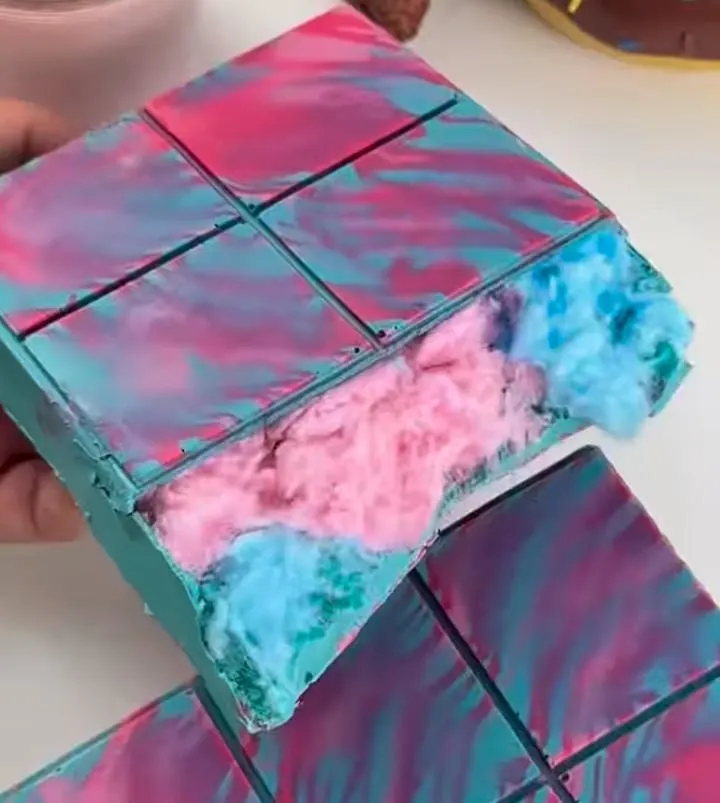
Homemade cotton candy isn’t just about recreating the fair experience; it also allows for customization. You can experiment with natural colors, unique flavors, and even modern variations like cotton candy toppings on drinks and desserts. Beyond being a sweet indulgence, cotton candy adds a whimsical touch to parties, weddings, and special celebrations.
This article will guide you through everything you need to know about cotton candy recipes: the main ingredients and their roles, step-by-step preparation, serving and storing tips, mistakes to avoid, clever tricks, variations to try, and a thoughtful conclusion to tie it all together.
Also Read: Pop Rocks Recipes
Quick Guide to Cotton Candy Recipes
| Section | Highlights |
|---|---|
| Main Ingredients | Sugar (base), Food coloring (color), Flavor extracts (taste), Machine (spinning), Cones/Sticks (serving) |
| Preparation Steps | Mix sugar + color + flavor → Preheat machine → Add sugar → Collect spun threads → Shape & serve |
| Serving & Storing | Serve on cones, as toppings, or in drinks → Store airtight → Avoid humidity → Revive hardened candy in desserts |
| Mistakes to Avoid | Too much coloring, wrong sugar type, not preheating, poor storage, uneven spinning |
| Tips & Tricks | Use natural colors, control humidity, pre-mix sugar batches, layer flavors, practice twirling, use in desserts |
| Variations | Rainbow, Gourmet flavors, Glitter, Dessert toppings, Drinks, Seasonal specials |
Main Ingredients of Cotton Candy
Cotton candy may look like a complex creation, but it is surprisingly made with very few ingredients. Each element has a unique purpose, contributing to the color, texture, and flavor. Let’s break down the essentials:
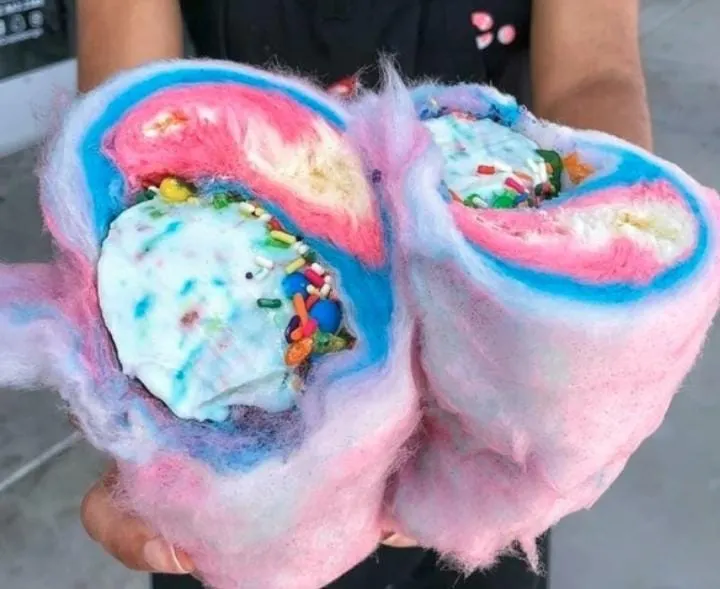
1. Sugar
The foundation of cotton candy is plain granulated sugar. White sugar is ideal because it melts evenly and spins into fine threads without clumping. The sugar’s crystalline structure allows it to transform into a web-like texture when melted and spun. You can also use superfine sugar for quicker melting, though regular sugar works perfectly. Avoid brown or raw sugar, as they contain molasses that can affect the taste and texture.
2. Food Coloring
Food coloring gives cotton candy its iconic pastel shades—pinks, blues, purples, or any color you desire. Gel or powdered food coloring is recommended because liquid color can sometimes make the sugar clump or caramelize too quickly. A tiny pinch is usually enough, as the spun candy amplifies the color in its airy strands. For a natural twist, beetroot powder, turmeric, or spirulina can provide gentle coloring without artificial dyes.
3. Flavoring Extracts
While traditional cotton candy often tastes like plain sugar, adding flavor extracts transforms it into something special. Vanilla, strawberry, blueberry, watermelon, or bubblegum extracts are common choices. A few drops of concentrated extract mixed into the sugar before spinning can create a delightful sensory experience. Flavors like cotton candy grape or tropical blends can even surprise guests with unique tastes.
4. Equipment (Cotton Candy Machine)
Although sugar, color, and flavor are the main consumables, the cotton candy machine is equally essential. The machine spins heated sugar at high speed, forcing it through tiny holes to create thin threads that cool instantly. For home use, mini countertop machines are widely available. In some DIY setups, people use whisks or pans, but the best results come from a proper machine.
5. Sticks or Cones
To collect spun sugar, you’ll need paper cones, wooden sticks, or even chopsticks. These provide a base to wrap the fluffy threads around. The way you twirl the cone affects the final shape and density of the cotton candy, making this step both functional and artistic.
How to Prepare Cotton Candy (Step-by-Step)

Step 1: Preparing the Sugar Mixture
Begin by mixing granulated sugar with your chosen food coloring and flavoring extract. Place the sugar in a bowl, add a drop of color and a few drops of extract, and stir thoroughly until the mixture is evenly tinted. This ensures that once spun, the cotton candy carries a consistent color and flavor.
Step 2: Heating the Machine
Switch on the cotton candy machine and allow it to preheat for a few minutes. This step is crucial because only a fully heated machine will melt sugar evenly. If you pour sugar too early, it may clump or burn, producing uneven results.
Step 3: Adding Sugar to the Spinner
Once the machine is hot, carefully pour the colored, flavored sugar into the spinning head. Immediately, the sugar will begin to melt and spin into fine threads that float outward. This is the magical moment when simple sugar transforms into airy strands.
Step 4: Collecting the Cotton Candy
Hold a paper cone or stick upright and place it near the spinning threads. As the sugar threads fly outward, twirl the cone slowly to catch them. Continue rotating while gently moving the cone around to gather more threads until you have a fluffy, cloud-like ball.
Step 5: Shaping and Serving
Once your cotton candy reaches the desired size, shape it with your hands or cone to form a neat, round puff. Serve immediately, as cotton candy begins to shrink and harden when exposed to humidity. For parties, you can prepare multiple cones in advance and cover them with food-safe wrappers to preserve freshness.
Serving and Storing Tips
Serving Ideas
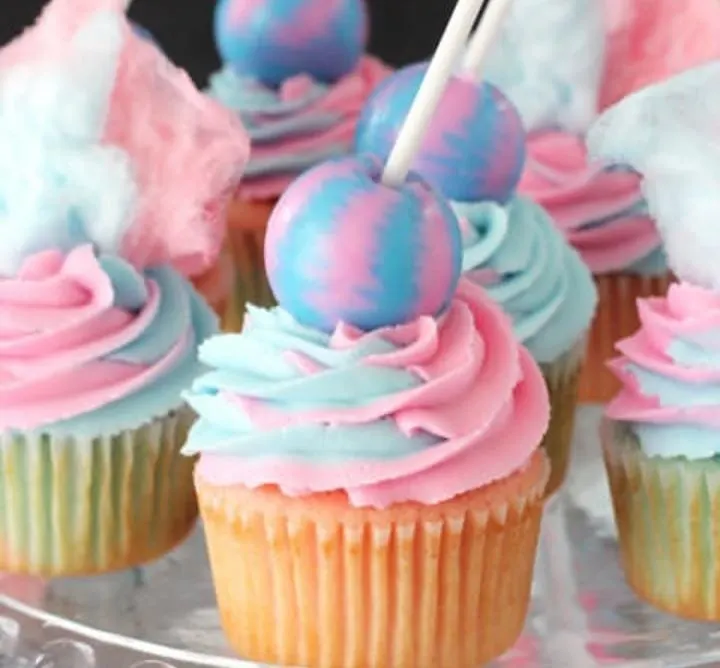
Cotton candy is traditionally served on cones, but you can get creative. Place it atop milkshakes, cupcakes, or ice cream for a fun presentation. Use it as a garnish for cocktails or mocktails—when cotton candy touches liquid, it dissolves dramatically, adding both sweetness and flair.
Party Presentation
At parties or weddings, cotton candy can be served in clear bags, glass jars, or even layered as colorful towers. Adding edible glitter or sprinkles makes it more festive. Mini cotton candy portions can serve as favors, leaving guests with a sweet memory to take home.
Storing Cotton Candy
Cotton candy is extremely sensitive to humidity. To store it, keep it in airtight containers or sealed plastic bags. Always store in a cool, dry place to prevent it from melting or shrinking. When stored properly, cotton candy can last for several days, though it’s best enjoyed fresh.
Reviving Hardened Cotton Candy
If your cotton candy hardens, don’t throw it away. Use it as a topping for desserts or blend it into milkshakes. The sugar will dissolve, imparting both color and sweetness.
Serving for Kids vs. Adults
For kids, stick to traditional pastel colors and fruity flavors. For adults, try sophisticated twists like champagne-flavored cotton candy or spicy-sweet options like cinnamon.
Mistakes to Avoid
- Adding Too Much Food Coloring – This can cause clumping and an artificial aftertaste. Use sparingly.
- Pouring Sugar Too Early – Always preheat the machine fully; otherwise, sugar may burn or form lumps.
- Using the Wrong Sugar Type – Avoid raw or powdered sugar; stick with plain white granulated sugar.
- Skipping Proper Storage – Leaving cotton candy exposed to air makes it collapse quickly.
- Over-Collecting Threads – Spinning too fast or twirling the cone unevenly can make dense, chewy clumps instead of fluffy clouds.
Tips and Tricks
- Pre-Mix Sugar in Small Batches – Prepare different colors and flavors in advance for quick switching during parties.
- Control Humidity – Make cotton candy in a dry room; moisture in the air causes threads to melt instantly.
- Practice Twirling Technique – A steady hand and slow twirl create even, fluffy results.
- Experiment with Natural Colors – Use fruit powders or plant-based coloring for a healthier twist.
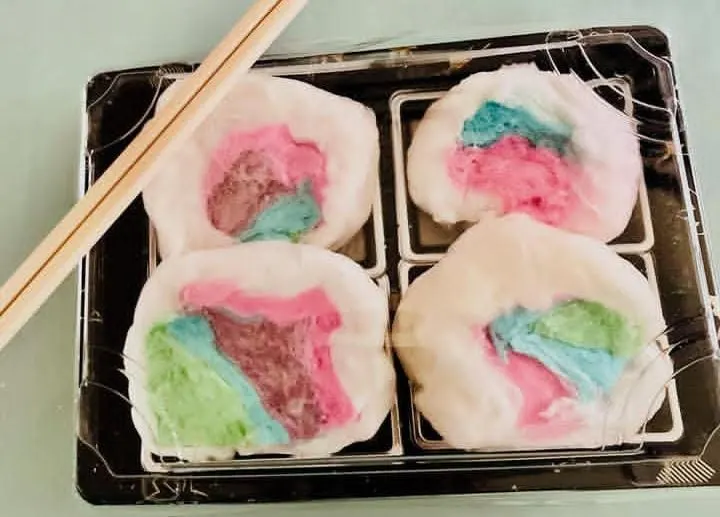
- Double-Layer Flavors – Spin one color first, then another for beautiful striped cotton candy.
- Use Cotton Candy in Desserts – Beyond cones, use it as cake toppers, drink garnishes, or in layered parfaits.
Variations of Cotton Candy
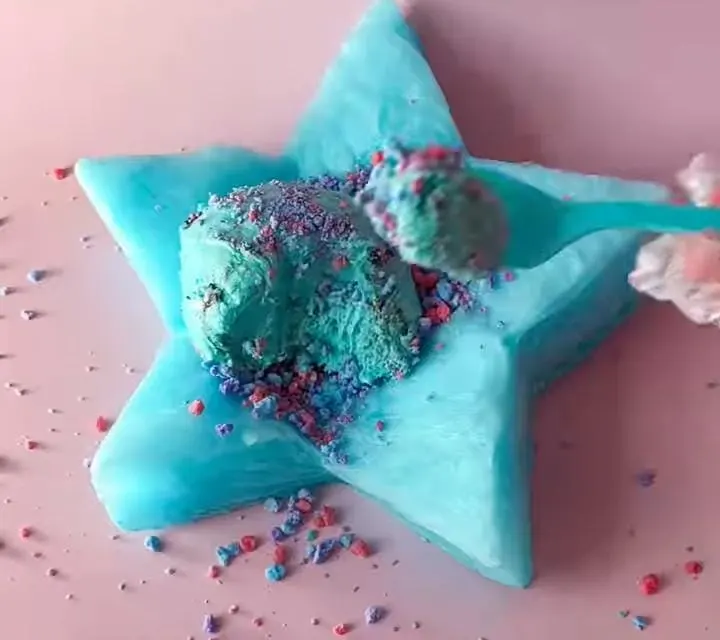
1. Rainbow Cotton Candy
Create layers of different colored sugar, spinning one after another to form a rainbow swirl. This is especially popular for kids’ parties and photo-worthy desserts.
2. Gourmet Flavored Cotton Candy
Experiment with exotic extracts like lavender, rose, or passionfruit. These sophisticated flavors make cotton candy appealing for adult events and weddings.
3. Glitter Cotton Candy
Mix edible glitter into the sugar for a sparkling effect. The glitter catches the light, making the candy look magical at nighttime parties.
4. Cotton Candy Topped Desserts
Use cotton candy as a topping for cupcakes, brownies, or cheesecakes. The candy adds both visual appeal and an extra layer of sweetness.
5. Cotton Candy Drinks
Place cotton candy on top of cocktails, lemonades, or sodas. When liquid touches it, the candy dissolves dramatically, creating a fun presentation and sweet flavor.
6. Seasonal Cotton Candy
Adapt the flavors and colors to seasons—pumpkin spice for fall, peppermint for winter, pastel colors for spring, or tropical flavors for summer.
Conclusion
Cotton candy is more than just a sugary treat—it’s an experience that brings joy, nostalgia, and creativity together. With just sugar, coloring, and flavoring, you can recreate the carnival magic right at home. The process is simple yet exciting, and with practice, you’ll master the art of spinning perfect fluffy clouds.
From understanding the main ingredients to learning preparation techniques, storage solutions, and unique serving ideas, this guide has shown that cotton candy is as versatile as it is delightful. Mistakes are easy to avoid with the right knowledge, and with helpful tips and creative variations, you can turn a basic recipe into an unforgettable treat.
Whether you’re preparing it for a birthday party, a wedding, or simply to relive sweet childhood memories, homemade cotton candy is always a showstopper. Fun, colorful, and endlessly customizable—it’s the perfect recipe for creating smiles and sweetening special moments.