Best Butter-Poached Lobster Tail Recipe: Tender, Juicy, Restaurant-Style Lobster Made Easy at Home
Butter-poached lobster tail is a luxurious yet surprisingly simple dish that brings restaurant-level flavor to your home kitchen. In this article you’ll learn what butter-poaching is, why it produces tender, succulent lobster meat, and how to recreate it with straightforward techniques and pantry-friendly ingredients.
The method uses gentle heat and clarified or melted butter to cook lobster tails evenly, preserving their natural sweetness and silky texture. Whether you’re preparing a special-occasion dinner or elevating a weeknight meal, this recipe focuses on technique, exact quantities, and practical tips so you can reproduce a consistent result every time.

Also read: Salmon Wellington Recipe
What Butter-Poached Lobster Tail Is
Butter-poaching is a slow, gentle cooking technique that involves submerging seafood in warm butter rather than boiling or broiling it. The butter acts as both a cooking medium and a flavor enhancer, insulating delicate lobster meat from direct high heat and keeping it moist.

Because the temperature used is relatively low compared to other methods, the lobster cooks evenly and becomes tender without becoming rubbery. This technique yields a glossy finish and a buttery taste that complements the lobster’s natural sweetness, allowing subtle aromatics such as lemon, herbs, or garlic to shine through.
Also read: Classic Shrimp Scampi Recipe
Nutritional Highlights
Lobster is a rich source of lean protein and contains several vitamins and minerals important for health. A single 6-ounce lobster tail provides high-quality protein, omega-3 fatty acids, vitamin B12, selenium, zinc, and potassium. Compared to red meats, lobster is lower in saturated fat and calories when prepared without heavy sauces.
Butter adds calories and saturated fat, so moderation and portion control are important. Using clarified butter or blending butter with olive oil can reduce the saturated fat contribution while preserving silky texture. Pairing lobster with vegetables and whole grains helps produce a balanced plate.

Main Ingredients (quantities for 2 servings / 2 lobster tails)
Ingredients List (exact quantities)
- 2 cold-water lobster tails, each about 6 to 8 ounces (total raw weight approximately 12 to 16 ounces).
- 12 tablespoons unsalted butter (1 1/2 sticks / 170 grams) for poaching — or 10 tablespoons unsalted butter plus 2 tablespoons extra-virgin olive oil for a lighter version.
- 1 tablespoon clarified butter or neutral oil for finishing (optional).
- 1 teaspoon fine sea salt, divided.
- 1/2 teaspoon freshly ground black pepper, divided.
- 1 tablespoon fresh lemon juice (about half a medium lemon).
- 1 small garlic clove, minced (about 2.5 to 3 grams).
- 1 teaspoon finely chopped fresh parsley for garnish.
- 1 sprig fresh thyme or 1/4 teaspoon dried thyme (optional).
- 1/4 teaspoon smoked paprika or sweet paprika (optional for color and mild flavor).
- Lemon wedges for serving (1 medium lemon, cut into 4 wedges).
- Optional: 1/4 cup low-sodium chicken broth or dry white wine for shallow poaching variation.
Also read: Easy & Tasty Brown Stew Salmon
Explanation of Each Ingredient and Why It Matters
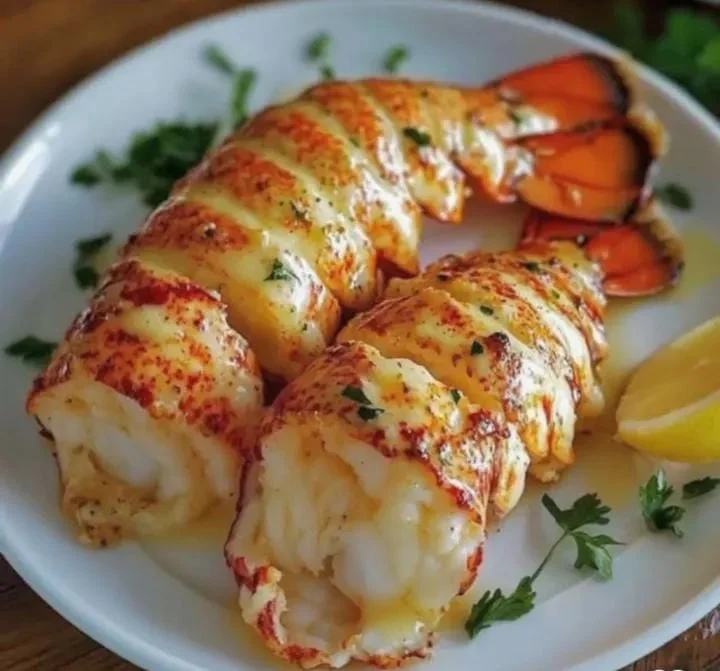
- Lobster tails: Cold-water tails are preferred for firm texture and sweeter flavor. Choose tails in the 6 to 8 ounce range so cooking times stay manageable; larger tails may require longer, gentler heat.
- Unsalted butter: Provides the fat medium for poaching and controls sodium. Unsalted butter allows you to season precisely with added salt.
- Olive oil (optional): Blending a small amount lowers the saturated fat without losing the silky mouthfeel; olive oil also raises the smoke point marginally for safer gentle warming.
- Clarified butter (optional finishing): Clarified butter has water removed and browns less easily, making it ideal for maintaining a clean butter flavor and glossy finish at finishing temperatures.
- Salt and pepper: Essential for boosting lobster’s natural flavors; divide seasoning to layer flavors during cooking and before serving.
- Lemon juice: Brightens the fat-rich profile and balances the buttery mouthfeel with acidity; fresh lemon is preferable to bottled for brightness.
- Garlic: A small amount of fresh garlic adds savory depth without dominating the delicate shellfish taste.
- Fresh herbs: Parsley and thyme provide herbal notes and visual contrast. Thyme’s subtle savory aroma complements lobster without overpowering it.
- Paprika: Adds gentle color and a hint of warmth; smoked paprika introduces a smoky element for variation.
- Broth or white wine (optional): Useful for a shallower poach when you want to reduce the total butter used while retaining moisture and adding a flavor base.
Total Recipe Yield and Serving Size

This recipe yields two butter-poached lobster tails, suitable for two main-course servings. Each serving will contain approximately 6 to 8 ounces of cooked lobster meat, depending on the initial tail size. If serving as an appetizer, you can divide each tail between two people to produce four appetizer portions. The ingredient quantities above (12 tablespoons butter, etc.) are scaled to give a richly buttery poach while still being reasonable for a two-person meal.
How to Prepare Butter-Poached Lobster Tail (step-by-step)

1. Thawing and Preparing the Lobster Tails
If you are using frozen lobster tails, begin by thawing them properly to ensure even cooking. Place the tails in the refrigerator overnight, or use the faster method of sealing them in a plastic bag and submerging them in cold water for 30 to 60 minutes.
Once thawed, pat them completely dry with paper towels to remove excess moisture. Using kitchen shears, carefully cut through the top shell from the wide end toward the tail fan, making sure not to slice into the meat. Gently loosen the lobster meat from the shell with your fingers, then lift it slightly to rest on top or leave it seated inside the shell depending on your presentation preference.
2. Preparing the Butter Poaching Base
To create the poaching medium, melt 12 tablespoons of unsalted butter in a small saucepan over very low heat. If you prefer clarified butter, allow the butter to melt slowly without stirring until the milk solids separate, then skim the foam and strain out the clear golden butterfat.
Keep the heat low and steady. Your target temperature for poaching is between 140°F and 160°F (60°C to 71°C), which protects the lobster meat from toughening. Add minced garlic, thyme, and a pinch of salt to the butter, letting the aromatics infuse gently without browning.
3. Seasoning the Lobster for Poaching
Before placing the lobster tails into the poaching butter, lightly season the meat with half of the measured salt and pepper. This first layer of seasoning helps bring out the natural sweetness of the lobster and ensures flavor is built from the inside out. Avoid using too much salt at this stage, as the butter itself contributes richness and the finishing touches will add additional seasoning.
4. Poaching the Lobster Tails
Gently place the lobster tails into the warm butter, ensuring that the meat is mostly submerged. If portions of the meat remain exposed, frequently spoon the hot butter over them throughout the cooking process.
Maintain a steady temperature in the ideal poaching range to keep the butter from sizzling or browning. Cook the tails slowly for 6 to 10 minutes depending on their size. The lobster is perfectly done when the meat becomes firm, opaque, and reaches an internal temperature of 140°F to 150°F at the thickest part.
5. Resting and Finishing the Lobster
Remove the lobster tails from the butter and transfer them to a plate to rest for one to two minutes. This resting phase allows the juices to settle back into the meat, creating a tender texture.
Drizzle a small amount of clarified butter or warm poaching liquid over the top for shine and flavor. Squeeze fresh lemon juice onto the meat, sprinkle chopped parsley, and adjust seasoning with the remaining salt and pepper. This final step balances richness with freshness.
6. Serving the Butter-Poached Lobster
Serve the lobster tails immediately while warm, accompanied by fresh lemon wedges. The poached butter can be strained and used as a dipping sauce or drizzled lightly over vegetables, potatoes, or grains served on the side.
Present the lobster on the half-shell or sliced into medallions for an elegant appearance. Keeping the dish simple highlights the delicate flavor and texture created by the butter-poaching technique.

Important Cooking Notes and Tips
- Use a thermometer for precision: butter-poaching tolerances are narrow and a thermometer prevents overcooking.
- Keep heat low: high heat can make the butter smoke and the lobster rubbery. Gentle, slow heat yields the best texture.
- Watch for doneness cues: opaque meat and firm but springy texture are good signs — avoid long, drawn-out exposure to heat.
- Don’t discard the poaching butter: it can be strained and used as a finishing sauce or for sautéing vegetables and potatoes to pair with the lobster.
- Safety with frozen tails: ensure tails are fully thawed and patted dry before cutting to avoid splatters during shell opening.
Healthy Habits for Serving and Enjoying Lobster

Lobster can fit comfortably into a balanced diet when combined with fiber-rich and nutrient-dense sides. Pair butter-poached lobster with steamed or roasted non-starchy vegetables like asparagus, broccolini, or a mixed greens salad with a light citrus vinaigrette to add vitamins and fiber. Substitute half the butter with a blend of butter and extra-virgin olive oil to reduce saturated fat while keeping mouthfeel.
Use whole grains like quinoa or farro as a base to add complex carbohydrates and extra protein if desired. Portion control is important when using butter-heavy methods—consider serving smaller lobster portions alongside generous vegetable elements for balance.
Variations: Flavor Twists and Technique Alternatives
Classic Lemon-Herb Butter Poach

This variation emphasizes bright citrus and fresh herbs without complicating the core technique. Use the base recipe but add the zest of one lemon to the melted butter and increase the fresh parsley to two teaspoons. The zest oils dissolve into the butter at low temperatures, layering brightness directly into the poaching medium.
Serve with extra lemon wedges and a light herb salad to complement the buttery richness. For balance, add a simple pan-seared market vegetable on the side — blanch asparagus, then toss in the strained poaching butter briefly for a glossy finish. This version is ideal when you want a timeless flavor profile that showcases the lobster without overwhelming it.
Garlic-Chive Brown Butter Variation

To introduce nutty depth, brown two tablespoons of the butter first over medium heat until small brown bits form, then reduce the heat and add the remaining butter to continue poaching at low temperature. The nuttiness of brown butter adds complexity that pairs beautifully with lobster’s sweetness.
Fold in two tablespoons chopped chives just before finishing so their onion-like brightness remains fresh. Accompany this style with roasted fingerling potatoes tossed in a little of the poaching butter and chopped chives, creating a cohesive plate that highlights both texture and complementary flavors. The brown-butter notes give a slightly richer mouthfeel while maintaining a seafood-forward finish.
Citrus-Saffron Shallow Poach (lighter butter use)
For a lighter yet aromatic version, prepare a shallow poach using 1/4 cup low-sodium chicken broth or dry white wine mixed with 6 tablespoons melted butter and a pinch of saffron threads. Warm the mixture over low heat and poach the lobster as described, spooning the blend over the meat to ensure even cooking.
The saffron infuses subtle floral notes and a pretty golden hue without needing much butter. Serve alongside a small citrus-fennel salad dressed with a vinaigrette made from lemon juice, a teaspoon of olive oil, salt, and pepper. This keeps the plate bright and reduces overall saturated fat while offering an elevated visual presentation.
Spicy Paprika and Chili-Infused Butter
For those who enjoy heat, infuse the butter with 1/2 teaspoon smoked paprika and 1/8 teaspoon cayenne pepper during warming. Add a smashed garlic clove early and remove it before serving to keep the heat mellow but present.
This creates a warm, slightly smoky profile that contrasts with the sweet lobster meat and works well with grilled corn or charred vegetables. Finish with a squeeze of lime rather than lemon to complement the smoky and spicy elements. This version suits casual summer dinners and pairs nicely with side dishes that can stand up to bold seasonings.
Final Notes and Serving Suggestions
Butter-poached lobster tail is a technique that rewards attention to temperature and quality ingredients. Use good butter, fresh lobster, and a thermometer if possible to ensure consistent results. Pairing ideas include light salads, roasted vegetables, whole-grain pilafs, or a modest portion of mashed potatoes prepared with olive oil instead of extra butter.
Save the strained poaching butter and repurpose it to sauté vegetables, baste scallops, or drizzle over boiled new potatoes for an extra-special finish. By following the precise quantities and careful technique described here, you can reproduce a restaurant-quality lobster dish that feels indulgent without being complicated. Enjoy this recipe for celebrations, date nights, or anytime you want to elevate a meal with minimal fuss.
Selecting and Sourcing Lobster Tails
Selecting high-quality lobster tails starts with knowing where and how they were caught. Cold-water lobsters from the North Atlantic or Canadian Maritimes often have firmer texture and a sweet flavor that stands up well to butter poaching.
If you buy frozen tails, check that they were flash-frozen and minimally processed; vacuum-sealed packaging with no excessive ice crystals indicates proper freezing. When purchasing fresh tails from a fishmonger, look for clear, unbroken shells and a clean, briny smell that indicates freshness. If buying whole live lobsters, ask the retailer about the catch date and handling practices.
If you have access to live lobsters, ask the fishmonger to split the tails for you or request cooking guidance. Whole live lobsters can be economical for larger gatherings; simply remove and reserve the tails for poaching while the claws and body meat can be used for stock or other preparations.
Sustainability-wise, check local advisories and labels—some regions provide certifications or guidance about best practices and seasons to promote responsible seafood consumption.
Equipment and Tools You’ll Need
- Precision thermometer (instant-read): Critical for maintaining the 140°F to 160°F poaching window and avoiding overcooking. An inexpensive digital thermometer pays for itself in consistency.
- Small saucepan or shallow sauté pan: Choose a pan that allows the lobster tails to lie comfortably so you can spoon butter over the exposed meat.
- Kitchen shears and a small offset spatula or spoon: Kitchen shears make splitting shells easy; an offset spatula helps lift meat cleanly from the shell when plating.
- Fine mesh strainer and heatproof bowl: Useful if you clarify butter or plan to reuse the poaching butter as a sauce. A strainer removes milk solids and herbs, leaving clear butterfat.
- Tongs and a timer: Gentle handling prevents tearing delicate lobster meat; a timer keeps poaching duration consistent.
- Cutting board and sharp knife: For trimming and presenting the tails, and for garnishes like zesting lemons or chopping herbs.
Troubleshooting Common Issues
If your lobster turns rubbery or tough, the most likely cause is overcooking. Pull the lobster from the butter as soon as the meat becomes opaque and just firm; residual heat will finish the cook. Conversely, if the meat seems undercooked and translucent, return it to the warm butter in short increments and monitor with a thermometer. If your butter smokes or browns excessively, the pan is too hot — lower the heat immediately and, if necessary, refresh with a mixture of cooler melted butter and a splash of olive oil or broth to reduce temperature quickly.
Another common challenge is uneven cooking when tails are very large. For extra-large tails, consider butter-poaching until the surface reaches the target temperature, then finishing in a moderate oven (325°F / 160°C) for brief intervals to ensure interior doneness without further firming the exterior. If you want a more robust crust, finish under a preheated broiler for 30 to 60 seconds, watching continuously to prevent burning.
Storage, Reheating, and Leftover Ideas
Store cooked lobster meat tightly wrapped in the refrigerator for up to 2 days. Keep the strained poaching butter separately in a small covered container and refrigerate; it will solidify but can be gently reheated. For reheating, do so gently: place lobster in a shallow pan with a tablespoon or two of the poaching butter, cover, and warm at low heat until just heated through (avoid boiling or high heat). Alternatively, wrap the tail loosely in foil with a splash of butter and reheat in a 275°F (135°C) oven for 6 to 10 minutes until warmed.
Leftover lobster is excellent in salads, chilled lobster rolls with a light mayo and lemon dressing, creamy bisques, or tossed into lightly dressed pasta with herbs and tomatoes. Avoid heavy reheating and long storage to preserve texture and flavor.
Wine and Beverage Pairings
Select beverages that complement the buttery richness without overwhelming the lobster’s sweetness. Classic pairs include a crisp, citrusy Sauvignon Blanc, an unoaked Chardonnay with bright acidity, or a medium-bodied dry Riesling. Sparkling wines such as Champagne or a quality Cava also harmonize well by cutting through the fat with effervescence. For non-alcoholic options, chilled sparkling water with lemon or a citrus-ginger spritzer provides acidity and refreshment.
When serving the savory, smoky, or spicy variations, consider reds that are light and bright or fuller whites with subtle oak—avoid heavy tannic wines that will clash with delicate seafood textures.
Frequently Asked Questions (FAQ)
Can I poach lobster tails in clarified butter entirely from scratch? Yes — clarifying butter improves stability, but you can also melt unsalted butter and maintain very low heat for convenience. Clarified butter reduces foaming and yields a cleaner finished sauce.
Is butter-poaching healthier than broiling? Butter-poaching is often more indulgent because it uses more fat, but it also preserves flavor and requires less added salt. To make it lighter, reduce the butter and incorporate broth or olive oil as suggested in the shallow-poach variation.
How do I know if lobster tails are fully cooked? The most reliable method is an instant-read thermometer; remove at around 140°F to 150°F inside the thickest part. Visually, the meat should be fully opaque and firm but still tender.
Can I double or scale this recipe for a dinner party? Yes — use a larger shallow pan or multiple pans to maintain low, even heat. Keep monitoring temperatures and avoid crowding the pan to prevent uneven cooking.
Timing and Temperature Guide (quick reference)
- Poaching temperature: 140°F to 160°F (60°C to 71°C). Keep below 160°F to avoid toughening the meat.
- 6–8 ounce lobster tails: poach 6 to 10 minutes depending on thickness; check at 6 minutes.
- Thick tails (over 8 ounces): poach 8 to 12 minutes and monitor internal temperature frequently.
- Rest time: 1 to 2 minutes after removing from butter to let juices redistribute.
Use an instant-read thermometer inserted into the center of the tail for best results. If you do not have a thermometer, rely on visual cues: the meat should turn uniformly opaque and have a slight spring when pressed gently.
Plating and Presentation Tips
For an elegant presentation, serve the lobster tail meat placed gently on the half shell or sliced into medallions and fanned across a warm plate. Spoon a small amount of strained poaching butter over the meat for shine and flavor, then finish with a spritz of lemon and a light scattering of chopped parsley for color contrast.
Offer lemon wedges and a small ramekin of the warm butter for dipping. Arrange sides—such as a small mound of herbed farro, roasted baby carrots, or a crisp frisée salad—neatly to keep the plate visually balanced and to let the lobster remain the star.
Deeper Nutritional Breakdown (approximate per 6-ounce cooked tail)
A 6-ounce cooked lobster tail supplies about 120 to 140 calories from the lobster itself, with roughly 25 to 30 grams of protein. Most of the remaining calories in this recipe come from the butter: 12 tablespoons of butter contribute approximately 1,200 calories across the recipe, so per serving the butter adds about 600 calories if all used.
Reducing the butter or sharing the poaching butter across more portions lowers per-serving fat and calorie impact. Lobster is also a good source of vitamin B12 (over 100% of the recommended daily value per serving), selenium, and zinc, which support neurological function and immune health. Balance your plate with fiber, vegetables, and whole grains to optimize nutrient intake.