Classic Filipino Chicken Adobo Recipe | Easy, Flavorful, and Comforting Home-Cooked Meal
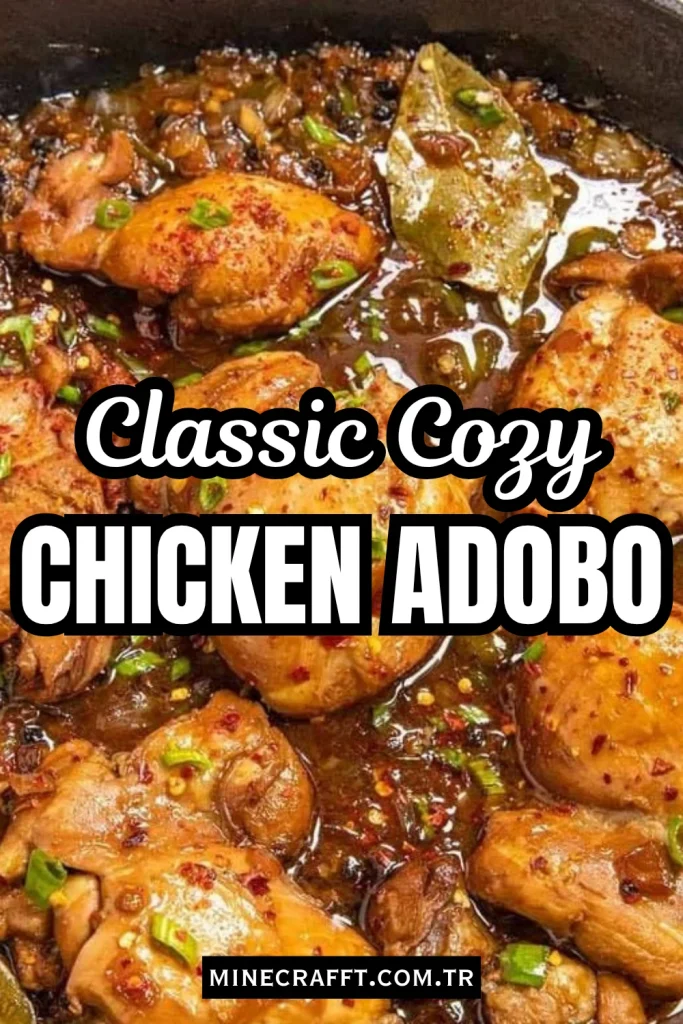
Chicken Adobo is the soul of Filipino cooking — a humble, hearty dish that embodies balance, patience, and tradition. Known for its deep, savory flavor and melt-in-your-mouth tenderness, this iconic recipe combines chicken simmered slowly in soy sauce, vinegar, garlic, bay leaves, and peppercorns. Every bite tells a story of home-cooked warmth, a dish that connects families across generations and continents. Adobo’s beauty lies in its simplicity and adaptability — a few pantry ingredients transform into a meal so flavorful it needs no extravagant garnish.
The word “adobo” comes from the Spanish word “adobar,” meaning “to marinate.” Over time, Filipinos embraced this method and infused it with their native flavors, creating a dish entirely their own. Today, Chicken Adobo has become a global favorite, known for its rich sauce that’s tangy, slightly salty, and deeply aromatic. Beyond taste, it’s a comforting recipe — the kind of dish that fills your kitchen with warmth and nostalgia.
Nutritional Benefits of Chicken Adobo
While indulgent in flavor, Chicken Adobo can also be part of a balanced diet. A serving offers lean protein from chicken, healthy fats when using olive or coconut oil, and vital minerals such as iron and zinc. Vinegar aids digestion, acts as an antimicrobial agent, and balances blood sugar levels. Garlic and bay leaves add antioxidants and anti-inflammatory benefits, while soy sauce provides umami depth and trace minerals like manganese.
When cooked with moderation in sodium and oil, Chicken Adobo is nutrient-rich and satisfying without being heavy. Paired with steamed vegetables or brown rice, it forms a complete meal that’s both nourishing and filling. The slow simmering process ensures the flavors develop naturally, reducing the need for added fats or artificial seasonings.

Also read: 10 Coffee Hacks for Weight Loss
Main Ingredients of Chicken Adobo
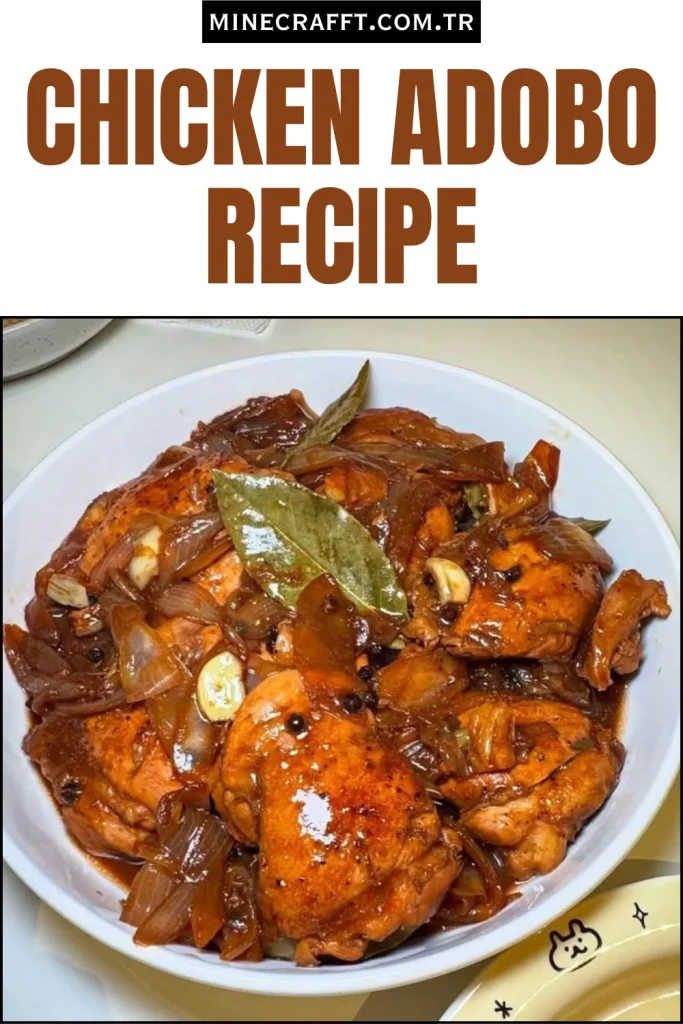
1. Chicken – 2 pounds (900 grams)
Chicken is the heart of Adobo. Traditionally, a mix of thighs and drumsticks is used for tenderness and flavor, though you can include breasts for a leaner dish. The bone-in pieces allow the sauce to penetrate deeper, giving a richer, more savory taste.
2. Soy Sauce – ½ cup (120 ml)
Soy sauce forms the base of the savory flavor. It contributes umami and saltiness, helping tenderize the chicken while creating a deep brown glaze. Use low-sodium soy sauce for a lighter version, or tamari for a gluten-free option.
3. Cane or White Vinegar – ½ cup (120 ml)
Vinegar adds the signature tang to Adobo. Filipino recipes traditionally use cane vinegar, but white or apple cider vinegar works well too. It balances the saltiness of soy sauce, adds brightness, and helps preserve the dish naturally.
4. Garlic – 8 cloves (20 grams), crushed
Garlic is essential in Adobo, providing aromatic warmth and depth. When sautéed in oil before simmering, it releases its flavor into the sauce, enhancing every bite with a mellow, nutty undertone.
5. Bay Leaves – 3 whole
Bay leaves infuse subtle herbal notes that round out the richness of the sauce. They’re removed before serving but crucial in building aroma and complexity.
6. Whole Peppercorns – 1 teaspoon (5 grams)
Peppercorns bring a gentle spice that complements the tangy sauce. Lightly crushing them before adding to the pot releases their natural oils and fragrance.
7. Water – 1 cup (240 ml)
Water balances the strong flavors and allows the sauce to reduce gradually. The slow simmering develops a syrupy consistency that coats the chicken beautifully.
8. Cooking Oil – 2 tablespoons (30 ml)
Oil is used for browning the chicken before braising. This step locks in moisture and adds a layer of richness to the dish. Olive oil or coconut oil are healthier alternatives to traditional lard.
Total Recipe Yield: Serves 4 people, producing about 6 cups of saucy chicken adobo — perfect for family meals or meal prep for the week.
How to Prepare Chicken Adobo

Step 1: Marinate the Chicken
In a large bowl, combine chicken pieces, soy sauce, vinegar, crushed garlic, peppercorns, and bay leaves. Toss well to coat every piece evenly. Cover and refrigerate for at least one hour — ideally overnight. This allows the flavors to penetrate deeply, giving the chicken its signature taste before cooking even begins.
Step 2: Sear for Depth of Flavor
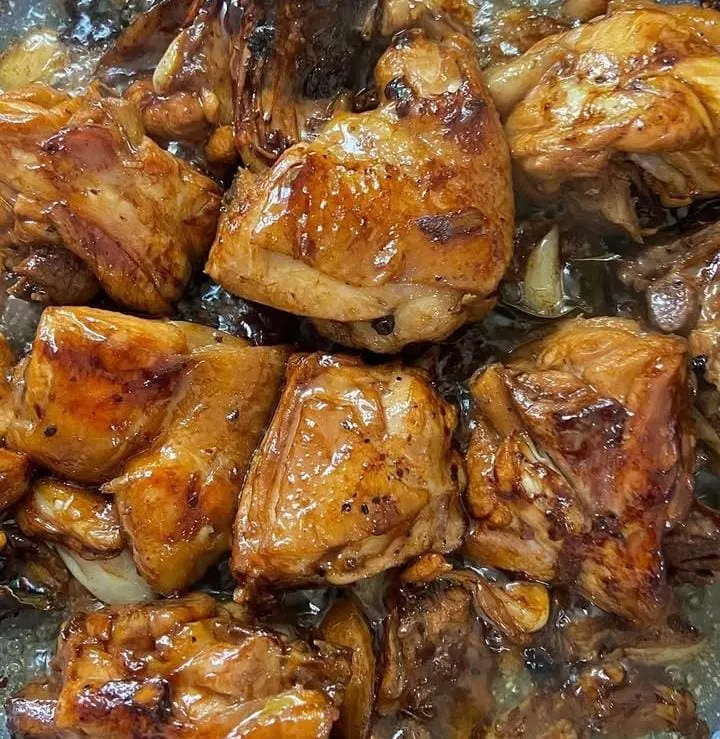
Heat oil in a large pot or deep skillet over medium heat. Remove chicken from the marinade (reserve the liquid) and sear each piece until lightly browned on both sides. This caramelization step adds depth, color, and a subtle smoky undertone that enriches the sauce later.
Step 3: Simmer with Marinade
Pour the reserved marinade and one cup of water into the pot. Stir gently, ensuring all the chicken is submerged. Bring the mixture to a boil, then reduce heat to low. Cover and let simmer for 30–40 minutes, stirring occasionally. The sauce will slowly reduce, thickening as the flavors meld.
Step 4: Adjust and Reduce
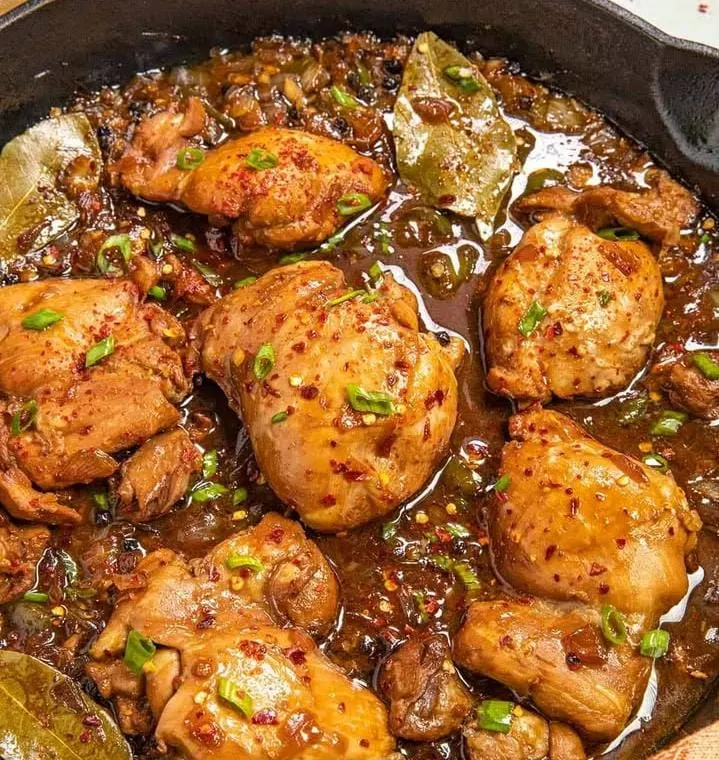
Uncover the pot and simmer for another 10–15 minutes until the sauce becomes glossy and coats the chicken. Taste and adjust seasoning — add more vinegar for tang, or soy sauce for saltiness. For a thicker sauce, allow it to reduce longer; for a lighter version, add a few tablespoons of water.
Step 5: Serve and Enjoy
Serve hot with steamed jasmine rice or garlic fried rice. Garnish with chopped scallions or fried garlic bits for added texture. The sauce should cling beautifully to the chicken, rich yet balanced, savory yet slightly sweet.
Healthy Habits and Cooking Tips
To make Chicken Adobo more health-conscious, start by trimming excess chicken skin to reduce fat. Opt for olive or coconut oil instead of traditional animal fat, and use low-sodium soy sauce to cut sodium content. Vinegar naturally preserves the dish, so you can skip artificial flavorings or bouillon cubes.
Adding vegetables like bell peppers, carrots, or bok choy increases fiber and vitamins while enhancing color and flavor. For a balanced meal, pair Adobo with brown rice or quinoa instead of white rice. These whole grains stabilize blood sugar and keep you full longer.
Variations of Chicken Adobo
1. Creamy Coconut Chicken Adobo
In this variation, replace half the water with coconut milk to create a creamy, rich sauce. The coconut flavor adds a tropical twist, softening the vinegar’s sharpness and giving the dish a silky texture. Simmer gently to prevent curdling, allowing the coconut milk to meld with the soy and garlic.
This version is especially popular in southern Philippines, where coconut trees are abundant. It pairs perfectly with steamed vegetables or plain rice, and its mild sweetness appeals to children and those who prefer a less tangy version of Adobo.
2. Spicy Chicken Adobo
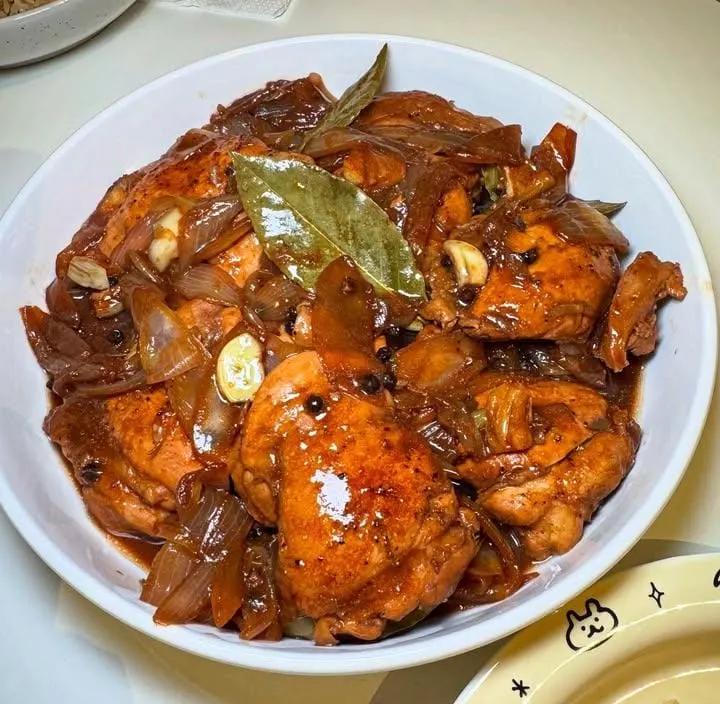
For spice lovers, add two sliced red chilies or one teaspoon of chili flakes to the pot while simmering. The heat enhances the flavor complexity without overpowering the sauce’s balance. You can also incorporate a bit of sriracha or chili oil for modern flair.
This fiery take is perfect for colder months or anyone seeking bolder flavors. The spice complements the savory sauce, creating a warming and invigorating meal. Serve with cucumber salad or pickled vegetables to balance the heat.
3. Adobo sa Gata (Coconut Milk Adobo)
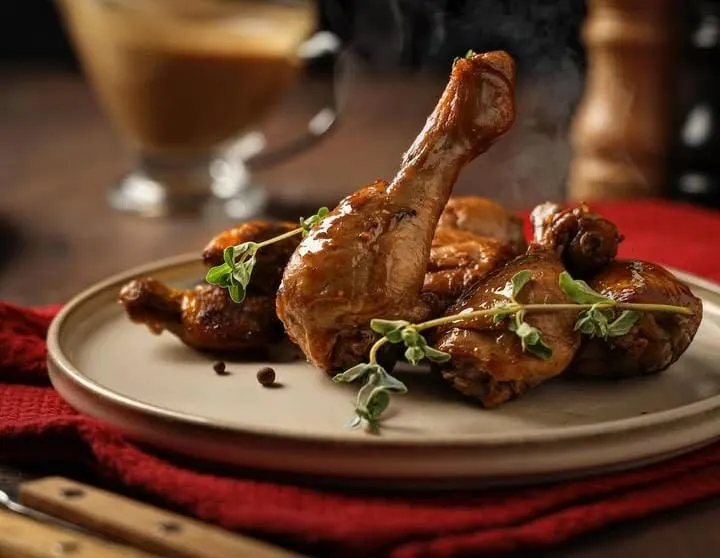
“Adobo sa Gata” is a creamy, southern-style variation featuring coconut milk. Add one cup of coconut milk after simmering and let it reduce until thick. This version is slightly sweet and aromatic, with a mellow tang.
It’s a comforting dish for rainy days, best served with garlic rice and sautéed greens. The richness of coconut milk harmonizes beautifully with soy sauce and vinegar, creating an indulgent yet balanced flavor.
4. Adobo Flakes
Transform leftover Chicken Adobo into crispy flakes by shredding the meat and pan-frying it until golden and crunchy. It’s perfect for breakfast, served with fried rice and eggs, or as a topping for salads.
Adobo flakes showcase the dish’s versatility and minimize waste. They store well in the refrigerator, making them ideal for meal prep or packed lunches.
5. Sweet Style Adobo
For a milder, family-friendly version, add one tablespoon of brown sugar to the sauce while simmering. The sugar balances the vinegar’s acidity, resulting in a slightly caramelized, glossy finish.
This version is popular in Luzon, where a touch of sweetness is preferred. It’s especially good with hard-boiled eggs added toward the end of cooking for extra richness.
6. Adobo with Pineapple
Add ½ cup of pineapple chunks or juice during simmering for a sweet-tangy fusion. The pineapple not only tenderizes the chicken but also adds freshness to the savory sauce.
This tropical version pairs wonderfully with jasmine rice and steamed vegetables. It’s a perfect mix of Filipino and Hawaiian influences, ideal for summer gatherings.
7. Adobo with Potatoes
For a hearty meal, add diced potatoes in the last 15 minutes of cooking. The potatoes absorb the flavorful sauce and make the dish more filling.
This variation is common in home kitchens, providing both starch and flavor in one pot. It’s budget-friendly and family-approved, offering comfort with every bite.
8. Dry Adobo (Adobong Tuyo)
Simmer the chicken longer until all the liquid evaporates, leaving a thick glaze coating the meat. This style intensifies flavor and creates a caramelized crust on the chicken.
Dry Adobo is perfect for packed lunches or travel since it keeps longer without refrigeration. It’s simple, robust, and deeply satisfying.
The Cultural Roots and Legacy of Adobo
Chicken Adobo isn’t just a dish — it’s a cultural emblem of Filipino identity. Its roots trace back to pre-colonial times, when early Filipinos preserved meat using vinegar and salt. When Spanish colonizers arrived in the 16th century, they noticed this native method resembled their own “adobo” or “marinade.” Over centuries, Filipino Adobo evolved to reflect regional diversity, local ingredients, and family traditions.
Each province and household developed its unique version — some use coconut milk, others add turmeric or annatto for color, while northern regions favor the tangier, vinegar-forward style. Despite these variations, the essence of Adobo remains unchanged: simplicity, patience, and harmony of flavors. To Filipinos, cooking Adobo is an act of connection — a way to honor family heritage and celebrate togetherness, one simmering pot at a time.
Why Chicken Adobo Has Global Appeal
Chicken Adobo has found its way into kitchens around the world, beloved by chefs and home cooks alike. Its universal appeal lies in its versatility and balance. It’s naturally dairy-free, gluten-free when using tamari, and adaptable to countless preferences. Travelers who visit the Philippines often return home with Adobo’s unforgettable taste — a mix of savory, tangy, and aromatic layers that awaken the senses.
Beyond flavor, Adobo’s cooking technique is practical and sustainable. The vinegar-based sauce acts as a natural preservative, making it ideal for tropical climates and modern meal prepping alike. The dish requires minimal ingredients yet produces restaurant-quality depth, earning its spot among the world’s most beloved comfort foods — alongside stews like Coq au Vin or Beef Bourguignon, but with a distinctly Filipino soul.
Mastering the Art of Flavor Balance
The secret to great Chicken Adobo lies in mastering its balance. The sauce should not be overly salty or sour — instead, it should harmonize the richness of soy sauce with the brightness of vinegar. The garlic provides body, the bay leaves lend fragrance, and the peppercorns bring subtle heat. Patience is key: rushing the simmering process can prevent the sauce from fully developing its character.
Many cooks adjust the ratio of vinegar to soy depending on their taste. A 1:1 ratio creates traditional Adobo, while adding more vinegar results in a tangier finish. A touch of brown sugar can round off the acidity, especially when paired with white rice. Each tweak, no matter how small, can shift the entire flavor profile — proof that Adobo, though humble, rewards attention and intuition in the kitchen.
Adobo as a Sustainable, Budget-Friendly Meal
In addition to its flavor and heritage, Chicken Adobo is celebrated for being budget-friendly and waste-conscious. Using affordable ingredients like vinegar, soy sauce, and garlic, it proves that wholesome meals don’t require expensive components. Leftovers can be reinvented into sandwiches, wraps, or Adobo flakes, minimizing food waste.
The dish’s long shelf life also supports sustainability. Because vinegar acts as a natural preservative, Adobo can be stored safely without constant refrigeration — a vital quality in traditional Filipino households before modern appliances. In today’s context, that same trait makes it perfect for batch cooking, meal prepping, or minimizing energy use in your kitchen routine.
Cooking Techniques and Professional Tips
Professional chefs often emphasize two technical steps in perfecting Adobo: marination and browning. Marinating the chicken infuses the flesh deeply, allowing each bite to taste consistent from edge to bone. Browning, meanwhile, caramelizes the exterior, building complexity and depth into the sauce.
For the best results, always marinate for at least one hour, though overnight marination develops the richest flavor. Use medium heat for browning to avoid burning the garlic or over-drying the meat. When simmering, resist the temptation to stir constantly — let the sauce reduce naturally. As the liquid thickens, oils will rise to the surface, signaling it’s nearly done. That glossy layer is a hallmark of authentic, perfectly cooked Chicken Adobo.
Modern Twists and Fusion Inspiration
Contemporary chefs around the world are reimagining Chicken Adobo in creative ways. It’s now featured in fusion tacos, rice bowls, bao buns, and even pasta dishes. In Los Angeles and New York, Filipino restaurants have elevated Adobo with local ingredients — such as truffle oil, smoked salt, or maple syrup for sweetness.
Home cooks can experiment too. Try using boneless chicken for faster cooking, or mix in mushrooms for a vegetarian touch. You can even turn Adobo sauce into a glaze for roasted vegetables or grilled tofu. These innovations prove that Adobo’s adaptability transcends borders, evolving gracefully while staying true to its roots.
Pairing Adobo with Sides and Drinks
A proper Chicken Adobo meal is all about harmony. Steamed jasmine rice is the traditional companion, soaking up every drop of the savory sauce. For a healthier twist, try brown rice, red rice, or cauliflower rice. On the side, simple vegetable dishes like sautéed kangkong (water spinach), garlic green beans, or pickled atchara (papaya relish) add freshness and contrast.
For beverages, Filipino meals often pair Adobo with calamansi juice — a citrus drink that cuts through the richness — or chilled coconut water for a tropical refreshment. Light beers, ginger tea, or even dry white wine also complement the dish beautifully, depending on the occasion.
Hosting and Presentation Tips
Chicken Adobo, though simple, can be served elegantly for guests. Arrange the chicken pieces neatly in a shallow serving bowl, pour the glossy sauce over top, and garnish with sliced green onions or crispy fried garlic. A few sprigs of cilantro or thinly sliced chili can elevate its presentation without changing the core flavors.
For family-style dinners, serve Adobo in a clay pot or cast-iron pan to retain heat throughout the meal. The aroma of garlic and soy as the lid lifts creates an experience that’s both rustic and heartwarming — a reminder that the best meals are often the simplest ones shared at the table.
Regional Variations Across the Philippines
Adobo reflects the geography and character of the Philippines. In Luzon, cooks prefer a tangy, vinegar-heavy version, often called Adobong Puti — made without soy sauce. Visayan Adobo tends to be saltier and sometimes includes ginger for warmth. In Mindanao, coconut milk is a staple addition, transforming the dish into Adobo sa Gata, creamy and aromatic.
Each region’s approach speaks to its local produce and history. Even the cooking vessel — clay pot, metal pan, or wok — influences the flavor slightly. These variations prove that Adobo is not one recipe, but a culinary language that adapts to its surroundings while keeping its identity intact.
Why Adobo Represents Filipino Resilience
Beyond its culinary appeal, Chicken Adobo represents resilience — the ability to adapt, preserve, and thrive. Like the Filipino spirit, it takes what’s available and transforms it into something enduringly beautiful. Its reliance on vinegar, a humble ingredient, symbolizes practicality and patience, values that have carried the Filipino people through centuries of change.
In Filipino households worldwide, Adobo is often the first dish young cooks learn, serving as a connection to their roots. For overseas Filipinos, it’s a nostalgic taste of home — one pot of simmering sauce capable of bridging continents and memories.
Adobo and the Modern Kitchen
As global interest in Filipino cuisine grows, Chicken Adobo has become a gateway dish for many food enthusiasts. It’s simple enough for beginners yet rewarding for experts. In modern kitchens, you can prepare Adobo in various ways: on the stovetop, in a slow cooker, or even in an Instant Pot for convenience.
For meal preppers, divide cooked Adobo into portions with rice and vegetables. It reheats well, making it a practical weekday lunch or dinner option. Its robust flavor ensures it doesn’t lose quality over time — in fact, many claim Adobo tastes best on the second day, after resting in its sauce.
Common Mistakes and How to Avoid Them
Even a simple recipe like Adobo requires attention to detail. A common mistake is adding vinegar and soy simultaneously and boiling too quickly — this can cause the vinegar to lose its acidity prematurely. Always allow vinegar to simmer gently without stirring for a few minutes before combining with other liquids.
Another issue is over-salting. Soy sauces vary in sodium strength, so taste the sauce halfway through cooking and adjust gradually. Lastly, never rush reduction. The slow thickening process transforms thin liquid into a rich glaze — the hallmark of authentic Adobo flavor.
Serving and Pairing Suggestions
Chicken Adobo is best served with hot rice — the neutral base that absorbs the sauce perfectly. Garlic fried rice adds an aromatic kick, while brown or black rice provides a nutty contrast. Pair with lightly sautéed vegetables or green mango salad for brightness.
A sprinkle of fried garlic or a drizzle of adobo sauce over the rice elevates presentation and flavor. For beverages, calamansi juice or iced tea complements the tangy-salty balance of the dish, while coconut water refreshes the palate.
Storage and Meal Prep Tips
Chicken Adobo tastes even better the next day as the flavors deepen overnight. Store leftovers in airtight containers and refrigerate for up to 5 days. Reheat gently on the stovetop with a splash of water to prevent drying out.
For longer storage, freeze portions for up to 3 months. It’s an excellent make-ahead dish for busy weeks. The vinegar acts as a natural preservative, keeping the flavor vibrant even after freezing.
Conclusion
Chicken Adobo stands as a timeless symbol of Filipino heritage — simple yet soulful, tangy yet comforting. Every household has its version, passed down and perfected over generations. This cozy, classic dish is proof that the most heartwarming meals come from humble ingredients and patient cooking.
Whether you choose to make it traditional, creamy, spicy, or sweet, Chicken Adobo invites you to slow down and savor the art of home cooking. Each spoonful carries history, family, and love — the essence of Filipino cuisine.