Crispy Sesame Chicken Recipe with Sweet Sauce: Authentic Takeout-Style Guide
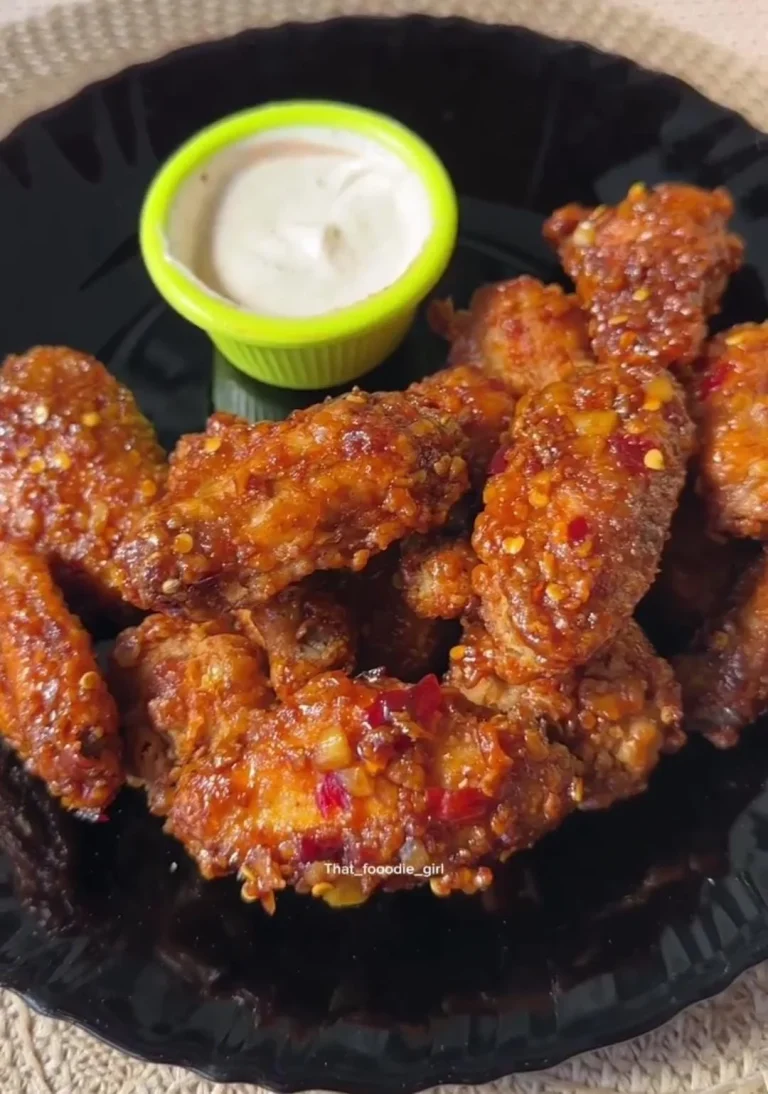
Sesame Chicken is one of the most beloved dishes in Chinese-American cuisine, cherished for its irresistible balance of textures and flavors. Crispy pieces of chicken are coated in a golden-brown batter, fried until crunchy, and tossed in a sweet-savory glaze made with soy sauce, garlic, ginger, and honey or sugar. The dish is then finished with a generous sprinkle of toasted sesame seeds, adding nuttiness and aroma.
While it is often associated with Chinese takeout restaurants, Sesame Chicken is an adaptation designed to suit Western tastes, blending the culinary traditions of Chinese cooking with modern flavor profiles. Its sticky glaze, crunchy coating, and rich sesame notes make it one of the most popular choices on restaurant menus.

Making Sesame Chicken at home allows you to control every aspect of the dish, from the freshness of the chicken to the thickness of the sauce. You can also tailor the sweetness, add spice, or make it healthier by baking instead of frying. This recipe will take you through every detail—ingredients, preparation, cooking steps, and creative variations—so you can master this iconic dish in your own kitchen.
Main Ingredients for Sesame Chicken
To create authentic Sesame Chicken, the ingredients must be carefully selected. Each one plays a specific role in achieving the crispy texture, balanced flavors, and glossy appearance of the dish. Below is a breakdown of the main ingredients with quantities provided for a recipe that serves 4 people.

For the Chicken
- Boneless, skinless chicken thighs – 1 ½ pounds (680g)
Thighs are ideal because they remain juicy and tender after frying. Chicken breast can also be used, but it tends to dry out more easily. - Cornstarch – ½ cup (60g)
Provides a light, crisp coating that adheres well to the chicken. - All-purpose flour – ½ cup (60g)
Combined with cornstarch, it creates a golden, crunchy batter. - Large eggs – 2, beaten
Acts as a binder to hold the flour mixture onto the chicken pieces. - Salt – 1 teaspoon (6g)
Seasons the chicken before frying. - Black pepper – ½ teaspoon (2g)
Adds a mild kick to balance the sweetness of the sauce. - Vegetable oil – for frying (about 3 cups / 700ml)
A neutral oil with a high smoke point ensures the chicken fries evenly.
For the Sauce
- Soy sauce – ¼ cup (60ml)
Provides saltiness and umami depth. - Honey – 3 tablespoons (60g)
Adds natural sweetness and helps create a glossy glaze. - Brown sugar – 2 tablespoons (25g)
Deepens the sweetness and caramelization. - Rice vinegar – 2 tablespoons (30ml)
Adds acidity to cut through the sweetness. - Garlic – 3 cloves, minced
Brings savory flavor to the sauce. - Fresh ginger – 1 tablespoon, grated
Adds warmth and spice to balance the glaze. - Cornstarch slurry – 2 teaspoons cornstarch + 2 teaspoons water
Thickens the sauce for a silky finish. - Sesame oil – 1 teaspoon (5ml)
Provides a nutty aroma. - Sesame seeds – 2 tablespoons, toasted
Used for garnish, adding crunch and visual appeal. - Green onions – 2 stalks, sliced
Optional garnish for freshness and color.

Nutritional Information (Per Serving – based on 4 servings)
| Nutrient | Amount per Serving |
|---|---|
| Calories | 520 kcal |
| Protein | 28g |
| Carbohydrates | 42g |
| Sugars | 18g |
| Fat | 24g |
| Saturated Fat | 4g |
| Fiber | 1g |
| Sodium | 890mg |
| Cholesterol | 115mg |
How to Prepare Sesame Chicken

Step 1: Prepare the Chicken
Begin by cutting the boneless chicken thighs into bite-sized cubes, about 1-inch pieces. This size ensures they cook quickly and evenly. Season the chicken lightly with salt and pepper. In one bowl, beat the eggs. In another bowl, combine cornstarch and flour. Dip each chicken piece into the egg, then coat thoroughly with the flour mixture, pressing lightly so the coating sticks. Arrange the coated chicken on a plate, ready for frying.
Step 2: Fry the Chicken
Heat vegetable oil in a deep skillet or wok to 350°F (175°C). Carefully drop the coated chicken pieces into the oil in small batches, making sure not to overcrowd the pan. Fry for 4–5 minutes until golden brown and crispy. Remove and drain on paper towels. For extra crunch, double-fry by returning the chicken to the oil for another 1–2 minutes after the first round.
Step 3: Prepare the Sauce
In a separate saucepan or wok, combine soy sauce, honey, brown sugar, rice vinegar, garlic, and ginger. Cook over medium heat until the mixture begins to simmer. Add the cornstarch slurry and stir continuously until the sauce thickens into a glossy glaze. Drizzle in sesame oil for aroma.
Step 4: Toss the Chicken in the Sauce
Transfer the fried chicken into the sauce pan. Stir gently to coat each piece evenly with the sticky glaze. Allow the chicken to simmer in the sauce for 1–2 minutes so the flavors absorb into the coating.
Step 5: Garnish and Serve
Remove from heat and sprinkle toasted sesame seeds over the chicken. Garnish with chopped green onions if desired. Serve hot with steamed rice, fried rice, or stir-fried vegetables for a complete meal.

Variations of Sesame Chicken
Variation 1: Baked Sesame Chicken
If you want a healthier option, baked sesame chicken is a great alternative. Instead of deep-frying, the chicken is coated with the same cornstarch and flour mixture, then placed on a parchment-lined baking sheet. Bake at 400°F (200°C) for about 20–25 minutes, flipping halfway for even crispiness. The sauce is prepared separately and tossed with the baked chicken. While slightly less crunchy, it retains the same sweet and savory flavors.

This variation cuts down on oil while keeping the dish family-friendly and satisfying. Many home cooks choose this version for weeknight dinners when they want something lighter yet still flavorful. Pair it with brown rice or quinoa to make it even more wholesome.
Variation 2: Spicy Sesame Chicken
For those who enjoy heat, spicy sesame chicken adds chili paste or dried red pepper flakes into the sauce. The sweetness of honey balances the fiery kick, creating a perfect sweet-heat combination. You can adjust the spice level by adding more or less chili paste.
This variation is popular among spice lovers who crave a bolder flavor profile. It pairs especially well with cooling sides such as cucumber salad or plain steamed rice, which help balance the heat. Adding bell peppers or broccoli to the dish enhances both nutrition and color.

Variation 3: Sesame Chicken with Vegetables
This variation incorporates stir-fried vegetables such as broccoli, snap peas, carrots, and bell peppers. The vegetables are cooked briefly in a hot wok to retain their crunch before being tossed with the sauced chicken.
This not only increases the nutritional value of the dish but also makes it visually more appealing with vibrant colors. It’s an excellent way to transform sesame chicken into a more balanced meal, perfect for health-conscious eaters or families looking to incorporate more vegetables into their diet.

Variation 4: Honey Garlic Sesame Chicken
By increasing the garlic and honey proportions, you can create a version that leans more toward honey garlic chicken while still keeping the sesame garnish. The flavor is sweeter, more aromatic, and slightly less tangy.
This variation is ideal for those who prefer a sweeter profile with strong garlic undertones. It’s also kid-friendly, as the mild flavors appeal to younger palates. Served with fried rice or noodles, it becomes a comforting, restaurant-quality dish you can make at home.
Tips for Success
- Always fry chicken in batches to maintain oil temperature and crispiness.
- Double-frying ensures maximum crunch that holds up against the sticky sauce.
- Use chicken thighs for juicier results, but chicken breast works for leaner meat.
- Toast sesame seeds before garnishing to intensify flavor.
- For a glossy sauce, add cornstarch slurry gradually and stir continuously.
The Origins and Cultural Context of Sesame Chicken
Sesame Chicken, though beloved in Chinese restaurants worldwide, is not a traditional dish from China. Instead, it is part of the Chinese-American cuisine that evolved during the late 20th century. Immigrant chefs adapted traditional cooking methods to suit Western palates, emphasizing sweetness and crisp textures. The result was a range of dishes like General Tso’s Chicken, Orange Chicken, and Sesame Chicken—all of which became staples in North American takeout culture.
In China, sesame seeds are often used in savory and sweet dishes, symbolizing prosperity and fertility. By incorporating sesame into a fried chicken dish, chefs created a bridge between tradition and innovation. Today, Sesame Chicken is not only a restaurant favorite but also a comfort food that connects people to the flavors of Chinese-inspired cuisine.
Why Sesame Chicken is So Popular
One of the reasons Sesame Chicken remains a top choice is its balance of flavors and textures. The crispy chicken contrasts with the sticky, sweet glaze, while sesame seeds add crunch and nutty fragrance. This interplay of sweet, salty, and savory appeals to a wide range of palates, making it a crowd-pleasing dish.
Its adaptability is another reason for its enduring popularity. Whether fried or baked, spicy or mild, Sesame Chicken can be tailored to suit dietary needs and taste preferences. Families enjoy it because it pairs well with rice, vegetables, and even noodles, creating a complete meal with minimal effort.
Serving Suggestions for Sesame Chicken
Sesame Chicken shines when paired with complementary sides. The most common accompaniment is steamed jasmine rice or fried rice, which absorbs the flavorful sauce. For a healthier twist, you can serve it with brown rice or quinoa, which add extra fiber and nutrients.
If you’re aiming for a balanced plate, pairing Sesame Chicken with stir-fried vegetables such as broccoli, bok choy, snap peas, or carrots works beautifully. The freshness and crunch of the vegetables help balance the richness of the fried chicken and sticky glaze. For a more indulgent meal, serve Sesame Chicken with lo mein or chow mein noodles, letting the glossy sauce coat every strand.
Storing and Reheating Sesame Chicken
Like many fried dishes, Sesame Chicken is best enjoyed fresh, but it can be stored for later. Once cooled, place the chicken in an airtight container and refrigerate for up to 3 days. To prevent sogginess, store the sauce separately if possible and only toss it with the chicken before reheating.
For reheating, the oven or air fryer works best. Place the chicken on a baking tray and warm at 350°F (175°C) for 10–12 minutes until crispy. Reheat the sauce on the stovetop and toss with the warmed chicken. Microwaving is convenient but may result in a softer texture. If freezing, store in airtight bags for up to 2 months, then reheat in the oven for best results.
Sesame Chicken in Modern Food Culture
With the rise of food delivery apps and restaurant chains, Sesame Chicken has become a symbol of comfort food worldwide. It is often featured on “Top 10 Takeout Favorites” lists and remains one of the most ordered dishes in North America. Beyond restaurants, Sesame Chicken has gained traction in food blogging, YouTube cooking channels, and TikTok recipe videos, where home chefs share creative twists like spicy sesame chicken, keto-friendly versions, and even sesame chicken sliders.
This global popularity shows how food can adapt across cultures while retaining its identity. Even though Sesame Chicken is not a centuries-old Chinese recipe, it carries the spirit of fusion cooking—combining traditional techniques with modern creativity.
The Role of Sesame in Cooking
Sesame seeds, used as garnish in this dish, are small but mighty. They are one of the oldest oilseed crops in the world, cultivated for over 3,000 years. In Asian cuisine, sesame seeds symbolize good fortune and are often used in celebratory dishes. Toasting them releases natural oils, deepening their nutty flavor and enhancing their aroma.
Sesame oil, another key ingredient in Sesame Chicken, is equally important. Just a teaspoon can transform the sauce, adding depth and authenticity. This oil is typically added at the end of cooking to preserve its delicate flavor. Together, sesame seeds and sesame oil elevate the dish, making it distinctively aromatic and flavorful.
Health Considerations and Adjustments
While Sesame Chicken is indulgent, it can be modified for healthier eating. Using chicken breast instead of thighs reduces fat content. Baking or air-frying instead of deep-frying lowers calories and oil absorption. Reducing the sugar in the glaze or substituting with natural sweeteners like maple syrup or agave makes it lighter.
Vegetable-based additions, such as broccoli florets or bok choy, can increase fiber and nutrients, making the dish more balanced. Portion control is also key—pairing a small serving of Sesame Chicken with larger portions of rice and vegetables can keep the meal satisfying yet nutritious.
Sesame Chicken as a Party Dish
Beyond being a weeknight dinner, Sesame Chicken is also a fantastic party dish. Served on a platter, coated with glossy sauce, and sprinkled with sesame seeds, it makes a stunning centerpiece. You can prepare bite-sized portions using chicken nuggets or wings for easy finger food. Adding skewers turns it into a fun appetizer for gatherings.
Because the flavors are universally appealing, Sesame Chicken can easily fit into multicultural menus. Pair it with spring rolls, dumplings, or wontons for an Asian-inspired buffet, or serve alongside fusion items like sesame chicken tacos or bao buns for a creative twist.
Conclusion
Sesame Chicken is more than just a takeout favorite—it is a versatile dish that combines crispy texture with sweet and savory flavors. By preparing it at home, you can control the quality of ingredients, adjust the flavors to your liking, and even make healthier or spicier versions. From the classic deep-fried recipe to baked and vegetable-packed alternatives, this dish offers endless possibilities.
Whether you are recreating your favorite restaurant meal, exploring Asian-inspired flavors, or simply craving a comforting dinner, Sesame Chicken delivers every time. With this step-by-step recipe and detailed explanations, you can master the art of making Sesame Chicken in your own kitchen. Serve it hot, sprinkle with sesame seeds, and enjoy the balance of crunch, sweetness, and umami that has made this dish a global favorite.