
Gyoza Dipping Sauce Recipe: Easy Japanese Dumpling Sauce with Soy Sauce, Rice Vinegar & Sesame
Gyoza dipping sauce is the quiet hero of Japanese dumplings. While gyoza themselves are flavorful, the dipping sauce brings balance, contrast, and brightness that completes the dish. A well-made gyoza sauce highlights the savory filling, cuts through richness, and enhances texture with every bite.
This authentic gyoza dipping sauce recipe is simple, quick, and deeply flavorful. It uses everyday pantry ingredients that come together to create a sauce that is salty, tangy, slightly sweet, and aromatic. Unlike heavy sauces, this one is light and clean, designed to complement rather than overpower the dumplings.
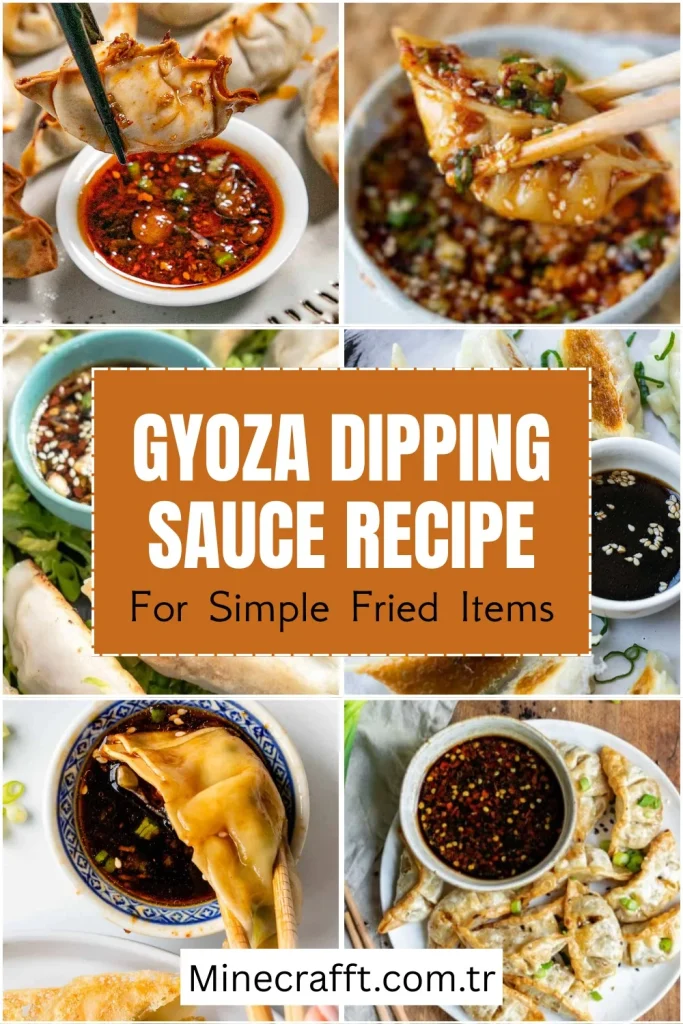
In recent years, gyoza dipping sauce recipes have surged in popularity on Pinterest due to the growing love for homemade Asian-inspired meals. This sauce is not only perfect for dumplings but also works beautifully with potstickers, wontons, spring rolls, and even noodle bowls.
Also try: Coconut Shrimp Dipping Sauce Recipe
What Is Gyoza Dipping Sauce
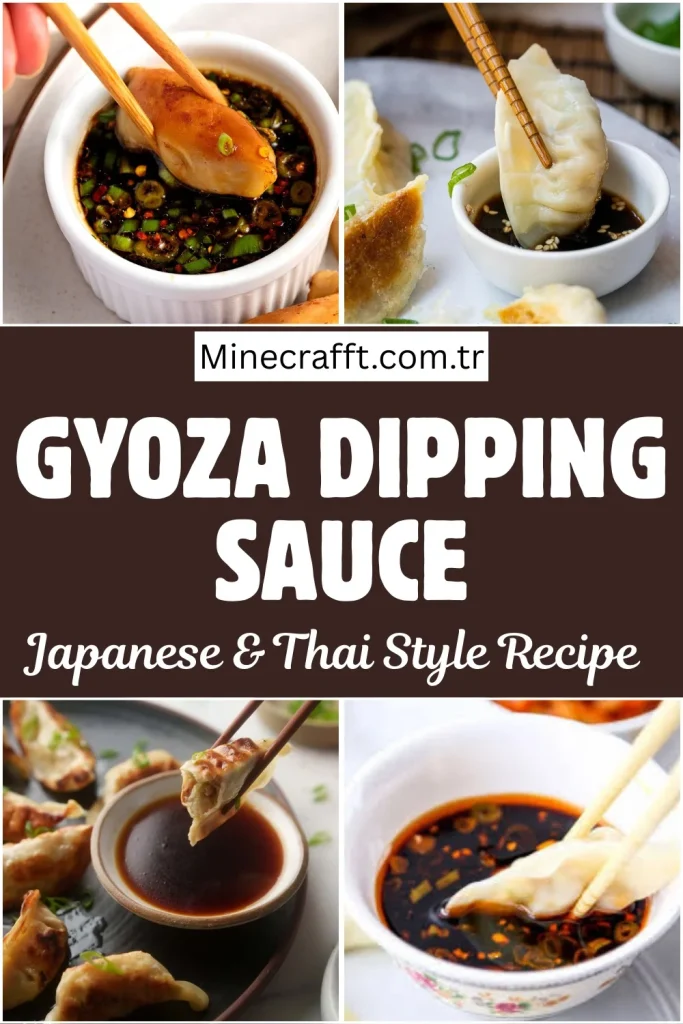
Gyoza dipping sauce is a traditional Japanese condiment served alongside pan-fried or steamed dumplings. It is typically made with soy sauce and rice vinegar as the base, with optional additions like sesame oil, chili oil, or garlic for extra depth.
The purpose of gyoza dipping sauce is balance. Gyoza fillings are often rich with meat, cabbage, and aromatics. The sauce adds acidity to brighten flavors, salt to enhance savoriness, and subtle oil to round out the taste.
Unlike thick dipping sauces, gyoza sauce is thin and pourable. This allows it to coat the dumpling lightly rather than soaking it, preserving texture and preventing sogginess.
Also try: 15 Dipping Sauce Recipes
Nutritional Overview of Gyoza Dipping Sauce

Gyoza dipping sauce is relatively low in calories when used in moderation. It contains minimal fat and sugar, making it lighter than creamy or sugary sauces. Its simple composition allows it to enhance flavor without adding heaviness to the meal.
Soy sauce provides trace minerals such as manganese and small amounts of protein. Rice vinegar adds acidity without calories and supports digestion. Sesame oil contributes healthy fats and antioxidants when used sparingly.
When prepared at home, sodium levels can be adjusted easily by using low-sodium soy sauce. This makes homemade gyoza dipping sauce a healthier alternative to pre-made sauces often high in salt and preservatives.
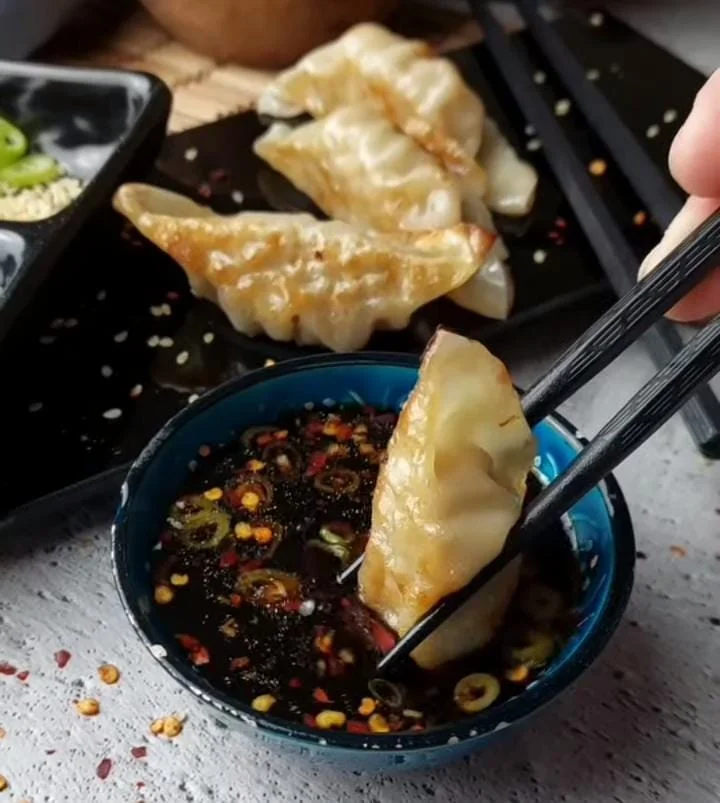
Main Ingredients and Exact Quantities
Total Yield
This recipe makes ½ cup of gyoza dipping sauce, enough for 4–6 servings.
Soy Sauce – ¼ cup
Soy sauce forms the backbone of gyoza dipping sauce. It provides umami depth, saltiness, and complexity that enhances dumplings without masking their flavor.
Low-sodium soy sauce is recommended to maintain balance and prevent excessive saltiness. The fermented nature of soy sauce adds richness that defines the sauce’s traditional taste.
Rice Vinegar – 2 tablespoons
Rice vinegar adds brightness and gentle acidity. Unlike harsher vinegars, rice vinegar is mild and slightly sweet, making it ideal for dumpling sauces.
It cuts through the oiliness of pan-fried gyoza and refreshes the palate between bites. Rice vinegar also helps balance the saltiness of soy sauce.
Sesame Oil – 1 teaspoon
Sesame oil adds aroma and nutty depth. A small amount is enough to enhance flavor without overwhelming the sauce.
Toasted sesame oil is preferred for its rich fragrance. Adding too much can dominate the sauce, so careful measurement is important.
Sugar – 1 teaspoon
Sugar balances the acidity and saltiness in the sauce. It softens sharp flavors and rounds out the overall taste.
White sugar works well, but brown sugar can be used for a slightly deeper flavor. The sweetness should remain subtle, not noticeable.
Chili Oil – 1 teaspoon (optional)
Chili oil adds heat and richness. It introduces a gentle spice that complements savory dumplings beautifully.
This ingredient is optional and can be adjusted or omitted depending on spice preference. It should enhance, not overpower, the sauce.
Garlic – ½ teaspoon finely grated (optional)
Garlic adds pungency and complexity. Freshly grated garlic blends smoothly into the sauce, adding depth without chunks.
Use sparingly to maintain balance, especially when serving delicate dumplings.
Green Onions – 1 teaspoon finely chopped (optional)
Green onions add freshness and mild onion flavor. They provide texture and visual appeal without altering the sauce’s consistency.
They are best added just before serving to maintain freshness and color.
How to Prepare Gyoza Dipping Sauce
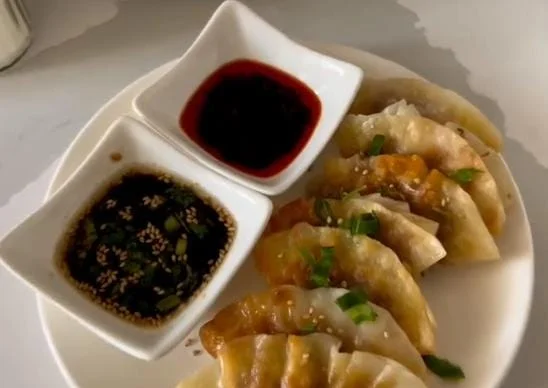
Step 1: Prepare the Mixing Bowl
Select a small bowl to keep flavors concentrated. Ensure it is clean and dry before adding ingredients. Pour the soy sauce into the bowl as the base of the sauce.
Step 2: Add Rice Vinegar and Sugar
Add rice vinegar and sugar to the soy sauce. Stir gently until the sugar fully dissolves. This step creates the foundational balance of salty, tangy, and lightly sweet flavors.
Step 3: Add Sesame Oil and Chili Oil
Drizzle in the sesame oil and chili oil. Stir gently to combine. The oils should distribute evenly, creating a slightly glossy surface.
Step 4: Incorporate Optional Aromatics
Add grated garlic and chopped green onions if using. Stir lightly to combine without overpowering the base flavors. Taste the sauce and adjust vinegar, sugar, or chili oil as needed.
Step 5: Rest Before Serving
Allow the sauce to rest for 5–10 minutes. This helps flavors meld and smooth out. Serve at room temperature or slightly chilled alongside freshly cooked gyoza.
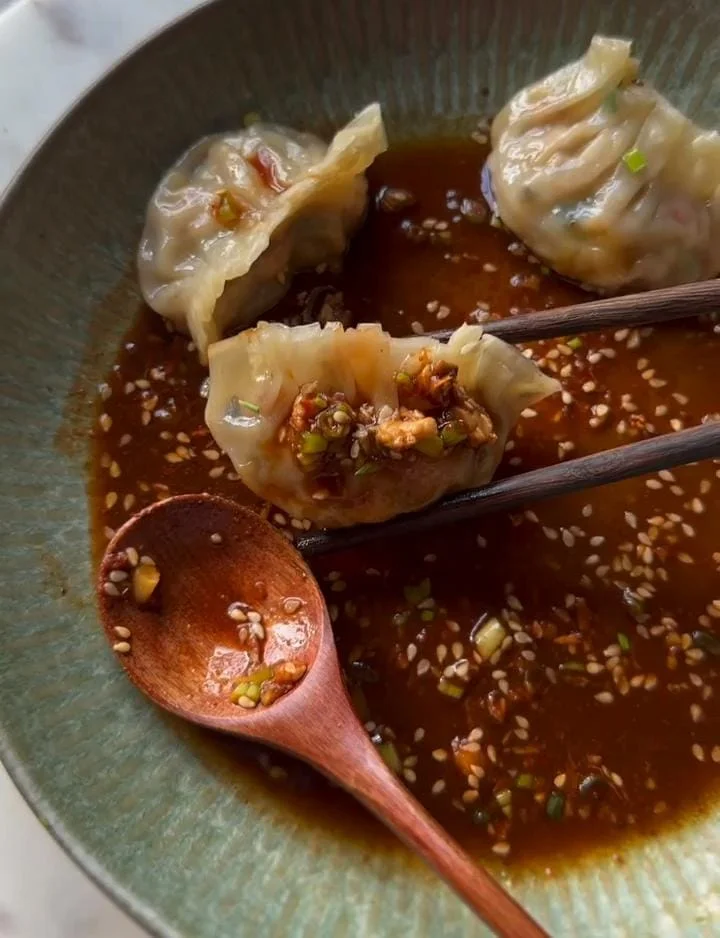
Healthy Habits When Making Gyoza Dipping Sauce
Making gyoza dipping sauce at home encourages healthier eating habits by giving you complete control over ingredients. Store-bought sauces often contain excess sodium, added sugars, and preservatives that can easily be avoided with a homemade version. Preparing the sauce fresh allows you to adjust flavors while keeping the recipe clean and balanced.
Choosing low-sodium soy sauce is one of the simplest ways to improve the nutritional profile of this recipe. It significantly reduces salt intake while still providing the essential umami flavor. This small change makes the sauce suitable for regular consumption without compromising taste.
Using natural sweeteners like a small amount of sugar or honey keeps sweetness subtle and controlled. Avoiding thick syrups or artificial sweeteners preserves the light texture that gyoza dipping sauce is known for. Keeping sweetness minimal ensures the sauce enhances dumplings instead of masking their flavors.
Adding fresh ingredients such as garlic and green onions improves both flavor and nutritional value. These ingredients contain antioxidants and natural compounds that support digestion and immune health. Using them in small amounts adds depth without overpowering the sauce.
Mindful portion use is another healthy habit. Gyoza dipping sauce is meant to lightly coat dumplings, not drown them. Using small dipping bowls helps manage sodium intake while still allowing you to enjoy the full flavor experience.
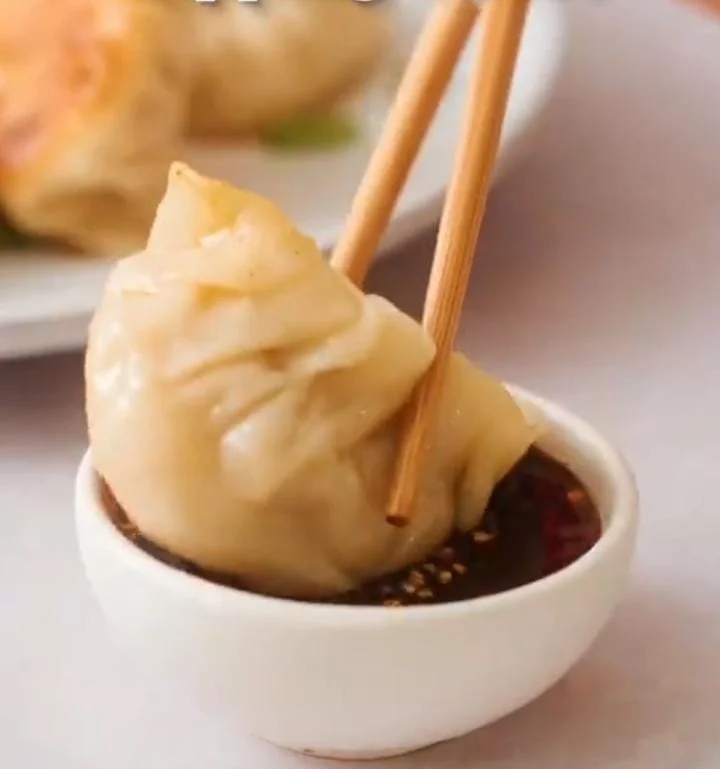
Tips for Perfect Gyoza Dipping Sauce
- Balance is key – always taste and adjust salt, acidity, and sweetness before serving.
- Use fresh rice vinegar – stale vinegar can dull the sauce’s brightness.
- Add sesame oil last – this preserves its aroma and prevents it from dominating.
- Keep the sauce thin – gyoza sauce should remain light and pourable, never thick.
- Let it rest briefly – even 5 minutes allows flavors to settle and smooth out.
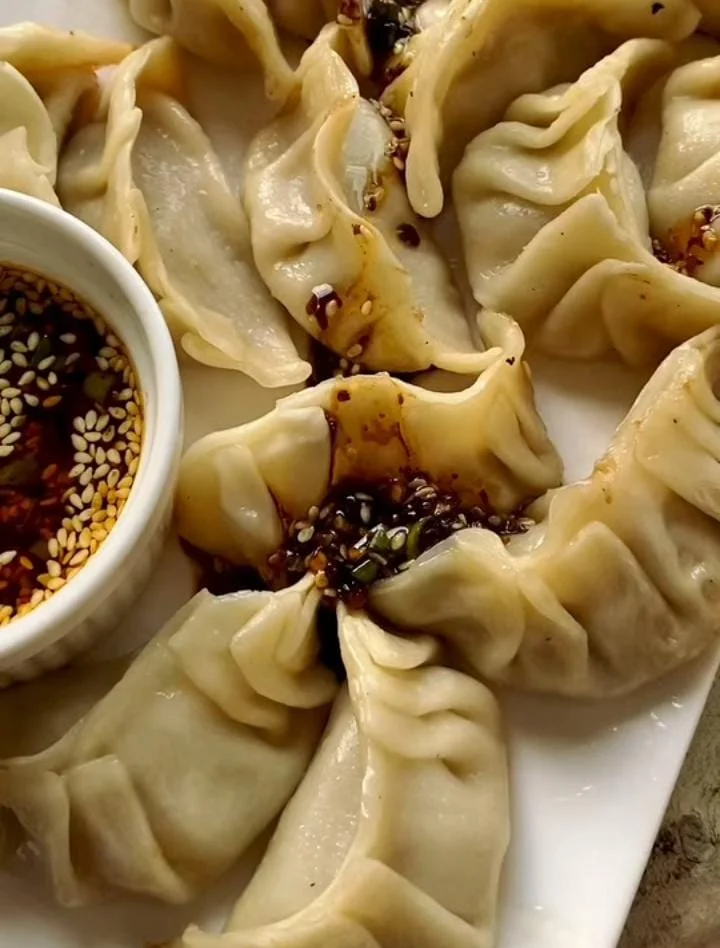
Common Mistakes to Avoid
One common mistake is using too much soy sauce without balancing it with vinegar. This results in an overly salty sauce that overwhelms the delicate flavor of gyoza. Always maintain a proper ratio to keep flavors harmonious.
Another mistake is overusing sesame oil. While aromatic, too much sesame oil can quickly overpower the sauce and mask the natural taste of the dumplings. Measure carefully and add gradually.
Adding too much sugar can turn the sauce syrupy and unbalanced. Gyoza dipping sauce should never taste sweet-forward. Sweetness should simply soften acidity and saltiness, not dominate the profile.
Skipping the resting step can result in a sharp-tasting sauce. Allowing the sauce to sit briefly helps the flavors meld and become smoother. This step is especially important when garlic or chili oil is used.
Using low-quality soy sauce or vinegar can significantly affect flavor. Choose reliable pantry staples to ensure consistent results every time.
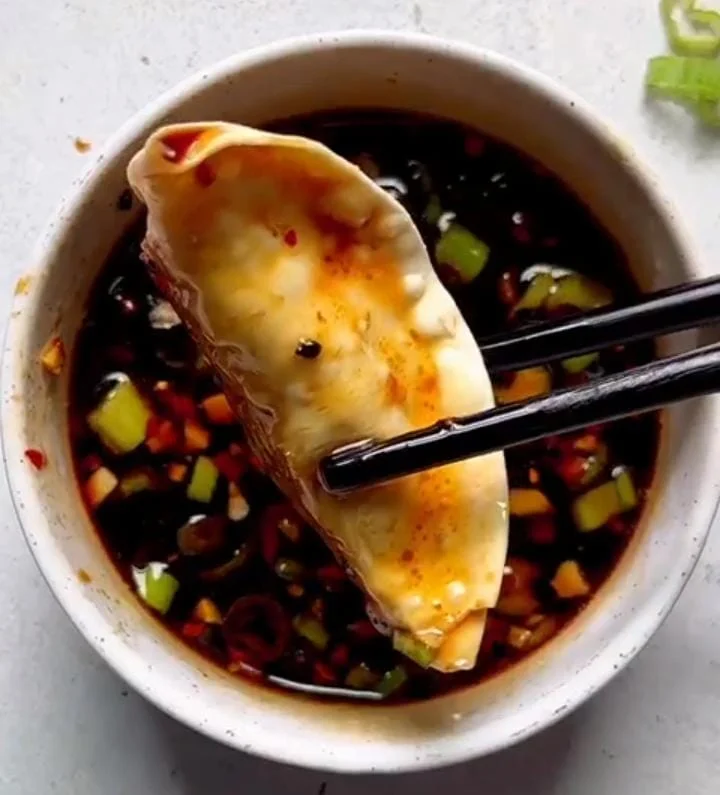
Storage and Shelf-Life
Gyoza dipping sauce stores well when kept in an airtight container in the refrigerator. It can be stored safely for up to 5 days without losing flavor. Always allow the sauce to cool before sealing if it was freshly prepared.
Before serving leftovers, stir gently to redistribute oils and seasonings. Sesame oil may rise slightly during storage, which is normal and easily corrected with a quick stir.
Avoid freezing this sauce, as separation may occur and affect texture. Because it contains no preservatives, always use a clean spoon to prevent contamination and extend freshness.
Enhancing Flavor and Texture
For added depth, a small amount of fresh grated ginger can be mixed in just before serving. Ginger adds warmth and complements both meat and vegetable-filled gyoza beautifully.
If you prefer mild heat, substitute chili oil with a few drops of chili paste. This adds spice without altering the sauce’s thin consistency.
A splash of citrus juice, such as yuzu or lemon, can brighten the sauce further and add a refreshing finish. This works especially well with steamed dumplings.
For texture contrast, finely chopped green onions or sesame seeds can be sprinkled on top just before serving. These additions improve visual appeal while maintaining balance.
Variations of Gyoza Dipping Sauce
Classic Japanese Gyoza Sauce
The classic Japanese version keeps the sauce simple and balanced, allowing the flavor of the dumplings to remain the star. This variation relies on soy sauce, rice vinegar, a small amount of sesame oil, and optional chili oil for gentle heat. The clean flavor profile highlights both pork and vegetable gyoza equally well.
To prepare this version, follow the base recipe exactly and avoid adding extra aromatics. Serve it at room temperature to preserve its light texture. This variation is ideal for traditional pan-fried gyoza and is commonly served in Japanese homes and restaurants.
Spicy Chili Gyoza Dipping Sauce
This variation is perfect for spice lovers who enjoy a bold kick with their dumplings. Extra chili oil or chili crisp is added to the base sauce, creating heat while maintaining balance. The spice enhances savory fillings without overpowering them.
To make this version, increase chili oil to 2 teaspoons and add a pinch of crushed red pepper flakes. Let the sauce rest for a few minutes before serving so the heat integrates smoothly. This sauce pairs especially well with meat-filled gyoza.
Garlic-Forward Gyoza Dipping Sauce
Garlic lovers will enjoy this variation, which adds deeper savory notes to the sauce. Fresh grated garlic intensifies aroma and complements the rich filling of dumplings. This version is bold but still balanced when garlic is used carefully.
Prepare by adding 1 teaspoon of finely grated garlic to the base sauce. Stir well and allow the sauce to rest briefly. This variation works best with pan-fried gyoza that have crispy bottoms and juicy centers.
Citrus-Enhanced Gyoza Sauce
This lighter variation focuses on freshness and brightness. Citrus juice such as yuzu, lemon, or lime replaces part of the rice vinegar, creating a refreshing finish that cleanses the palate between bites.
To prepare, substitute half of the rice vinegar with citrus juice. Stir gently and taste for balance. This sauce pairs beautifully with vegetable gyoza or steamed dumplings.
Sesame-Rich Gyoza Dipping Sauce
This version enhances the nutty profile of the sauce by increasing sesame elements. Extra toasted sesame oil and a sprinkle of sesame seeds create depth and richness without heaviness.
Add an additional ½ teaspoon of sesame oil and garnish with toasted sesame seeds. This variation pairs well with dumplings that contain mushrooms or tofu, adding warmth and complexity.
Serving Ideas and Pairings
Gyoza dipping sauce is traditionally served in small shallow dishes, allowing diners to dip each dumpling lightly. This prevents sogginess and ensures balanced flavor with every bite.
It pairs perfectly with pan-fried gyoza, steamed dumplings, and potstickers. The sauce enhances both meat and vegetable fillings without overpowering them.
Beyond dumplings, this sauce works well with spring rolls, wontons, and rice paper rolls. It can also be drizzled lightly over noodle bowls or used as a dipping sauce for grilled vegetables.
For a complete meal, serve gyoza with a side of steamed rice, miso soup, or a simple cucumber salad. The lightness of the sauce complements these sides and keeps the meal balanced.
When serving guests, offering multiple variations of the sauce allows customization and enhances the dining experience. Small adjustments in spice or acidity make the meal more interactive and enjoyable.
Final Conclusion and Wrap-Up
Gyoza dipping sauce is a simple yet essential component of enjoying dumplings to their fullest. Its balance of salty, tangy, and aromatic flavors enhances gyoza without masking their natural taste.
Making the sauce at home allows complete control over ingredients, sodium levels, and flavor balance. With just a few pantry staples, you can create a sauce that rivals restaurant-quality versions.
The variations included in this recipe demonstrate how adaptable gyoza dipping sauce can be. Whether you prefer classic, spicy, garlicky, or citrus-forward flavors, there is a version to suit every palate.
Proper preparation, resting time, and mindful ingredient use ensure consistent results. Small adjustments go a long way in creating a sauce that feels personalized and well-balanced.
This gyoza dipping sauce recipe is a versatile, timeless addition to any kitchen. Its simplicity, adaptability, and authentic flavor make it a reliable companion for dumplings, appetizers, and everyday meals alike.