Perfect Crispy Rice Recipe: How to Make Crunchy, Golden Rice Every Time
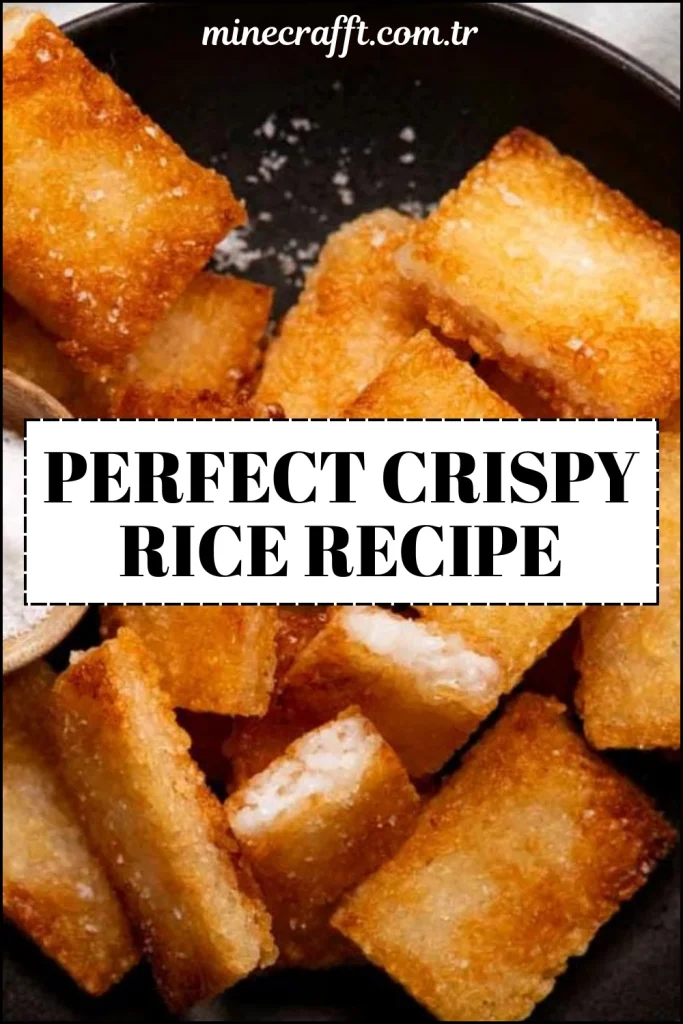
Crispy rice is one of those magical dishes that transform a humble ingredient — rice — into something unforgettable. It is rice cooked until the grains develop a golden-brown crust, either in a pan, skillet, or oven. Found in many cultures — from Persian tahdig, to Korean nurungji, to Latin American pegao — crispy rice carries global appeal. The contrast of soft, fluffy rice with the crunchy, toasty bottom layer makes it both satisfying and versatile.
This recipe focuses on the perfect crispy rice base, which can be enjoyed as a snack, side dish, or paired with toppings such as vegetables, meats, or sauces. It’s also naturally gluten-free, customizable, and nutrient-rich.
Also read: Chicken Nuggets Recipe
Nutritional Value of Crispy Rice (per 1 serving, ~150g)
| Nutrient | Amount | Benefit |
|---|---|---|
| Calories | 210 kcal | Provides energy for daily activities |
| Carbohydrates | 44 g | Main energy source |
| Protein | 4 g | Helps in repair and growth |
| Fat | 2 g | Enhances texture, flavor, satiety |
| Fiber | 1.8 g | Aids digestion and gut health |
| Iron | 1.2 mg | Supports red blood cell production |
| Magnesium | 17 mg | Good for nerves and muscle function |
This table shows that crispy rice, though simple, is packed with essential nutrients. Paired with proteins or vegetables, it can easily become part of a balanced meal.
Main Ingredients for Perfect Crispy Rice
The secret to excellent crispy rice lies in choosing the right ingredients, measuring them precisely, and understanding why each one matters.
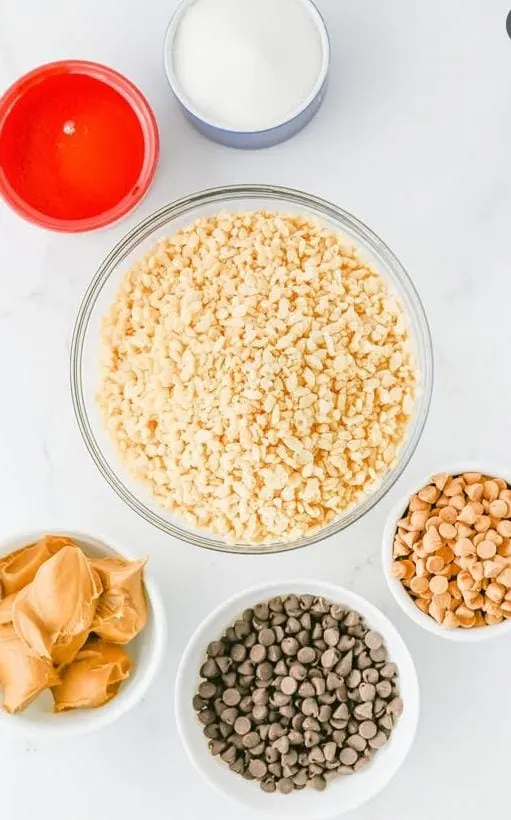
1. Long-Grain White Rice – 2 cups (400 g uncooked)
Long-grain rice such as Basmati or Jasmine works best. These varieties are less sticky, cook evenly, and crisp beautifully without clumping together. The grains remain distinct, which is essential for the desired crunchy effect. Short-grain rice tends to be starchier and creates a chewier crust, so for this recipe, long-grain is ideal.
2. Water – 4 cups (1 liter)
Water is the cooking medium that hydrates the rice. The ratio of rice to water is crucial; too little water leaves the rice undercooked, while too much water makes it mushy. The goal is fluffy, separate grains before crisping them in a pan.
3. Salt – 1 teaspoon
Salt enhances the natural flavor of the rice and prevents it from tasting bland. Without it, the crispy rice might seem plain, even with added toppings. You can use sea salt, kosher salt, or even Himalayan pink salt for a subtle mineral depth.
4. Olive Oil – 3 tablespoons
Olive oil not only prevents sticking but also helps create that golden, crispy crust. It imparts a slightly fruity aroma and healthy fats. Some cultures use butter or ghee for a richer flavor; both are valid substitutes depending on personal preference.
5. Optional Add-ins (for flavor)
- Garlic Powder – ½ teaspoon for savory notes.
- Paprika – ¼ teaspoon for smokiness and color.
- Sesame Oil – 1 teaspoon for Asian-inspired crisp rice.
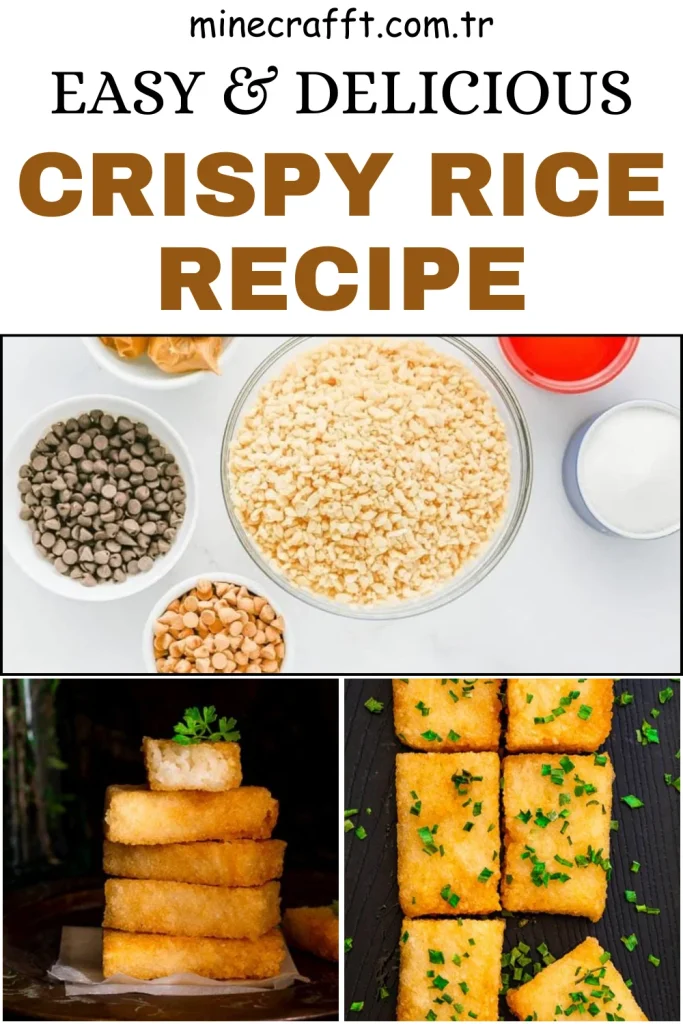
Total Yield of Recipe
This recipe produces about 4 servings (600–650 g of cooked crispy rice). Each serving offers around 210 calories, making it a wholesome base for meals or snacks.
How to Prepare Perfect Crispy Rice
Below, each step is explained in subheadings with clear, detailed instructions.
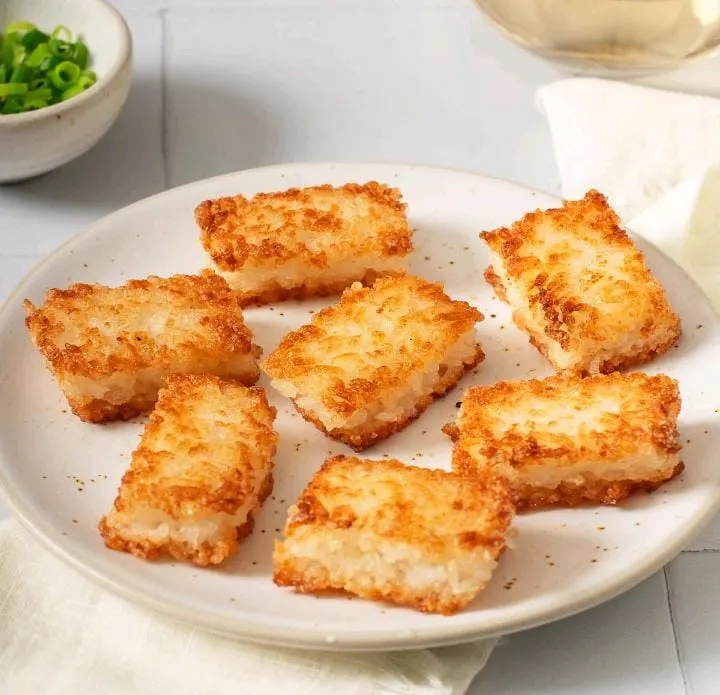
Step 1: Rinse the Rice Thoroughly
Place the rice in a large bowl and rinse under cold water. Swirl with your hand, pour off the cloudy water, and repeat at least 3–4 times until the water runs clear. This step removes excess surface starch, which prevents clumping and ensures a fluffy texture. If skipped, the rice may stick together, making it harder to crisp.
Step 2: Cook the Rice Until Fluffy
In a medium pot, add the rinsed rice, 4 cups of water, and 1 teaspoon of salt. Bring to a boil, then reduce heat to low, cover with a tight-fitting lid, and simmer for about 15–18 minutes. The rice should be tender but not mushy. After cooking, let it rest (covered) for 5 minutes so the steam finishes cooking the grains evenly.
Step 3: Fluff and Cool the Rice
Using a fork, gently fluff the rice to separate the grains. Spread it out on a baking sheet to cool for 10–15 minutes. Slightly cooled rice crisps better because the grains firm up, preventing sogginess when fried. Some people even chill the rice in the refrigerator for 30 minutes for an even better crust.
Step 4: Heat the Oil in a Skillet
Choose a heavy-bottomed skillet or nonstick pan. Add 3 tablespoons of olive oil (or butter/ghee for a richer option) and heat over medium-high until shimmering. Heating the oil properly is key — if it’s too cold, the rice will absorb the oil without crisping; if it’s too hot, the rice may burn before forming an even crust.
Step 5: Spread the Rice Evenly
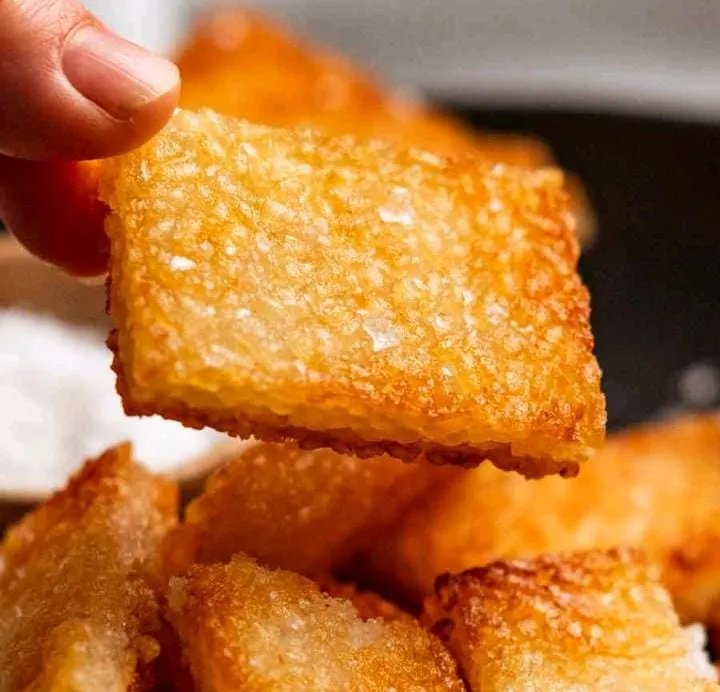
Add the cooked, cooled rice to the pan in an even layer, pressing down gently with a spatula to compact it. This helps form a cohesive golden crust. Do not stir — let the rice cook undisturbed. Allow it to crisp for 8–10 minutes, checking occasionally by lifting the edge with a spatula. The underside should turn golden brown and crunchy.
Step 6: Flip or Break into Pieces
Once the bottom is crispy, you can either flip the entire rice “cake” carefully or break it into chunks and crisp all sides. Both methods work — flipping gives you a single large crispy base (great for slicing), while breaking yields smaller crunchy bites (perfect for snacking or topping salads).
Step 7: Serve and Enjoy
Remove from heat and let cool slightly before serving. Crispy rice pairs wonderfully with dips, sauces, or toppings such as guacamole, tuna tartare, or spicy mayo. It can also be served as a crunchy side with stews, grilled meats, or roasted vegetables.
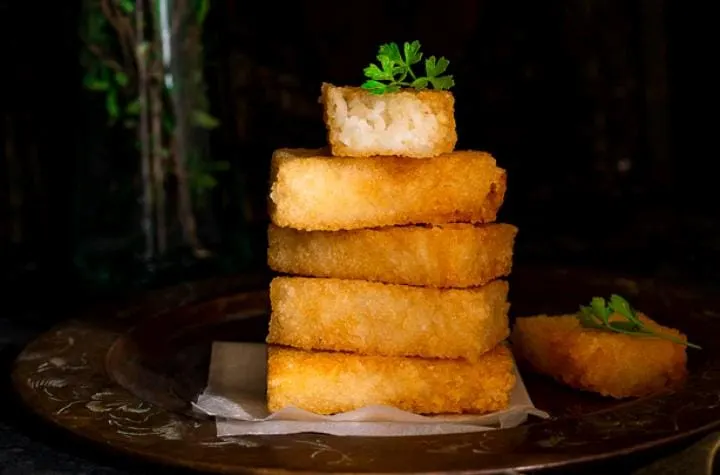
Healthy Habits with Crispy Rice
Balance Portion Sizes
Crispy rice, while delicious, is best eaten in moderate portions because of the added oil. A serving size of around one cup balances flavor with nutrition.
Pair with Protein and Vegetables
To make crispy rice part of a balanced meal, pair it with lean proteins (like grilled chicken, tofu, or fish) and vegetables. This creates a plate rich in fiber, vitamins, and minerals.
Choose Healthy Oils
Using olive oil or avocado oil instead of butter makes this recipe heart-healthy. For indulgence, butter or ghee can be used occasionally, but plant-based oils offer long-term benefits.
Expert Cooking Tips for Perfect Crispy Rice
- Use Day-Old Rice for Best Results
If you have leftover rice, it crisps even better than freshly cooked rice. The grains are drier, making it easier to achieve a crunchy golden crust without sticking. - Don’t Rush the Crisping Step
One of the most common mistakes is moving the rice too soon. Let the rice sit undisturbed in the pan for 8–10 minutes. The heat and oil will do the work to form a perfect crust. - Adjust the Heat Properly
Keep the pan at medium to medium-high heat. If it’s too high, the rice will burn before crisping. If too low, it will dry out instead of browning. A heavy-bottomed skillet distributes heat more evenly. - Add Flavor Oils for Variety
Infuse your oil with garlic, scallions, or even a pinch of saffron before adding rice. This small step deepens the flavor and adds a gourmet touch without extra effort. - Check the Edges
Use a spatula to gently lift the edge of the rice after 7–8 minutes. If the rice underneath is golden and crisp, it’s ready. If not, give it more time — patience ensures the best crust.
Storage and Reheating Advice
Refrigerating Crispy Rice
Once cooked, allow the rice to cool to room temperature before storing. Place it in an airtight container and refrigerate for up to 4 days. Keep the crispy portions separated with parchment paper to preserve their crunch.
Freezing Crispy Rice
If you want to freeze, cut the rice into portions or cakes, wrap them individually in parchment and plastic wrap, and store in a freezer bag. They can last up to 2 months this way.
Reheating Crispy Rice
- Skillet Method: Reheat in a lightly oiled pan on medium heat for 3–5 minutes per side until crispy again.
- Oven Method: Place on a baking sheet and reheat at 375°F (190°C) for about 10 minutes.
- Avoid Microwaves: Microwaving makes the rice soft and chewy, destroying the crunchy texture.
Serving Inspiration for Crispy Rice
As a Side Dish
Crispy rice pairs beautifully with grilled meats, roasted vegetables, or stir-fries. Its crunchy texture complements saucy or tender foods, creating balance on the plate.
As an Appetizer
Shape crispy rice into small squares or patties, top with spicy tuna, avocado, or smoked salmon, and serve as elegant bite-sized appetizers for parties. These are trendy, Instagram-worthy, and always a hit.
As a Snack
Break crispy rice into crunchy shards and season with paprika, garlic, or curry powder for a flavorful snack. It’s a healthier alternative to fried chips and can be enjoyed anytime.
In Soups or Broths
Inspired by Korean sungnyung, you can pour hot broth or soup over crispy rice to soften it slightly while keeping its toasted aroma. It adds depth and heartiness to light soups.
For Breakfast
Pair crispy rice with a fried egg, avocado, or sautéed greens for a wholesome and filling breakfast bowl. It’s a creative way to transform leftovers into a brand-new meal.
Variations of Crispy Rice
Variation 1: Persian Tahdig-Style Crispy Rice
In Persian cuisine, crispy rice is known as tahdig — often prepared with saffron-infused oil and sometimes layered with thin potato slices. The saffron gives it a luxurious golden color and delicate aroma. The potatoes beneath the rice become golden and crunchy, creating an additional texture.
To prepare this version, mix 1 teaspoon of ground saffron with 2 tablespoons of hot water and add it to the oil before adding rice. Press the rice gently, cover with a lid, and allow it to steam on low heat until the crust develops. The result is a rich, aromatic, and show-stopping crispy rice.
Variation 2: Korean Nurungji-Style Crispy Rice
Korean cuisine calls crispy rice nurungji, which is made by letting rice cook until the bottom sticks and browns in a pot. Traditionally, water is poured over the toasted layer afterward, creating a comforting tea-like broth called sungnyung.
To make this variation, allow cooked rice to continue cooking over medium heat in a heavy pot without stirring. Once golden and aromatic, scrape the rice crust gently and serve as is, or pour hot water over it for a soothing after-meal drink. This variation highlights simplicity and cultural tradition.
Variation 3: Crispy Rice Cakes with Toppings
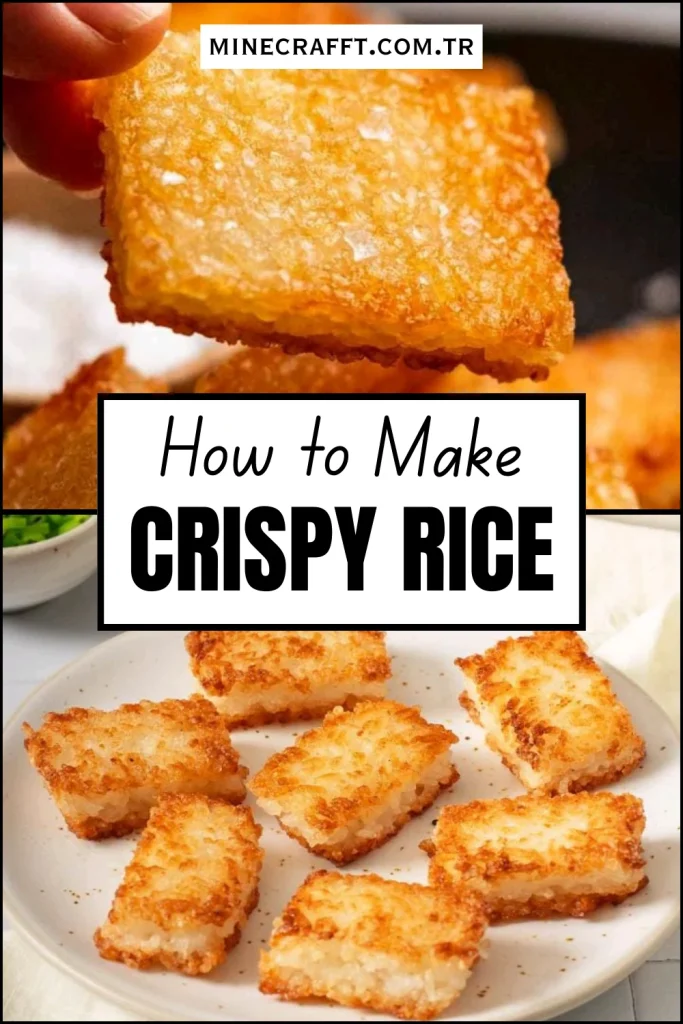
Another popular style is shaping crispy rice into small cakes or rectangles and topping them with flavorful ingredients. Sushi-style toppings like spicy tuna, avocado, or sesame make this variation a trendy appetizer.
To prepare, press rice into a greased pan, chill until firm, and cut into small squares. Pan-fry each piece until golden and top with your choice of toppings. This style is perfect for parties, snacking, or fusion cuisine presentations.
Variation 4: Spiced Crispy Rice Snack
For a snack-worthy version, season the rice with spices such as turmeric, paprika, or cumin before crisping. This transforms it into a crunchy, savory treat that can be eaten by hand.
Simply mix the cooled rice with the spices and spread it evenly in the pan. Let it crisp until golden, then break into chunks. This snack variation is perfect for tea time, road trips, or as a healthier alternative to fried chips.
Conclusion: Mastering the Art of Crispy Rice
Crispy rice is more than just a simple dish — it is a celebration of texture, flavor, and cultural tradition. From the golden saffron-infused tahdig of Persia, to the comforting nurungji of Korea, to the modern crispy rice bites topped with tuna or avocado, this recipe proves just how versatile rice can be. With just a handful of ingredients — rice, water, salt, and oil — you can transform an everyday staple into a dish that feels indulgent and gourmet.
The key lies in patience and technique: rinsing the rice thoroughly, cooking it until fluffy, cooling it slightly, and then allowing it to crisp undisturbed until golden. Once mastered, this method opens endless possibilities for variations and meal pairings. You can keep it simple as a snack, elevate it with toppings for parties, or pair it with proteins and vegetables for balanced meals.
Nutritionally, crispy rice provides energy, fiber, and essential minerals. When paired with healthy oils and nutrient-dense sides, it can easily become part of a wholesome diet. Practicing mindful portion sizes and experimenting with different cuisines ensures that this recipe remains both enjoyable and nourishing.
Ultimately, the beauty of crispy rice is in its adaptability. It is at once rustic and refined, traditional and modern, simple and endlessly creative. Whether you are recreating your grandmother’s tahdig, enjoying the warmth of sungnyung, or impressing guests with sushi-style rice bites, crispy rice always delivers comfort and delight. Master these steps, explore the variations, and you’ll have a timeless recipe that never goes out of style.