
Ultimate Creamy Potato Soup Recipe — Comforting, Healthy & Easy (Pinterest-Worthy)
Potato soup is the quintessential comfort-food bowl: warm, creamy, and satisfying. It combines simple pantry ingredients into a nourishing meal that can be dressed up or kept humble. This article explains what potato soup is, its nutritional highlights, step-by-step preparation, ingredient quantities for a reliable family-sized batch, healthy habits, and multiple thoughtful variations.
Whether you want a classic stovetop chowder, a lighter blended version, or a rich baked potato soup served in a bread bowl, the following guide will walk you through every detail with clear instructions and helpful tips. It is written to be accessible for beginners and useful for experienced home cooks who want to refine technique and understand how each ingredient contributes to flavor and texture.
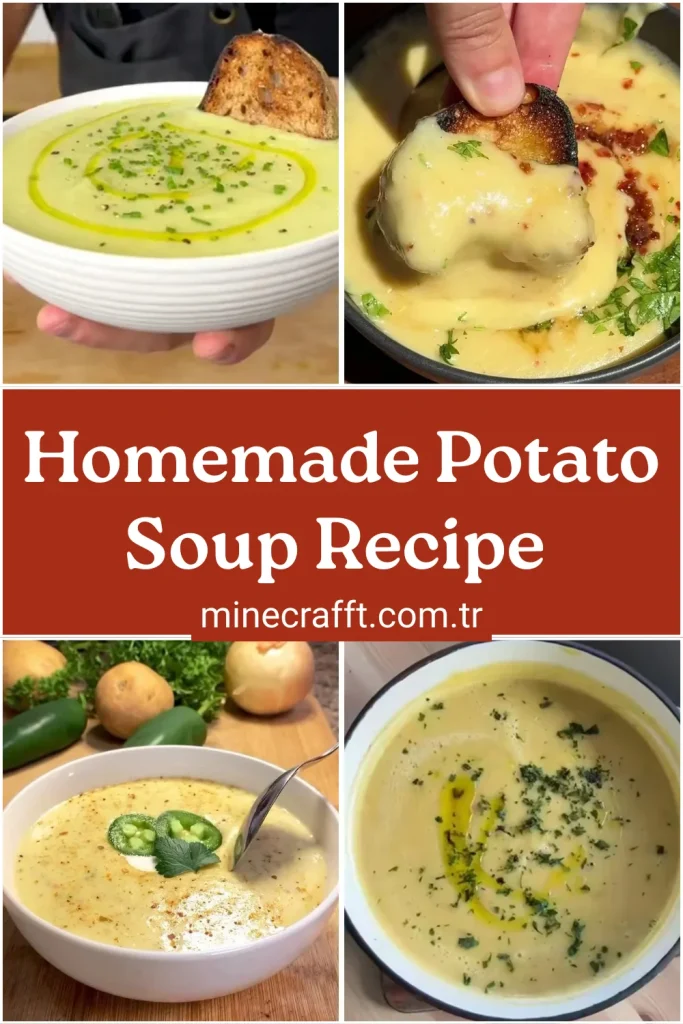
Also try: West African Egusi Soup
What is Potato Soup?

Potato soup is a broad category of soups where potatoes form the primary component, offering body, starch, and a creamy mouthfeel. Traditional versions often include aromatic vegetables such as onions, celery, and carrots; a liquid base of stock or milk; and sometimes smoked meat or bacon for added depth.
Styles vary by region: New England-style potato chowder is thick and chunky, while blended potato soup is smooth and velvety. Potato soup can be adapted to dietary needs — dairy-free, vegan, or low-fat — by substituting ingredients without losing the comforting essence of the dish.

Also try: Creamy Hungarian Mushroom Soup
Nutritional Overview
Potatoes supply complex carbohydrates, fiber (especially if skins are included), and important micronutrients such as vitamin C, potassium, and vitamin B6. When combined with milk or cream, the soup provides calcium and fat-soluble vitamins. Adding protein sources like chicken, ham, or legumes increases satiety and balances the meal.

Using olive oil instead of butter or opting for low-fat dairy can reduce saturated fat while preserving richness through technique. Homemade potato soup gives you control over sodium and additives common in pre-made versions, making it a healthier everyday choice when prepared thoughtfully.

Also try: Hearty Mediterranean Chickpea Soup
Main Ingredients (Quantities for 6–8 Servings)
Below are precise ingredient quantities for a classic, creamy potato soup that serves 6 to 8 people. Each ingredient is explained so you understand its role.
- Potatoes — 1.5 kilograms (about 3.3 pounds). Use Yukon Gold or Russet. Yukon Golds are slightly waxier and hold a pleasant texture for chunkier soup; Russets break down more and yield a creamier base when blended.
- Onion — 1 large (about 200 grams), finely diced. Onions form the aromatic base, adding sweetness and savory depth when sautéed.
- Celery — 2 stalks (about 100 grams), diced. Celery contributes subtle earthy flavor and aromatic balance without overpowering the potatoes.
- Carrot — 1 medium (about 70 grams), diced. Carrot adds gentle sweetness and color, rounding out the flavor profile.
- Garlic — 3 cloves, minced. Garlic deepens the savory character; add it after the onions to avoid burning.
- Unsalted butter — 60 grams (4 tablespoons). Butter is used for sautéing and enriches the soup with fat that carries flavor.
- All-purpose flour — 30 grams (2 tablespoons) optional. Flour creates a light roux to slightly thicken the broth for a silkier texture; omit for gluten-free versions or use cornstarch as an alternative.
- Chicken or vegetable stock — 1.5 liters (1500 ml). Stock provides the liquid foundation and savory depth; low-sodium stock is recommended so you can control salt.
- Whole milk — 500 ml (2 cups) or heavy cream — 250 ml for a richer finish. Choose based on desired creaminess and calorie content.
- Smoked bacon — 150 grams, chopped and cooked (optional). Bacon adds smoky umami and texture; use turkey bacon or smoked paprika for alternatives.
- Fresh thyme — 1 teaspoon, or 1 bay leaf. Herbs add a subtle aromatic layer that complements the potatoes.
- Salt and freshly ground black pepper — to taste, start with 1 teaspoon salt and ½ teaspoon pepper and adjust.
- Fresh chives or parsley — 2 tablespoons chopped, for garnish.
These quantities yield roughly 3.5 to 4 liters of soup depending on final evaporation and additions. The serving size per person is about 400–600 ml.
How to Prepare Potato Soup

The recipe below uses a classic method with optional blending for a smooth texture or leaving some chunks for a heartier chowder-style soup. Read all steps first, then begin.
Step 1 — Prepare Ingredients
Wash, peel (if desired), and dice potatoes into uniform 2–3 cm cubes to ensure even cooking. Finely dice the onion, celery, and carrot. Mince the garlic and chop herbs for garnish. If using bacon, chop it into small lardons.
Step 2 — Render Bacon and Sauté Aromatics
In a large heavy-bottomed pot, cook chopped bacon over medium heat until crisp. Remove bacon and set aside, leaving the rendered fat. If not using bacon, heat butter instead. Add diced onion, celery, and carrot to the hot fat and sauté over medium heat for 5–7 minutes until softened and translucent. Add minced garlic and cook for another minute.
Step 3 — Make a Light Roux (Optional)
Stir in flour and cook for 1–2 minutes to remove the raw taste. This step helps the soup thicken slightly. If you prefer a gluten-free option, skip the flour and continue with stock; you can thicken later with a slurry of cornstarch if needed.
Step 4 — Add Potatoes and Stock
Add diced potatoes to the pot and pour in the chicken or vegetable stock. Add the bay leaf or thyme and bring to a gentle boil. Reduce heat to a simmer and cook uncovered for 15–20 minutes until potatoes are tender when pierced with a fork.
Step 5 — Mash or Blend for Desired Texture
For a rustic soup: use a potato masher to partially mash some of the potatoes in the pot, creating body while keeping chunks. For a smoother soup: use an immersion blender to purée until almost smooth, leaving occasional small pieces for texture. Alternatively, transfer half the soup to a blender, pulse, and return.
Step 6 — Add Dairy and Finish Cooking
Stir in whole milk or cream gradually over low heat. Warm through without boiling to prevent curdling. Adjust seasoning with salt and pepper. If the soup is too thick, add additional stock or milk ¼ cup at a time until desired consistency is reached.
Step 7 — Add Cooked Bacon and Garnish
Stir in reserved crispy bacon pieces, saving a few for garnish. Remove bay leaf if used. Ladle soup into bowls and garnish with chopped chives or parsley and freshly ground black pepper. Serve hot with crusty bread or a light salad.

Healthy Habits and Serving Suggestions
Potato soup can be adapted to fit many dietary goals. Here are practical ways to enjoy this dish while keeping health in mind:
- Use low-sodium stock and control added salt to manage sodium intake.
- Substitute half-and-half or whole milk with unsweetened almond milk or low-fat milk to reduce saturated fat.
- Increase vegetable ratio by adding leeks, kale, or cauliflower for extra fiber and vitamins.
- Serve with a side salad and lean protein like grilled chicken to create a balanced plate.
- Control portions: keep servings to 350–500 ml and pair with lighter sides to avoid excess calories.

Variations of Potato Soup
Potato soup is endlessly adaptable. Below are detailed, easy-to-follow variations. Each variation is explained in two short paragraphs of five lines each for clarity and simplicity.
Variation 1 — Classic Creamy Potato and Leek Soup
Swap onions and carrots for two large leeks (white and light green parts only), thinly sliced. Sauté the leeks in butter gently until they are very soft and slightly sweet before adding potatoes and stock. Leeks impart a delicate, onion-like flavor that pairs beautifully with potatoes for a refined, smooth soup.
For texture, purée fully in a blender or use an immersion blender to achieve a silky finish. Finish with a splash of cream and a sprinkle of chives. Serve with croutons or a slice of toasted sourdough for a classic presentation.
Variation 2 — Loaded Baked Potato Soup
Make the soup heartier by incorporating shredded cheddar cheese, sour cream, and extra crispy bacon — everything you love about a baked potato in a spoonable form. After mashing or blending the potatoes, stir in 200 grams shredded cheddar and 150 grams sour cream, adding more milk if necessary to get the right consistency.
Top each bowl with extra bacon, green onions, and a small pat of butter or a sprinkle of smoked paprika. This version is indulgent and perfect for cold nights or casual gatherings. Pair it with a crisp green salad to cut through the richness.
Variation 3 — Vegan Potato and Cauliflower Soup
To make a vegan and lower-calorie version, replace butter with olive oil, use vegetable stock, and swap half the potatoes for cauliflower florets to reduce carbs and add creaminess when blended. Sauté onion, celery, and garlic in olive oil, then add potatoes, cauliflower, and stock and simmer until tender.
Blend the soup until smooth and finish with a swirl of coconut milk or unsweetened soy creamer for richness. Garnish with parsley and a drizzle of extra virgin olive oil. This variation delivers comfort without dairy and with added fiber and phytonutrients.
Variation 4 — Smoky Chipotle Potato Soup
For a bold, smoky spin, add one or two chipotle peppers in adobo sauce (finely minced) or 1–2 teaspoons chipotle powder during the sauté stage. The smoky heat complements creamy potatoes and pairs well with crisp bacon or roasted corn added as a topping. Add a squeeze of lime and chopped cilantro at the end to brighten the flavors.
This version balances heat, acidity, and richness and is excellent with tortilla chips or cornbread. Adjust the amount of chipotle to your heat tolerance and consider serving lime wedges on the side. It’s a popular choice for those who want a flavorful twist.
Ingredient Substitutions and Notes
- Potatoes: Yukon Gold for creaminess and a buttery flavor; Russet if you prefer a fluffier, starchier base. For lower carb, mix in cauliflower.
- Dairy: Replace heavy cream with evaporated milk for a lighter but still creamy finish; use plant-based milks for vegan variations.
- Thickening: Use cornstarch slurry (1 tablespoon cornstarch + 2 tablespoons cold water) instead of flour for gluten-free thickening.
- Flavor enhancers: Add a splash of white wine when deglazing the pan for a complex, savory note; finish with a teaspoon of Dijon mustard for tang.
Chef Tips for Best Results
- Cut potatoes uniformly to ensure even cooking and predictable texture.
- Cook potatoes just until tender; overcooking can make them grainy or gluey.
- For extra silky soup, remove a portion, blend until smooth, and then reincorporate rather than fully blending everything which can overwork potato starch.
- Temper dairy by adding a ladle of hot soup into cold milk before stirring it back in to avoid curdling.
- Taste and season gradually; potatoes absorb salt as they cook.
Storing, Reheating, and Freezing Potato Soup
Refrigeration: Cool soup to room temperature no longer than two hours after cooking, then store in airtight containers and refrigerate for 3–4 days.
Reheating: Reheat gently on the stove over medium-low heat, stirring frequently. If the soup thickens in the fridge, add a splash of stock or milk to loosen it. Avoid boiling after adding dairy to prevent separation.
Freezing: Potato soup with dairy may separate when frozen; to freeze, omit cream and instead freeze the soup base (potatoes, stock, aromatics). Thaw overnight and finish with fresh cream or milk while reheating. Freeze in portions for up to 3 months.
Estimated Nutrition Per Serving (Approximate)
Per 1 bowl (approx. 450 ml) of classic recipe with milk and some bacon: Calories: ~380–480 kcal depending on dairy and bacon amounts.
Protein: 8–12 g. Fat: 18–28 g (saturated fat varies with cream content). Carbohydrates: 40–55 g. Fiber: 3–5 g. Sodium: variable depending on stock and added salt.
These are estimates; use a nutrition calculator with your exact brands and quantities for precise measurements.
Frequently Asked Questions
Can I make potato soup ahead of time? Yes, flavors often improve after a day in the refrigerator. Reheat gently and add fresh herbs before serving.
Why is my potato soup grainy? This can result from overcooking or overblending potatoes; use partial mashing or blend only a portion to keep silkiness.
Can I freeze potato soup with cream? Freezing after adding cream may cause separation; freeze the base and add fresh dairy after reheating when possible.
How do I make it gluten-free? Skip the flour or use a cornstarch slurry; ensure stock and other additions are gluten-free.
Deep Dive: Ingredient-by-Ingredient Health and Flavor Notes
Potatoes: Potatoes are more than a starchy base; they carry flavor and texture while delivering vitamin C, potassium, and resistant starch when cooled. Choose potatoes based on desired texture: waxy varieties (Yukon Gold) hold shape, while starchy ones (Russet) break down and create a naturally creamy mouthfeel. Leaving skins on adds fiber and enhances color and nutrients. When storing potatoes, keep them in a cool, dark place away from onions to prevent spoilage.
Aromatics (Onion, Celery, Carrot, Garlic): These form the flavor backbone. Sautéing slowly in fat develops sweet, caramelized notes that deepen the soup’s savory profile. Onions contain quercetin, an antioxidant, while carrots add beta-carotene. If you are short on time, use shallots for a milder onion flavor or roasted garlic for a sweeter, mellow garlic presence.
Fat Choices (Butter, Olive Oil, Bacon Fat): Each fat imparts character. Butter adds a luxurious, creamy mouthfeel; bacon fat conveys smoky savory notes; olive oil keeps the flavor lighter and is a heart-healthier choice. Consider blending butter and olive oil during the sauté step to balance flavor and health.
Stock/Broth: Quality stock matters. Homemade stock adds depth and nuanced savory notes, while store-bought low-sodium stock is convenient. Chicken stock will give a richer, fuller background, while vegetable stock keeps the recipe vegetarian-friendly. If using bouillon cubes, dilute according to taste and mind the added sodium.
Dairy and Dairy Alternatives: Whole milk, half-and-half, or cream deliver varying mouthfeels. Use cream for an indulgent finish, whole milk for a balance, and plant-based milks for dairy-free diets — choose unsweetened, neutral-flavored options. For a tangy note, swirl in plain Greek yogurt at the end but avoid boiling once yogurt is added.
Serving Presentation and Pairings
Presentation elevates even humble soup. Serve in warmed bowls to retain heat. Garnish thoughtfully: a drizzle of high-quality extra-virgin olive oil or a pat of compound butter, a sprinkle of crunchy crispy bacon or roasted pumpkin seeds, and a scattering of fresh herbs create contrast. Offer crusty bread, sourdough slices, or warm corn muffins on the side for dipping.
For beverage pairings: a crisp white wine such as Sauvignon Blanc or a light-bodied Chardonnay complements creamy potato soup. For non-alcoholic options, herbal iced tea or a sparkling water with lemon works well. For heartier loaded versions, pair with a fuller-bodied beer or a robust red that can stand up to smokiness.
Batch Cooking, Scaling, and Meal Prep
Potato soup scales well. To double the recipe, use a larger stockpot and increase cooking time marginally. Cook potatoes fully but avoid overcooking during large batches by checking doneness earlier. For meal prep, portion into single-serve containers and refrigerate for up to four days. Freeze in individual portions for quick lunches; remember to add dairy only when reheating if you plan to freeze.
To reheat, use a gentle simmer and stir frequently. If the soup thickens, add a splash of stock or milk; if it tastes flat after refrigeration, brighten with a squeeze of lemon juice or a splash of vinegar before serving.
Advanced Techniques for Texture and Flavor
- Sweating aromatics: Cook aromatics without browning to release moisture and build flavor gradually for a cleaner profile.
- Roux vs. slurry: Choose a roux (flour cooked in fat) for a layered taste; choose cornstarch slurry for a quicker, gluten-free thickening.
- Potato texture control: Partially mash some potatoes and leave others intact to achieve a pleasing contrast between creaminess and chunks.
- Infused cream: Warm milk or cream with a sprig of thyme and a halved garlic clove, then cool and strain before adding to infuse subtle savory notes.
- Smoke and char: Finish with a pinch of smoked salt or a few drops of liquid smoke for a barbecue-like flavor without meat.
Cultural Notes and Recipe History
Potato soups have long been part of peasant and comfort cuisines worldwide because potatoes are inexpensive, filling, and adaptable. Varieties such as Irish potato soup, German kartoffelsuppe, and New England chowders all showcase regional differences — some favor dairy, others use smoked meats, and many incorporate local herbs.
Understanding these traditions can inspire creative twists, such as adding kielbasa for a Polish-inspired version or incorporating leek and cider for a Breton influence.
Allergy and Special-Diet Considerations
- Dairy-free: Use coconut cream or unsweetened almond milk and add nutritional yeast for a savory depth.
- Gluten-free: Omit flour or use a gluten-free flour blend or cornstarch slurry.
- Nut allergies: Avoid nut-based milks if serving guests with nut allergies; choose oat or rice milk instead.
- Lower sodium: Use low-sodium broth and no-salt-added bacon or skip cured meats entirely.
Final Thoughts and Encouragement for Experimentation
Potato soup rewards attention to small details: even sauté times, uniform cuts, and careful seasoning. Start with the base recipe and tweak incrementally — a pinch more thyme, a different potato variety, or a new garnish — and take notes.
Over time you will discover your preferred balance between creaminess, texture, and seasoning. This recipe is a springboard for creativity: adapt it for seasons, guests, and occasions. Whether you need a quick solo lunch, a comforting family dinner, or an elegant start to a multi-course meal, potato soup will always deliver warmth, satisfaction, and a sense of home.


