
Loaded Fries Recipe: Crispy, Cheesy, and Irresistible (Baked, Air-Fryer, or Deep-Fried)
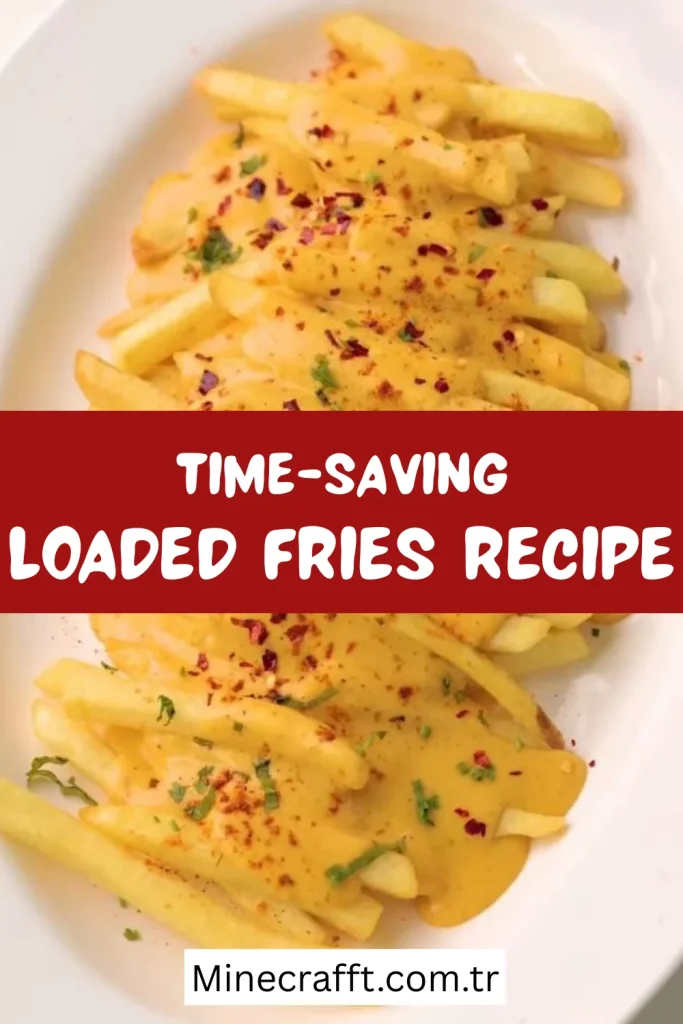
Loaded fries are a savory comfort-food dish consisting of a base of crispy potatoes topped with a variety of ingredients such as melted cheese, seasoned meats, sauces, pickled vegetables, and fresh herbs. They bridge the gap between casual snack and full meal, making them a popular party shareable, late-night craving, or casual weeknight indulgence.
What makes loaded fries especially appealing is their versatility: you can adapt toppings to dietary needs, regional flavors, or available ingredients. This guide covers everything from technique and ingredient roles to exact quantities, preparation methods, healthy swaps, variations, and troubleshooting so you can make loaded fries at home that deliver restaurant-level crunch and flavor.

Also try: 15 Potato Recipes
Nutritional Snapshot — What Loaded Fries Contribute to the Plate
A typical serving of loaded fries contains carbohydrates from the potatoes, protein from meats and cheese, and fats from cooking oil and dairy toppings. The calorie and macronutrient content varies widely depending on portion size, cooking method, and toppings; a restaurant-style plate can easily provide 800 to 1,200 kilocalories for a large portion, while a home-prepared shareable version can be moderated.
Potatoes supply vitamin C, potassium, and fiber when skins remain; cheese offers protein and calcium but also saturated fat. Proteins contribute B vitamins and iron when animal-based. Fresh garnishes—green onions, cilantro, and pickled vegetables—add vitamins, antioxidants, and acidity that help balance richness. Choosing baking or air-fryer methods, lean proteins, and vegetable-heavy toppings reduces saturated fat and increases fiber, creating a more balanced plate.
Also try: 15 Alfredo Pasta Recipes
Main Ingredients — What Each Ingredient Does and Exact Quantities (Serves 4)

Below are the primary components for a classic loaded fries recipe, with explanations and the exact quantity for the whole recipe. Quantities are chosen to yield a family-style plate for four servings.
Potatoes — The Crisp Foundation
Potatoes (Russet or Yukon Gold): 1.5 kg (about 3.3 lb), scrubbed and cut into 12–16 mm fries. Russets are high in starch and yield a fluffy interior with a crisp exterior; Yukon Golds have a creamier texture and hold together slightly better. Leaving some skin on increases fiber and texture contrast. The potato is structural: its starch and moisture profiles determine crispness and mouthfeel.
Cooking Oil — For Crisping and Browning
Neutral oil with a high smoke point (vegetable, canola, or peanut): 250–350 ml for deep-frying; 2–3 tablespoons for oven-baking or an oil spray for air-frying. Oil transfers heat and promotes Maillard browning, producing the golden color and crisp exterior associated with excellent fries. For healthier methods, use minimal oil or an air fryer to reduce fat.
Salt and Seasonings — Flavor Enhancers
Fine salt: 3 teaspoons total (2 tsp for parboil/seasoning and 1 tsp to finish). Additional seasonings: 1 teaspoon garlic powder, 1 teaspoon smoked paprika, 1/2 teaspoon freshly ground black pepper. Seasoning at multiple stages—during parboiling, after frying, and on the finished plate—ensures depth of flavor.
Cheese — Melting and Binding Toppings
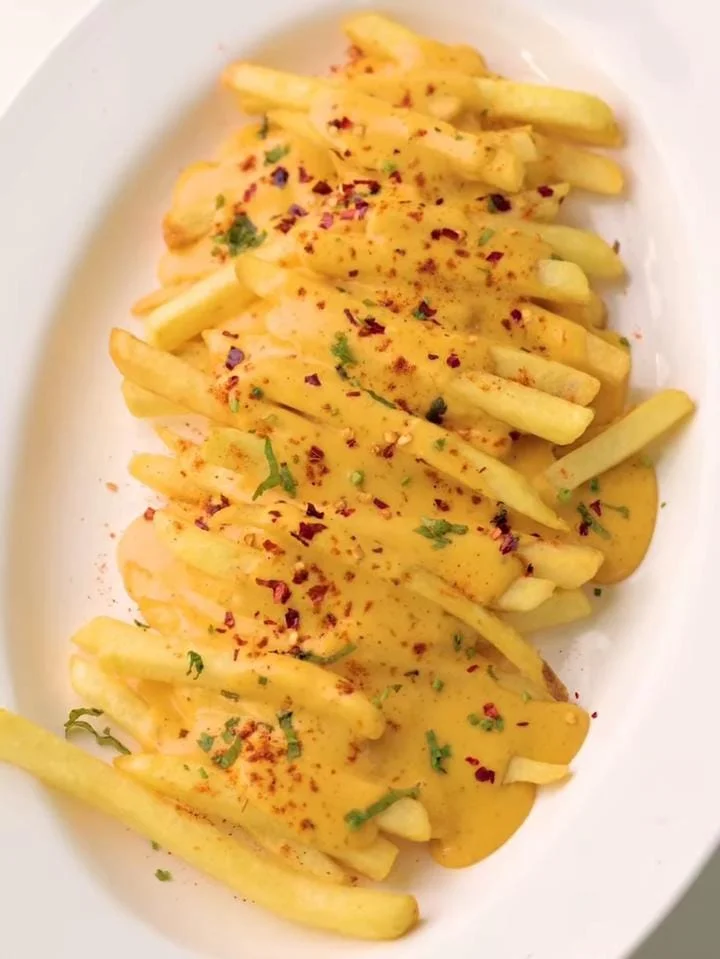
Shredded cheddar: 250 g (about 2 1/2 cups tightly packed), or a blend of cheddar and Monterey Jack for better melt. Cheese provides savory richness, fat, and meltable texture. Freshly shredded cheese melts best; pre-shredded cheese often contains anti-caking agents that hinder melting.
Protein Topping — Flavor and Substance
Bacon: 200 g (about 8 slices), cooked crisp and chopped. Alternatives: pulled pork (300 g cooked), seasoned ground beef (300 g cooked), grilled chicken (300 g), or plant-based crumbles (300 g) for vegetarian options. Protein adds savory depth and textural contrast. Pre-cook proteins to avoid soggy fries from excess moisture.
Sauces — Moisture, Tang, and Umami
Sour cream or Greek yogurt: 240 ml (1 cup) for dollops and tang. BBQ sauce: 60 ml (1/4 cup) for drizzling. Cheese sauce (optional): 30 g butter, 30 g flour, 300 ml milk, 150 g cheddar for a smooth pourable sauce. Hot sauce or sriracha: to taste. Sauces bind toppings and add contrasting flavors.
Fresh Toppings and Garnishes — Brightness and Texture
Green onions (scallions): 4 stalks, thinly sliced. Fresh cilantro or parsley: 15 g chopped. Pickled jalapeños: 60 g sliced (optional). Cherry tomatoes: 150 g halved (optional). These elements add color, acidity, and freshness to counterbalance richness.
Extras and Add-Ins
Cooked corn: 100 g, black beans: 150 g, guacamole: 150 g, or sliced avocado: 120 g for Tex-Mex style. Truffle oil: a few drops to finish for an upscale lift. Crispy fried onions add crunch when sprinkled on top.
Also try: Creamy Butter Beans
Exact Quantities for the Whole Recipe Summary (Serves 4)
- Potatoes: 1.5 kg
- Vegetable oil (deep-fry): 250–350 ml; for baking: 2–3 tbsp or spray
- Salt: 3 teaspoons total
- Garlic powder: 1 teaspoon
- Smoked paprika: 1 teaspoon
- Black pepper: 1/2 teaspoon
- Shredded cheddar cheese: 250 g
- Bacon or alternative protein: 200–300 g
- Sour cream or Greek yogurt: 240 ml
- BBQ sauce: 60 ml
- Green onions: 4 stalks
- Pickled jalapeños: 60 g (optional)
- Optional extras: corn, beans, avocado as listed above
How to Prepare Loaded Fries
Equipment and Prep (Mise en Place)
Gather a large pot, deep-fryer or heavy-bottomed pan if deep frying, baking sheets, wire racks, thermometer, tongs, slotted spoon, mixing bowls, and a sharp knife. Preheat your oven to 220°C (430°F) for baking. For an air fryer, preheat according to the manufacturer’s settings, typically 180–200°C. Line baking sheets with parchment or use a wire rack to promote airflow. Preparing all toppings before cooking the fries ensures quick assembly while everything is hot.
Cutting and Soaking the Potatoes
Cut the potatoes into uniform fries approximately 12–16 mm wide so they cook evenly. Soak cut potatoes in cold water for 30–60 minutes to remove excess surface starch; this prevents sticking and promotes crispness. For a quick method, rinse under cold running water until the water runs clear. After soaking, drain and dry thoroughly with a clean kitchen towel; surface moisture causes oil splatter and hinders crisping.
Parboiling or Blanching (Optional but Recommended for Crispness)
Bring a large pot of salted water to a boil and parboil the fries for 3–4 minutes until just tender but not falling apart. Parboiling sets the interior and reduces frying time, producing a lighter interior. Drain and spread fries on a tray to dry and cool; chilling for 15–30 minutes firms the exterior and improves final texture. This step is optional but improves consistency, especially for oven or air-fryer methods.
Deep-Frying Method for Ultimate Crispness
Heat oil to 160–170°C (320–340°F) for the initial fry. Fry parboiled or raw-cut potatoes in batches for 3–4 minutes until pale and slightly tender; remove to a rack. Increase oil temperature to 190–195°C (375–385°F) and fry batches again for 2–3 minutes until golden and crisp. Drain on a wire rack, season immediately with salt and spices while hot. Double-frying is the classic technique for restaurant-style crunch and a fluffy interior.
Baking Method for Healthier Crispy Fries
Toss thoroughly dried fries with 2–3 tablespoons oil, garlic powder, smoked paprika, salt, and pepper. Spread in a single layer on a parchment-lined sheet pan and bake at 220°C for 25–35 minutes, flipping halfway, until deep golden and crisp. Use a convection setting if available to improve airflow and crisping. For an extra-crisp finish, transfer to a hot cast-iron skillet briefly or broil for 1–2 minutes, watching closely to avoid burning.
Air-Fryer Method for Fast, Low-Oil Results
Preheat the air fryer and arrange fries in a single layer or slight overlap for even cooking. Lightly spray oil over the fries, season, and air-fry at 190–200°C for 12–18 minutes, shaking the basket occasionally until golden and crisp. Smaller batches crisp more evenly; cook in two rounds for the best texture. Air fryers are an excellent compromise between crunch and reduced oil usage.
Preparing Toppings and Protein
While fries cook, prepare toppings. Cook bacon until crisp, then drain and chop. For ground beef or pulled chicken, season and cook until fully done; add BBQ sauce if making a BBQ-style topping. For cheese sauce, make a roux with butter and flour, gradually whisk in milk, then stir in shredded cheddar until smooth. Prepare guacamole, chop green onions, and arrange pickled jalapeños and tomatoes so assembly is quick and organized.
Assembling the Loaded Fries
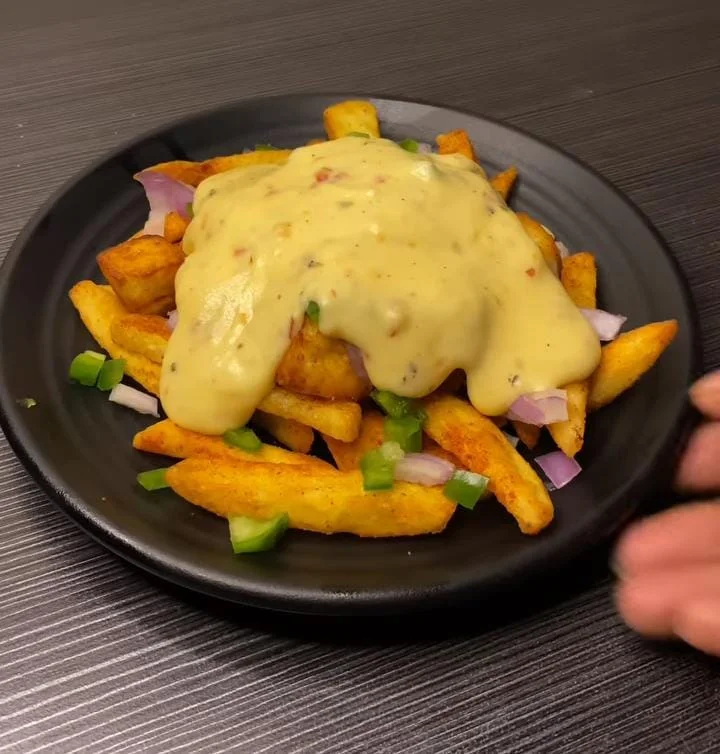
Spread hot fries on a sheet pan or in a large serving dish. Sprinkle half the shredded cheddar over the fries and place under a broiler or in a hot oven for 1–3 minutes until cheese melts. Remove and add protein, bacon, corn, or beans as desired. Drizzle with BBQ sauce or cheese sauce and dollop sour cream or Greek yogurt across the top. Finish with sliced green onions, cilantro, and pickled jalapeños. Serve immediately for best texture; provide extra sauces at the table.
Serving and Presentation
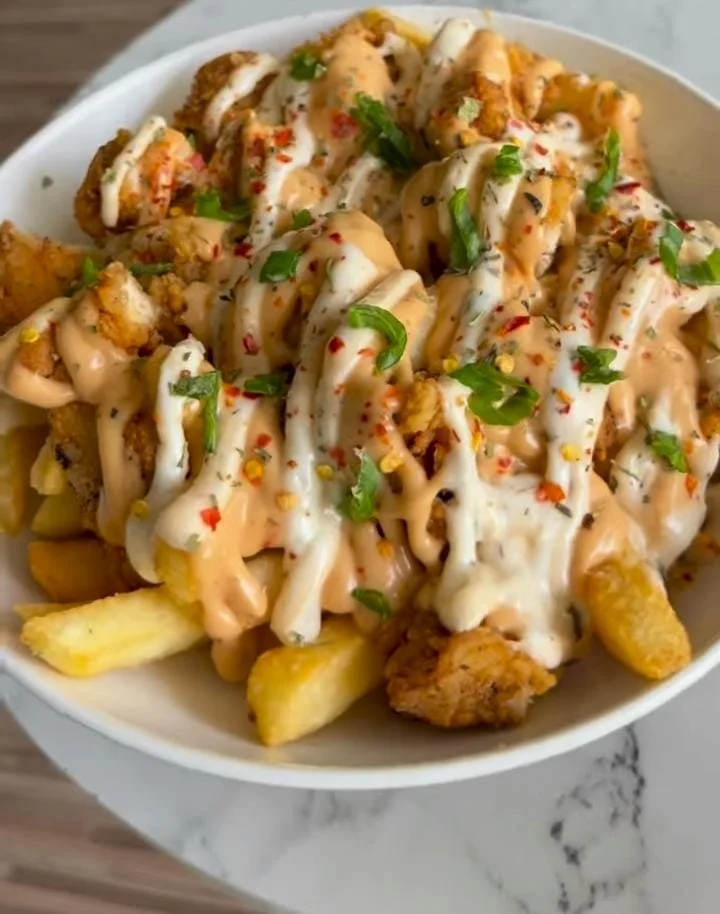
For a party or sharing platter, arrange fries on a wooden board or large shallow dish, topping in sections for variety. Garnish with microherbs, a sprinkle of chili flakes, or a squeeze of fresh lime for brightness. Provide small bowls of extra sauces for dipping. When plating individual portions, use ramekins for au jus or extra dips to keep fries from becoming soggy.
Tips for Perfect Texture and Flavor
- Dry potatoes completely after soaking to avoid oil splatter and soggy fries.
- Use a thermometer to maintain stable oil temperatures for consistent frying.
- Season immediately after frying to help salt adhere to the crispy surface.
- Freshly shred cheese melts more smoothly than pre-shredded varieties.
- Assemble just before serving to keep fries crisp; avoid pre-saucing large batches.
Healthy Habits — Making Loaded Fries Smarter

Loaded fries can be enjoyed occasionally as part of a balanced diet by making simple swaps. Choose oven-baked or air-fried fries to cut added fat. Use Greek yogurt instead of sour cream to increase protein and reduce saturated fat. Add more vegetables—bell peppers, tomatoes, onions, and leafy greens—to increase fiber and micronutrients. Limit processed meats and use grilled chicken, turkey bacon, or legumes as protein for less saturated fat. Control portion sizes by sharing plates and pairing fries with a large salad to increase vegetable intake and reduce the temptation to overeat.
Variations — Flavorful Twists
BBQ Pulled Pork Loaded Fries

BBQ Pulled Pork Loaded Fries use tender shredded pork slow-cooked in barbecue sauce piled atop crispy fries. The pork should be well-seasoned and simmered until it flakes easily; combine with a smoky-sweet barbecue sauce and reheat gently before arranging over the fries. Scatter pickled red onions and chopped cilantro across the top for brightness and a counterpoint to the sauce’s sweetness. The combination of crunchy fries and tender pork creates a pleasing textural contrast that makes this version very satisfying for sharing.
For optimal results, prepare pulled pork in advance using a slow cooker or pressure cooker, shred, and store in its sauce to keep moist. When assembling, warm the pork before topping hot fries and add a drizzle of extra barbecue sauce if the pork has been stored dry. Add corn kernels and a small dollop of sour cream to round flavors. Serve with lime wedges to add an acidic lift that cuts through the richness.
Chili Cheese Loaded Fries
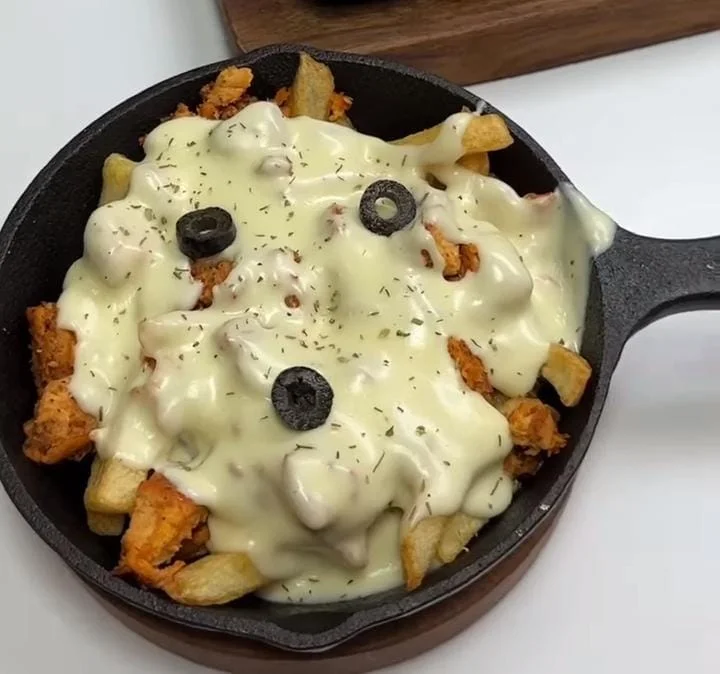
Chili Cheese Loaded Fries are a classic comfort option where a rich chili is ladled hot over fries then topped with shredded cheddar and scallions. Make a robust chili using ground beef or a vegetarian bean base; simmer until thickened to avoid making the fries soggy. Spoon chili generously over the fries and melt the cheese under a broiler, then finish with a spoonful of sour cream and chopped fresh tomatoes for contrast. These fries are warming and very filling, ideal for cold nights or game-day gatherings.
To adjust the chili’s heat level, control the amount of chili powder and add jalapeños for extra spice, or tone it down for kids by reducing hot spices. A touch of cocoa powder or a small square of dark chocolate adds depth to the chili without making it sweet. Serve with cornbread or a simple slaw to add a textured side and help balance the meal.
Greek Style Loaded Fries with Tzatziki

Greek Style Loaded Fries are topped with lemony grilled chicken, tzatziki, diced tomatoes, red onion, kalamata olives, and crumbled feta. Season fries with oregano and garlic before baking to infuse Mediterranean aromas. Grill chicken marinated in olive oil, lemon, and oregano, then slice into strips and layer over the fries. Dollop tzatziki generously and garnish with fresh dill for a bright finish that complements the salty feta.
This lighter approach increases vegetable content and offers a refreshing balance to the fries’ richness. Substitute grilled halloumi or roasted eggplant to make it vegetarian while keeping robust flavors. Serve with lemon wedges and a crisp Greek salad to create a themed meal that feels lighter yet satisfying.
Vegan Nacho Loaded Fries
Vegan Nacho Loaded Fries use a creamy cashew cheese sauce, seasoned black beans, pico de gallo, and guacamole to mimic classic nacho toppings without dairy or meat. Soak cashews and blend them with nutritional yeast, lemon, garlic, and water until smooth to create a cheese-like sauce; heat gently and adjust thickness with water. Top baked or air-fried potatoes with beans and sauce, then add fresh pico and sliced avocado. These fries offer fiber and plant protein while retaining bold nacho flavors.
Enhance texture with crushed corn tortilla chips or roasted pumpkin seeds for crunch. Use smoked paprika and cumin in the cashew sauce to mimic cheddar-like depth. Serve with lime wedges and a side of pickled onions for acidity. This version is perfect for vegans and anyone looking to reduce animal products while enjoying an indulgent snack.
Truffle Parmesan Loaded Fries (Gourmet)
Truffle Parmesan Loaded Fries elevate the dish with a drizzle of truffle oil, grated Parmigiano-Reggiano, and flaky sea salt over freshly fried potatoes. Toss fries in a light coating of melted butter or oil, then sprinkle grated Parmesan while hot to encourage adherence. Finish with a few drops of truffle oil and minced parsley, using truffle sparingly as it is very potent. This version turns fries into a refined starter or shareable appetizer for dinner parties.
Pair these fries with a lemony aioli or roasted garlic dip to add acidity and creaminess that echo the cheese’s saltiness. Serve alongside sparkling wine or a crisp lager to cut through the richness. For an earthy twist, add sautéed wild mushrooms and a sprinkle of thyme.
Breakfast Loaded Fries with Eggs and Bacon
Breakfast Loaded Fries become a morning feast when topped with crisp bacon, sautéed peppers and onions, melted cheese, and a runny egg. Prepare fries and add cheese under the broiler to melt; top with cooked breakfast meats and finish each portion with a sunny-side-up egg. The yolk acts as a velvety sauce, uniting the components and adding richness. Garnish with sliced chives and a sprinkle of black pepper for a brunch-worthy plate.
To make a lighter breakfast version, substitute turkey bacon or smoked salmon and use poached eggs for less added fat. Add sautéed spinach or tomatoes to increase vegetable servings. These fries are a creative weekend option that combines breakfast flavors with snack-like appeal.
Storage and Reheating
Leftover fries will soften in the refrigerator; store them separately from wet toppings for up to two days to preserve texture. Reheat fries in an oven or air fryer at 190°C (375°F) for 5–10 minutes to restore crispness rather than using the microwave. For leftover assembled loaded fries, remove cold toppings and reheat the base and proteins separately, then reassemble to avoid sogginess. Sauces and dips store well in sealed containers in the fridge for 3–4 days; reheat gently before using.
Troubleshooting Common Issues
Soggy fries are the most common problem: ensure potatoes are thoroughly dried after soaking, avoid overcrowding during frying or baking, and maintain oil temperature to prevent steaming instead of crisping.
If cheese does not melt evenly, use a moister cheese or a smooth cheese sauce and place fries under a preheated broiler briefly. For uneven cooking, check that cuts are uniform and rotate pans during baking. If toppings taste flat, adjust salt, acid (like lime or vinegar), and fresh herbs to brighten flavors. For excessive greasiness, blot fried components on a rack instead of paper towels to keep them crisp while draining oil.
Pairings and Serving Suggestions
Loaded fries pair well with crisp salads, pickled vegetables, and refreshing beverages to balance richness. Offer a bright green salad with lemon vinaigrette or pickled slaw to add acidity and crunch. For beverages, consider craft beer, dry sparkling water with citrus, or iced tea. These pairings help cut through the richness of fries and leave a refreshed palate. For group settings, set up a build-your-own loaded fries bar with several proteins, sauces, and garnishes for guests to personalize their plates.
Nutrition-Focused Modifications and Allergen Alternatives
To reduce saturated fat, use lean proteins such as grilled chicken or turkey bacon and choose Greek yogurt instead of sour cream. Make fries from sweet potatoes for additional vitamin A, though they brown faster and require careful timing. For gluten-free diets, ensure sauces and processed toppings are certified gluten-free and use gluten-free breadcrumbs if adding crunchy coatings.
For dairy-free versions, substitute cashew-based cheese or coconut-based creams. Reduce sodium by relying on herbs, citrus, and vinegars for flavor instead of large amounts of salt. Increase vegetable portions and serve fries as a shared appetizer rather than the main course to control portions.
Final Thoughts and Recipe Summary
Loaded fries are an endlessly adaptable dish that can be tailored to tastes, occasions, and dietary needs. Mastering the base—well-prepared crispy fries—allows you to layer on flavors and textures with confidence. Use the recipe quantities provided for a family-style portion and scale down for smaller servings. With careful preparation, loaded fries can be an occasional indulgence that still fits within a balanced approach to eating.
Experiment with the variations in this guide to discover favorite combinations and refine technique. Enjoy creating loaded fries that reflect your personal taste; small technique tweaks make big differences in texture and flavor. Share with friends and iterate: swap ingredients, adjust spices, and keep notes so each batch improves. Food is both science and joy—have fun and savor the process and enjoy every bite.