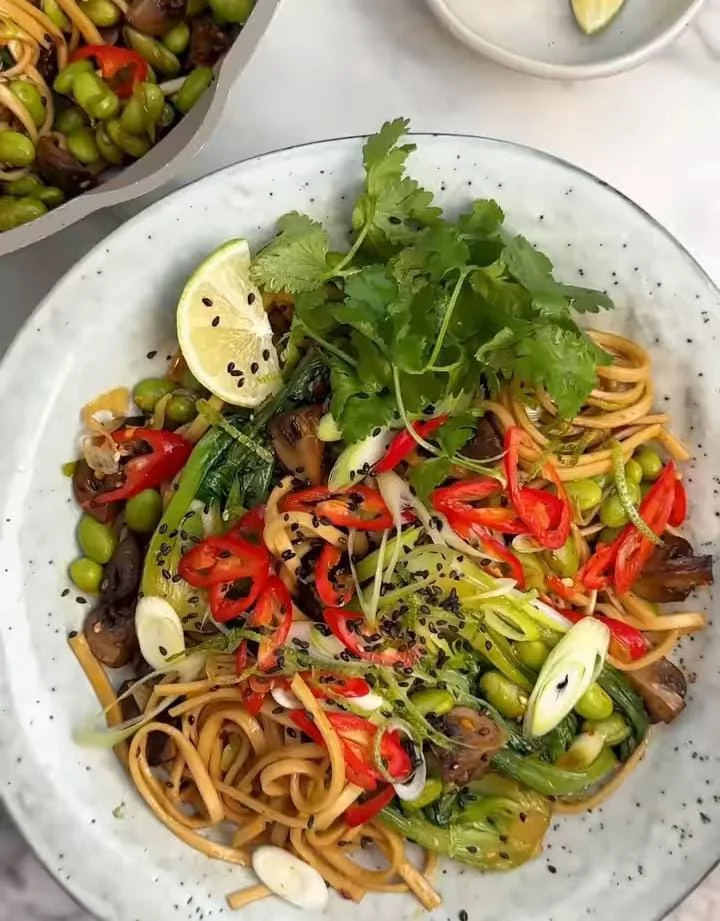
Chinese Green Beans Recipe: Crispy Stir-Fried Green Beans with Savory Garlic Szechuan Touch
Chinese green beans are a vibrant, crunchy side dish that combines crisp-tender green beans with bold garlic, a hint of sesame, and a savory soy-based sauce. This recipe delivers restaurant-style texture at home: blistered, slightly charred beans with a fragrant, umami-packed coating. It’s a versatile recipe that works as a side for weeknight dinners, a vegetable-forward main for plant-based meals, or as part of a larger Chinese-inspired spread.
Below I will walk you through what this dish is, why the technique matters, the precise ingredient quantities and their roles, step-by-step preparation in subheadings, healthy habits for pairing and portioning, several easy-to-follow variations, and practical storage and reheating tips. The instructions are written to be clear and human-friendly so you can reproduce consistent results and customize the dish to your taste.
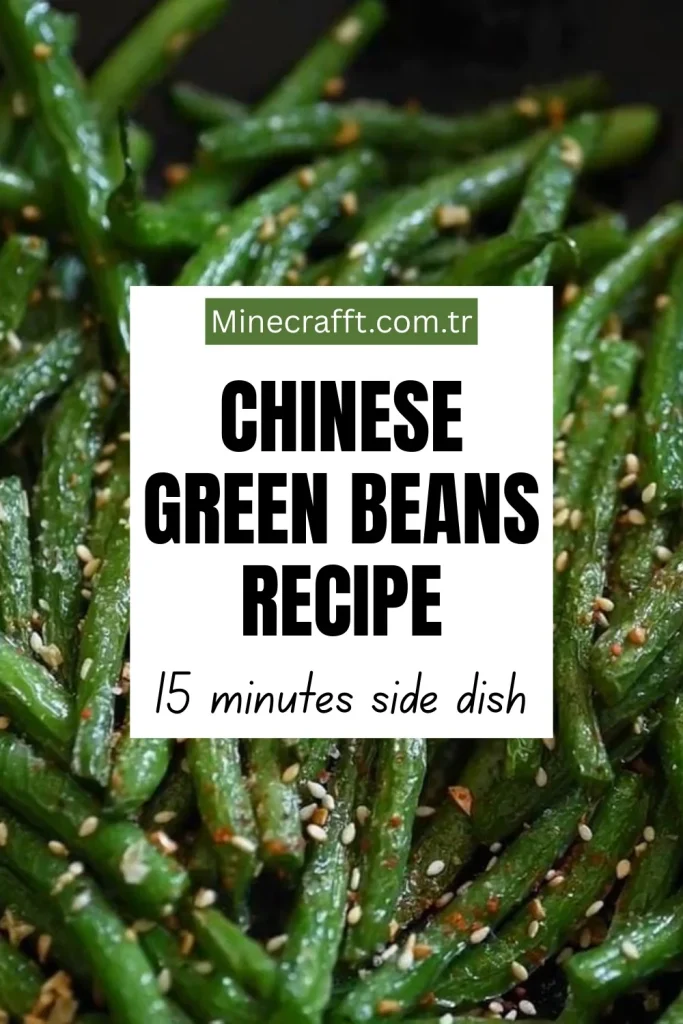
What is Chinese Green Beans?
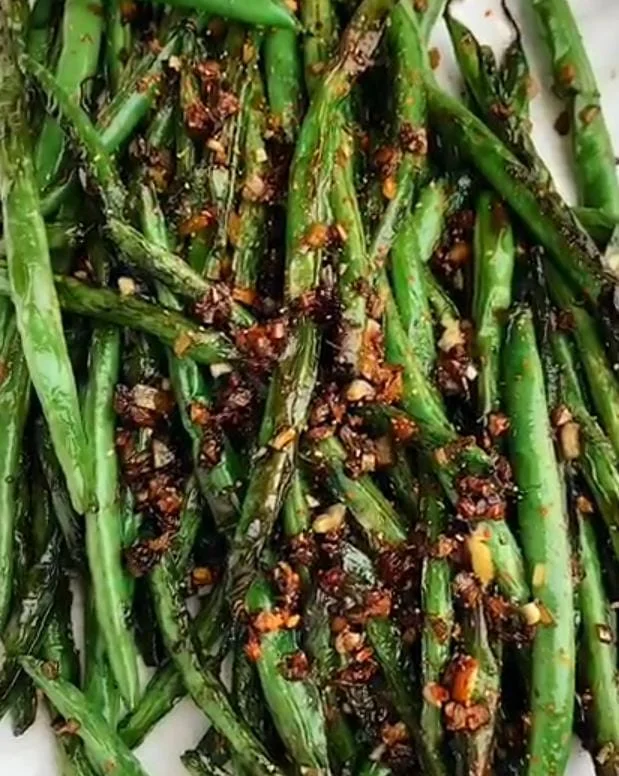
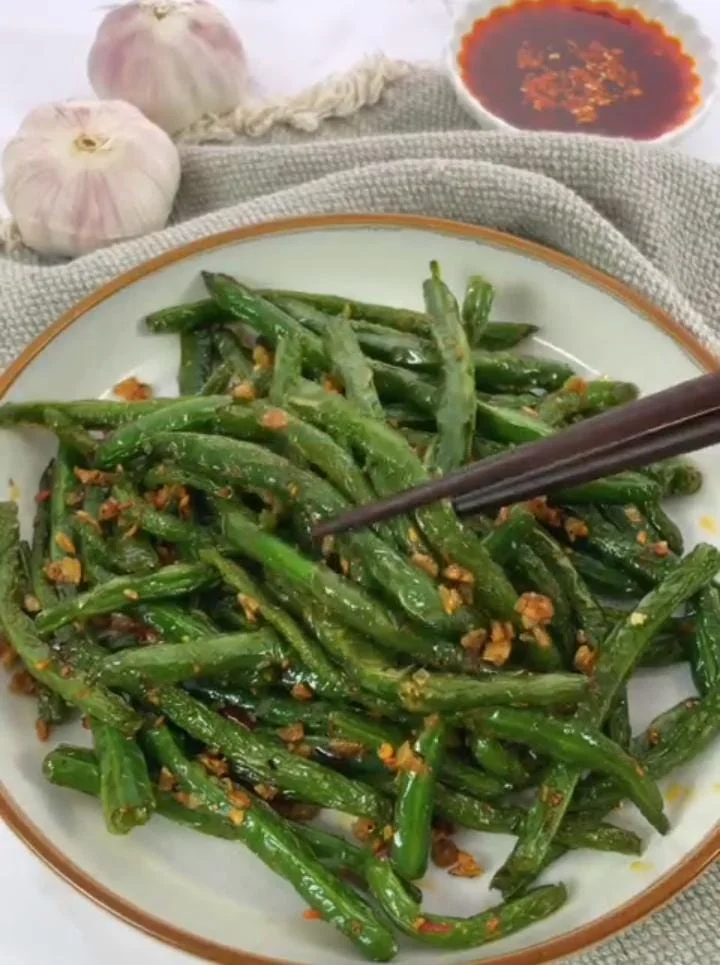
Chinese green beans (a common restaurant favorite) are a stir-fried vegetable dish featuring fresh green beans quickly cooked at high heat to achieve blistering and partial charring while keeping a crunchy interior.
The technique emphasizes quick, intense heat, minimal oil, and short cooking times so that the beans maintain brightness, texture, and a touch of smoky flavor. Typical seasonings include garlic for aromatic backbone, soy for salt and umami, a touch of sugar for balance, and toasted sesame oil for finishing aroma. The result is a simple yet flavorful vegetable dish that can anchor a meal or complement richer proteins.

Nutritional Highlights and Why This Dish Is Healthy
Green beans are low in calories and high in dietary fiber, which supports digestive health and satiety. They are a good source of vitamins—especially vitamin C and vitamin K—along with folate and manganese. When prepared with modest oil and without heavy frying, this dish remains relatively light while providing phytonutrients and plant-based protein.
Garlic contributes sulfur-containing compounds such as allicin, associated with cardiovascular support and antimicrobial properties in some studies. Using a small amount of toasted sesame oil at the end boosts aroma without adding excessive saturated fat. Replacing light soy with low-sodium tamari or reducing added salt can keep sodium within recommended levels.
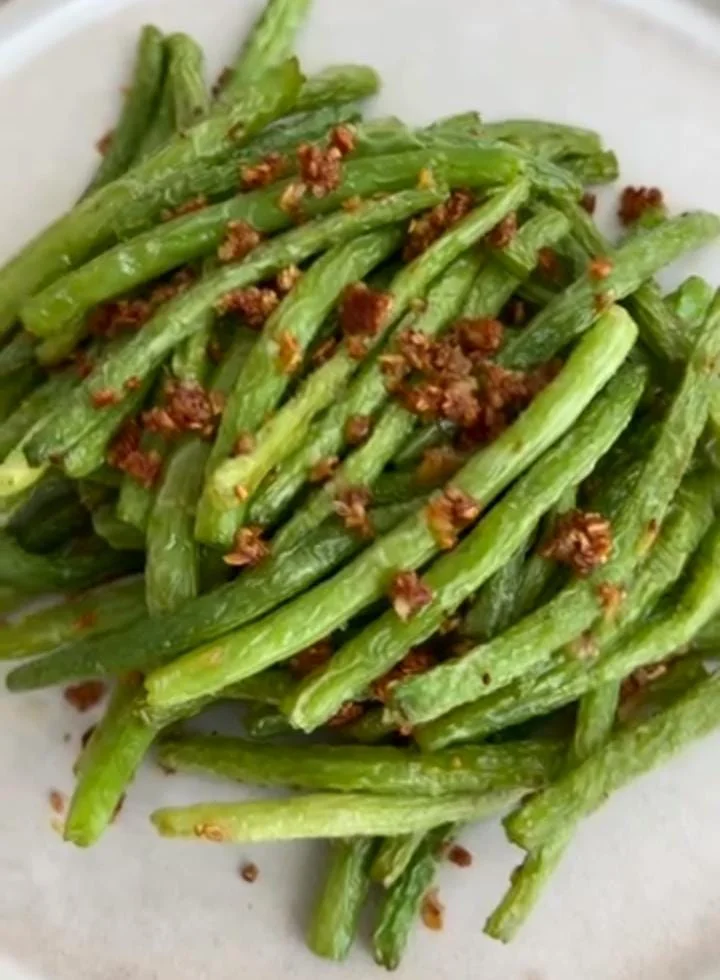
Also try: Red Lobster Biscuits
Main Ingredients — Full Explanation and Exact Quantities
Below is a complete ingredient list for a recipe that yields about 4 servings as a side or 2 servings as a main when paired with grains or protein. Quantities are precise and include metric and imperial conversions. Each ingredient’s role is explained so you understand why it is included.
Vegetables and Primary Ingredient
- 1 pound (450 grams) fresh green beans, trimmed and washed. Use firm, bright green beans with no blemishes. Trim the stem ends; snap or cut into uniform lengths so pieces cook evenly. Freshness ensures the best snap and texture.
Aromatics
- 6 large garlic cloves (about 24 grams) finely minced or pressed. Garlic creates the aromatic backbone; it browns quickly so timing matters.
- 2 medium scallions (spring onions), white and light green parts thinly sliced on the bias, about 30 grams total. Use the white parts for cooking and the green parts for finishing garnish for color and mild onion flavor.
Oils and Fats
- 2 tablespoons (30 milliliters) neutral high-heat oil (grapeseed, refined avocado, or peanut oil). Enough for blistering without excess; peanut oil gives authentic aroma if allergies are not a concern.
- 1 teaspoon (5 milliliters) toasted sesame oil, added at the end for aroma. This should not be used for high-heat cooking in this recipe.
Sauces and Seasonings
- 2 tablespoons (30 milliliters) low-sodium light soy sauce. Provides principal saltiness and umami.
- 1 tablespoon (15 milliliters) dark soy sauce or mushroom soy sauce for color and depth. Dark soy is more concentrated and imparts richer color.
- 1 teaspoon (5 grams) granulated sugar or 1 teaspoon (7 milliliters) honey. Balances salt and enhances slight caramelization.
- 1 teaspoon (5 milliliters) rice vinegar or Chinese black vinegar. Adds bright acidity to balance flavors.
- 1/2 teaspoon (1.5 grams) toasted sesame seeds, optional, for garnish.
Optional Heat and Flavor Boosters
- 1 to 2 teaspoons (2–4 grams) chili crisp or crushed red pepper flakes, optional and to taste. Adds heat and texture when desired.
- 1/2 teaspoon (2 grams) ground white pepper, optional, for a warm, slightly floral heat.
Binding Sauce (combined)
- 2 teaspoons (10 milliliters) cornstarch mixed with 3 tablespoons (45 milliliters) water to make a slurry. This small amount helps the sauce cling to the beans and gives a glossy finish without thickness.
Salt and Final Adjustments
- Additional salt only if needed; taste after sauce is added. The soy sauce should provide sufficient saltiness for most palates.
Yield and Serving Size
- Total yield: about 4 to 4.5 cups cooked green beans (approximately 680–750 grams cooked volume). Serves 4 as a side dish or 2 as a main. Calories per side portion will vary by oil and additions but expect approximately 90–140 kcal per side serving, mostly from oil.
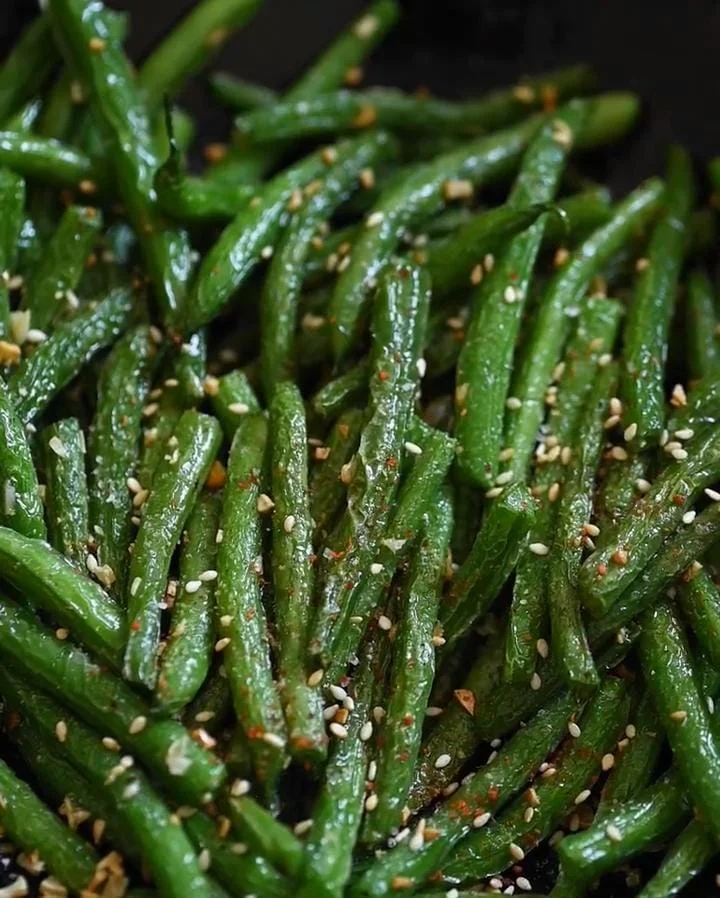
How to Prepare Chinese Green Beans
Preparation: Wash, Trim, and Dry the Green Beans
Rinse 1 pound (450 g) green beans under cold running water. Trim both stem ends with a knife or by snapping off the tips. Pat the beans thoroughly dry using a clean kitchen towel or paper towels—dryness is crucial because wet beans steam and will not blister. Aim for uniform size and thickness when trimming so beans cook at the same rate.
Preparation: Mince Garlic and Slice Scallions
Peel 6 large garlic cloves and mince finely or press. Thinly slice 2 scallions on a bias; separate the white parts (for cooking) from the green tops (for finishing). Place aromatics in small bowls (mise en place) because stir-frying is fast and requires quick sequential additions.
Blanching Option (for extra tenderness) — Optional
If you prefer a slightly softer interior with vivid green color, blanch the green beans in boiling salted water for 2 minutes, then immediately plunge them into an ice water bath for 2 minutes to stop cooking. Drain and thoroughly dry. Blanching shortens the active stir-fry time and helps produce an even tender-crisp texture. For maximum blister and char, skip blanching.
Heat the Wok or Large Skillet Properly
Use a 12-inch wok or a large heavy skillet, place it over high heat, and allow it to become very hot for about 2 minutes. Add 2 tablespoons (30 mL) neutral oil, tilt the pan to spread the oil, and wait until it shimmers without smoking. High heat is essential for blistering and achieving those browned spots.
Stir-Fry the Green Beans to Blister
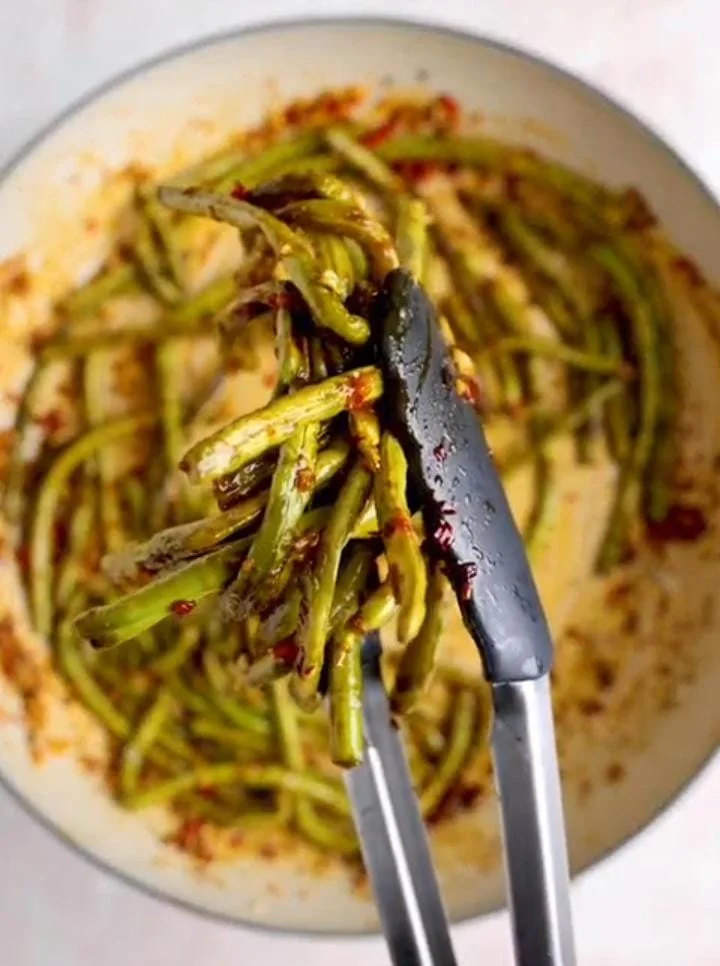
Add the dried green beans in a single layer if possible. Let them sit undisturbed for 30–45 seconds to blister on one side, then toss to allow other sides to blister. Repeat this sit-and-toss cycle until beans show blistered brown spots and some charring, about 4 to 6 minutes depending on heat and pan. Use tongs or a spatula to turn beans; avoid overcrowding which causes steaming.
Add Aromatics Carefully
When beans reach desired blistering, push them to the side or form a well in the pan. Add minced garlic and scallion whites into the oil. Stir the garlic only 20–30 seconds until fragrant and just beginning to color—avoid burning which yields bitterness. If using chili crisp or red pepper flakes, add with garlic so the oil carries the heat.
Deglaze and Add Sauce Components
Lower heat slightly. Stir together 2 tablespoons light soy, 1 tablespoon dark soy, 1 teaspoon sugar (or honey), and 1 teaspoon rice vinegar in a small bowl. Pour this mixture into the pan and stir to deglaze, scraping any browned bits from the pan. Slowly add the cornstarch slurry (2 tsp cornstarch + 3 tbsp water) while stirring; within 30–45 seconds the slurry will thicken the sauce into a glossy coating.
Finish with Toasted Sesame Oil and Scallion Greens
Once the sauce clings to the beans, remove the pan from heat and drizzle 1 teaspoon toasted sesame oil for aroma. Toss in the sliced scallion greens and sprinkle 1/2 teaspoon toasted sesame seeds if desired. Taste and adjust seasoning—if needed, add a few drops more light soy or a pinch of salt.
Resting and Serving Suggestions
Let the beans rest for 1–2 minutes so flavors settle. Serve immediately with steamed rice, congee, or as part of a multi-dish meal. These beans keep reasonably well for 1–2 hours at room temperature, or refrigerate in an airtight container for up to 3 days; reheat briefly in a hot skillet to regain blistered texture.
Also try: Honey Butter Skillet Corn
Technique Tips and Troubleshooting
- High heat is essential. If you do not sear the beans quickly, they will steam and become limp. Use a heavy-bottomed pan or wok that retains heat.
- Dry beans before cooking. Moisture prevents blistering and causes steaming.
- Avoid burning garlic: add it after beans have blistered and watch closely.
- If the sauce becomes too thick, add 1 to 2 tablespoons water to loosen it and reheat briefly.
- If beans are undercooked, cover the pan for 30–60 seconds after adding sauce to trap steam and finish cooking, then uncover to reduce excess liquid.
Healthy Habits and Meal Pairing Suggestions
To keep this dish healthy and balanced, pair it with whole grains and lean proteins. For example:
- Serve with brown rice or quinoa and a grilled fish or baked tofu for a complete meal that supplies fiber and complementary amino acids.
- Use minimal oil and avoid deep-frying; the 2 tablespoons used here are sufficient for flavor and texture.
- Increase vegetable variety: add sliced bell peppers, snow peas, or baby corn to the stir-fry for added vitamins and fiber.
- Portion control: use the green beans as a side alongside whole grains and protein to create balanced plate ratios—half the plate vegetables, one quarter protein, one quarter grain.
- Prepare sauces with reduced-sodium soy or dilute with water if monitoring sodium intake; fresh herbs and citrus zest can add flavor without extra salt.
Variations
Variation 1: Spicy Szechuan Green Beans (Dry-Fried Style)
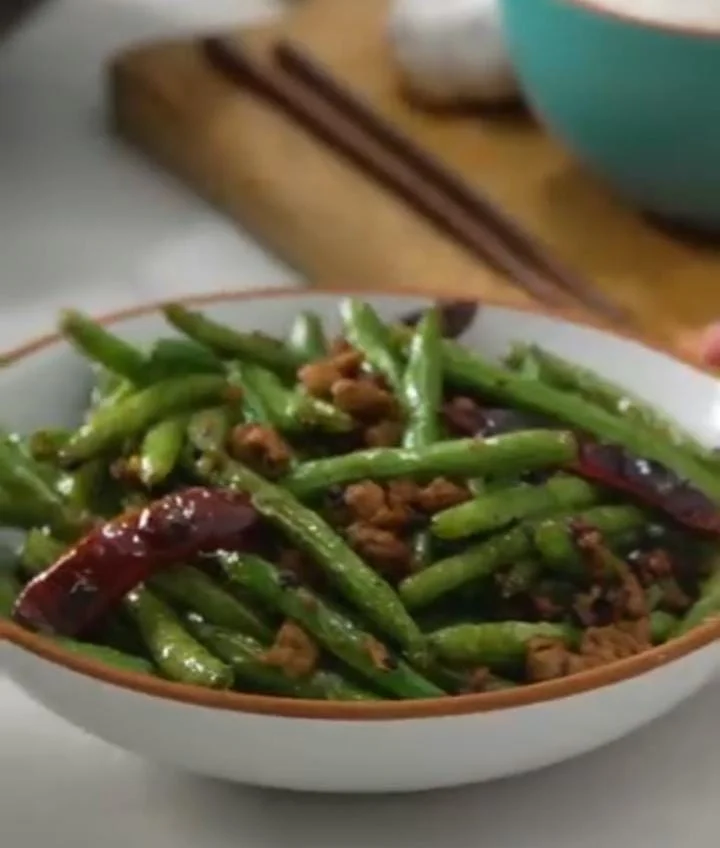
For a Szechuan-inspired twist, increase the heat and introduce numbing spice. Begin by toasting 1 tablespoon Szechuan peppercorns in the dry pan, then lightly crush them and add to the oil to release aroma; remove the larger bits if you prefer a smoother texture. Stir in 2 teaspoons chili bean paste (doubanjiang) or 1 tablespoon chili crisp with the garlic, adjusting to taste. Continue blistering the green beans as described; the result is a dry-fried texture with deep, savory heat and a slight numbing sensation from the peppercorns.
This variation relies on blooming spices in oil to deepen flavor and pairs well with plain steamed rice, braised pork, or pan-seared chicken. For a vegetarian option, add shredded king oyster mushrooms or tempeh to provide umami and body. The numbing Szechuan peppercorns and fermented paste make the dish bold and memorable while using the same blistering technique.
Variation 2: Garlic Sesame Green Beans with Almond Crunch
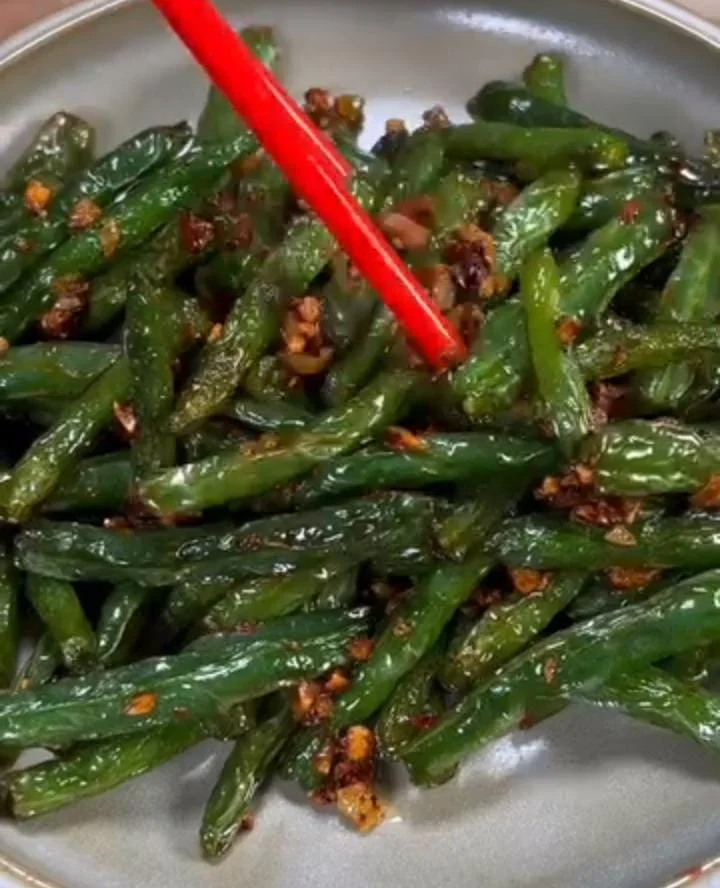
For a nutty, crunchy variation, add 1/2 cup (60 g) sliced almonds toasted and mixed in at the finish. Toast the almonds in a dry skillet until fragrant and golden, set aside, and follow the base recipe but omit dark soy if you want a paler appearance. Finish with the toasted sesame oil and fold in the toasted almonds and scallion greens to provide a contrasting crunch to the blistered beans.
This version is great for buffets or potlucks where texture contrast is welcomed. It pairs beautifully with citrus-glazed fish or cold noodle salads. For gluten-free needs, use tamari, and for nut-free alternatives, substitute toasted pumpkin seeds or sunflower seeds.
Variation 3: Miso-Glazed Green Beans (Umami Boost)
Incorporate 1 tablespoon white miso paste whisked with a tablespoon of warm water into the light soy and rice vinegar mixture before adding to the pan. The miso adds fermented depth and mild sweetness; dissolve it completely and add to the hot beans, then incorporate the cornstarch slurry to create a glossy miso glaze. Miso contributes complex umami that elevates the simple bean base without excessive salt.
This variation pairs well with grilled salmon, steamed soba noodles, or tofu-and-mushroom dishes. The miso option complements Japanese-style meals and adds a savory, rounded flavor profile.
Variation 4: Honey-Garlic Green Beans for a Sweet-Savory Finish
For a sweeter glaze replace sugar with 2 teaspoons (14 mL) honey or maple syrup and reduce dark soy to 1/2 tablespoon to maintain a balanced color. After blistering and adding aromatics, stir in the honey-soy mixture and briefly caramelize until the beans are glossy. Be cautious with the heat when honey is present since sugars can burn; keep heat moderate and stir until glaze sets.
Serve the honey-garlic beans with roasted chicken thighs or sticky tofu; the caramelized edges complement richer proteins and are often a crowd-pleaser for children and adults alike.
Variation 5: Thai-Inspired Green Beans with Lime and Fish Sauce
Adopt Thai flavors with 1 tablespoon fish sauce, 1 teaspoon palm or brown sugar, and the juice of half a lime added at the finish. Add 1 small red chili sliced for fresh heat and a handful of chopped cilantro just before serving. Cook the beans as in the base recipe and drizzle with the lime-fish sauce mixture to maintain bright, fresh notes.
This Southeast Asian version pairs excellently with jasmine rice and grilled satay or lemongrass chicken. Fish sauce adds deep savory notes while lime adds lift, creating a classic sweet-sour-salty profile.
Storing, Reheating, and Meal Prep Tips
To store, let the beans cool completely and transfer to an airtight container. Refrigerate for up to 3 days. For longer storage, freeze in a flat layer on a tray then transfer to a freezer bag for up to 2 months, though texture will change; frozen beans are best used in soups or braised dishes after thawing. Reheat in a hot skillet with a teaspoon of oil for 1–2 minutes to revive blistering; microwaving will make them limp and less appealing.
For meal prep: make the sauce separately and store it in a small jar; quickly toss freshly blistered beans with warmed sauce when ready to eat. Blanch and shock beans ahead of time to reduce same-day cooking time by half. Toast nuts and prepare garnishes in advance to streamline assembly and service.
Common Questions and Clarifications
- Can I use frozen green beans? Yes, but texture differs. Thaw and pat very dry, then follow the blistering method; expect less pronounced charring.
- Is this vegan? The base recipe is vegan if you omit fish sauce and use plant-based sweeteners. Use tamari for a gluten-free option.
- How spicy is the Szechuan version? You control the heat—start with 1 teaspoon chili paste and increase to taste.
- Does cornstarch matter? The small amount creates a glossy coating that helps sauce cling to the beans; omit it if you prefer a looser, thinner sauce.
- Can I scale this recipe for a crowd? Yes—cook in parallel pans or in batches and keep finished beans warm on a tray in a low oven to preserve texture.
Deep Dive: Flavor Science and Why the Technique Works
High-heat blistering creates Maillard browning on the bean surface, producing roasted, savory flavors that do not develop during boiling. Because green beans have significant water content, a quick dry sear is needed to reach temperatures that allow browning while keeping the interior tender. Avoid crowding the pan: when beans are piled up they release moisture and steam rather than brown.
Aromatics must be timed. Garlic and scallion whites release flavor immediately; add them after the beans have blistered to avoid bitterness. Toasted sesame oil should be added off heat for aroma only; it loses fragrance under prolonged high temperatures. A small cornstarch slurry provides a glossy finish so the sauce clings without becoming heavy.
Serving Ideas and Pairings
Create balanced plates by pairing the beans with lean proteins and whole grains. They complement grilled fish, roast chicken, or tofu, and work well with brown rice, quinoa, or soba noodles. For a lighter menu, add a citrus element like lime or lemon to brighten the finish. At gatherings, these beans contrast well with richer mains such as braised meats or creamy noodle dishes.
To scale the recipe, cook in batches and keep finished beans warm on a tray in a low oven. Prepare garnishes ahead—toast sesame seeds or almonds—to speed service and presentation.
Troubleshooting Common Mistakes
If beans are limp, check pan heat, moisture, and overcrowding. Dry the beans thoroughly and ensure the pan is very hot before adding oil. If garlic burns, remove the pan from heat and add fresh garlic later in the process. If the sauce is too thick or gummy, stir in a tablespoon or two of water and reheat briefly to loosen the glaze. If the final dish tastes flat, rebalance with a splash of rice vinegar or lime juice and a pinch of sugar.
Final Encouragement and Serving Temperature Notes
This method adapts to many vegetables and flavorings. Serve warm for the best texture or at room temperature as part of a composed salad. Practice blistering and timing to make this technique second nature; once you master it, the same approach yields excellent results with snap peas, broccolini, or asparagus.